
For too long, fertility has been treated as a topic that concerns only women. The reality is very different. Male fertility matters just as much, and in many cases, it is the deciding factor in whether a couple conceives. Working through this topic with others and reading the research made it clear just how many men quietly struggle with fertility challenges they never knew were there. Sperm health, hormone balance, and simple daily habits all play a direct and measurable role in a couple’s chances of conception. This guide breaks everything down clearly, from what healthy sperm actually looks like to the habits, foods, and tools that support it over time.
Why Male Fertility Matters More Than You Think
Fertility is not a women’s issue. It never was. The science makes this unmistakably clear.
Simple Explanation of Male Fertility
Male fertility comes down to the sperm. Specifically, it comes down to three core qualities: count, motility, and morphology. Count refers to how many sperm are in each milliliter of semen. Motility refers to how well sperm move. Morphology refers to the shape and structure of sperm cells.
All three qualities matter because they determine whether sperm can successfully travel to, reach, and fertilize an egg. A high sperm count with poor motility is not enough. Good motility with poor morphology causes similar challenges. Conception depends on the right combination of all three working together.
According to the World Health Organization (WHO) 2021 reference values, a healthy semen analysis shows a sperm concentration of 16 million or more per milliliter, total motility of 42 percent or more, and normal morphology of 4 percent or more using Kruger strict criteria.
The Male Role in Conception
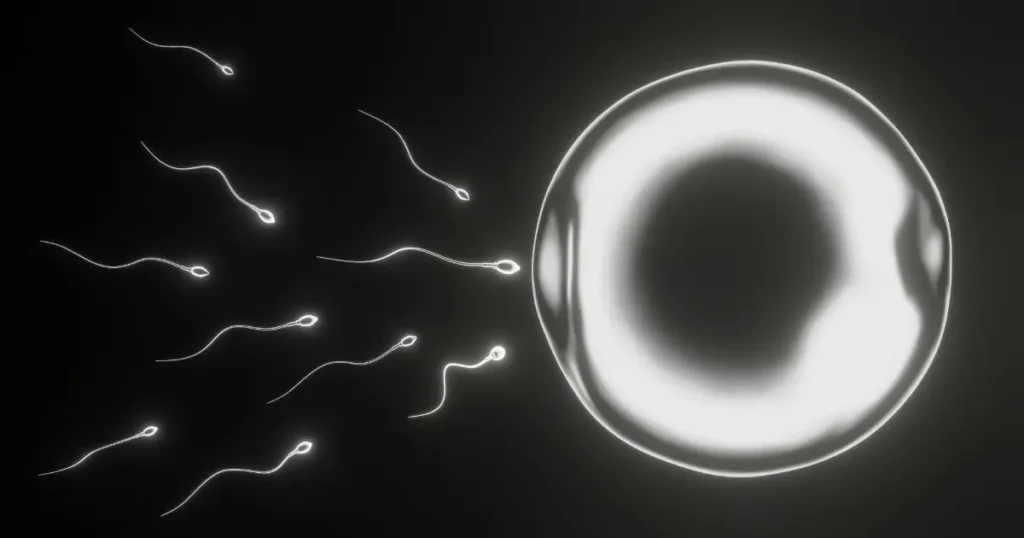
Sperm must complete a remarkable journey. After ejaculation, sperm travel through the cervix, uterus, and into the fallopian tube to reach the egg. That journey takes hours and requires good motility. Only a tiny fraction of sperm that enter the reproductive tract ever reach the egg. Of the hundreds of millions released, typically only a few hundred reach the vicinity of the egg. One fertilizes it.
Timing matters too. The egg survives for 12 to 24 hours. Sperm must be present and viable in the fallopian tube at the moment ovulation occurs or within that short window. Quality sperm, timed correctly, is the male side of that equation.
A Real-Life Context
Many couples focus entirely on ovulation tracking, fertile window timing, and cycle awareness without ever checking sperm health. Then, after months of trying with no success, a semen analysis reveals that sperm count or motility was part of the story all along. That one test would have changed the strategy from the start. Male fertility matters from day one of a conception journey, not as a last resort.
Key Factors That Affect Male Fertility
Male fertility is a system. It depends on multiple factors working together, and disruptions to any one of them can affect the outcome.
Sperm Count and Quality
Sperm count, motility, and morphology are the primary measures of male fertility. A systematic review examining nearly 40 years of data found a significant decrease in sperm concentration, from 113 million per ml to 66 million per ml, and in semen volume over the evaluated timespan. That is a meaningful decline, and lifestyle factors are a major contributor.
Low sperm count reduces the statistical probability of fertilization. Poor motility means sperm cannot travel effectively to reach the egg. Abnormal morphology, where sperm cells are misshapen, reduces their ability to penetrate and fertilize the egg. Each parameter has a specific threshold, and falling below any of them reduces fertility.
Hormonal Balance
Testosterone, FSH, LH, and prolactin all play roles in male reproductive health. Testosterone drives sperm production, libido, and overall male reproductive function. FSH and LH signal the testes to produce sperm and testosterone respectively. Disruptions to hormonal regulation of spermatogenesis result in germ cell apoptosis and spermatogenesis impairments.
Elevated prolactin in men, caused by a pituitary tumor, medications, or chronic stress, suppresses testosterone production and directly reduces sperm quality. Thyroid dysfunction can also affect sperm parameters through its influence on metabolic and hormonal regulation. A hormone panel covering testosterone, FSH, LH, and prolactin gives a clear picture of the hormonal environment supporting sperm production.
Lifestyle and Environment
Sperm count, motility, morphology, and sperm DNA may all be adversely affected by lifestyle factors, which may also affect the endocrine regulation of reproductive function. Diet, sleep, stress, physical activity, substance use, and environmental exposures all feed directly into sperm quality through biological mechanisms including oxidative stress, hormonal disruption, and DNA fragmentation.
Environmental exposures deserve specific attention. Heat exposure to the testes, whether from tight underwear, hot baths, laptops on laps, or occupational heat exposure, directly impairs sperm production. The testes are positioned outside the body precisely because sperm production requires a temperature slightly lower than core body temperature. Any sustained elevation disrupts that.
Sperm Health Basics
Here is a clear summary of the core sperm parameters, what they mean, and what the current reference values look like.
| Parameter | What It Measures | WHO 2021 Reference Value |
|---|---|---|
| Sperm concentration | Number of sperm per milliliter | 16 million per ml or more |
| Total motility | Percentage of moving sperm | 42 percent or more |
| Progressive motility | Percentage moving forward | 30 percent or more |
| Morphology | Percentage of normally shaped sperm | 4 percent or more (Kruger strict) |
| Semen volume | Total volume of ejaculate | 1.4 ml or more |
| Total sperm count | Total number of sperm in ejaculate | 39 million or more |
Common Causes of Male Infertility
There is rarely one single cause. Most cases involve a combination of factors.
Medical Conditions
Varicocele is one of the most common identifiable causes of male infertility. It is an enlargement of the veins inside the scrotum, similar to varicose veins. It raises testicular temperature and creates oxidative stress that damages sperm. Varicocele is present in approximately 35 to 40 percent of men evaluated for infertility at The Turek Clinic. Surgical repair can significantly improve sperm parameters in many cases.
Infections, including sexually transmitted infections and urinary tract infections, can cause scarring in the reproductive ducts that blocks sperm passage. Some infections, like orchitis (testicular inflammation), directly damage sperm-producing cells.
Hormonal disorders, including hypogonadism, hyperprolactinemia, and thyroid dysfunction, disrupt the hormonal signals that regulate sperm production. These conditions are diagnosable through blood tests and are often treatable with targeted medical therapy.
Lifestyle Factors
Smoking worsened progressive sperm motility in a study of 466 men attending a fertility clinic. Alcohol consumption impaired both progressive motility and total motility significantly. Both substances generate oxidative stress that damages sperm DNA and reduces sperm quality across multiple parameters.
Moderate or heavy smoking was significantly associated with abnormal sperm concentration, with an odds ratio of 17.45, and poor sleep quality with severe disorders was associated with abnormal sperm concentration with an odds ratio of 5.73. These are not subtle associations. They are strong, clinically meaningful risk factors.
Poor diet, particularly diets high in processed foods, refined carbohydrates, and trans fats, contributes to obesity, insulin resistance, and oxidative stress. All three impair sperm quality through distinct but overlapping biological pathways.
Environmental Factors
Heat exposure is the most practically important environmental factor for most men. Scrotal temperature needs to stay approximately two to three degrees Celsius below core body temperature for optimal sperm production. Prolonged laptop use on the lap, frequent hot tub or sauna use, tight synthetic underwear, and certain occupational heat exposures all raise testicular temperature enough to reduce sperm output.
Endocrine-disrupting chemicals in plastics, pesticides, and some industrial compounds affect testosterone production and spermatogenesis. Using plastic beverage bottles for oil or seasonings was associated with lower sperm concentrations in a clinical cohort, reflecting the real-world impact of everyday chemical exposure on sperm quality.
Lifestyle Habits That Impact Sperm Health
Small daily habits quietly improve, or damage, male fertility over time.
Diet and Nutrition
Diet and exercise have been shown in clinical studies to enhance sperm characteristics such as concentration, motility, morphology, and DNA fragmentation in men with decreased adiposity, even when BMI remains the same.
Antioxidants play a specific protective role. Oxidative stress is one of the primary biological mechanisms through which lifestyle factors damage sperm. Antioxidant nutrients including vitamin C, vitamin E, zinc, selenium, and L-carnitine protect sperm cells from reactive oxygen species (ROS). Berries, citrus fruits, nuts, seeds, and leafy greens are particularly rich sources.
Omega-3 fatty acids support sperm membrane structure and motility. A diet low in omega-3s correlates with reduced sperm quality. Fatty fish, walnuts, and flaxseed are practical daily sources. Zinc from nuts, seeds, meat, and legumes supports testosterone production and semen quality directly.
A Mediterranean-style dietary pattern, rich in vegetables, legumes, whole grains, fish, healthy fats, and antioxidants, has been consistently linked to better semen quality in clinical studies compared to Western dietary patterns high in processed and fast foods.
Physical Activity
Low physical activity levels are associated with poorer sperm quality, while moderate physical activity has improved sperm parameters up to a certain point. However, excessive exercise, such as intense training for marathons or Olympic events, can potentially lower testosterone levels, reduce sperm quality, and lead to infertility.
The evidence supports a clear dose-response relationship. Sedentary lifestyle impairs sperm quality. Moderate regular exercise improves it. Extreme training volume without adequate recovery, particularly combined with insufficient calorie intake, suppresses testosterone and damages sperm through oxidative stress and hormonal disruption.
Thirty to forty-five minutes of moderate activity most days of the week, whether walking, cycling, swimming, or resistance training at moderate intensity, represents the range with the clearest benefit for male fertility.
Stress and Sleep
Mental health conditions such as depression and anxiety are closely linked to male fertility issues. Effective management of mental health through therapies like cognitive-behavioral therapy, mindfulness practices, and stress-reduction techniques such as regular exercise and meditation has been shown to improve sperm quality and enhance fertility outcomes.
Adequate sleep is essential for the proper functioning of the endocrine system, which plays a crucial role in regulating reproductive hormones. Disruptions to sleep patterns and circadian rhythms can significantly impact male fertility, with numerous studies demonstrating the link between sleep deprivation and reduced sperm quality.
Testosterone levels are closely tied to sleep duration and quality. Most testosterone production occurs during sleep. Men who consistently sleep fewer than six hours per night show significantly lower testosterone levels than those sleeping seven to nine hours. That hormonal impact directly affects sperm production.
Foods That Boost Male Fertility
Here is a practical, evidence-based guide to the food types most consistently linked to better sperm health.
| Food Type | Fertility Benefit | Everyday Examples |
|---|---|---|
| Antioxidant-rich foods | Protect sperm from oxidative damage | Berries, citrus, dark leafy greens, dark chocolate |
| Zinc-rich foods | Support testosterone and sperm count | Oysters, nuts, seeds, legumes, beef |
| Omega-3 fatty acids | Improve sperm motility and membrane structure | Salmon, mackerel, walnuts, flaxseed |
| Folate-rich foods | Reduce sperm DNA abnormalities | Spinach, lentils, asparagus, fortified grains |
| Lean protein | Support cell growth and testosterone | Eggs, chicken, fish, legumes |
| Whole grains | Stabilize blood sugar, reduce insulin | Oats, brown rice, quinoa, barley |
Best Ways to Improve Male Fertility Naturally
You do not always need complex solutions. Start with the fundamentals.
Maintain a Healthy Weight
Obesity impairs male fertility through multiple pathways. Obesity is significantly associated with abnormal sperm concentration, with an odds ratio of 40.07 in a clinical study of infertile couples. That is a very strong statistical association.
Excess fat tissue converts testosterone to estrogen through the aromatase enzyme. Higher estrogen and lower testosterone reduces sperm production. Obesity also contributes to oxidative stress, insulin resistance, and elevated scrotal temperature, all of which compound the damage to sperm quality.
Gradual, sustained weight loss through balanced diet and moderate exercise improves sperm parameters meaningfully. Crash diets or extreme calorie restriction can temporarily worsen sperm quality by stressing the body. A sustainable, food-first approach is the right strategy.
Exercise Regularly
Regular moderate exercise supports testosterone levels, reduces oxidative stress, improves insulin sensitivity, and supports healthy body weight. All of these factors contribute directly to better sperm production and quality.
The key is avoiding extremes in both directions. A sedentary lifestyle is clearly harmful to sperm. Extreme endurance or strength training without adequate caloric support is also harmful. Consistent, moderate activity in the range of thirty to forty-five minutes most days strikes the right balance.
Avoid cycling at very high intensity or for very long durations without appropriate saddle and gear, as sustained pressure on the perineal region can temporarily reduce sperm quality. Light to moderate recreational cycling does not carry this risk.
Improve Diet and Hydration
Whole foods are the foundation. A diet rich in vegetables, fruits, lean proteins, healthy fats, and whole grains provides the antioxidants, zinc, folate, selenium, and omega-3s that sperm production depends on. Minimize processed foods, trans fats, and refined sugars. These promote inflammation, insulin resistance, and oxidative stress, all of which impair sperm.
Stay well hydrated. Semen volume and sperm quality are both affected by hydration status. Aim for at least eight to ten cups of fluid daily, more during exercise or in warm conditions.
Tools to Test and Track Male Fertility
Testing brings clarity. Guessing under pressure only adds stress.
Semen Analysis (Lab Test)
A semen analysis is the definitive starting point for assessing male fertility. It measures sperm concentration, total count, motility, morphology, semen volume, and pH. It is performed at a fertility clinic or reproductive urology practice. The sample is collected by masturbation and analyzed within an hour.
A single semen analysis can have natural variation from day to day. Most fertility specialists recommend two analyses, collected at least two to four weeks apart, for a reliable baseline assessment. Before the test, abstain from ejaculation for two to five days for consistent results.
At-Home Sperm Test Kits
Home sperm test kits, such as YO Sperm Test and Trak, provide a private, convenient first screening step. These kits measure sperm motility or concentration from a sample collected at home. They are not a replacement for a full clinical semen analysis but serve as a useful initial indicator.
For anyone who feels hesitant about visiting a fertility clinic, an at-home kit gives a private first look and can motivate the next step of clinical evaluation if results raise questions.
Health Tracking Apps
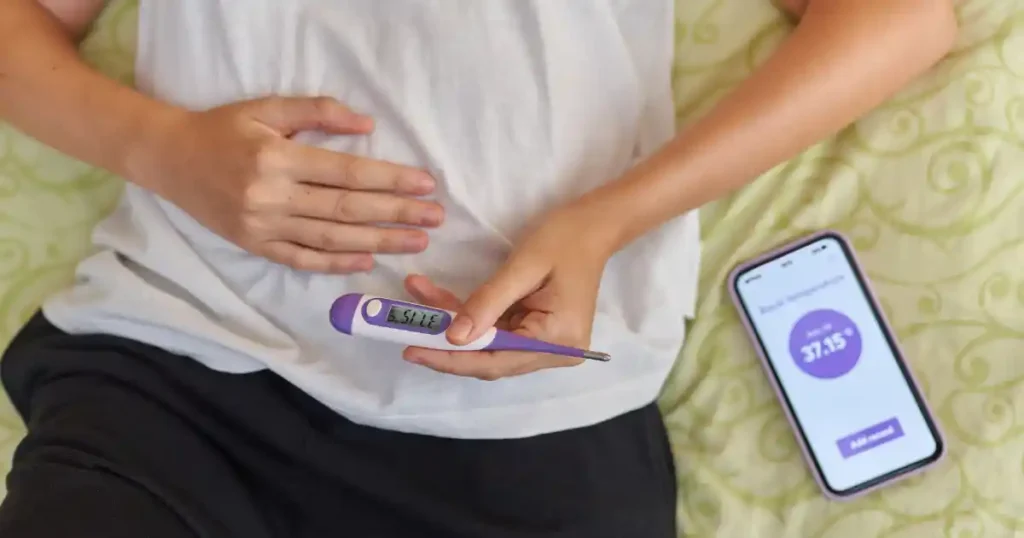
Apps like Kindara, Natural Cycles, and Flo allow couples to log lifestyle factors, cycle data, and fertility indicators over time. For men, tracking exercise, sleep, diet quality, alcohol intake, and stress levels in a simple daily log helps identify patterns and measure the impact of lifestyle changes on health metrics over months.
Apps do not assess sperm quality directly. They are most valuable for building the consistent lifestyle habits that support sperm health over the 70 to 90-day sperm production cycle.
Male Fertility Testing Tools Comparison
Here is a clear side-by-side comparison to help you choose the right testing approach for your situation.
| Tool Type | Accuracy | Ease of Use | Cost | Best For |
|---|---|---|---|---|
| Lab semen analysis | Very high | Medium, requires clinic visit | Moderate to high | Full fertility diagnosis |
| At-home sperm test kits | Medium, screening only | Easy and private | Medium | Initial self-screening |
| Hormone blood panel | Very high | Medium, requires lab draw | Moderate | Identifying hormonal causes |
| Health tracking apps | Low, lifestyle only | Very easy | Free or low cost | Habit monitoring and logging |
Expert Advice on Male Fertility
“Male fertility is often overlooked, but it contributes to nearly half of infertility cases,” says Dr. Paul Turek, a Beverly Hills, California-based board-certified urologist and microsurgeon, internationally recognized as one of the world’s leading authorities on male fertility and sexual health. Dr. Turek is a former Full Professor and Endowed Chair in Urology at the University of California San Francisco, has published more than 100 peer-reviewed articles in leading medical journals, graduated from Yale College summa cum laude and received his medical education at Stanford University School of Medicine. He is the founder and director of The Turek Clinic in Beverly Hills and San Francisco, and is often referred to as the “GUYnecologist” for his pioneering work in male reproductive health. His research on male infertility as an early marker for broader health conditions has shaped how reproductive urologists approach male fertility evaluation globally.
His observation about male fertility being overlooked is reflected consistently in clinical data. Male factor issues are involved in approximately 40 to 50 percent of all infertility cases. Yet the female partner is often the one who seeks evaluation first and most thoroughly.
What Experts Recommend
Test early if you are trying to conceive. A semen analysis is a simple, non-invasive, low-cost test. There is no reason to wait a year before checking sperm health. Early testing gives you actionable information that shapes your strategy from the start.
Improve lifestyle habits first. Diet, sleep, exercise, stress management, and substance cessation are the foundation. These changes take effect over the 70 to 90-day sperm production cycle. Start them as soon as possible.
Do not delay evaluation if something feels off. Difficulty conceiving after six months in men over 35, or twelve months in younger men, is a clear reason to seek a clinical assessment. Delay wastes cycles that could be spent in treatment.
A Real-Life Tip
Many men assume everything is fine. They have no noticeable symptoms, no pain, no obvious issue. Then they test. And that one semen analysis changes the entire picture. The most common response I hear is, “I wish we had checked sooner.” That step changes everything. It directs the right attention to the right place, and it does not have to wait until a year of trying has passed.
Common Mistakes That Harm Male Fertility
These errors are more common than most people realize, and they cost valuable time.
Ignoring Health Symptoms
Small symptoms are often early signals of fertility-relevant conditions. Testicular discomfort or a dull ache may indicate varicocele. Changes in libido or energy may indicate low testosterone. Difficulty ejaculating or pain during ejaculation can suggest ejaculatory duct obstruction. None of these are dramatic on their own. Together they point to conditions that affect sperm quality and are treatable when caught early.
If something feels different, get it checked. A brief visit to a urologist with a specialty in male reproductive health gives you clarity quickly.
Overheating the Body
This is one of the most practical and underestimated fertility mistakes men make. Prolonged laptop use balanced on the lap, daily use of hot tubs or saunas, tight synthetic underwear that holds the testes close to the body, and certain seated occupational postures all raise testicular temperature. Sperm production requires a temperature slightly below core body temperature. Sustained temperature elevation measurably reduces sperm count.
Switching to loose-fitting underwear, keeping laptops on desks, and limiting hot bath or sauna frequency to occasional use are simple, low-cost adjustments with real biological benefit.
Delaying Testing
Waiting until a year of trying has passed before checking sperm health is one of the most common and costly delays in fertility journeys. A semen analysis takes one visit. Results come back within days. If sperm parameters are significantly abnormal, treatment options are available at every level of severity.
Delaying testing by twelve months means delaying treatment by twelve months. For couples in their mid-to-late thirties, that delay has meaningful consequences on overall fertility outcomes.
How Long Does It Take to Improve Sperm Health
This is a patience game. The biology sets the timeline.
Sperm Production Cycle
The full cycle of sperm production, from stem cell to mature sperm, takes approximately 70 to 90 days, or roughly two to three months. This is the fundamental timeline for any lifestyle intervention to produce measurable changes in sperm parameters.
Improvements to diet, sleep, exercise, and substance use today will be reflected in a semen analysis in approximately three months. That is not a long time in the context of a fertility journey, but it does require starting changes consistently now rather than waiting.
Short-Term Changes in the First Month
Within the first four to six weeks of consistent lifestyle changes, most men notice improved energy, better sleep quality, reduced stress, and greater general wellbeing. These are early signs that the hormonal and metabolic environment supporting sperm production is shifting in a positive direction.
These are supportive changes, not yet reflected in sperm parameters because the sperm that can be analyzed today were produced two to three months ago.
Long-Term Results After Three Months
By the three-month mark, lifestyle-driven improvements begin to show up in semen analysis parameters. Sperm concentration, motility, and morphology all reflect the conditions present during the production cycle that is now completing. Men who combine diet improvements, exercise, stress reduction, and substance cessation consistently see measurable improvements in sperm quality within this window.
Lifestyle changes such as improved diet, exercise routine, and weight control have been shown to support improved sperm quality, particularly in terms of concentration, motility, and morphology, with a large-scale observational study showing that dietary improvements and increased physical activity produced measurable gains in sperm parameters.
When to See a Doctor
Sometimes natural steps alone are not enough, and knowing when to act makes a real difference.
Warning Signs
See a reproductive urologist or fertility specialist if you have been trying to conceive for twelve months without success, or six months if you or your partner are over 35. If a semen analysis shows parameters below WHO reference ranges, seek specialist evaluation promptly rather than attempting lifestyle changes in isolation.
See a doctor immediately if you notice a painless lump in the testicle, as testicular cancer is most common in men aged 15 to 35 and requires rapid evaluation. Persistent testicular pain, discharge from the penis, or significant difficulty with ejaculation also warrant prompt clinical attention.
Medical Support Options
Hormone therapy, including testosterone replacement (with care, as exogenous testosterone suppresses sperm production), clomiphene citrate to stimulate natural testosterone production, or human chorionic gonadotropin (hCG) to stimulate sperm production, can address hormone-driven infertility effectively.
Surgical options include varicocele repair, vasectomy reversal, and sperm retrieval procedures for men with obstructive azoospermia. For men with very low sperm counts, intracytoplasmic sperm injection (ICSI) can achieve pregnancy using even a small number of viable sperm.
Male Fertility QA
Can Male Fertility Be Improved Naturally?
Yes. Lifestyle modifications including dietary modifications, weight management strategies, substance cessation programs, stress reduction techniques, and workplace policy changes can significantly improve male fertility outcomes. The key is addressing multiple factors together and sustaining those changes over the full 70 to 90-day sperm production cycle.
What Is the Main Cause of Male Infertility?
There is no single main cause. Sperm production problems, including low count, poor motility, and abnormal morphology, are the most common findings in a clinical semen analysis. Varicocele is the most common surgically correctable cause, present in about one-third of men presenting to male fertility specialists. Hormonal disorders, genetic factors, and lifestyle-driven oxidative stress also play significant roles.
Does Age Affect Male Fertility?
Yes, gradually. Unlike female fertility, which declines more sharply in the mid-thirties and forties, male fertility declines more gradually. Testosterone levels and sperm quality decline with age. Sperm DNA fragmentation increases. Older men also have slightly higher rates of certain rare genetic conditions in offspring. Age does not preclude natural conception, but it does mean monitoring fertility health actively rather than assuming everything is fine.
How Can I Test My Fertility at Home?
At-home sperm test kits measure sperm concentration and motility from a sample collected at home. These kits are available over the counter at pharmacies and online. They provide a private initial screening result. They do not replace a full clinical semen analysis, which measures more parameters with greater precision. Use an at-home kit for an initial picture, then follow up with a clinical test if results indicate concerns.
How Long Does It Take to Improve Sperm Count?
Approximately two to three months. That is the length of one full sperm production cycle. Changes made today will be reflected in a semen analysis conducted 70 to 90 days from now. Consistent lifestyle improvements across diet, sleep, stress management, and substance use produce measurable changes in sperm count and quality within this timeframe.
Practical Tips to Support Male Fertility
Simple daily habits practiced consistently produce the clearest long-term gains.
Build Simple Daily Habits
Eat whole foods at regular mealtimes. Include vegetables, lean proteins, healthy fats, and whole grains every day. Take a zinc and antioxidant-rich snack like a handful of mixed nuts. Keep laptops on desks. Wear loose-fitting underwear. Avoid prolonged hot bath soaks during periods of active fertility planning.
Sleep seven to nine hours at consistent times. Manage stress through daily movement or quiet time. Limit alcohol to moderate levels and avoid smoking entirely. These are not dramatic interventions. Done every day for three months, they create a meaningfully better environment for sperm production.
Stay Consistent Over Time
The 70 to 90-day production timeline means consistency is the only strategy that works. One week of good habits followed by two weeks of reverting does not produce measurable change. Three months of consistent effort does.
Track your habits in a simple daily log. Note sleep hours, diet quality, exercise, and alcohol intake. Reviewing that log after a month shows you which habits are sticking and which need support.
A Personal Reflection
It is easy to ignore small habits when there are no obvious symptoms pointing to a problem. Sleep slips. Stress builds. Exercise drops off. Diet shortcuts add up. None of those things feel connected to fertility in the moment. But quietly, over 90 days, they shape the sperm that a semen analysis will one day measure. Small things, sleep, food, stress, consistently practiced, are the actual foundation of male fertility health over time.
Male Fertility Is Half the Equation
Male fertility matters just as much as female fertility. It contributes to approximately half of all infertility cases. And in many of those cases, the solution begins with a single semen analysis and a clear look at daily habits. The tools exist. The research is clear. The path forward is available to anyone willing to take the first step.
Start with testing. Build the habits. Give the body three months to respond. That is how meaningful change happens.
Final Recommendation
Understanding that male fertility matters is the first step toward a genuinely informed conception strategy. From the research and from walking through this topic with many people, the clearest advice I can give is this: do not wait for a year to pass before testing. Get a semen analysis early in the process. It is simple, private, and gives you actionable data right away.
While you wait for results, start the lifestyle fundamentals: shift to a whole-food, antioxidant-rich diet, target seven to nine hours of consistent sleep per night, cut out smoking, limit alcohol, and swap tight underwear and laptop-on-lap habits for scrotal-temperature-friendly alternatives. Give these changes 70 to 90 days to show up in sperm parameters, because that is the full sperm production cycle. If a semen analysis shows parameters below WHO reference ranges after two separate tests, book an appointment with a reproductive urologist promptly.
Conditions like varicocele, hormonal imbalances, and ejaculatory duct obstruction are all treatable when identified early. Male fertility matters from the very first month of trying. Treat it accordingly.
FAQs
What does male fertility matter mean?
Male fertility matters refers to how sperm health affects pregnancy chances. It plays a key role alongside female fertility.
How does male fertility affect pregnancy?
Male fertility matters because sperm must reach and fertilize the egg. Poor sperm health can lower the chances of conception.
What are signs of male fertility problems?
Signs may include low sperm count, poor movement, or hormone issues. Sometimes, there are no clear symptoms at all.
Can lifestyle affect male fertility?
Yes. Male fertility matters when it comes to diet, stress, sleep, and habits like smoking. Healthy choices can improve sperm quality.
How can I improve male fertility naturally?
You can improve male fertility with good nutrition, exercise, and less stress. Small changes can support better sperm health over time.
Does age impact male fertility?
Yes. Male fertility matters with age, as sperm quality can decline slowly. This may affect chances of pregnancy.
When should I test male fertility?
Test male fertility if pregnancy does not happen after months of trying. Early testing can help find and fix possible issues.