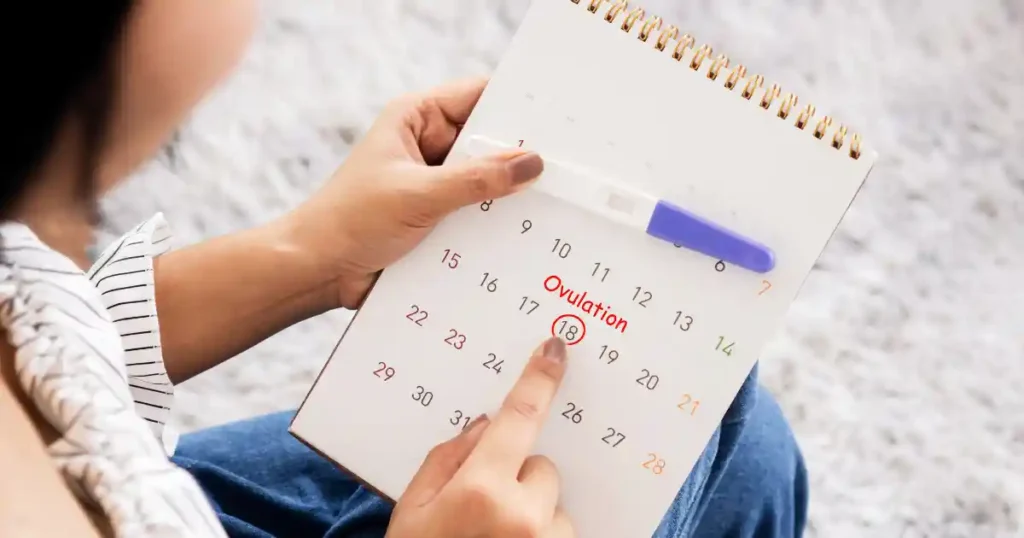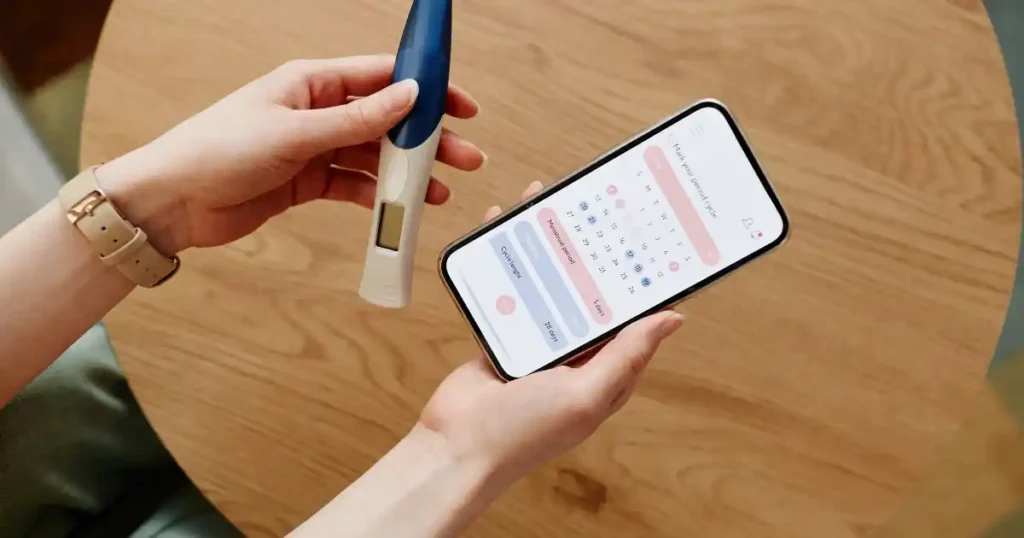
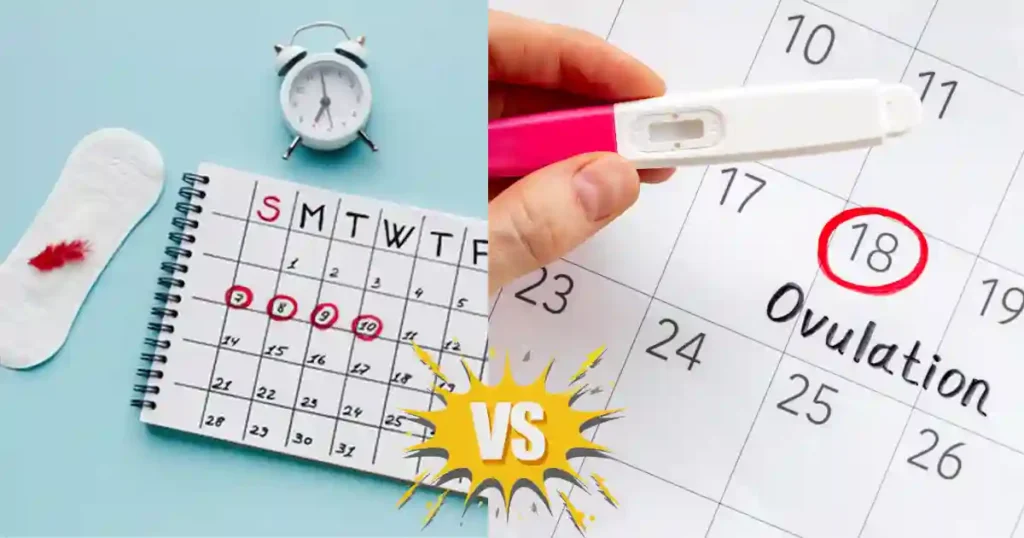
Standing in a pharmacy aisle holding two nearly identical white boxes is one of those quietly confusing moments nobody prepares you for. Both are fertility-related. Both use urine. Both have lines that can drive you absolutely wild with interpretation anxiety. But pregnancy tests vs ovulation tests serve entirely different purposes, detect entirely different hormones, and should be used at completely different times in your cycle. Getting them mixed up does not just waste money. It leads to real confusion about what your body is telling you. This guide breaks down every important difference so you always know exactly which test to reach for and why.
What Are Pregnancy Tests and Ovulation Tests
Both test types look similar on the outside. Inside, they are built to detect completely different hormonal events.
What Is a Pregnancy Test
A pregnancy test detects human chorionic gonadotropin, known as hCG. This hormone is produced by the developing placenta after a fertilized egg implants in the uterine lining. Implantation typically occurs six to twelve days after ovulation. After that point, hCG levels double approximately every 48 to 72 hours in early pregnancy.
At-home pregnancy tests detect hCG in urine. Most standard tests can detect hCG at concentrations of 20 to 25 mIU/mL. Early response tests are more sensitive, detecting levels as low as 10 mIU/mL, which is why they can show a positive result a few days before a missed period.
A positive pregnancy test confirms that hCG is present in your urine above the test’s detection threshold. It does not tell you how far along you are or confirm a healthy pregnancy. That requires follow-up with a healthcare provider.
What Is an Ovulation Test
An ovulation test, also called an ovulation predictor kit or OPK, detects luteinizing hormone in urine. LH is produced by the pituitary gland and plays a central role in the reproductive cycle. Most OPKs determine ovulation by detecting urinary LH level, and positive urinary LH test results precede ovulation, making them theoretically helpful for timed intercourse or intrauterine insemination.
The LH surge happens approximately 24 to 36 hours before ovulation. When an OPK shows a positive result, it means the LH surge is present in your urine and ovulation is likely to occur within the next one to two days. This is your alert that the fertile window is open.
An OPK does not confirm that ovulation actually occurred. It only confirms the hormonal signal that usually precedes it. A small percentage of LH surges do not result in ovulation. That is why combining OPK results with basal body temperature confirmation gives the most complete picture.
A Real-Life Context
Standing in a pharmacy in Seattle, Washington, I once grabbed the wrong box entirely. Both had the same slim white packaging. Both said “fertility” on the front. One was for predicting ovulation. The other was for confirming pregnancy. I needed the first one. I bought the second. It is an easy mistake. The boxes look almost identical. Understanding what each one actually does is the fastest way to avoid that kind of confusion.
Key Differences Between Pregnancy and Ovulation Tests
Once you understand the hormone each test detects, the differences become very clear.
Hormones They Detect
This is the fundamental distinction. A pregnancy test detects hCG. An ovulation test detects LH. These are two separate hormones with separate biological functions. LH is a key regulator of gonadal steroidogenesis and ovulation, whereas hCG is predominantly active in pregnancy and fetal development.
Both hormones belong to the same family of glycoprotein hormones. They share a common alpha subunit with FSH and TSH. But their beta subunits are distinct, and those beta subunits are what give each hormone its specific function. The beta subunit of hCG is about 80 to 85 percent homologous to the LH beta subunit, but the remaining differences are significant enough that a well-designed pregnancy test can distinguish between them. An ovulation test typically cannot.
Purpose of Each Test
The purpose of a pregnancy test is confirmation. It answers one question: is hCG present in my urine above the detection threshold? A positive result means yes, hCG is present, which indicates pregnancy has likely begun.
The purpose of an ovulation test is prediction. It answers a different question: is my LH surge currently happening? A positive result means yes, LH is elevated, and ovulation is likely within 24 to 48 hours.
Confirmation and prediction are entirely different jobs. This distinction determines which test you need and when.
When to Use Them
Timing is everything for both tests. An ovulation test is used mid-cycle, typically starting from cycle day eight to ten, tested daily until a positive result appears. A pregnancy test is used after a missed period, or at least ten to fourteen days after suspected ovulation, to allow hCG levels to rise to detectable levels.
Testing too early with a pregnancy test is one of the most common mistakes. Taking a pregnancy test at three days past ovulation, before implantation has even occurred, produces a negative result that reflects timing, not outcome.
Pregnancy vs Ovulation Tests Expert Comparison
Here is a clear, side-by-side view of every key distinction between these two test types.
| Feature | Pregnancy Test | Ovulation Test (OPK) |
|---|---|---|
| Hormone detected | hCG (human chorionic gonadotropin) | LH (luteinizing hormone) |
| Purpose | Confirm pregnancy | Predict ovulation and fertile window |
| When to use | After missed period or 10 to 14 days post-ovulation | Mid-cycle, from day 8 to 10 onward |
| Positive result means | hCG detected, likely pregnant | LH surge present, ovulation approaching |
| Confirms event occurred | Yes, implantation | No, predicts ovulation only |
| Detects the other hormone | Designed to distinguish hCG from LH | Cannot reliably distinguish hCG from LH |
How Pregnancy Tests Work
Pregnancy tests are simple in concept but precise in engineering.
What Is hCG Hormone
Human chorionic gonadotropin is produced by the trophoblast cells that form the placenta after a fertilized egg implants in the uterine lining. It is often called the pregnancy hormone because, under normal circumstances, it is only present in significant amounts during pregnancy.
hCG levels at implantation start very low, often below 5 mIU/mL. They then rise rapidly, roughly doubling every 48 to 72 hours through the first trimester. By weeks eight to ten of pregnancy, hCG levels typically peak before gradually declining for the remainder of the pregnancy.
How Tests Detect Pregnancy
At-home pregnancy tests use monoclonal antibodies that specifically bind to the beta subunit of hCG. When hCG is present in urine above the test’s sensitivity threshold, it binds to the antibody and triggers a visible result, typically a colored line, a plus sign, or the word “Pregnant” on a digital test.
The antibodies in quality pregnancy tests are engineered to minimize cross-reactivity with LH and other similar hormones. This is the key design difference from OPKs, which use antibodies less specifically targeted to hCG detection.
Best Time to Take a Pregnancy Test
The most reliable time to take a pregnancy test is the first day of a missed period or later. Testing the first morning urine gives the most concentrated sample and the highest chance of detecting low hCG levels accurately.
Early response tests with a 10 mIU/mL sensitivity threshold can sometimes detect pregnancy four to five days before a missed period. But the earlier you test, the higher the chance of a false negative due to hCG not yet reaching detectable levels. Testing before ten days past ovulation frequently produces negative results in early pregnancies simply because hCG has not yet risen enough.
If you test early and get a negative result, test again in two to three days if your period has not arrived.
How Ovulation Tests Work
Ovulation tests are about prediction and timing, not confirmation of an event.
What Is LH Surge
LH is produced by the pituitary gland and regulates multiple aspects of the reproductive cycle. During the first half of the menstrual cycle, LH levels remain relatively low and steady. As a follicle matures and estrogen peaks, a surge of LH is triggered. This LH surge is what causes the dominant follicle to rupture and release the egg.
The LH surge typically begins 24 to 36 hours before ovulation and peaks approximately 12 to 24 hours before the egg is released. The surge itself lasts about 24 to 48 hours in total. After ovulation, LH levels drop back to baseline within one to two days.
How Ovulation Tests Detect Fertility
OPKs use antibodies that bind to LH in urine. When LH concentration crosses the test’s threshold, typically around 40 mIU/mL for most standard strips, the test line appears as dark as or darker than the control line, indicating a positive surge result.
A 2024 study from Brigham and Women’s Hospital compared five commercially available OPKs to daily blood LH measurements and found similar accuracy and patient experience across multiple one-step OPK formats. The Clearblue Fertility Monitor uses dual hormone detection, tracking both estrogen and LH to identify a wider fertile window. Research from its manufacturer showed a significantly higher pregnancy rate in the first two cycles compared to control groups, 22.7 percent versus 14.4 percent.
Best Time to Take an Ovulation Test
Test at the same time each day for consistent results. Midday or early afternoon tends to give the most reliable readings because LH is produced in the morning and takes a few hours to accumulate in urine. Avoid testing with first morning urine, as this can sometimes give a falsely elevated result or miss a surge that begins later in the day.
Start testing a few days before your estimated ovulation date based on your average cycle length. For a 28-day cycle, start testing around day ten or eleven. Keep testing until you see a clear positive result, then continue for one more day to confirm the surge has peaked.
When to Use Each Test: Timing Guide
Here is a quick reference for the most common scenarios.
| Situation | Use Ovulation Test | Use Pregnancy Test |
|---|---|---|
| Tracking fertile window while trying to conceive | Yes, from cycle day 8 to 10 | Not yet |
| Detected LH surge, timing intercourse | Yes, confirm peak | Not yet |
| Two weeks after ovulation, period not arrived | No | Yes |
| Missed period or late period | No | Yes |
| Both tracking and confirming in one cycle | Yes, first half | Yes, after missed period |
| PCOS or irregular cycles | Yes, start early with a longer window | After missed period only |
Can Ovulation Tests Detect Pregnancy
This is one of the most commonly asked questions in fertility communities. The answer is nuanced and important to understand.
Why Some People See Positive OPK Results When Pregnant
LH and hCG share a similar molecular structure. Both are glycoprotein hormones with an identical alpha subunit. Their beta subunits are structurally similar, with the hCG beta subunit approximately 80 to 85 percent homologous to the LH beta subunit. Because of this structural overlap, OPK antibodies can sometimes cross-react with hCG, producing a positive-looking result.
The protein components of hCG and LH look very similar, so an ovulation test is unable to distinguish between these two hormones in the urine. If you are already pregnant when you take an ovulation test and do not know it yet, your test may pick up increased levels of hCG instead of LH.
Why OPKs Are Not Reliable for Pregnancy Detection
Scientific studies and manufacturers confirm that ovulation tests are not reliable or accurate for detecting pregnancy. They lack the sensitivity and specificity needed to measure pregnancy hormone levels correctly.
Ovulation tests are calibrated to detect an LH surge, which is a brief, acute elevation in a specific concentration range. Pregnancy hCG follows a different curve, starting low and rising continuously. The cross-reactivity is inconsistent across brands and test sensitivities. A positive OPK during potential early pregnancy may or may not reflect actual hCG presence. A negative OPK result during early pregnancy means nothing about whether pregnancy has occurred.
A Real-Life Insight
You take an ovulation test during your two-week wait out of curiosity. You see a dark line and feel a jolt of excitement. Then you read about hCG cross-reactivity and do not know what to think. That confusion is real and extremely common. The answer is always the same: use a pregnancy test to confirm pregnancy. That is what it was built for.
Accuracy of Pregnancy Tests vs Ovulation Tests
Both types of test are accurate when used correctly. Their accuracy depends on timing, hydration, and hormonal context.
Pregnancy Test Accuracy
Home urine pregnancy tests are generally highly accurate when used from the first day of a missed period. Most tests claim 99 percent accuracy when used on or after the missed period date. That holds in practice for women with regular cycles who test at the right time.
Testing early reduces accuracy because hCG may not yet be detectable. Testing with diluted urine, from drinking large amounts of fluid before testing, can also reduce sensitivity. First morning urine is more concentrated and more reliable for early testing.
False positives on pregnancy tests are uncommon with standard at-home tests. A chemical pregnancy, where implantation begins but does not continue, can produce a faint positive followed by a normal or slightly late period. This is a real early pregnancy loss, not a false positive.
Ovulation Test Accuracy
OPKs are highly accurate at detecting an LH surge when it is present. The primary limitation is that a positive OPK predicts but does not confirm that ovulation will actually occur. A small percentage of LH surges, particularly in people with PCOS, may not lead to egg release.
A positive OPK result that remains positive for many consecutive days can indicate that hCG is being detected instead of an LH surge, particularly if you are in very early pregnancy.
Factors That Affect Accuracy
Hydration levels affect both tests. Testing with very diluted urine reduces hCG and LH concentrations. Use first morning urine for pregnancy tests and avoid excessive fluid intake before OPK testing.
Timing is critical for both. Testing too early in the cycle with a pregnancy test and testing outside the LH surge window with an OPK both reduce useful accuracy. Hormonal variations from PCOS, thyroid conditions, or recent hCG trigger injections can affect OPK results specifically.
Best Tools for Pregnancy and Ovulation Tracking
Using the right tools in combination gives the most complete and accurate picture across a cycle.
Digital Pregnancy Tests
Digital pregnancy tests display a clear word result, eliminating any ambiguity about line darkness. Clearblue Digital and First Response Digital are two widely used and validated options.
Digital tests cost more than strip tests but are worth the investment for anyone who finds line interpretation stressful. For the two-week wait, when anxiety is high and any ambiguity feels unbearable, a clear word result is genuinely more useful.
Ovulation Predictor Kits
OPK strip tests are available in bulk packs at low cost. Easy@Home and Wondfo are popular and reliable options for daily cycle testing. For quantitative LH readings rather than a simple positive or negative, the Mira Fertility Monitor and Premom app measure actual LH concentrations through a smartphone camera.
A pilot study published in PMC evaluated the Premom Ovulation Tracker app and found that it can accurately detect impending ovulation for women using LH test strips, making it a practical low-cost option for daily cycle monitoring.
Fertility Tracking Apps
Apps like Flo, Clue, and Natural Cycles allow you to log OPK results, pregnancy test results, BBT, and cycle symptoms in one organized place. Over multiple cycles, this data builds a clear picture of your hormonal patterns and helps identify the most accurate window for testing each month.
Pregnancy vs Ovulation Test Tools Comparison
Here is a side-by-side reference to help you choose the right test format for your needs.
| Tool Type | Accuracy | Ease of Reading | Cost | Best For |
|---|---|---|---|---|
| Pregnancy test strips | High when timed correctly | Medium, line reading | Low | Cost-effective routine testing |
| Digital pregnancy test | High when timed correctly | Very easy, word result | Higher | Clarity during high-anxiety waits |
| OPK strips | High for LH surge | Medium, line comparison | Low | Daily cycle tracking, bulk use |
| Digital OPKs with dual hormone | Very high | Very easy, symbol display | Higher | Wider fertile window detection |
| Quantitative hormone monitor | Very high | Easy, numerical reading | High | Irregular cycles, PCOS, precision |
Expert Advice on Using Pregnancy vs Ovulation Tests
“Using ovulation tests to time intercourse and pregnancy tests to confirm results is the most effective approach,” says Dr. Sheeva Talebian, a New York City-based board-certified Reproductive Endocrinologist and Infertility Specialist, and Director of Third-Party Reproduction at CCRM Fertility of New York. Dr. Talebian graduated Magna Cum Laude and Phi Beta Kappa from Columbia University, earned her medical degree from Mount Sinai School of Medicine, and completed her residency in Obstetrics and Gynecology and fellowship in Reproductive Endocrinology and Infertility at New York University. She is a Castle Connolly Top Doctor in Reproductive Endocrinology and Infertility since 2017, a member of both ACOG and ASRM, a fertility expert for Women’s Health Magazine, and co-founder of East Meets West Fertility, a media platform dedicated to women’s reproductive health.
Her approach reflects the evidence-based clinical consensus: OPKs and pregnancy tests are a complementary pair used at different stages of the same cycle.
What Experts Recommend
Use OPKs before and around ovulation, starting from day eight to ten of your cycle. Test daily. Stop when you see a positive and time intercourse during the fertile window. Use a pregnancy test only after a missed period or at least ten to fourteen days after ovulation.
Do not mix their purposes. An OPK is not a substitute for a pregnancy test, even though both involve urine and lines. The cross-reactivity between hCG and LH makes OPK results unreliable for pregnancy confirmation. A pregnancy test is the only appropriate tool for that question.
A Real-Life Tip
It is tempting to test early. The two-week wait feels impossibly long when you are hoping for a result. Testing at five or six days past ovulation with a pregnancy test, or using an OPK to check for pregnancy during the wait, adds anxiety without adding useful information. Give the biology time to do its work. Testing from ten days past ovulation onward gives you results worth trusting.
Common Mistakes When Using These Tests
These errors are more common than most people expect, and each leads to real confusion.
Using Pregnancy Tests Too Early
Testing before hCG has risen to detectable levels produces a negative result that has nothing to do with whether conception occurred. Most standard pregnancy tests need hCG above 20 to 25 mIU/mL. At four days past ovulation, hCG levels are typically still below 1 mIU/mL. Even at eight days past ovulation, many early pregnancies have hCG below the detection threshold.
Wait until your missed period. That single habit eliminates the vast majority of inaccurate early negative results.
Misreading Ovulation Test Results
OPK strips require you to compare the test line to the control line. A positive result is when the test line is as dark as or darker than the control line. Many people mistake a clearly visible but lighter test line for a positive result when it simply indicates low LH outside the surge.
Digital OPKs eliminate this ambiguity. Switching from strips to a digital format during the fertile window removes one of the most common sources of OPK misinterpretation.
Using the Wrong Test for the Situation
Using an OPK to check for pregnancy during the two-week wait is one of the most widespread test-related mistakes. Using a pregnancy test mid-cycle to check for ovulation produces meaningless results. Each test type answers only its specific question.
QA About Pregnancy Tests vs Ovulation Tests
Can an Ovulation Test Detect Pregnancy?
Not reliably. An ovulation test may show a positive result if pregnant due to hCG mimicking LH effects, but this is not a dependable method for confirming pregnancy. OPKs lack the sensitivity and specificity needed to measure pregnancy hormone levels correctly. A pregnancy test is always the right tool for pregnancy confirmation.
Which Test Should I Use First?
Start with an ovulation test. Use it from around cycle day eight to ten, testing daily until you see a positive LH surge result. Then time intercourse during the fertile window. After your next missed period, use a pregnancy test. This is the correct sequential approach for a conception cycle.
When Is the Best Time to Take a Pregnancy Test?
The first day of a missed period is the most reliable timing for a standard pregnancy test. Early response tests can be used from around ten to twelve days past ovulation. Testing with first morning urine gives the most concentrated sample and the most accurate result when testing close to the detectable window.
Are Digital Tests More Accurate?
Digital tests do not typically have higher analytical sensitivity than strip equivalents. Their advantage is readability. A word result eliminates the subjective line interpretation that causes so much anxiety and misreading. The same hCG or LH level that produces a faint, ambiguous line on a strip produces a clear, unambiguous word result on a digital test.
Can I Use Both Tests in One Cycle?
Yes. This is the recommended approach for anyone actively trying to conceive. Use OPKs during the first half of the cycle to identify the fertile window. Time intercourse accordingly. Use a pregnancy test after a missed period at the end of the cycle to confirm whether conception occurred.
Practical Tips for Using Both Tests Effectively
Simple habits make both tests significantly more useful and far less stressful.
Build a Simple Testing Routine
Start OPKs at the same time each day from cycle day eight to ten. Log each result in a tracking app. Continue until you see a positive result. Mark the expected pregnancy test date on your calendar as the first day of your expected missed period. Test on that date or one to two days after if your period has not arrived.
This routine removes daily decision-making about when to test and keeps the process organized without becoming obsessive.
Avoid Over-Testing
Taking a pregnancy test every day from ovulation onward is one of the fastest ways to create anxiety without gaining information. Each negative result before twelve days past ovulation feels devastating in the moment but tells you nothing useful. Set a date and commit to it.
Similarly, testing with OPKs outside the fertile window, during the luteal phase or right after your period, serves no useful purpose and can produce confusing results.
A Personal Reflection
It is very easy to get caught up in testing every single day. The two-week wait has a way of turning two test boxes into twenty. Stepping back genuinely helps. Logging the result, putting the tests out of sight, and moving on with the rest of the day made the whole process feel far more manageable over time.
Use the Right Test at the Right Time
Pregnancy tests and ovulation tests serve different purposes. They detect different hormones. They work at different times in your cycle. Once that distinction is clear, the confusion disappears.
OPKs tell you when your fertile window is opening. Pregnancy tests tell you if conception has occurred. Use them in that order. Use them at the right time. Together, they give you a complete and confident picture of the most important two weeks in your cycle.
Final Recommendation
Understanding the difference between pregnancy tests vs ovulation tests is one of the most practical foundations you can build for your conception journey. From personal experience and from walking through this with many people, the clearest advice is this: use ovulation tests consistently from cycle day eight to ten, every day at the same time, to catch the LH surge and identify your fertile window.
Then, after your missed period or at least ten to fourteen days after ovulation, use a dedicated pregnancy test with early response sensitivity to confirm results. Never use an OPK as a stand-in for a pregnancy test because the hCG and LH cross-reactivity makes those results unreliable for pregnancy confirmation. Invest in digital pregnancy tests if line interpretation causes anxiety.
Use tracking apps to log both test results together across multiple cycles so patterns become clear over time. If you are regularly getting confusing OPK results, never seeing a clear LH surge, or consistently getting negative pregnancy tests after months of timed intercourse, book an appointment with a reproductive endocrinologist. Your organized test data gives that conversation a meaningful and productive head start.
FAQs
What is the difference between pregnancy tests vs. ovulation tests?
Pregnancy tests vs. ovulation tests differ in purpose. One checks for pregnancy hormones, while the other predicts ovulation timing.
How do pregnancy tests vs. ovulation tests work?
Pregnancy tests detect hCG after implantation. Ovulation tests detect LH surge before ovulation to find fertile days.
When should I use pregnancy tests vs. ovulation tests?
Use ovulation tests before ovulation to track fertility. Use pregnancy tests after a missed period to confirm pregnancy.
Can ovulation tests detect pregnancy?
Ovulation tests may react to hCG, but they are not reliable. Pregnancy tests vs. ovulation tests should not be used the same way.
Which is more accurate: pregnancy tests vs. ovulation tests?
Both are accurate for their purpose. Pregnancy tests confirm pregnancy, while ovulation tests help predict fertile timing.
Do I need both pregnancy tests and ovulation tests?
It depends on your goal. Many people use ovulation tests to plan, then pregnancy tests to confirm results.
Can I use pregnancy tests vs. ovulation tests every day?
Ovulation tests are used daily near fertile days. Pregnancy tests should be used after a missed period for best accuracy.