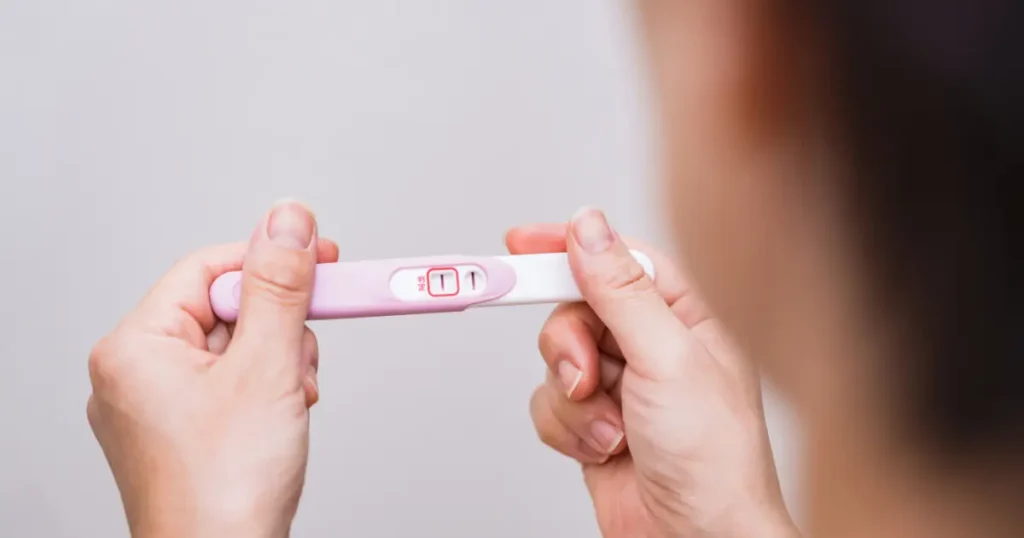
Downloading a fertility tracking app feels like a straightforward decision. You want to understand your cycle, identify your fertile window, and take control of your reproductive health. But asking whether ovulation apps are safe involves two separate questions that most people never think to separate: are they accurate enough to trust for fertility decisions, and are they private enough to trust with deeply personal health data? After spending years tracking my cycle and researching what actually happens to the data these apps collect, I can tell you both questions deserve a clear, honest answer. This guide covers everything you need to know before deciding which app to use and how to protect yourself while using it.
Understanding Ovulation Apps
Not all ovulation apps are created equal. Their functions, data collection practices, and privacy protections vary significantly across the market.
How Ovulation Apps Function
Ovulation tracking apps use menstrual cycle history, and in some cases additional data inputs, to predict fertile windows and ovulation timing. The most basic apps require only your period start dates and calculate a predicted ovulation day using average cycle length formulas.
More advanced apps integrate multiple data streams. Users can log basal body temperature (BBT), cervical mucus observations, ovulation predictor kit (OPK) results, and symptoms. Some apps connect via Bluetooth to wearable devices or smart thermometers to automate data collection. AI-enhanced apps learn individual cycle patterns over time, refining predictions with each logged cycle.
The FemTech market, which includes period trackers, ovulation predictors, and connected devices, has surged tenfold in the past decade and is projected to reach a value of 50 billion dollars by 2025. A third of American menstruating persons were already using period tracker or reproductive health apps as of 2019 according to a Kaiser Family Foundation study. These apps are mainstream health tools, used by millions of people making real fertility decisions.
The Data They Collect
The data these apps collect goes far beyond basic cycle dates. Fertility apps collect intimate data that consumers would only usually share with their partners, doctors, or very closest friends and family, including detailed information about menstrual cycles, pregnancies, health conditions, emotions, and sexual activities.
Specifically, apps may collect biometric identifiers including basal body temperature, cervical mucus consistency, and heart rate variability. They collect behavioral data such as sexual activity logs, contraceptive methods, and pregnancy test results. Location information can be linked to visits to clinics or healthcare providers. Personal identifiers including email addresses, device IDs, and in some cases GPS coordinates are also collected, often without users realizing it.
The reach of this data collection extends beyond the app itself in many cases. App developers may collect data through automated tracking tools called software development kits (SDKs), which run invisibly in the background and transmit data to third parties.
A Real-Life Context
Setting up a new cycle tracking app for the first time in Portland, Oregon felt invasive before I even started logging my first cycle. Three separate apps each requested location access, period flow data, sexual activity history, and integration with my health platform accounts. I had no idea at the time that saying yes to those permissions could mean my fertility data was being transmitted to advertising firms or analytics companies. Understanding what you are agreeing to before you grant those permissions is the first act of protecting yourself.
Privacy Risks of Ovulation Apps
Not all apps handle your data responsibly. The risks are specific, well-documented, and more serious than most users realize.
Data Sharing Practices
Sharing user data with third parties is routine across many fertility apps, but this process is far from transparent. Apps often bury data sharing disclosures in complex privacy policies that most users never read before downloading.
The most prominent documented case of fertility app data misuse involved the Premom ovulation tracking app. The FTC charged that Easy Healthcare, Premom’s developer, repeatedly and deceptively promised users in its privacy policies that it would not share their health information with third parties without users’ consent. In reality, Easy Healthcare shared users’ ovulation test results and GPS location data with two China-based analytics firms, and transmitted device identifiers to Google for targeted advertising. The FTC imposed a penalty and required Easy Healthcare to seek deletion of the data it had already shared.
A 2022 audit revealed that 78 percent of leading FemTech applications failed to obtain granular consent for data sharing. The majority of fertility apps start tracking users right after the app is opened, before there has been any user interaction with the privacy notice at all.
Data Breaches and Hacking
Around 85 percent of popular reproductive health apps lack explicit mention of security measures in their privacy policies, despite the sensitivity of the health data they collect. Furthermore, 61 percent of code vulnerabilities found across examined fertility apps were classified under the top-ten OWASP (Open Web Application Security Project) vulnerabilities, representing the most commonly exploited security weaknesses in software.
These technical vulnerabilities mean that sensitive fertility data, including conception dates, OPK results, and sexual activity logs, could be exposed in a data breach. Data from fertility apps has already been used in legal proceedings in recent cases in both Europe and the United States, compromising users’ privacy in ways that had real legal consequences.
Regulatory Gaps
Most consumer fertility apps fall outside the scope of HIPAA, the primary US health data privacy law. HIPAA covers healthcare providers, health plans, and their business associates. Consumer apps that people download independently fall outside that framework in most cases. December 2024 updates to HIPAA introduced new safeguards for reproductive health data, but these protections do not extend to non-HIPAA-regulated applications, leaving approximately 90 percent of FemTech products unaffected.
The European Union’s GDPR theoretically provides stronger protections through its “special category” provisions for health data, which prohibit processing without explicit consent. However, implementation has fallen short of the regulation’s promises in practice.
This regulatory gap means that the primary protection for users of fertility apps is not law. It is their own informed choices about which apps they use and what permissions they grant.
Are Ovulation Apps Safe to Use
Safety for fertility apps covers two distinct areas: privacy safety and accuracy safety. Both deserve honest assessment.
Accuracy Limitations
App-based fertile window predictions are estimates, not confirmed ovulation dates. Apps that use only cycle dates apply a formula to historical averages. They cannot detect real-time hormonal events or adapt to lifestyle disruptions in the current cycle.
Only about 30 percent of women have their actual fertile window at the time indicated by standard clinical guidelines. For the remaining 70 percent, the actual fertile window falls either earlier or later. Apps relying on calendar methods alone cannot capture this individual variation reliably.
A 2024 study found that some applications undercount ovulation days for women with PCOS, potentially leading to inaccurate guidance for a population where accurate tracking is particularly important. For users with irregular cycles, hormonal conditions, or significant lifestyle variation, simple calendar apps produce predictions with limited practical accuracy.
Potential Health Impacts
Relying exclusively on app predictions without biochemical confirmation from OPK strips or physical signs like cervical mucus observation can lead to missed fertile windows, especially in cycles affected by stress, illness, or travel. This matters most for people actively trying to conceive, where a missed fertile window represents a lost month.
Apps that give users false confidence in inaccurate predictions can also create mental health stress. If an app confidently shows a six-day fertile window and intercourse is timed accordingly but no conception occurs, users may assume a fertility problem when the issue is simply tracking inaccuracy.
Expert Opinion on App Safety
Ovulation apps can be useful, but users should combine them with LH tests, basal body temperature tracking, or medical guidance for reliability, says Dr. Jessica Shepherd, a Dallas, Texas-based board-certified OB-GYN and FACOG, founder of Sanctum Med and Wellness, Chief Medical Officer of Hers, and author of Generation M: Living Well in Perimenopause and Menopause. Dr. Shepherd completed her residency at Drexel University College of Medicine and a fellowship in Gynecologic Endoscopy and Minimally Invasive Surgery at the University of Louisville. She was previously Director of Minimally Invasive Gynecologic Surgery at the University of Illinois at Chicago, serves on the Advisory Board for Women’s Health Magazine and Women’s Health.org, and is a regular contributor on Good Morning America and The Today Show.
Her guidance reflects the evidence-based consensus: apps are most valuable as organizational and logging tools. Their predictions improve when paired with real-time biochemical data from OPKs and physical sign observation.
Comparing Popular Ovulation Apps on Safety and Privacy
Here is an expert overview of leading apps, their privacy positioning, and their key features based on current available information.
| App | Privacy Level | Data Sharing Practices | Notable Features |
|---|---|---|---|
| Clue | High | Minimal third-party sharing, no advertising-based model | Cycle tracking, BBT integration, symptom logging |
| Natural Cycles | High | GDPR compliant, FDA cleared | Certified digital contraceptive, BBT-based algorithm |
| Ovia | Medium | Some analytics data shared | Fertility insights, health log, pregnancy tracking |
| Flo | Medium | Some advertising data sharing, class-action history | Cycle predictions, AI health assistant, reminders |
| Glow | Lower | Shares data with partners | Community features, health statistics, fertility tips |
Note: Privacy practices may change. Always review the current privacy policy before downloading any app. This table reflects publicly available information as of 2025.
How to Protect Your Privacy While Using Apps
Even if an app is not perfect, you can take specific steps to reduce your data exposure meaningfully.
Choose Apps With Strong Privacy Policies
Read the privacy policy before downloading, not after. Look for explicit statements about data sharing with third parties and advertising. GDPR compliance, for European-based apps, is a meaningful signal of stronger data protection standards. FDA clearance, as Natural Cycles has, indicates a higher level of regulatory accountability than unregulated apps.
Avoid apps whose privacy policies state that collected data is non-identifiable when it clearly includes biometric and location data. The Premom case demonstrated exactly how misleading such claims can be in practice.
Apps that offer local storage options, keeping your data on your device rather than in cloud servers, give you significantly more control over your own health information.
Limit Sharing and Permissions
When you first open a new app, review every permission request individually. Deny location access unless the app has a clear, specific reason to need it. Opt out of analytics or data sharing features in settings where those options exist. Disable integration with advertising networks if the option is available.
Connecting a fertility app to other health platforms like Apple Health or Google Fit can be convenient but expands the number of parties with access to your data. Evaluate whether the convenience is worth the additional sharing.
Use Strong Passwords and Secure Devices
Enable two-factor authentication on any app or account connected to your fertility data. Use a unique password not shared with other accounts. Keep your phone operating system and all apps updated, as security patches address newly discovered vulnerabilities. Enable screen lock on your phone so your data is not accessible if your device is lost.
A Real-Life Tip
Switching to an app that stores cycle data locally on my phone rather than syncing it to cloud servers made an immediate difference to how I felt about tracking. The cycle data stayed mine. I did not need to worry about a breach I never heard about exposing information I had logged years ago. That peace of mind, combined with still using OPK strips for real-time confirmation, gave me both the functional tracking I needed and a level of data control I could trust.
Security Best Practices for Fertility Data
Beyond choosing the right app, how you manage your data across all platforms matters.
Regularly Audit Your Apps
Review app permissions on your phone every few months. Go to your phone settings and check which apps have access to your location, health data, contacts, and camera. Revoke permissions that no longer make sense. Delete apps you no longer use, since inactive apps may still collect data in the background on some platforms.
Backup Locally Instead of Cloud
If you keep a detailed cycle log, BBT chart, or symptom journal, store backups in a password-protected file on your device rather than uploading them to cloud storage tied to your name and email. Password manager apps can encrypt sensitive notes securely.
Avoid Sharing Screenshots
Screenshots of cycle data, pregnancy tests, or fertility tracking results shared on social media or in messages can leak information in ways that are hard to control or retract. Be mindful of sharing even screenshots that feel routine, especially in states or countries where reproductive health data carries legal implications.
Common Misconceptions About Ovulation Apps
Several widespread beliefs about fertility apps need direct correction.
“All Apps Are Private”
Privacy levels vary very widely across fertility apps. Some apps have robust privacy protections, minimal data sharing, and clear policies. Others share sensitive health data with advertisers, third-party analytics firms, and partners without adequate disclosure. The Premom enforcement action and the documented 78 percent non-compliance rate with granular consent requirements show that assuming privacy is incorrect. Always verify before trusting.
“Apps Are 100 Percent Accurate”
Apps generate estimates, not guarantees. They apply historical cycle averages to predict future ovulation. Real-time hormonal variation, PCOS, thyroid conditions, stress, illness, and travel all affect actual ovulation timing in ways calendar algorithms cannot account for. Treating app predictions as exact ovulation dates rather than as starting estimates leads to missed fertile windows.
“Data Is Safe in the Cloud”
Cloud storage can be compromised through data breaches, third-party access through SDK integrations, and legal subpoenas. Fertility data has already been subpoenaed in legal proceedings. On-device processing, which stores sensitive health data locally rather than in cloud servers, offers meaningfully stronger protection than cloud-based storage for this category of information.
Misconceptions Reference Table
Here is a clear summary of the most common fertility app misconceptions and how to address each one.
| Misconception | Reality | Action to Take |
|---|---|---|
| All apps are private | Privacy levels vary widely; many share data | Read the privacy policy; choose high-privacy apps |
| Apps are 100% accurate | Predictions are estimates, not confirmed dates | Combine with OPK strips and cervical mucus tracking |
| Cloud storage is always secure | Breaches and third-party access are documented risks | Use apps with local storage options where available |
| My data is anonymous | Many apps collect personally identifiable information | Limit permissions and audit app settings regularly |
Tips for Safe and Private Fertility Tracking
A combined strategy of smart app choice, real-time tracking methods, and active data management gives you both accuracy and protection.
Combine App Use With Physical Tracking
Use your app to log cycle history and visualize patterns across months. Use OPK test strips to detect the actual LH surge in real time. Observe cervical mucus daily for the free physical sign that responds to your actual estrogen levels. Add BBT tracking to confirm the post-ovulatory thermal shift. This combined approach gives you the accuracy that apps alone cannot provide while reducing your reliance on any single digital platform.
Choose Apps Wisely
Prefer apps that explicitly state they do not sell user data, store data locally on the device, and are either GDPR compliant, FDA cleared, or both. Clue and Natural Cycles have consistently stronger privacy reputations based on their business models and documented practices than ad-supported alternatives.
Research your app before downloading. Search the app name alongside “privacy policy” and “data sharing” to see if there have been any documented complaints, FTC actions, or class-action lawsuits.
Protect Your Data
Use strong passwords unique to your fertility app account. Enable two-factor authentication. Audit app permissions every few months. Revoke location access that is not functionally necessary. Back up your cycle data in a password-protected local file rather than relying solely on cloud storage.
A Real-Life Example
Using a private app alongside LH testing changed everything about how I felt tracking my cycle. The app organized my data over months. The OPK strips gave me confirmed biochemical detection each cycle. My data stayed on my phone through local storage. I felt in control of both my cycle information and my personal data at the same time. That combination is achievable for anyone who makes intentional choices rather than accepting default settings.
QA About Ovulation App Safety
Are My Ovulation App Logs Truly Private?
Only if the app follows strong privacy standards and does not share data with third parties. The safest apps store data locally on your device, have a clear policy against selling user data, and are regulated under GDPR or other strong privacy frameworks. Always read the current privacy policy rather than assuming protection by default.
Can Ovulation Apps Be Hacked?
Yes. Like any platform that stores data online, fertility apps are vulnerable to data breaches if their servers are not adequately secured. Research found that 61 percent of code vulnerabilities in examined fertility apps fell into the highest-risk OWASP categories. Choosing apps with strong stated security practices and using local storage reduces but does not eliminate this risk.
Should I Rely on Apps Alone for Fertility Tracking?
No. Apps are most useful as organizational tools that log data and identify cycle-level patterns over months. They do not replace the real-time biochemical detection that OPK strips provide, or the post-ovulatory confirmation that BBT tracking gives. Combining app logging with OPK testing and physical sign observation produces the most reliable fertile window identification available at home.
How Can I Identify a Safe App?
Look for GDPR compliance, FDA clearance where applicable, a clear policy against selling user data, and the option for local rather than cloud-only data storage. Search the app name for any documented FTC actions or class-action lawsuits. Read the permissions the app requests at installation and decline any that are not functionally necessary for cycle tracking.
Practical Takeaways
Informed app choices and active privacy management make fertility tracking both accurate and safer.
Prioritize Privacy
Treat your fertility data as you would any sensitive health information. Review privacy policies before downloading. Limit permissions at installation. Audit and revoke unnecessary access regularly. Choose apps whose business model does not depend on selling user data to advertisers.
Combine Tracking Methods
Use apps for logging and pattern recognition. Use OPKs for real-time LH surge detection. Use BBT and cervical mucus observation for physical confirmation. Each method contributes something the others cannot.
Be Mindful of Data Security
Use strong, unique passwords. Enable two-factor authentication. Keep apps updated. Back up cycle data locally. Avoid sharing screenshots of sensitive health information. These practical steps significantly reduce the risk of your personal reproductive health data reaching parties you never intended to share it with.
A Personal Reflection
The day I switched from an ad-supported app with a vague privacy policy to one with local storage and clear data practices felt genuinely empowering. Tracking my cycle became something I did for myself, with data that stayed mine. That combination of accurate tracking and data privacy is not difficult to achieve. It just requires asking the right questions before hitting download.
Balancing App Convenience and Privacy
Ovulation apps are genuinely useful tools. They organize your cycle data, identify long-range patterns, and make the logistics of tracking much easier. But privacy and accuracy vary significantly across the app landscape, and the risks are real and well-documented. Combining smart app choices with secure practices and real-life physical tracking methods is the approach that gives you both the fertility insight you need and the data protection you deserve.
Final Recommendation
Deciding whether ovulation apps are safe comes down to which app you choose and how you use it. From personal experience and from studying the research thoroughly, the clearest advice is this: choose an app with a verified strong privacy policy, ideally one that stores data locally on your device and does not fund itself through advertising or data sales. Clue and Natural Cycles are consistently better documented options than many ad-supported alternatives.
Before downloading any app, search its name alongside the words “privacy” and “FTC” to check for any enforcement actions or documented data misuse. Once you have chosen an app, immediately audit its permissions and revoke location access unless it has a genuinely specific need for it. Combine your app with OPK test strips for biochemical ovulation confirmation and daily cervical mucus observation so you are not relying on algorithmic predictions alone for fertility decisions.
Back up your cycle data in a password-protected local file in addition to whatever the app stores. Finally, if you are trying to conceive and have been tracking consistently for three to six months without a clear fertile window pattern, take your organized app data to a gynecologist. That documentation makes the conversation immediately productive and gives your provider a valuable head start.
FAQs
Are ovulation apps safe to use?
Ovulation apps are generally safe to use for tracking cycles. They store personal data, so choose trusted ovulation apps with clear privacy policies.
How accurate are ovulation apps safe for predicting ovulation?
Ovulation apps safe for basic estimates, but accuracy can vary. They rely on past data, so results may not match exact ovulation timing.
Do ovulation apps safe for privacy and data security?
Most ovulation apps safe offer encryption and privacy settings. Still, review app policies and avoid sharing sensitive data without checking terms.
Can ovulation apps safe help with pregnancy planning?
Yes, ovulation apps safe can help identify fertile windows. They work best when combined with other methods like ovulation test kits or symptom tracking.
Are free ovulation apps safe compared to paid ones?
Free ovulation apps safe can be useful, but features may be limited. Paid versions often include extra tools and more detailed tracking options.
Do doctors recommend ovulation apps safe for tracking cycles?
Doctors often consider ovulation apps safe as a helpful tool. They are best used alongside medical advice for more accurate reproductive insights.
What should I check before choosing ovulation apps safe?
Before using ovulation apps safe, check reviews, data privacy, and features. Pick apps that are simple, reliable, and easy to update with daily inputs.