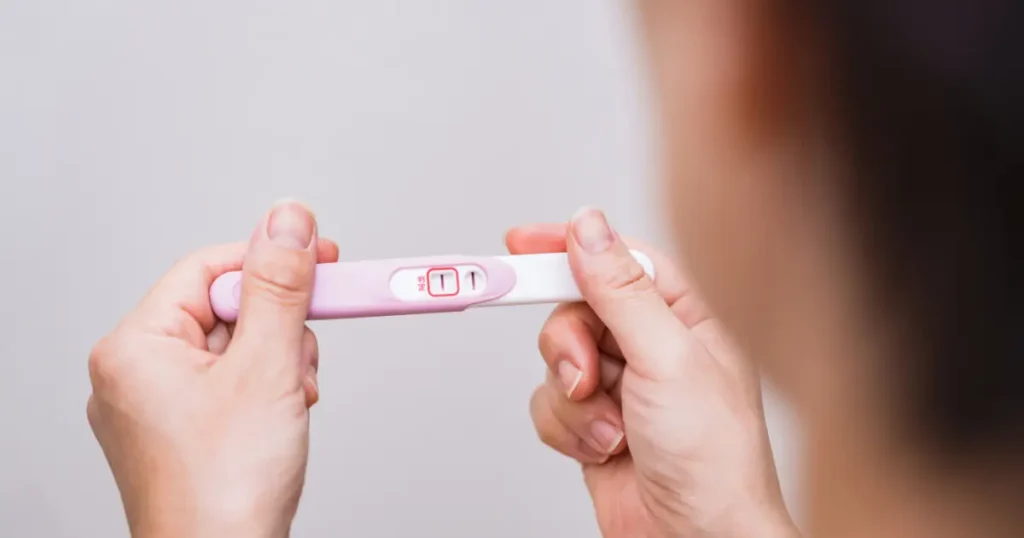

Starting the journey to boost fertility naturally was one of the most meaningful shifts I ever made in how I approached my own health. Nobody handed me a clear roadmap. I figured it out piece by piece, reading research, adjusting habits, and learning to pay closer attention to what my body was doing each week. The honest truth is that natural fertility is not a single switch you flip. It is a system of habits working together: what you eat, how you sleep, how you manage stress, and how well you understand your own cycle. This guide breaks all of it down in plain language, with real evidence behind every suggestion.
What Does It Mean to Boost Fertility Naturally
Natural fertility is your body’s ability to conceive without medical intervention. But understanding it means looking at the full picture, not just one factor.
Simple Definition of Natural Fertility
Natural fertility is the capacity to achieve and sustain a pregnancy through the body’s own hormonal and reproductive processes. It depends on consistent ovulation, healthy egg quality, a receptive uterine environment, and a balanced hormonal system. All of these are influenced by daily habits more than most people realize.
A healthy lifestyle, including a balanced, nutrient-rich diet, regular physical activity, adequate sleep, and mental wellbeing along with optimal metabolic and reproductive health, supports women’s health. That sentence from a 2024 Lancet review is as clear a summary of the science as you will find. Every element on that list is within your control.
Why Natural Methods Matter
Natural approaches to fertility support long-term reproductive health. They address root causes rather than symptoms. For most people, they are the right first step before considering medical treatment.
They also reduce the psychological pressure that comes with fertility challenges. Building healthy daily habits restores a sense of agency. You feel like you are doing something meaningful every day. That shift in mindset has its own value, separate from the physical benefits.
Making healthy lifestyle choices to protect fertility includes not smoking, staying at a healthy weight, managing stress, and avoiding night shift work when possible. According to Mayo Clinic, these are evidence-based, practical steps that support reproductive health.
A Real-Life Context
For me, it started small. Drinking more water. Going to bed at the same time each night. Adding leafy greens to meals I already enjoyed. None of those changes felt dramatic. But slowly, things began to feel more in sync. My cycle became more predictable. My energy steadied. Also, My tracking data started showing clearer patterns. Small steps built into something real over two to three months. That is how natural fertility support works in practice.
Key Factors That Affect Fertility
Fertility is not one thing. It is a system. Multiple factors interact, and improving one area supports the others.
Hormonal Balance
Estrogen, progesterone, LH, FSH, prolactin, and thyroid hormones all play specific roles in the reproductive cycle. Estrogen drives follicle development and cervical mucus changes. Progesterone supports the luteal phase and uterine lining. The LH surge triggers ovulation. When any of these hormones fall out of range, the cycle becomes irregular and ovulation may be affected.
Thyroid health deserves special mention. Both hypothyroidism and hyperthyroidism can disrupt cycle regularity and ovulation quality. If your cycles are consistently irregular without a clear lifestyle reason, a thyroid blood panel is one of the first tests worth requesting.
Ovulation Health
Regular, consistent ovulation is the foundation of natural fertility. Without it, conception is not possible. Ovulatory dysfunction is responsible for approximately 25 to 30 percent of female infertility cases, making it one of the most common fertility challenges.
Tracking ovulation through cervical mucus observation, BBT monitoring, and OPK testing helps you confirm whether ovulation is occurring and when. Three cycles of consistent tracking data gives you a clear picture of your ovulatory pattern.
Lifestyle and Environment
Diet, sleep, stress, and daily routine all feed directly into the hormonal system that governs the cycle. Psychosocial stressors, diet, and other potentially modifiable lifestyle factors have been shown to influence the hypothalamic pituitary gonadal axis, reproductive hormone concentrations, anovulation, and other endocrine and metabolic pathways critical for reproductive health.
Your environment matters too. Exposure to environmental toxins, endocrine-disrupting chemicals in plastics and personal care products, and chronic low-grade inflammation all affect hormonal health over time. Reducing exposure where possible is a worthwhile layer of natural fertility support.
Fertility Factors Overview
Here is a clear view of the key areas that affect natural fertility and where to focus your efforts.
| Factor | Role in Fertility | Common Issue | Improvement Focus |
|---|---|---|---|
| Hormones | Regulate ovulation and cycle timing | Imbalance from stress, diet, or medical conditions | Nutrition, sleep, stress reduction |
| Ovulation | Core reproductive event | Irregular or absent ovulation | Cycle tracking, lifestyle optimization |
| Nutrition | Supports hormone production and egg quality | Deficiencies, processed food intake | Whole foods, balanced macronutrients |
| Sleep | Regulates reproductive hormones | Poor or inconsistent sleep | Consistent sleep schedule, 7 to 9 hours |
| Stress | Affects HPO axis and ovulation timing | Chronic elevated cortisol | Mindfulness, light movement, routine |
| Body weight | Influences estrogen production and insulin | Too low or too high BMI | Sustainable, nutrient-dense approach |
Best Natural Ways to Boost Fertility
Small changes produce real results over time. These are the methods with the strongest evidence behind them.
Eat a Fertility-Friendly Diet
Food is the most direct daily input into your hormonal system. A Mediterranean-style diet that follows nutrient-dense eating patterns has been linked to better fertility outcomes, with higher fish intake, leafy greens, whole grains, healthy fats, lean protein, and antioxidant-rich foods.
Antioxidants protect egg cells from oxidative stress. Folate supports cell division and is critical in the early days of pregnancy. Omega-3 fatty acids support follicle development and reduce inflammation. Iron supports ovulation directly: research from the long-running Nurses’ Health Study found that women who consumed non-heme iron from plant sources had lower rates of ovulatory infertility.
Insulin sensitivity matters for ovulation. Research from 2020 found that a diet higher in fiber and lower in added sugar may slightly increase female fertility. High insulin levels can suppress reproductive hormones by mimicking ovarian hormones and causing the body to reduce them.
Reduce processed foods, refined carbohydrates, and trans fats. These contribute to insulin resistance and inflammation. Both interfere with the hormonal environment that healthy ovulation depends on.
Maintain a Healthy Weight
Body weight directly affects estrogen production and ovulation. Fat tissue converts androgens to estrogen. Too little body fat lowers estrogen. Too much raises it in a way that disrupts the cycle. Both extremes impair ovulation.
Being too overweight or too underweight can keep you from releasing eggs, called ovulation, and having regular cycles. A sustainable, nutrient-rich approach to weight is far more effective for fertility than crash diets or extreme restriction, both of which can worsen hormonal disruption.
Research from Frontiers in Endocrinology (2024) found that reduced-calorie diets and exercise interventions in women were more likely to result in pregnancy (risk ratio 1.59, 95% CI 1.01 to 2.50), primarily through the mechanisms of weight loss and improved ovulation. Gradual, consistent progress works. Rapid weight loss does not.
Improve Sleep Quality
Sleep is one of the most underrated fertility factors. Sleep deprivation can significantly disrupt the delicate balance of reproductive hormones in both men and women. For women, this can affect regular menstrual cycles and ovulation.
Melatonin, produced during sleep, has antioxidant properties that protect developing follicles. Consistent, adequate sleep also supports the HPO axis that governs the entire reproductive hormone cascade. Even shifting from six to eight hours per night can improve cycle regularity within one to two months.
Creating an environment for healthy sleep involves setting a consistent sleep schedule, aiming for at least seven to eight hours nightly, keeping bedroom temperature between 60 and 67 degrees Fahrenheit, and avoiding blue light from electronics one to two hours before bed.
Stay Physically Active
Moderate, regular exercise supports hormonal balance, insulin sensitivity, and overall reproductive health. Walking, yoga, swimming, and cycling all support fertility when practiced consistently and at a reasonable intensity.
The caution is at the extreme end. Fertility disturbances linked to high-intensity physical activity stem not solely from the quantity of physical activity but rather from an imbalance between energy expenditure and intake. This imbalance can lead to Relative Energy Deficiency in Sport, which disrupts sex hormone levels, causes anovulatory cycles, and induces amenorrhea, ultimately impairing fertility.
The goal is consistent moderate movement, not peak athletic performance. Thirty minutes of walking most days of the week is genuinely beneficial for fertility. Doubling daily training volume while cutting calories is not.
Foods That Help Improve Fertility
Food choices affect fertility more directly than most people expect. Here is a practical guide to the most beneficial options.
| Food Type | Fertility Benefit | Everyday Examples |
|---|---|---|
| Healthy fats | Support hormone production, follicle development | Avocado, nuts, olive oil, salmon |
| Lean protein | Cell growth, hormone building blocks | Eggs, fish, legumes, chicken |
| Iron-rich foods | Support ovulation, blood health | Spinach, lentils, fortified cereals |
| Antioxidant-rich foods | Protect egg quality from oxidative stress | Berries, citrus fruits, dark leafy greens |
| Whole grains and fiber | Improve insulin sensitivity | Oats, quinoa, brown rice, beans |
| Omega-3 sources | Reduce inflammation, support follicle health | Fatty fish, walnuts, flaxseed |
How to Track Fertility Naturally Using Tools
Tracking gives clarity. Without it, you are guessing.
Track Your Menstrual Cycle
Start by recording the first day of each period for three to six consecutive months. Count the days between each period start date. That is your cycle length. After three to six cycles, calculate your average.
Knowing your average cycle length tells you roughly when to expect ovulation (subtract 14 from your cycle length). It also reveals whether your cycles are consistent or variable, which is itself meaningful information about your hormonal health.
Monitor Ovulation Signs
Cervical mucus observation is the most accessible real-time fertility sign you have. Check texture and appearance daily from the end of your period. The shift from dry or creamy to clear and stretchy marks the approach of your fertile window.
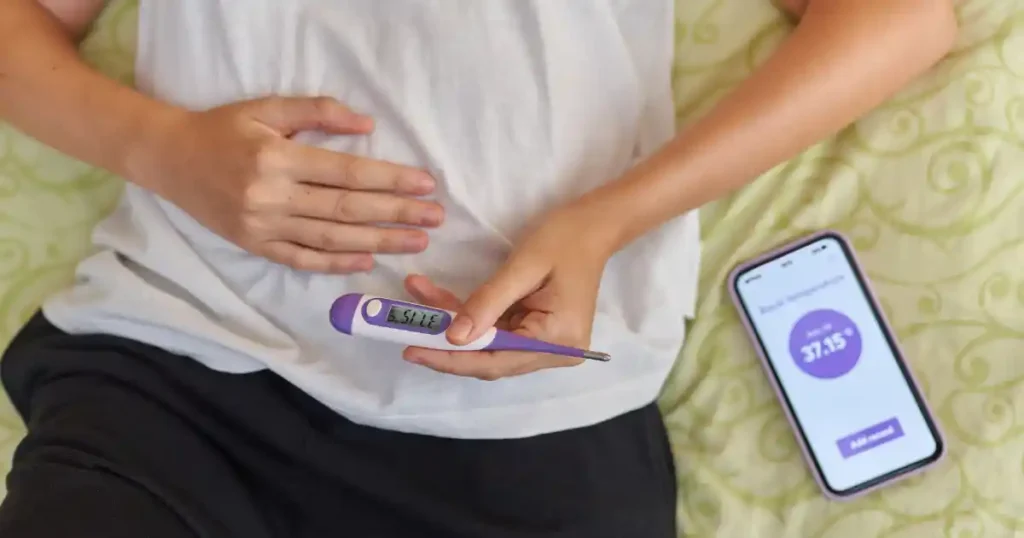
Basal body temperature (BBT), taken every morning before getting up, confirms ovulation after the fact. A sustained rise of 0.2 to 0.5 degrees indicates ovulation has occurred. Tracking both mucus and BBT together gives you prediction and confirmation in the same cycle.
Use Fertility Tracking Tools
Ovulation calculators use your average cycle length to estimate your fertile window. They are a starting point, not a confirmed answer. OPK test strips detect the LH surge that precedes ovulation by 24 to 48 hours. Cycle tracking apps like Clue and Flo log all your data in one place and show patterns over multiple months.
Used together, these tools give a layered picture of your fertility that no single method can provide alone.
Natural Fertility Tracking Tools Comparison
Different tools serve different needs. Here is a quick reference for choosing the right combination.
| Tool Type | Accuracy | Ease of Use | Cost | Best For |
|---|---|---|---|---|
| Calendar tracking | Medium | Easy | Free | Beginners, regular cycles |
| OPK test strips | High | Easy | Low to medium | Identifying LH surge |
| BBT thermometer | High | Medium | Very low | Confirming ovulation |
| Cycle tracking apps | Medium | Very easy | Free or paid | Logging and pattern tracking |
| Hormone fertility monitor | Very high | Easy | High | Irregular cycles, detailed data |
Lifestyle Changes That Improve Fertility
Sometimes the biggest shifts come from the simplest daily adjustments.
Reduce Stress Levels
Chronic stress elevates cortisol, which suppresses the hypothalamic signals needed to trigger ovulation. The HPO axis is directly sensitive to sustained cortisol elevation. A high-stress month can delay ovulation by days or even prevent it entirely in that cycle.
Meditation, quiet walks, gentle yoga, and simple breathing practices all reduce cortisol without requiring major lifestyle upheaval. Even five to ten minutes of focused breathing daily has measurable effects on stress hormone levels. The goal is not to eliminate all stress. It is to reduce the sustained elevation that disrupts hormonal function.
Avoid Harmful Substances
Smoking is one of the clearest fertility risks. Tobacco use is a major fertility risk for both men and women, harming egg quality, sperm DNA, and implantation. Alcohol, especially in excess, can interfere with ovulation and lower testosterone levels.
High caffeine intake, typically above 200 to 300 mg per day, has been associated with longer time to conception in some studies. Moderate caffeine intake appears to have minimal impact, but reducing intake while trying to conceive is a low-risk adjustment.
Endocrine-disrupting chemicals found in some plastics (BPA), certain pesticides, and some personal care products can interfere with hormone function over time. Choosing glass or stainless steel for food storage, eating more organic produce, and choosing personal care products with cleaner ingredient lists are practical, low-friction steps.
Build a Consistent Routine
The hormonal system that drives ovulation is circadian. It is calibrated to consistent daily timing. Eating at the same times each day stabilizes blood sugar and insulin. Sleeping and waking at the same times anchors the hormonal rhythm that governs your cycle.
Consistency is not the same as perfection. You do not need a flawless routine. You need a regular enough one that your body’s hormonal patterns can stabilize. Even two to three weeks of consistent sleep timing can improve cycle regularity for people whose cycles have been irregular.
Expert Advice on Boosting Fertility Naturally
“Fertility improves when you support your body consistently, not perfectly,” says Dr. Mark Hyman, a Lenox, Massachusetts-based MD, fifteen-time New York Times bestselling author, and founder of The UltraWellness Center. Dr. Hyman is the founder and senior advisor for the Cleveland Clinic Center for Functional Medicine, Board President for Clinical Affairs at the Institute for Functional Medicine, and co-founder and Chief Medical Officer of Function Health, with The Doctor’s Farmacy podcast surpassing 250 million downloads.
His core message resonates with what the research on natural fertility consistently shows: no single intervention is enough. Long-term, consistent support across multiple areas, diet, sleep, stress, and tracking, produces cumulative improvements that individual changes alone cannot.
It is worth noting that fertility-specific concerns should always involve a reproductive health professional. General lifestyle improvements support hormonal health broadly. When specific medical conditions like PCOS or thyroid dysfunction are involved, medical guidance is an essential complement to lifestyle habits.
What Experts Recommend
The evidence consistently supports a multi-pronged approach. Improve diet. Stabilize sleep. Reduce sustained stress. Track your cycle. Do not try to change everything at once.
Focus on long-term habits rather than quick fixes. The egg that will be ovulated in three months is developing right now. That is a relevant timeline for understanding why consistent nutrition, sleep, and stress habits matter today, even before conception feels immediately close.
Avoid over-tracking and over-optimizing. Obsessive focus on every cycle detail raises cortisol and adds the very stress it is trying to manage. Check what you need to check. Log what is meaningful. Then let the data accumulate.
A Real-Life Tip
Some weeks you do everything right. Balanced meals, early bedtime, daily walks, consistent tracking. Some weeks you do not. Work gets chaotic. Sleep slips. The salad is replaced by whatever is easiest. Progress still happens. Your body responds to the overall pattern of your habits over months, not to any single perfect week. Keep going. Consistency over time is what creates change.
Common Mistakes That Can Hurt Fertility
Avoiding these saves time and reduces unnecessary frustration.
Ignoring Ovulation Timing
Many people focus entirely on nutrition and lifestyle habits without ever tracking when ovulation occurs. Those habits matter deeply, but if intercourse is not timed within the six-day fertile window, the biological window for conception stays closed.
Timing matters as much as preparation. Both need to be in place together.
Overtracking or Stressing Too Much
Fertility tracking is genuinely useful. But there is a version of it that becomes harmful. Checking apps ten times a day. Catastrophizing a flat BBT chart. Feeling panic every time an OPK reads negative. That level of stress raises cortisol and disrupts the very hormonal system you are trying to support.
Track what gives you useful information. Log it once. Then let it go for the day. The data builds over cycles. You do not need to solve it in one afternoon.
Expecting Instant Results
Natural fertility support works over months, not days. Egg maturation takes approximately 90 days. That means the nutritional and lifestyle choices you make today affect the quality of the egg that ovulates three months from now. Improvements to cycle regularity often take two to three months to show up clearly in your tracking data.
One month of good habits followed by discouragement is not enough time. Give yourself three full cycles of consistent effort before evaluating results.
How Long Does It Take to Improve Fertility Naturally
This is one of the most commonly asked questions, and one of the most misunderstood.
Short-Term Changes in One to Three Months
Within the first one to three months of consistent lifestyle changes, most people notice improved energy, better sleep quality, and greater cycle awareness from tracking. Some notice their cycles becoming more predictable. Stress levels often improve noticeably within the first four to six weeks of consistent sleep and stress management practices.
These early changes are real and meaningful. They reflect hormonal stabilization happening in real time.
Medium-Term Changes in Three to Six Months
By three to six months, clearer ovulation patterns typically emerge in tracking data. Cervical mucus quality often improves with better nutrition and hydration. BBT charts become more biphasic and easier to read. Cycle lengths move toward greater consistency.
Most changes like improving diet or quitting smoking can start impacting fertility within three to six months. Every body is different, and consistency is the key. This is the timeline to hold in mind as you build your habits.
Long-Term Results Beyond Six Months
Beyond six months of consistent natural fertility support, the cumulative effect on egg quality, hormonal balance, and cycle regularity is at its strongest. This is when the lifestyle foundation built in earlier months pays off most clearly in reproductive outcomes.
For those trying to conceive, the six-to-twelve month window is also the standard guideline for seeking medical evaluation if natural methods have not resulted in pregnancy. Natural and medical approaches are not mutually exclusive. Most fertility specialists recommend continuing lifestyle improvements alongside any medical treatment.
When Natural Methods May Not Be Enough
Sometimes extra support is needed. That is not a failure. It is a practical next step.
Signs You Should Seek Medical Help
Consistently irregular cycles, confirmed anovulation through tracking, or cycles absent for three or more months without pregnancy are all signals to seek care. If you have been trying to conceive for more than a year, or six months if over age 35, it may be time to consult a fertility specialist.
Other signs worth acting on promptly include severe pelvic pain, very heavy periods, or a sudden significant change in previously regular cycles. These can indicate underlying conditions like endometriosis, fibroids, PCOS, or thyroid dysfunction that respond best to earlier diagnosis.
Combining Natural and Medical Approaches
Natural fertility support and medical treatment are not competing strategies. They work better together. The lifestyle habits that support natural fertility also improve the outcomes of fertility treatments. Better egg quality, improved insulin sensitivity, and lower inflammation all contribute to better treatment results.
Bringing three to six months of cycle tracking data to a fertility consultation gives your doctor a clear, organized picture of your cycle patterns. That information helps guide diagnosis and treatment decisions far more effectively than arriving without data.
Fertility Common Questions
What Is the Fastest Way to Boost Fertility Naturally?
There is no overnight fix. The fastest improvements typically come from addressing the most impactful factors first: sleep quality, diet, and cycle tracking. Improving sleep consistency and nutrition together produces measurable hormonal improvements within four to eight weeks for most people. Tracking your cycle simultaneously gives you the data to confirm whether those improvements are showing up in your ovulatory patterns.
Can Stress Affect Fertility?
Yes, significantly. Chronic stress elevates cortisol, which suppresses GnRH and reduces the hormonal signaling needed for regular ovulation. Acute stress can delay a single ovulation by days. Sustained high-stress periods can prevent ovulation across multiple cycles. Managing stress is not a nice-to-have in natural fertility support. It is a core component.
Do Natural Methods Really Work?
Yes, especially over time and with consistency. The evidence is clear that diet quality, body weight, sleep, exercise intensity, and substance use all affect fertility outcomes in measurable ways. Natural methods work best when multiple factors are addressed together rather than one change made in isolation.
How Can I Boost Ovulation Naturally?
The most effective natural strategies for supporting regular ovulation include maintaining a healthy weight, eating a nutrient-dense diet with adequate healthy fats and iron, getting consistent sleep, reducing chronic stress, and avoiding extreme exercise or severe calorie restriction. Tracking your cycle with OPKs and BBT confirms whether ovulation is occurring and helps you identify if lifestyle adjustments are improving your pattern.
Does Age Affect Natural Fertility?
Yes. Ovarian reserve and egg quality both decline gradually with age. The rate of decline accelerates after the mid-thirties. Natural fertility support remains beneficial at any age, but the timeline for seeing results and the likelihood of achieving pregnancy without medical intervention become more constrained with advancing age. Anyone over 35 who has been trying to conceive for six months without success should seek medical evaluation promptly rather than waiting the full twelve months.
Practical Daily Tips to Boost Fertility
Consistency with simple habits produces the clearest long-term results.
Build Simple Daily Habits
Eat balanced meals with whole foods at consistent times. Include a protein source, vegetables, and a healthy fat at each meal. Stay well hydrated. Women need approximately nine cups of fluid daily, with more needed during exercise or in warm climates.
Sleep at the same time each night. Aim for seven to nine hours. Keep your bedroom cool and dark. Avoid screens for the hour before bed. These are not complicated steps. Done consistently, they create a hormonal environment that supports regular ovulation.
Stay Consistent, Not Perfect
The most important thing I can tell you is this: consistency beats perfection every time. One perfect week followed by two chaotic ones produces far less hormonal change than three solid, reasonable months of mostly good habits.
Pick the smallest version of each habit that you can actually maintain every day. A ten-minute walk is better than a gym session you only do once. One extra serving of vegetables is better than a complex meal plan you abandon after five days. Simplicity and repetition build the foundation.
A Personal Reflection
Some days feel easy. Breakfast is balanced. Sleep is solid. The tracking is consistent. Other days feel heavy and hard to manage. Both are part of the same journey. Your body is not keeping score on the bad days. It responds to the overall pattern of how you treat it over weeks and months. Keep going. The effort accumulates. And when it starts to show in your data, it is genuinely encouraging.
Support Your Body, Improve Fertility Naturally
Boosting fertility naturally is not about doing everything perfectly. It is about understanding your body well enough to support it consistently. Diet, sleep, stress management, healthy weight, and cycle tracking work as a system. Improve one and it helps the others. Build all five and the cumulative effect is real.
Give yourself at least three months of consistent effort before evaluating results. Your hormonal system responds to patterns over time, not single weeks. Stay curious, stay consistent, and trust that your body responds to care.
Final Recommendation
The decision to boost fertility naturally is one of the most empowering steps you can take for your reproductive health. From my own experience, the clearest results come from addressing multiple lifestyle factors at the same time rather than focusing on just one. Start with the two highest-impact habits: consistent sleep of seven to nine hours per night and a Mediterranean-style diet rich in vegetables, healthy fats, lean protein, and antioxidants. Add cycle tracking with cervical mucus observation and OPKs so you have real data on your ovulatory patterns. Reduce or eliminate smoking.
Manage chronic stress through simple daily practices like walking, breathing, or quiet time. Then give your body three to six months to respond. Most lifestyle-driven changes produce measurable improvements in cycle regularity and ovulation quality within that window. If after six months of consistent natural fertility support, ovulation is still irregular or conception has not occurred, book an appointment with a gynecologist or reproductive endocrinologist. Bring your cycle tracking data. Natural habits and medical care are not competing strategies. They work best together.
FAQs
What does it mean to boost fertility naturally?
To boost fertility naturally means improving your chances of pregnancy with healthy habits. It focuses on diet, sleep, and lifestyle changes.
How can I boost fertility naturally at home?
You can boost fertility naturally by eating well, staying active, and managing stress. Small daily habits can support hormone balance.
Does diet help boost fertility naturally?
Yes. A balanced diet with fruits, vegetables, and healthy fats can support fertility. Good nutrition helps your body function better.
Can exercise boost fertility naturally?
Moderate exercise can help improve fertility. It supports weight balance and hormone health, but avoid overtraining.
How does stress affect fertility?
High stress can affect hormones and delay ovulation. Managing stress may help boost fertility naturally over time.
Can sleep improve fertility naturally?
Yes. Good sleep supports hormone balance and overall health. Aim for consistent and restful sleep each night.
How long does it take to boost fertility naturally?
Results can vary. It may take a few months to see changes, so consistency is key when building healthy habits.