Living with irregular cycles for years before understanding what was actually happening felt genuinely disorienting. Some months my period showed up on schedule. Others, I was left waiting with no clear sense of when it would arrive or why it was late. Once I started tracking carefully and learning the underlying causes, the picture became much clearer. Irregular cycles are far more common than most people realize, and understanding them is the first step toward managing them effectively. This guide covers the causes, the impact on fertility tracking, the best tools to use, and the practical steps that actually help.
What Are Irregular Cycles
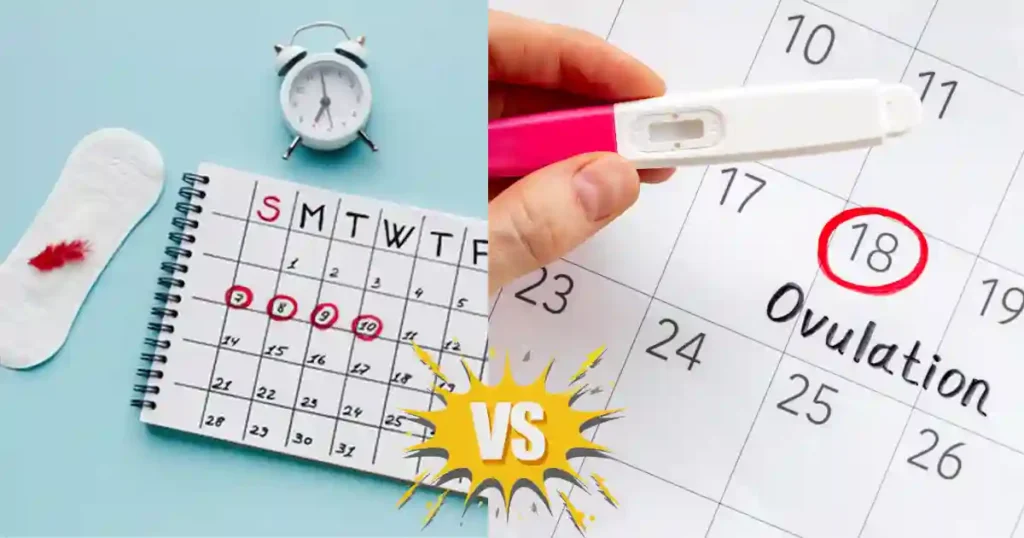
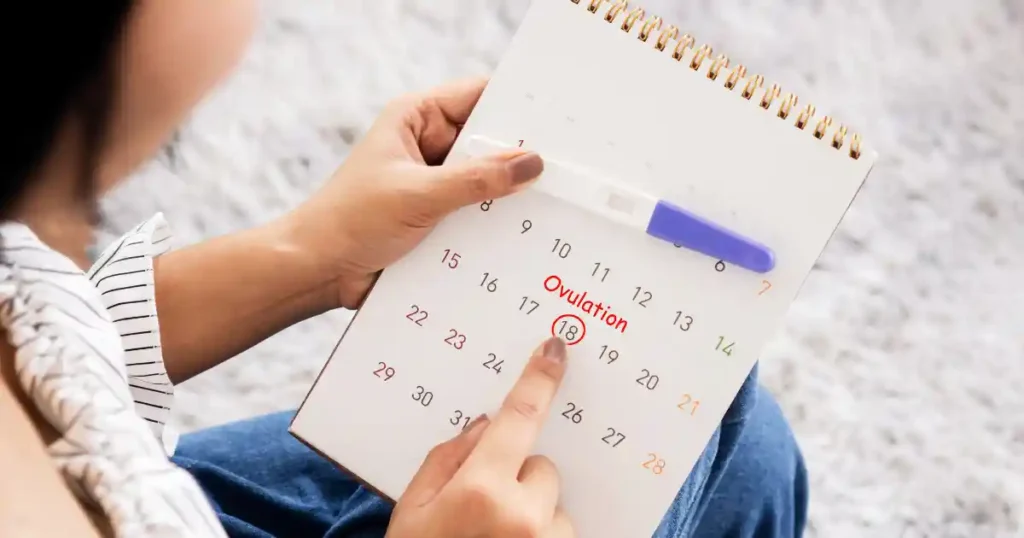
Many women experience irregular cycles without realizing how significantly they affect ovulation and fertility tracking.
Definition of an Irregular Cycle
A menstrual cycle is considered irregular when its length varies by more than seven to nine days from month to month. According to the World Health Organization, a regular cycle falls between 21 and 35 days in length. An irregular cycle may be shorter, longer, unpredictably variable, or sometimes absent entirely.
Irregular cycles are not a single pattern. They can show up as oligomenorrhea, where cycles consistently exceed 35 days. They can appear as polymenorrhea, where cycles are shorter than 21 days. They can present as secondary amenorrhea, defined as the absence of menstrual periods for at least three cycles in individuals with previously regular cycles or for six months in those with irregular cycles.
The irregularity itself is not always the core problem. It is a signal that something in the hormonal system governing the cycle deserves attention.
How Common Are Irregular Cycles
Approximately 20.1 percent of women have confirmed diagnoses such as PCOS or thyroid disorders associated with irregular cycles, with an additional 18.2 percent reporting suspected but undiagnosed irregularities. Irregular cycles are especially common during specific reproductive life stages: in the years after first menstruation, in the postpartum period, and during perimenopause, when hormonal patterns naturally fluctuate before stabilizing or transitioning.
For people in these transitional stages, some cycle variability is completely expected and not a sign of a medical problem. For people outside these stages whose cycles are consistently irregular, it is usually worth investigating the cause.
A Real-Life Context
Starting cycle tracking with an app in Memphis, Tennessee was my first real encounter with how unpredictable my cycles actually were. The app confidently predicted ovulation on day 14 every single month. My OPK strips told a completely different story. Some months I surged on day 12. Other months, day 19. One particularly stressful stretch at work pushed my cycle to 38 days. The app never knew any of that. Seeing the gap between the prediction and the reality was the moment that made me take irregular cycles seriously as something worth understanding deeply.
Causes of Irregular Cycles
Understanding the underlying causes is essential for both tracking and management.
Hormonal Imbalances
PCOS is the most commonly identified cause of irregular cycles. Irregular bleeding with ovulatory dysfunction in women at childbearing age is commonly caused by PCOS, which has been recognized as the most common problem in endocrine practice. Its symptoms include irregular menstrual cycles ranging from amenorrhea to heavy bleeding, along with elevated androgens and often multiple small ovarian follicles that fail to reach the ovulatory stage.
Thyroid disorders are closely linked to menstrual irregularity. Thyroid hormone abnormalities can be associated with tiredness, difficulties with weight management, and other nonspecific symptoms including menstrual irregularity. Both hypothyroidism and hyperthyroidism disrupt the hormonal cascade governing ovulation. A 2024 PMC study underscores a notable link between hypothyroidism and menstrual irregularities in women of reproductive age, highlighting the necessity of routine thyroid function screenings for women experiencing menstrual abnormalities.
Elevated prolactin levels (hyperprolactinemia) are another hormonal driver of irregular cycles. Prolactin suppresses GnRH, which disrupts the entire HPO axis and can prevent or delay ovulation. This condition responds well to treatment once identified through a simple blood test.
Lifestyle Factors
Stress is one of the most consistent lifestyle causes of irregular cycles. Cortisol elevation suppresses the hypothalamic signals that initiate the hormonal chain leading to ovulation. A single high-stress week can push ovulation back by several days. Sustained chronic stress can prevent ovulation across multiple cycles. Sedentary behavior was strongly associated with menstrual irregularities in a 2025 cross-sectional study examining lifestyle correlates of cycle disturbances.
Sleep disruption affects the same hormonal axis. The HPO axis operates on a circadian rhythm. Poor or inconsistent sleep destabilizes the timing of hormone production that the cycle depends on.
Extreme diet changes, very low calorie intake, and excessive training volume can suppress estrogen enough to delay or eliminate ovulation entirely. This is particularly relevant for athletes and those with significantly low or rapidly changing body weight.
Medical or Environmental Factors
Hormonal contraception, including combined oral contraceptives, hormonal IUDs, the patch, the ring, and the contraceptive injection, all suppress the HPO axis during use. After stopping, the cycle may take one to three months (or in the case of Depo-Provera, up to 18 months) to reestablish regular ovulatory patterns.
Postpartum cycles are notoriously irregular, especially during breastfeeding. Prolactin produced during lactation suppresses ovulation in many people for weeks to months after birth. Perimenopause brings its own set of irregular patterns as ovarian reserve declines and cycles become less predictable in the years before menopause.
Illness, significant infections, and rapid environmental changes like long-distance travel can produce short-term cycle disruption. These are usually self-resolving once the triggering factor passes.
A Real-Life Insight
Once I started tracking my sleep alongside my cycle data, the connection became undeniable. The months when I slept consistently at the same time, my cycles ran closer to 28 days. The months when work stress pushed my sleep to five or six hours nightly, ovulation shifted by four to six days and my cycle length extended accordingly. Tracking the full lifestyle picture, not just the reproductive data, made my cycle data significantly easier to interpret.
How Irregular Cycles Affect Ovulation Tracking
Irregular cycles make predicting fertile windows genuinely harder. But the right combination of tools changes that picture considerably.
Challenges for Cycle-Based Apps
Calendar-based period tracking apps use your historical cycle length to predict your next ovulation. These apps operate using the calendar method, which assumes that ovulation occurs 14 days before your next cycle begins. When your cycle is irregular, that assumption fails.
If your cycles range between 24 and 37 days in a single year, no single average cycle length accurately predicts when ovulation will occur in any given month. An app may predict ovulation on day 16 in a cycle where ovulation actually happens on day 23 due to stress or illness. The prediction becomes a guess dressed up as precision.
Apps integrating BBT, OPK results, and physiological wearable data perform significantly better for irregular cycles because they respond to actual hormonal signals rather than calendar math alone.
LH Test Strips Accuracy Issues
For irregular cycles, the primary OPK challenge is knowing when to start testing. Starting too early wastes strips. Starting too late risks missing the surge entirely if it is brief.
PCOS adds a specific complication. Elevated baseline LH in PCOS causes some OPK strips to show chronically faint or intermittently positive results that do not represent the actual surge peak. Distinguishing a true positive from elevated baseline LH requires either a quantitative LH monitor or careful attention to the pattern of line darkening and brightening across multiple daily tests.
For irregular cycles without PCOS, the safest approach is to begin OPK testing earlier than the estimated fertile window and continue for a longer window than usual, typically seven to ten days, until a clear positive is confirmed.
Wearables and BBT Tracking
Wearables and BBT tracking are particularly valuable for irregular cycles because they respond to the physiological signals that precede and follow ovulation regardless of when in the cycle those signals occur. They do not rely on predicting a calendar date. They detect what is actually happening in the body.
The limitation is that patterns take multiple cycles to emerge clearly. A wearable’s algorithm needs three or more cycles of consistent use to distinguish your personal physiological ovulation signature from normal daily variation. BBT charts need at least two to three cycles to show a recognizable biphasic pattern for individual users.
The investment in consistency pays off. Once the pattern is established, even highly variable cycle lengths become navigable because the physiological signals appear reliably, even if the calendar timing shifts.
Signs You May Have Irregular Cycles
Recognizing the signs helps you track more effectively and know when to seek evaluation.
Cycle Length Variation
A cycle length that consistently falls outside the 21 to 35-day range, or one that varies by more than seven to nine days from month to month, meets the clinical definition of irregularity. Short cycles under 21 days may indicate a shortened follicular phase, a short luteal phase, or premature ovarian activity. Long cycles over 35 days often indicate delayed ovulation or anovulatory cycles.
Tracking three to six consecutive cycles gives you the data to identify your personal range and variation. One unusual cycle is not a pattern. Consistent variation is.
Spotting Between Periods
Mid-cycle spotting can occur around ovulation due to the estrogen drop just before the LH surge. This is normal ovulatory spotting. It should be light, pink or light brown, and brief. Heavier spotting, or spotting at irregular times with no connection to ovulation timing, may indicate hormonal fluctuation, an anatomical issue such as a polyp, or another condition worth discussing with a doctor.
Skipped or Missed Periods
A missed period outside of pregnancy is a meaningful signal. Secondary amenorrhea, the absence of menstrual periods for at least three cycles in those with previously regular cycles, has several common causes including functional hypothalamic amenorrhea, PCOS, hyperprolactinemia, and primary ovarian insufficiency. Each of these has distinct diagnostic pathways and treatment options.
Post-pregnancy cycles may take several months to regularize, especially with breastfeeding. One or two missed periods during a high-stress period are common and usually self-resolving.
Other Symptoms
Cycles that are dramatically heavier or lighter than your personal norm, alongside irregular timing, may indicate an underlying hormonal or structural cause worth investigating. PMS that varies dramatically in intensity from cycle to cycle, or arrives at inconsistent points relative to your period, reflects the hormonal fluctuation that characterizes irregular cycles.
Tracking Irregular Cycles: Tools and Methods
Even highly irregular cycles can be tracked effectively with the right combination of tools.
Apps Designed for Irregular Cycles
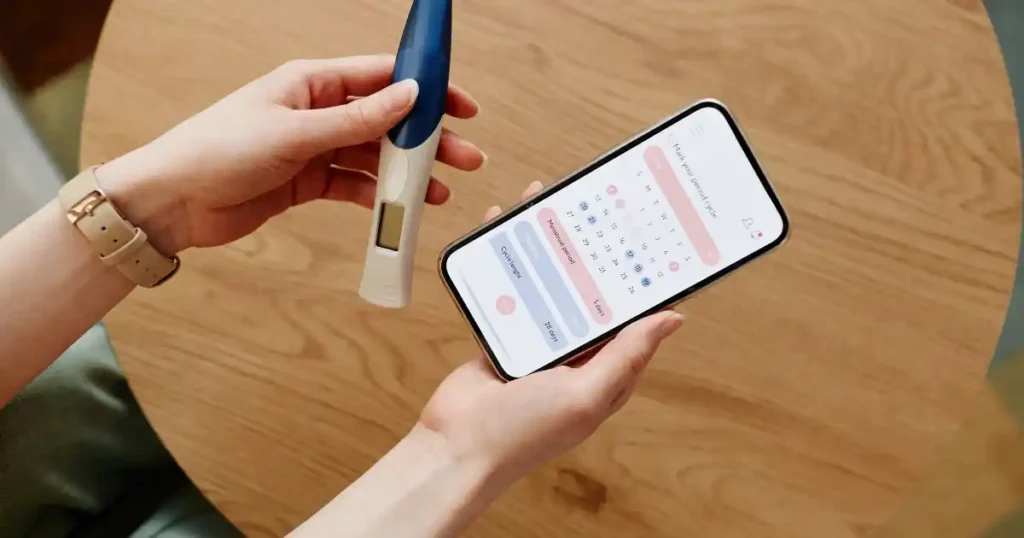
Apps that allow integration of multiple data streams, including BBT, OPK results, cervical mucus observations, and physiological wearable data, perform better for irregular cycles than simple calendar apps. Clue, Flo, and Natural Cycles all allow multi-signal input that improves prediction accuracy over calendar methods alone.
Log consistently across all available data streams. The more signals you provide, the better the algorithm can account for cycle-to-cycle variation in its predictions.
Ovulation Test Kits
OPK test strips are particularly valuable for irregular cycles because they detect the LH surge in real time, regardless of when in the cycle it occurs. They do not assume a 28-day cycle. They measure what is actually happening in your body on the day of testing.
Begin OPK testing earlier than the estimated fertile window for irregular cycles. For cycles that have ranged between 26 and 38 days in the past, start testing around day ten and continue through day twenty-four or until a clear positive is confirmed. Quantitative LH monitors that report actual hormone concentration are especially useful when standard OPKs give confusing results.
Wearables and BBT Tracking
BBT taken consistently every morning before any activity produces a temperature chart that reflects the post-ovulatory progesterone rise regardless of cycle length. The pattern takes two to three cycles to become clearly recognizable in most users. After that, the chart reliably shows whether ovulation occurred and approximately when.
Wearables like the Oura Ring and Ava Bracelet detect similar physiological shifts through continuous overnight monitoring. The Oura Ring’s research demonstrated robust accuracy across various ages, cycle variability, and cycle lengths, with only small drops in detecting rate for shorter cycles. For irregular cycles, that consistency across variable cycle lengths is a specific and meaningful advantage.
Tracking Irregular Cycles: Tools at a Glance
Here is a practical guide to how each tool category performs for unpredictable cycles.
| Tool Type | Strength | Limitation | Best Use |
|---|---|---|---|
| Cycle tracking apps | Easy to use, builds trends over months | Less accurate without multi-signal input for irregular cycles | Baseline logging, reminders, pattern visualization |
| LH test kits (OPKs) | Detects ovulation directly in real time | Requires extended testing window, PCOS can cause false readings | Fertile window confirmation regardless of cycle length |
| BBT tracking | Detects ovulatory pattern across cycles | Needs consistency, takes 2 to 3 cycles to see personal pattern | Post-ovulation confirmation, long-term cycle health insight |
| Wearables | Continuous physiological monitoring, robust across variable cycles | Requires nightly use, 2 to 3 cycles to calibrate | Real-time physiological ovulation detection, irregular cycles |
Managing Irregular Cycles
While irregular cycles are not always preventable, they can often be regulated with the right approach.
Lifestyle Adjustments
Sleep consistency is one of the highest-impact lifestyle adjustments for cycle regularity. Sleeping at the same time each night, aiming for seven to nine hours, anchors the circadian rhythm that governs hormone production. Even a two to three-week commitment to consistent sleep timing can improve cycle regularity in people whose irregularity is stress or sleep-driven.
Stress management reduces cortisol, restoring the HPO axis signals needed for regular ovulation. This does not require eliminating all stress. It requires reducing sustained chronic cortisol elevation through whatever approach works practically: walking, mindfulness, reduced screen time, or simply protecting adequate downtime.
A balanced diet with adequate calories, healthy fats, and nutrient density supports estrogen production and insulin sensitivity. Both are relevant for cycle regularity. Excessive caffeine and alcohol disrupt sleep and can affect hormonal balance. Reducing both during a period of cycle irregularity is a low-risk, practical adjustment.
Medical Interventions
If lifestyle adjustments do not restore cycle regularity within three to six months, medical evaluation is the appropriate next step. A hormone panel covering FSH, LH, estrogen, progesterone, prolactin, TSH, and testosterone provides a clear diagnostic picture of what is driving the irregularity.
For PCOS, treatment typically involves lifestyle intervention first, followed by hormonal management through combined oral contraceptives for cycle regulation or letrozole for ovulation induction in those trying to conceive. For thyroid disorders, thyroid hormone replacement or suppression therapy restores the hormonal environment that regular cycles require. For hyperprolactinemia, dopamine agonist medications reduce prolactin and restore the HPO axis function reliably.
Tracking Improvements Over Time
Track for three to six cycles before drawing firm conclusions. One confusing cycle is not a pattern. Three cycles of consistent multi-method tracking reveal your actual biological patterns clearly enough to identify when ovulation typically occurs even within an irregular framework.
After a few months of tracking, I could finally predict my fertile window more accurately, even with irregular cycles. The data itself becomes the guide once you have enough of it.
Expert Advice on Irregular Cycles
“For women with irregular cycles, using multiple tracking methods is essential. One tool alone rarely gives a clear picture,” says Dr. Jessica Shepherd, a Dallas, Texas-based board-certified OB-GYN and FACOG, founder of Sanctum Med and Wellness, Chief Medical Officer of Hers, and author of Generation M: Living Well in Perimenopause and Menopause. Dr. Shepherd completed her residency at Drexel University College of Medicine and a fellowship in Gynecologic Endoscopy and Minimally Invasive Surgery at the University of Louisville. She serves on the Advisory Board for Women’s Health Magazine and Women’s Health.org, and is a regular contributor on Good Morning America and The Today Show.
Her clinical emphasis on using multiple methods together is reflected directly in what the research shows. For irregular cycles, calendar apps alone produce unreliable predictions. OPK testing, BBT confirmation, and app-based pattern tracking used together compensate for each tool’s individual blind spots and produce reliably useful fertile window data even when cycle timing varies significantly.
Tips From Experts
Track multiple cycles before drawing conclusions. One month of data does not tell you anything reliable about an irregular cycle pattern. Three to six cycles of consistent multi-method tracking reveal your personal ovulation timing range and the factors that influence it.
Consider hormonal testing if cycles are very irregular. A blood panel is a simple, low-cost test that identifies most causes of irregular cycles, including PCOS, thyroid disorders, and hyperprolactinemia, and guides targeted treatment. Waiting indefinitely without testing when cycles are consistently outside the 21 to 35-day range or missing periods entirely misses an opportunity for early, effective management.
Use the combined approach: apps plus BBT plus LH test kits. Each method answers a different question. Together they provide a picture that none can provide alone.
A Real-Life Tip
Even with irregular cycles, patterns do emerge. The first month of tracking looks messy. The second month looks slightly clearer. By month three, you start to see that even though your cycles vary in length, your luteal phase is consistently around 12 days, and your OPK consistently turns positive around four to five days before your period arrives. That kind of personal pattern insight is genuinely empowering. Patience is key. Do not panic when the first month looks confusing.
Common Mistakes When Tracking Irregular Cycles
These errors are easy to make and easy to correct once you know what to watch for.
Assuming a Standard 28-Day Cycle
This is the most common and most costly mistake for irregular cycle tracking. Using a generic day-14 ovulation prediction when your cycles range between 24 and 36 days means you may start OPK testing after your actual LH surge has already peaked and passed. Using the standard day-10-to-16 testing window for a cycle that will not ovulate until day 22 means you test for six days and see all negatives, then stop testing before the surge occurs.
Always calculate your testing window from your personal cycle length data, not from a 28-day assumption.
Relying on One Method Only
Apps alone miss real-time cycle shifts that stress, illness, or lifestyle changes produce. OPKs alone miss the post-ovulatory confirmation that BBT provides. BBT alone gives no advance warning of ovulation timing. Each tool fills a gap that the others leave open.
Ignoring Lifestyle and Health Factors
Tracking data without context is harder to interpret accurately. A delayed ovulation in a high-stress month looks like cycle irregularity if you do not note the stressor. A temperature spike from a brief illness looks like a post-ovulatory rise if you do not note the fever. Context notes in your tracking app transform confusing data into interpretable information.
Overreacting to Minor Variations
Some cycle-to-cycle variation is completely normal. A 28-day cycle one month and a 31-day cycle the next does not indicate a problem. Focusing on the overall pattern across multiple cycles rather than any single cycle’s deviation is the correct approach.
Tracking Mistakes Reference Table
Here is a clear summary of the most common mistakes when tracking irregular cycles and how to correct each one.
| Mistake | Effect on Tracking | How to Avoid |
|---|---|---|
| Assuming 28-day cycle | Missed fertile window, wrong testing start date | Calculate testing window from your personal average |
| Using one tool only | Inaccurate ovulation prediction for variable cycles | Combine app logging with OPK and BBT |
| Ignoring lifestyle factors | Unexplained delays, misread data | Log stress, sleep, illness, and travel as context notes |
| Overreacting to single-cycle anomalies | Anxiety, premature conclusions | Focus on patterns across 3 or more cycles |
| Stopping OPK testing too early | Missed LH surge in longer-than-expected cycle | Extend testing window to cover full variability range |
QA About Irregular Cycles
Are Irregular Cycles Normal?
They can be. Irregular cycles are common and often expected in the first two to three years after menstruation begins, in the postpartum period, during breastfeeding, and in perimenopause. Outside of these transitions, persistent cycle irregularity is worth investigating. Around 20.1 percent of women have confirmed conditions like PCOS or thyroid disorders associated with their irregularity, suggesting that a meaningful proportion of irregular cycles have an identifiable and treatable cause.
Can Irregular Cycles Affect Fertility?
They can, depending on whether ovulation is occurring. Irregular cycles often indicate irregular ovulation. If ovulation is inconsistent or absent, conception becomes significantly harder to time or achieve. However, irregular cycles do not automatically mean infertility. Many people with irregular cycles ovulate and conceive naturally. The issue is predictability and timing, not necessarily fertility capacity.
How Can I Predict Ovulation With Irregular Cycles?
Combine apps with OPK test strips and BBT tracking. Start OPK testing earlier in the cycle than a regular-cycle prediction would suggest, and continue for a wider window. Use BBT to confirm the post-ovulatory temperature shift. Check cervical mucus daily as a free real-time signal. Over three to six cycles of consistent tracking, your personal ovulation timing pattern becomes recognizable even within an irregular framework.
How Many Cycles Should I Track Before Drawing Conclusions?
Three to six cycles of consistent multi-method tracking gives reliable pattern recognition for most people. One or two cycles are not enough to distinguish your personal baseline from random variation. Three cycles reveal whether a pattern exists. Six cycles of data give a high level of confidence in that pattern and in the factors that shift it from month to month.
When Should I See a Doctor?
See a healthcare provider if cycles are absent for three or more months without pregnancy, if cycles are consistently shorter than 21 days or longer than 35 days, or if you are trying to conceive without success after six months (over 35) or twelve months (under 35). Earlier evaluation is appropriate if there are additional symptoms such as significant acne, excess facial or body hair, unexplained weight changes, or fatigue that may suggest PCOS, thyroid dysfunction, or another treatable condition.
Practical Tips for Tracking and Managing Irregular Cycles
Simple, consistent habits produce the clearest long-term results for irregular cycle management.
Consistent Tracking Routine
Log every cycle start date accurately in your app as soon as your period begins. Test OPKs at the same time every day during the extended testing window that irregular cycles require. Take BBT every morning before any activity. Note any contextual factors, stress levels, sleep quality, illness, or travel, that might affect that cycle’s hormonal pattern.
Combine Tools for Accuracy
Use your tracking app for cycle history logging and pattern visualization. Use OPK strips to detect the LH surge in real time. Use BBT to confirm the post-ovulatory thermal shift. Use cervical mucus observation daily for a free physical sign that complements all digital data.
That combined approach covers the full arc of the fertile window, from hormonal prediction through physical confirmation to post-ovulatory verification.
Lifestyle Management
Prioritize sleep consistency over all other lifestyle adjustments for cycle regularity. Consistent sleep timing has the most direct and measurable effect on the circadian hormonal rhythm that governs ovulation. Manage stress practically. Eat balanced whole-food meals. Stay adequately hydrated. Moderate exercise supports hormonal health. Extreme training volumes or very low calorie intake can worsen cycle irregularity significantly.
A Personal Reflection
After a few months of consistent tracking, even my most unpredictable cycles started to make sense. The data showed that my luteal phase was always 11 to 13 days, regardless of cycle length. What varied was my follicular phase, the time from my period to ovulation. Stress and sleep directly affected that phase. Once I understood that pattern, I could track more confidently, interpret unexpected delays with less anxiety, and act on the data rather than just collecting it. That clarity feels genuinely empowering.
Navigating Irregular Cycles
Irregular cycles can feel unpredictable and frustrating. But with consistent tracking, the right combination of tools, and an understanding of the lifestyle and medical factors that influence them, patterns emerge and management becomes genuinely effective.
Give yourself three to six months of consistent multi-method tracking. Note your context. Combine your tools. And if the pattern points to a medical cause, seek evaluation early rather than waiting.
Final Recommendation
Understanding irregular cycles is one of the most important foundations for anyone who wants to track fertility accurately or improve cycle health. From personal experience and from studying this topic deeply, the clearest advice is this: never rely on a single calendar app to predict your fertile window when your cycles are irregular.
Start OPK testing earlier and run a wider testing window each month to ensure you catch the LH surge whenever it occurs. Add BBT tracking to confirm the post-ovulatory shift and build your personal cycle baseline over time. Log consistently for three to six cycles before drawing conclusions about your pattern. If your cycles are consistently shorter than 21 days or longer than 35 days, or if periods are absent for three or more months without pregnancy, book an appointment with a gynecologist for a hormone panel covering FSH, LH, estrogen, progesterone, prolactin, TSH, and testosterone.
Most causes of irregular cycles, including PCOS, thyroid dysfunction, and hyperprolactinemia, are manageable once identified. Early diagnosis means more treatment options and faster resolution. Your cycle is not random. With the right tools and enough consistent data, it becomes readable, manageable, and far less stressful.
FAQs
What are irregular cycles?
Irregular cycles mean your menstrual cycle does not follow a steady pattern. Periods may come early, late, or vary in length from month to month.
What causes irregular cycles?
Irregular cycles can be caused by stress, hormone changes, weight shifts, or health conditions. Lifestyle and medical factors both play a role.
How do irregular cycles affect ovulation?
Irregular cycles can make ovulation harder to predict. Ovulation may not occur at the same time each month, which affects timing.
Can irregular cycles still allow pregnancy?
Yes, pregnancy is still possible with irregular cycles. Tracking ovulation signs can help identify your fertile window more clearly.
How can I track ovulation with irregular cycles?
With irregular cycles, use ovulation test kits, body signs, or apps together. Combining methods can improve accuracy and timing.
When should I see a doctor about irregular cycles?
You should see a doctor if cycles are very long, very short, or missed often. Medical advice can help find the cause and guide care.
Do lifestyle changes help with irregular cycles?
Yes, healthy habits can help regulate cycles. Good sleep, balanced diet, and stress control may support more regular patterns.