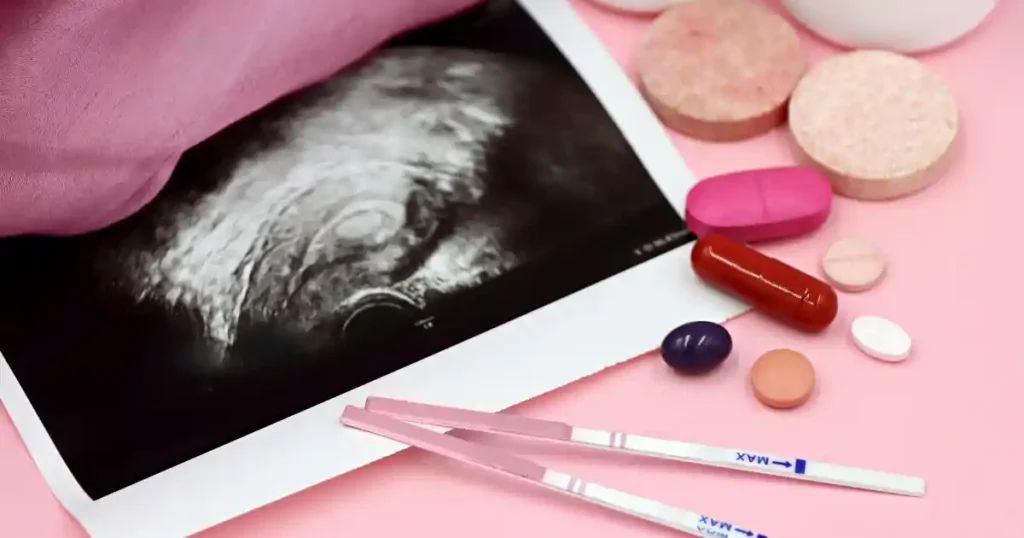
Asking “why am I not ovulating” is one of the most common and deeply personal questions in women’s reproductive health. Many people track their cycles carefully, use apps, even test with OPKs, and still feel like nothing lines up. That confusion is real, and it is more common than most people talk about openly. The good news is that not ovulating, known medically as anovulation, is often a manageable condition once you understand the root cause. This guide walks through everything clearly, from what anovulation actually means to the tools, habits, and treatments that can help.
What Does It Mean If You Are Not Ovulating
Ovulation is not just one event among many in your cycle. It is the central event the entire cycle is built around. When it does not happen, everything else shifts.
Simple Explanation of Ovulation
Ovulation is the release of a mature egg from one of the ovaries. It happens once per cycle, usually around the midpoint. The egg survives for only 12 to 24 hours. Without ovulation, there is no egg to fertilize, which means pregnancy is not possible that cycle.
The process is driven by hormones. Follicle-stimulating hormone (FSH) helps a follicle develop. A surge of luteinizing hormone (LH) then triggers the follicle to release the egg. If any part of that hormonal chain breaks down, ovulation may not occur or may occur later than expected.
What Is Anovulation
Anovulation means ovulation did not happen in a given cycle. It can be occasional or ongoing. An occasional anovulatory cycle during a period of high stress, illness, or travel is not unusual and does not indicate a medical problem. Consistent anovulation across multiple cycles is different. That pattern points to an underlying hormonal, lifestyle, or health issue that needs attention.
Ovulatory dysfunction is usually caused by an endocrine disorder, of which polycystic ovary syndrome (PCOS) is the most common cause. But PCOS is not the only cause. Thyroid disorders, hyperprolactinemia, stress, extreme weight changes, and other hormonal imbalances all play a role too.
A Real-Life Context
You track your cycle and You check the app every morning. You test with OPKs on the days the calendar tells you to. But nothing lines up. The test never turns positive. Your temperature chart stays flat. You do not notice the mucus changes you have read about. That disconnection between what you expect and what your body shows is often where the question “why am I not ovulating” first takes root. That confusion is not a failure. It is your body telling you something worth understanding.
Signs You May Not Be Ovulating
The body usually gives hints. But they can be easy to miss, especially if you have not been tracking closely.
Irregular or Missing Periods
One of the clearest signs of anovulation is cycle irregularity. Cycles that are consistently longer than 35 days, shorter than 21 days, or absent altogether are strong indicators that ovulation is not occurring regularly.
Women with PCOS have anovulatory issues like oligomenorrhea, which refers to cycles of more than 35 days, and secondary amenorrhea, which is an absence of menstruation for more than three months due to hormonal imbalance. Both of those patterns point toward absent or irregular ovulation as the underlying mechanism.
Missing periods entirely, apart from pregnancy, almost always mean ovulation did not occur. Without ovulation, progesterone does not rise, and without progesterone, the uterine lining does not shed on a predictable schedule.
No Ovulation Symptoms
Regular ovulators typically notice at least some physical signs each month. Cervical mucus becomes clear and stretchy before ovulation. BBT rises after it. Mild pelvic twinges may appear. Energy and libido tend to peak.
When these signs are absent across multiple cycles, when mucus stays dry or consistently creamy and never reaches egg-white quality, when the BBT chart stays flat with no sustained rise, that pattern suggests ovulation may not be occurring.
One or two quiet cycles are not alarming. Three or more cycles with no detectable ovulation signs is a reason to investigate further.
Negative Ovulation Tests
OPK test strips detect the LH surge that triggers ovulation. A clear positive result means the surge is present and ovulation is likely within 24 to 48 hours.
When OPKs remain consistently negative across an extended testing window in every cycle, it may mean the LH surge is not occurring, or is occurring at an abnormal level. In PCOS, LH is often chronically elevated, which can cause OPKs to show confusing results. Multiple seemingly positive lines without a clear peak can indicate elevated baseline LH rather than a true ovulatory surge.
Ovulation vs No Ovulation Comparison
Here is a clear side-by-side view to help you compare what ovulation looks like versus what anovulation looks like across common tracking indicators.
| Indicator | Ovulation Present | No Ovulation (Anovulation) |
|---|---|---|
| Cycle length | Regular, 21 to 35 days | Irregular, very long, or absent |
| Cervical mucus | Clear, stretchy, egg-white quality | Dry or consistently creamy, no peak |
| BBT pattern | Clear sustained rise after ovulation | Flat or random, no thermal shift |
| OPK result | Clear positive surge then negative | No surge or confusing chronic positives |
| Period regularity | Predictable | Unpredictable or absent |
Common Causes of Not Ovulating
There is rarely just one reason. Anovulation is often the result of a combination of factors working together.
Hormonal Imbalance
Ovulation depends on a precisely timed sequence of hormonal signals. Estrogen must rise to trigger the LH surge. The LH surge must occur for the follicle to release the egg. Progesterone must follow to support the luteal phase.
When estrogen is too low, the LH surge may not fire. When progesterone is too low after ovulation, the luteal phase is inadequate. Also, When FSH and LH levels are imbalanced, follicle development stalls. Any disruption in this chain can prevent or impair ovulation.
Elevated prolactin is one specific imbalance worth noting. Hyperprolactinemia, a condition where the pituitary gland produces too much prolactin, directly suppresses the hormonal signals needed for ovulation. It is common and treatable, and it often goes undetected without a blood test.
Polycystic Ovary Syndrome
PCOS is the most common endocrinopathy among adult women in the developed world and is characterized by anovulation, androgen excess, and the appearance of polycystic ovaries on ultrasound.
Nearly 70% of patients with PCOS have anovulatory infertility. That is a significant proportion, and it underscores why PCOS is consistently the first condition considered when anovulation is suspected.
In PCOS, elevated insulin levels stimulate the ovaries to produce excess androgens. These androgens disrupt the hormonal cycle needed to trigger normal ovulation. Follicles begin to develop but stall before the LH surge can occur. The result is irregular or absent ovulation, often alongside irregular periods and other symptoms like acne or excess facial hair.
Thyroid Disorders
Thyroid hormones regulate metabolism throughout the entire body, and that includes reproductive function. Both hypothyroidism and hyperthyroidism have been associated with menstrual disturbances and ovulatory dysfunction. The thyroid’s influence on sex hormone-binding globulin, estrogen metabolism, and the HPO axis means that even mild thyroid dysfunction can disrupt the hormonal sequence needed for ovulation.
Generally, every woman with signs and symptoms of PCOS should be screened for thyroid dysfunction, prolactin excess, and non-classical congenital adrenal hyperplasia, as these diagnoses occur relatively more commonly among women with menstrual disorders.
Stress and Lifestyle Factors
The hypothalamic-pituitary-ovarian (HPO) axis is sensitive to stress. High cortisol signals the hypothalamus to slow down the reproductive hormones. This is a survival response. In high-stress situations, the body deprioritizes reproduction. The practical result is a delayed or absent ovulation in that cycle.
Poor sleep disrupts the same hormonal axis. Over-exercise, particularly intense endurance training without adequate calorie intake, can suppress estrogen enough to prevent ovulation entirely.
Lifestyle Factors That Can Stop Ovulation
Small daily habits quietly affect your cycle over time.
Weight Changes
Both being significantly underweight and significantly overweight can disrupt ovulation. Body fat plays a role in estrogen production and metabolism. Too little body fat lowers estrogen. Too much body fat elevates estrogen through peripheral conversion of androgens. Both extremes throw the hormonal balance off.
Rapid weight loss, even from a healthy starting point, can trigger anovulation. The body interprets a sudden calorie deficit or dramatic weight drop as a period of scarcity, which suppresses reproductive function as a protective response.
Diet and Nutrition
Nutritional deficiencies affect hormone production. Very low-fat diets reduce the availability of cholesterol, which is the building block for all steroid hormones including estrogen and progesterone. Insufficient intake of zinc, magnesium, vitamin D, and B vitamins can all affect cycle regularity.
Irregular eating patterns, including skipping meals or cycling through very low-calorie periods, destabilize blood sugar. Blood sugar instability affects insulin, and insulin affects androgen production in the ovaries. This connection is especially relevant for those with PCOS or insulin resistance.
Physical and Emotional Stress
Work pressure, relationship stress, major life transitions, and even intense travel schedules all activate the cortisol stress response. The HPO axis is directly affected by sustained cortisol elevation. It is not unusual for a particularly stressful month to delay ovulation by one to two weeks or prevent it entirely in that cycle.
Emotional stress and physical stress are treated the same way by the body. A demanding work deadline and an intense week of training both raise cortisol. Both can shift or suppress ovulation in that cycle.
Medical Conditions Linked to Anovulation
Some causes of not ovulating need medical attention. Understanding them helps you ask the right questions at your next appointment.
PCOS Explained Simply
PCOS affects between 5 and 13 percent of women of reproductive age worldwide, according to the World Health Organization. It is the most common cause of anovulatory infertility. The condition involves a combination of elevated androgens, disrupted LH-to-FSH ratios, insulin resistance in many cases, and ovaries that contain multiple small follicles that did not successfully ovulate.
The irregular cycles associated with PCOS are a direct result of irregular or absent ovulation. Without consistent ovulation, progesterone does not rise normally, and the uterine lining does not shed on a predictable schedule. This produces the hallmark long, irregular, or absent cycles of PCOS.
Lifestyle changes, including a balanced diet, moderate exercise, and improved sleep, form the foundation of PCOS management. For those trying to conceive, ovulation induction medication adds the next layer.
Thyroid Issues
An underactive thyroid slows metabolism throughout the body. This includes slowing the conversion of cholesterol to reproductive hormones. Elevated TSH and low thyroid hormone can disrupt cycle length, ovulation timing, and luteal phase adequacy.
An overactive thyroid raises metabolic rate and can increase sex hormone-binding globulin, which reduces the availability of free estrogen. Either direction of thyroid dysfunction can affect ovulation. A simple TSH blood test identifies thyroid issues quickly, and treatment usually restores normal cycle function.
Other Conditions Worth Knowing
Hyperprolactinemia is a less commonly discussed but very real cause of anovulation. The pituitary gland produces excess prolactin, which suppresses GnRH and with it the entire hormonal cascade that leads to ovulation. Elevated prolactin can result from a small benign pituitary tumor called a prolactinoma, from certain medications, from chronic stress, or from hypothyroidism.
Premature ovarian insufficiency (POI), formerly called premature ovarian failure, is a condition in which the ovaries lose normal function before age 40. It is less common but causes significant cycle irregularity and reduced fertility. It requires medical management and, if pregnancy is the goal, often involves specialist care.
Causes of Anovulation Quick Comparison
Here is a clear summary of the most common causes, their type, and whether they typically need medical intervention.
| Cause | Type | Reversible | Needs Medical Help |
|---|---|---|---|
| Stress | Lifestyle | Yes, with management | Not usually |
| Poor sleep | Lifestyle | Yes, with consistent sleep | Not usually |
| Weight changes | Lifestyle | Yes, with nutrition support | Sometimes |
| Extreme exercise | Lifestyle | Yes, with reduced intensity | Sometimes |
| PCOS | Medical condition | Managed, not cured | Yes |
| Thyroid disorder | Medical condition | Managed with medication | Yes |
| Hyperprolactinemia | Medical condition | Often treatable | Yes |
| Premature ovarian insufficiency | Medical condition | Requires specialist care | Yes |
How to Confirm If You Are Not Ovulating
Guessing is stressful. Testing gives clarity. There are several ways to confirm whether or not ovulation is occurring in your cycles.
Tracking Basal Body Temperature
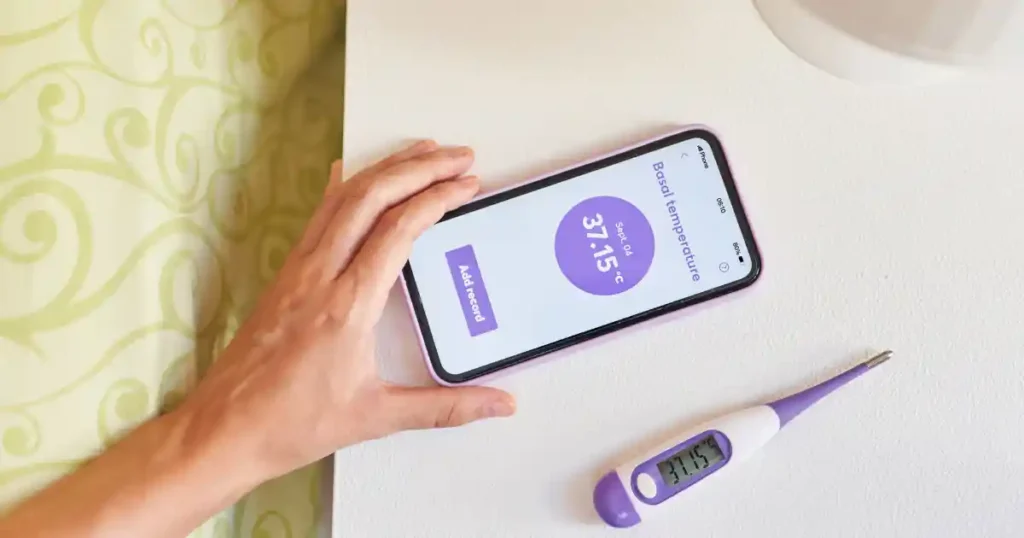
BBT is your resting temperature taken every morning before any activity. After ovulation, progesterone causes a sustained temperature rise of roughly 0.2 to 0.5 degrees that persists for the remainder of the luteal phase. A BBT chart that shows a clear biphasic pattern, low before ovulation and higher after, confirms that ovulation occurred in that cycle.
A flat BBT chart with no sustained rise, across two or more cycles of consistent tracking, is strong evidence of anovulation. It does not confirm the cause but it does confirm the pattern.
Using Ovulation Predictor Kits
OPKs detect the LH surge. Test daily during the expected fertility window. A clear positive result confirms the LH surge. No surge across a full extended testing window, combined with a flat BBT and absent cervical mucus changes, points toward anovulation.
Be aware of the PCOS caveat. In PCOS, OPKs can give misleading results due to elevated baseline LH. If multiple cycles show chronic faint positives without a clear peak and then a return to negative, that pattern warrants a conversation with a gynecologist.
Medical Tests That Confirm Ovulation
A blood test measuring progesterone levels around day 21 of a 28-day cycle, or seven days after suspected ovulation, is the most direct medical test for recent ovulation. Progesterone above 3 ng/mL typically confirms ovulation occurred that cycle. A very low result suggests it did not.
Other useful tests include a full hormone panel covering FSH, LH, estrogen, prolactin, TSH, and testosterone. Transvaginal ultrasound can directly visualize follicle development and confirm the follicular rupture that marks ovulation. Your OB-GYN or reproductive endocrinologist can order all of these.
Best Tools to Detect Ovulation Problems
Tools help you understand patterns across cycles, not just individual days.
Cycle Tracking Apps
Apps like Clue and Flo allow you to log symptoms, mucus, BBT, and OPK results in one place. Over three or more cycles, they visualize patterns in ways that a single-day observation never can. An app that shows flat BBT charts, absent mucus peaks, and negative OPKs across three consecutive cycles gives you organized data to take to a medical appointment.
Apps are most valuable as documentation and pattern-spotting tools. They do not diagnose conditions, but they help you and your doctor see the full picture quickly.
OPKs and Hormone Monitors
For someone actively trying to determine whether they are ovulating, a combination of OPKs and a basal thermometer provides strong home-based evidence. Testing OPKs daily from cycle day eight or ten, recording the results, and comparing those results to the BBT chart gives a clear multi-signal picture.
Quantitative hormone monitors like the Mira Fertility Tracker measure actual hormone concentrations rather than just positive or negative results. For people with PCOS or suspected hormonal imbalances, these give more specific data about LH and estrogen levels throughout the cycle.
Smart Health Devices
Wearables like the Oura Ring track skin temperature and heart rate variability continuously. These metrics correlate with the post-ovulatory temperature rise. When combined with a dedicated cycle tracking app, wearable data adds an extra layer of confirmation that does not depend on remembering to take a manual temperature reading every morning.
Expert Advice on Not Ovulating
“Many women don’t realize they’re not ovulating until they start tracking closely,” says Dr. Aviva Romm, a West Stockbridge, Massachusetts-based Yale-trained MD, Board Certified Family Physician, midwife, and herbalist with specialties in integrative gynecology and women’s endocrinology. Dr. Romm has over 30 years of combined practice as a midwife, herbalist, and Yale-trained MD, with a strong commitment to democratizing women’s health information and pioneering a new approach to women’s health through integrative and functional medicine. She is a New York Times bestselling author and founder of a Women’s Integrative Medicine Training Program.
Her point is one I have seen reflected in the tracking data of many people: the absence of ovulation can be entirely silent. Cycles continue, bleeding may still occur, but without the hormonal event of ovulation, the cycle lacks its core function. Careful tracking is often what reveals the pattern first.
What Experts Recommend
Track for at least three full cycles before drawing conclusions. One unusual cycle does not confirm anovulation. Stress, illness, or travel can cause an occasional anovulatory cycle in an otherwise healthy person. A pattern across three or more cycles is what gives meaningful information.
Combine multiple methods. BBT alone may show a flat chart but not explain why. OPKs alone may show absent surges but not confirm whether stress or a medical condition is the cause. Using BBT, OPK, and mucus observation together provides the most complete home-based picture.
Do not panic early. An occasional missed ovulation is common and usually reversible. Start with lifestyle assessment. Then, if the pattern continues, get a hormone panel. One step at a time is the right approach for most people.
A Real-Life Tip
Some months your body just pauses. It happens more than people talk about. A stressful week, a disrupted sleep schedule, a long flight, all of these can push ovulation back or prevent it in a single cycle without anything being medically wrong. The pattern across three or more cycles is what tells the real story.
How to Fix or Improve Ovulation Naturally
In many cases, targeted lifestyle changes can restart ovulation without medication.
Improve Sleep and Stress Levels
Consistent, adequate sleep is one of the most powerful interventions available for hormonal health. Sleep supports the hormonal regulation of the HPO axis. Even shifting from six to eight hours of sleep per night can improve cycle regularity within one to two cycles for people whose anovulation is stress or sleep-driven.
Stress management practices, whether mindfulness, reduced workload, walking, or social support, lower cortisol. Lower cortisol restores the HPO axis signaling. This is not about eliminating all stress. It is about reducing sustained high cortisol long enough for the hormonal system to reset.
Balanced Diet and Nutrition
Whole foods, adequate calories, healthy fats, and protein all support the hormone production that ovulation requires. Cholesterol from dietary fat is the raw material for steroid hormones. Eliminating fat from the diet can directly reduce estrogen production.
Anti-inflammatory eating patterns that emphasize vegetables, lean proteins, legumes, whole grains, and olive oil support insulin sensitivity. Improved insulin sensitivity is especially relevant for PCOS-related anovulation, where high insulin drives excess androgen production that disrupts ovulation.
Key nutrients that support ovulation include vitamin D, magnesium, zinc, folate, and omega-3 fatty acids. These can be assessed through blood work and addressed through diet or supplementation with medical guidance.
Moderate Exercise
Exercise supports hormonal health and cycle regularity when practiced at moderate intensity. The issue arises at extremes. Very high-volume or high-intensity training, particularly combined with insufficient calorie intake, can suppress ovulation through hypothalamic amenorrhea.
If over-exercise is suspected as a contributing factor, reducing training volume and ensuring adequate calorie intake often restores ovulation within two to three cycles. This is especially true for endurance athletes and those who have recently increased training intensity significantly.
Medical Treatments for Anovulation
When lifestyle changes are not enough, effective medical treatments are available.
Fertility Medications
Letrozole and clomiphene citrate are the two most commonly used oral medications for ovulation induction. Both work by stimulating the ovaries to develop and release an egg.
Recent evidence, as reflected in the 2023 International Evidence-Based Guideline for the Assessment and Management of PCOS, supports letrozole as the preferred first-line agent for ovulation induction due to its superior efficacy in achieving ovulation and live births compared to clomiphene citrate.
A landmark New England Journal of Medicine trial confirms this. Women who received letrozole had more cumulative live births than those who received clomiphene. Both medications are oral, well-tolerated, and typically prescribed under the guidance of a gynecologist or reproductive endocrinologist.
Clomiphene remains widely used, particularly in settings where letrozole is less accessible or in cases of unexplained anovulation outside of PCOS. Your doctor will guide which medication and what dose is appropriate for your specific situation.
Hormone Therapy
Hormone therapy for anovulation is targeted to the specific imbalance identified. For thyroid-related anovulation, thyroid hormone replacement restores normal HPO axis function. For hyperprolactinemia, dopamine agonist medications like cabergoline reduce prolactin levels and restore ovulation in the majority of cases.
Also, For PCOS with significant insulin resistance, metformin is sometimes used alongside lifestyle changes to improve insulin sensitivity and support more regular ovulation, though its effectiveness as an ovulation induction agent is more modest compared to letrozole.
When Treatment Is Needed
Medical treatment is most clearly indicated when anovulation has been confirmed across multiple cycles and lifestyle factors have been optimized without resolution, when a medical condition like PCOS, thyroid disorder, or hyperprolactinemia has been identified as the cause, or when fertility is the goal and time matters.
Long-term anovulation without treatment can have health consequences beyond fertility. Regular ovulation is associated with healthy progesterone production, which protects the uterine lining. Prolonged anovulation, particularly in PCOS, is associated with an elevated risk of endometrial hyperplasia over time.
When Should You See a Doctor
Knowing when to act saves time, reduces stress, and opens more treatment options.
Warning Signs
See a healthcare provider when periods are absent for three or more months without pregnancy. Seek care when cycles are consistently shorter than 21 days or longer than 35 days across multiple months. Act when three or more cycles of careful tracking show no BBT rise, no LH surge, and no fertile mucus.
Severe pelvic pain, very heavy bleeding, or a sudden significant change in your previously regular cycle are also reasons to seek care rather than waiting.
Timeline Guidance
If you are trying to conceive and under 35, the standard guideline is to seek a fertility evaluation after 12 months of regular unprotected intercourse without success. If you are over 35, that timeline shortens to six months. Also, If anovulation is already suspected through tracking, you do not need to wait for either timeline. Seek evaluation promptly.
QA About Not Ovulating
Can You Have Periods and Not Ovulate?
Yes. This is called an anovulatory cycle. Bleeding can still occur when estrogen rises high enough to build the uterine lining and then drops, even without ovulation triggering progesterone production. This bleeding may look like a normal period but is a withdrawal bleed rather than a true menstrual cycle. It is relatively common and can occur in otherwise healthy people during periods of high stress or hormonal fluctuation.
What Causes a Sudden Stop in Ovulation?
Common causes of a sudden stop include acute stress, illness, significant weight changes, travel across time zones, or the start of a new medication. These triggers affect the HPO axis quickly. In most cases, ovulation returns within one to two cycles once the trigger resolves. If it does not return, a hormonal evaluation is the next step.
Can Stress Stop Ovulation?
Yes. Stress is one of the most documented causes of cycle disruption and anovulation. Cortisol directly suppresses GnRH secretion from the hypothalamus. This reduces the FSH and LH signals that drive follicle development and the ovulatory surge. A highly stressful week or month can delay ovulation significantly or prevent it entirely in that cycle.
Is Anovulation Permanent?
Often not. In most cases, anovulation is treatable or resolvable once the underlying cause is identified. Lifestyle-driven anovulation typically responds to lifestyle changes within two to three cycles. Medical causes like PCOS, thyroid disorders, and hyperprolactinemia are manageable with appropriate treatment. Premature ovarian insufficiency is the exception and requires specialist care, but even in that case options exist.
Can You Get Pregnant Without Ovulating?
No. Ovulation is required for natural conception. The egg must be released for fertilization to be possible. Without ovulation, there is no egg, and conception cannot occur naturally that cycle. This is why restoring ovulation is the foundation of fertility treatment for anovulatory conditions.
Practical Tips to Support Healthy Ovulation
Building a simple, consistent routine creates the best foundation for healthy ovulation.
Build a Simple Daily Routine
Track your cycle signs every day. Check cervical mucus. Take BBT at the same time each morning. Log OPK results during your testing window. Even imperfect daily data over three cycles reveals patterns that single-day observations never could.
Stay aware of body changes beyond the typical fertility signs. Notice your energy, your sleep quality, your stress levels. These are all inputs to the hormonal system that drives ovulation.
Focus on Long-Term Patterns
One confusing cycle does not define your fertility health. Two irregular cycles during a stressful period are not evidence of anovulation. Three or more cycles showing a consistent pattern of absent signs across multiple tracking methods is the signal worth responding to.
Patterns take time to reveal themselves clearly. Trust the process. Track consistently. Let the data accumulate before drawing conclusions.
A Personal Reflection
It is genuinely frustrating when things do not line up. You are doing everything right. You are tracking, testing, logging. And still nothing is clear. That frustration is valid. But here is what I have seen consistently: once you get even a small amount of clear data, one confirmed ovulation, one visible pattern in the charts, the picture starts to make sense. Small data points build into real insight. Stay with it.
Understand the Cause, Take Control
Not ovulating can feel isolating and stressful. But it is almost always explainable once you start looking in the right places. The causes are well-understood. The tools to detect them are accessible. The treatments, from lifestyle changes to targeted medications, are effective.
Start with tracking. Build three cycles of consistent data. Then, if the pattern points toward anovulation, take that data to a healthcare provider. You will arrive at that appointment far better prepared and far more likely to get a clear answer.
Your cycle is not a mystery. It just needs the right tools and a little patience to read.
Final Recommendation
If you have been asking “why am I not ovulating,” the most important first step is consistent, multi-method tracking across three full cycles. Start with cervical mucus observation and daily BBT. Add OPK testing during your estimated fertile window. Log everything in a cycle app so you can see the pattern clearly over time. If those three cycles show no clear temperature rise, no LH surge, and no fertile mucus, that data is your signal to book an appointment with a gynecologist or reproductive endocrinologist.
Bring your charts. A simple hormone panel covering FSH, LH, estrogen, progesterone, TSH, prolactin, and testosterone gives a clear picture of what is driving the anovulation. Most causes, including stress-driven anovulation, PCOS, thyroid imbalances, and hyperprolactinemia, are treatable once identified. Early evaluation opens more options. Do not wait a year if your tracking already tells you something is off. Your body is communicating clearly. The right support helps you respond with confidence.
FAQs
Why am I not ovulating?
You may not be ovulating due to stress, hormone changes, or health issues. Cycle shifts can also delay or stop ovulation in some months.
What are common causes of not ovulating?
Common causes include stress, weight changes, and hormone imbalance. Conditions like PCOS can also affect ovulation.
Can stress cause me to not ovulate?
Yes. High stress can affect hormones and delay ovulation. This may lead to missed or irregular cycles.
How do I know if I am not ovulating?
Signs include irregular periods, no clear ovulation symptoms, or long cycles. Tracking your cycle can help you notice patterns.
Can I still get pregnant if I am not ovulating?
No. Ovulation is needed for pregnancy. If you are not ovulating, you may need support to improve fertility.
How can I fix not ovulating naturally?
Healthy sleep, balanced diet, and stress control may help. Small lifestyle changes can support hormone balance over time.
When should I see a doctor for not ovulating?
See a doctor if you miss periods often or try to conceive for months without success. Early advice can help you find the cause.