Learning to spot ovarian cyst symptoms can save you a lot of stress. I once felt a strange pull in my side while visiting Miami, and I was quite worried. It turned out to be a simple cyst that went away on its own. Sharing my experience helps you know what is normal and what is not. Let us look at how these cysts behave and how to care for yourself.
What Are Ovarian Cysts? (Simple Explanation)
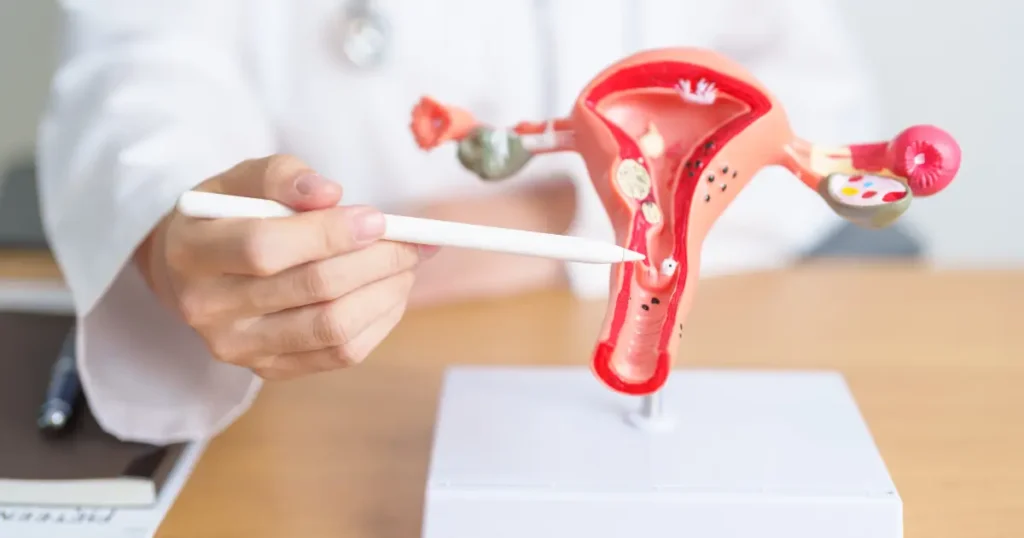
Most people have these at some point without even knowing it. They are small, fluid-filled sacs that can sit on or inside your ovary.
Common during reproductive years
If you are still having your period, your ovaries are very active. This is the most common time for a cyst to appear.
Often harmless and go away on their own
The good news is that most of these sacs are not dangerous. They often show up during a normal cycle and fade away after a month or two.
Types of Ovarian Cysts (Basic Overview)
Functional Cysts
- Follicular cyst: This happens when a follicle does not release an egg and keeps growing.
- Corpus luteum cyst: This forms after an egg is released if the sac seals up and collects fluid.
Other Types
- Dermoid cysts: These contain different types of body tissue.
- Endometriomas: These are linked to endometriosis.
- Cystadenomas: These grow on the outer surface of the ovary.
Ovarian Cyst Symptoms: What Does It Feel Like?
It can be hard to describe the feeling to someone else. It often feels like a deep pressure rather than a surface pain.
Most Common Symptoms
- Dull or sharp lower belly pain: You will usually feel this on just one side.
- Bloating or fullness: Your stomach might feel tight or heavy.
- Irregular periods: Sometimes a cyst can mess with your cycle timing.
Less Common but Noticeable Signs
You might feel a sharp twinge during exercise or a long walk. Some people feel pain during intimacy. Others might feel like they need to urinate more often because of the pressure.
Real-Life Sensory Feelings
- “A slow, heavy pressure on one side… like something sitting there.”
- “A random sharp pinch while getting up from a chair.”
- “That bloated, tight feeling after a long gorom (hot) day.”
Where Does Ovarian Cyst Pain Occur?
Knowing exactly where it hurts can help you talk to your doctor. It is usually low down in your pelvic bowl.
Common Pain Areas
The pain is most often in the lower abdomen on the left or right side. It can also feel like a dull ache in the pelvic region or even your lower back.
How Pain Can Spread
Sometimes the feeling radiates down to your thighs. If the cyst is large, you might feel a mild pressure near your bladder.
When Ovarian Cysts Cause No Symptoms
Many people are surprised to find they have a cyst during a routine check. This is because small ones often stay “silent.”
Silent Cysts
These are usually found during an ultrasound for something else. You might feel zero pain or discomfort.
Why Some Cysts Go Unnoticed
If the sac is very small, it does not press on anything. It lives in your body according to your natural hormonal cycle and then disappears.
When Symptoms Become Serious (Warning Signs)
While most are fine, you must know when to seek help fast. Trust your body if the pain feels “different.”
Emergency Symptoms
- Sudden, severe abdominal pain: This is pain that stops you in your tracks.
- Fever or vomiting: These are signs your body is struggling.
- Dizziness or fainting: This can mean something is wrong inside.
Possible Complications
Two main issues are “ovarian torsion,” where the ovary twists, or a “ruptured cyst,” where the sac bursts. Both need medical care right away.
Normal vs Serious Ovarian Cyst Symptoms
This table helps you decide if you should wait or call a doctor. Always err on the side of caution.
| Symptom Type | What It Feels Like | What To Do |
| Mild | Light ache, bloating | Monitor at home |
| Moderate | Ongoing discomfort | Consult your doctor |
| Severe | Sharp, sudden pain | Seek urgent care |
What Causes Ovarian Cysts? (Simple Science)
Cysts are usually just a part of how the body works. They are tied closely to your hormones.
Hormonal Causes
Most cysts happen during ovulation. If your hormones are slightly out of balance, a follicle might grow too large.
Medical Conditions Linked
Issues like endometriosis or Polycystic Ovary Syndrome (PCOS) make cysts more likely. These conditions need their own specific care plan.
Ovarian Cyst Symptoms vs Period Pain
It is so easy to mix these up! However, the timing and the “type” of pain are different.
Key Differences
Period pain usually hits both sides and stays for a few days. Cyst pain can be random and stays on one side.
Ovarian Cyst vs Period Cramps
Use this quick guide to tell the two apart during your next cycle.
| Feature | Ovarian Cyst Pain | Period Pain |
| Location | One side | Both sides |
| Timing | Random | During period |
| Feeling | Sharp/dull | Crampy |
How Doctors Diagnose Ovarian Cysts
If you have concerns, a doctor has simple ways to see what is going on. It is usually a very quick process.
Common Tests
A pelvic exam is the first step. Then, an ultrasound scan gives a clear picture of the ovary and the sac.
Additional Checks
Sometimes doctors use blood tests. They might also give you a pregnancy test to rule out other reasons for the pain.
Tools to Track Symptoms and Cycles (Practical Help)
I find that keeping a record is the best way to stay calm. It helps you see if the pain is truly a pattern.
Period Tracking Apps
These apps let you log your daily feelings. Over time, you can see if your side pain only happens when you ovulate.
Symptom Journaling
A simple notebook works great too. Note the day, the time, and what triggered the pain. For example: “Monday evening… right-side dull ache after walking.”
Symptom Tracking Tools Comparison
Choose the tool that fits your lifestyle. Digital tools are great for speed, but paper is better for detail.
| Tool Type | Best For | Ease of Use |
| Apps | Daily tracking | Very easy |
| Notebook journal | Detailed notes | Moderate |
Treatment Options for Ovarian Cysts
Most of the time, the “treatment” is just waiting. Your body is very good at fixing these on its own.
Watchful Waiting
Your doctor might ask you to come back in a few weeks. They want to see if the cyst shrinks naturally.
Medications
Hormonal birth control can help prevent new cysts from forming. It keeps your hormones on a steady path.
Surgical Options
If a cyst is very large or does not go away, a small surgery might be needed. This is usually done through tiny cuts in the belly.
USA Expert Insight on Ovarian Cyst Symptoms
Dr. Sherry Ross is a well-known expert in the USA. She shares a very important message for all women.
“Most ovarian cysts are harmless, but sudden severe pain should never be ignored.”
Expert Advice
- Track monthly: Keep an eye on your patterns.
- Don’t ignore changes: If a dull ache becomes a sharp pain, take note.
- Seek care: Never feel bad about going to the ER for severe pain.
Real-Life Example: What It Felt Like
It was a slow afternoon when I suddenly felt a sharp pain on my left side. I thought it was just gas or my period coming early. I felt a bit bloated and tired. After a few days, the pain stayed in one spot. I went to the doctor, and they confirmed it was a small cyst. Knowing what it was helped me relax while it healed.
Tips to Manage Ovarian Cyst Discomfort at Home
You can do a few small things to feel better while you wait for a cyst to pass.
Simple Relief Methods
A heat pad on your lower belly works wonders. Make sure to get plenty of rest and try some light, gentle stretching to ease the pressure.
Lifestyle Support
Stay very hydrated to help with bloating. A balanced diet can also keep your hormones happy and your energy up.
FAQs About Ovarian Cyst Symptoms
Yes, the vast majority of functional cysts disappear within one to three months.
Many cause no pain at all, but some cause a dull ache or sharp twinges.
Yes, they can sometimes cause spotting or make your period start late.
Worry if the pain is sudden, severe, or comes with a fever.
Stress does not cause them directly, but it can affect your hormones, which might lead to a cyst.
You cannot feel it move, but the pressure might shift when you change positions.
Final Thoughts
Your body sends signals, sometimes soft, sometimes loud. Learning about ovarian cyst symptoms is about being aware, not being afraid. Most of the time, your body knows exactly what to do. Stay calm, track your feelings, and always reach out for help if the signal gets too loud.
To manage your health effectively, I recommend tracking your ovarian cyst symptoms for at least two full cycles. Use a dedicated app to note the intensity and location of any pelvic pain. If you experience persistent bloating or a heavy feeling that does not align with your period, schedule an ultrasound.
This proactive approach provides your doctor with clear data for a faster diagnosis. Remember that early awareness is key to avoiding complications like torsion. Always prioritize your comfort and do not hesitate to seek a second opinion if your pain persists. Your long-term wellness depends on listening to those small signals your body sends every day.