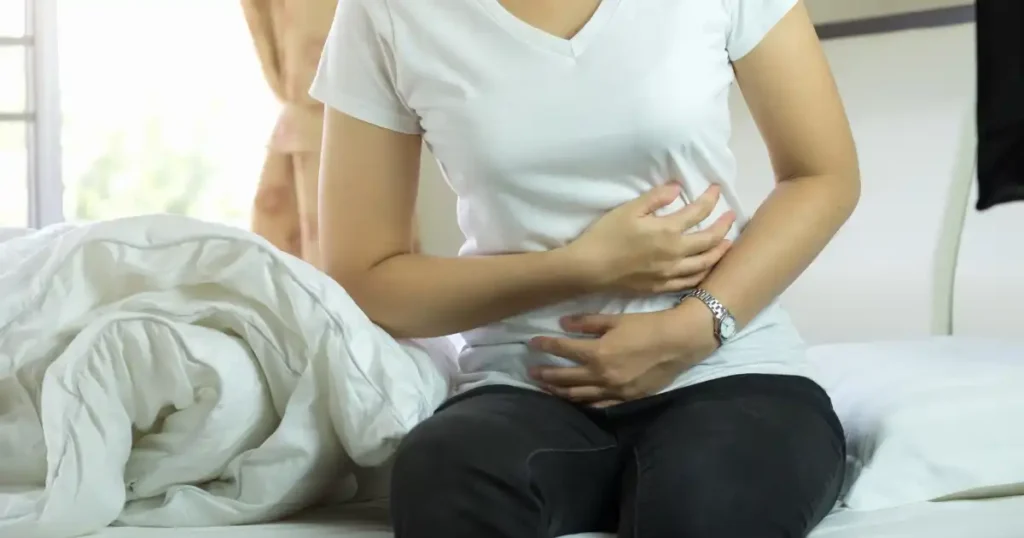
Ever sat at your desk in Denver and felt a sudden, sharp pinch in your side? Many of us wonder what ovulation cramps feel like during that middle part of the month. It can be a confusing sensation if you are not expecting it. My goal is to share my experience so you can understand your body better.
What Are Ovulation Cramps (Mittelschmerz)?
When you feel a little twinge in your lower belly mid-cycle, you are likely meeting your friend, Mittelschmerz. It sounds like a complex term, but it is just the body doing its job.
Define ovulation cramps in plain words
Simply put, these are small pains or discomforts that happen when your ovary releases an egg. It is a sign that your monthly cycle is moving right along.
Explain the term mittelschmerz
The word comes from German. “Mittel” means middle and “schmerz” means pain. Since it happens in the middle of your cycle, the name fits perfectly.
Why they happen during the menstrual cycle
During your cycle, an egg grows in a tiny sac called a follicle. When that sac breaks to let the egg out, it can cause a bit of pressure or a tiny bit of fluid release. This is what you feel.
Who is more likely to feel them
Not everyone feels this every month. Some people are just more sensitive to the shifts in their pelvic area. If you track your cycle closely, you might notice it more often.
Where in Your Cycle They Usually Happen
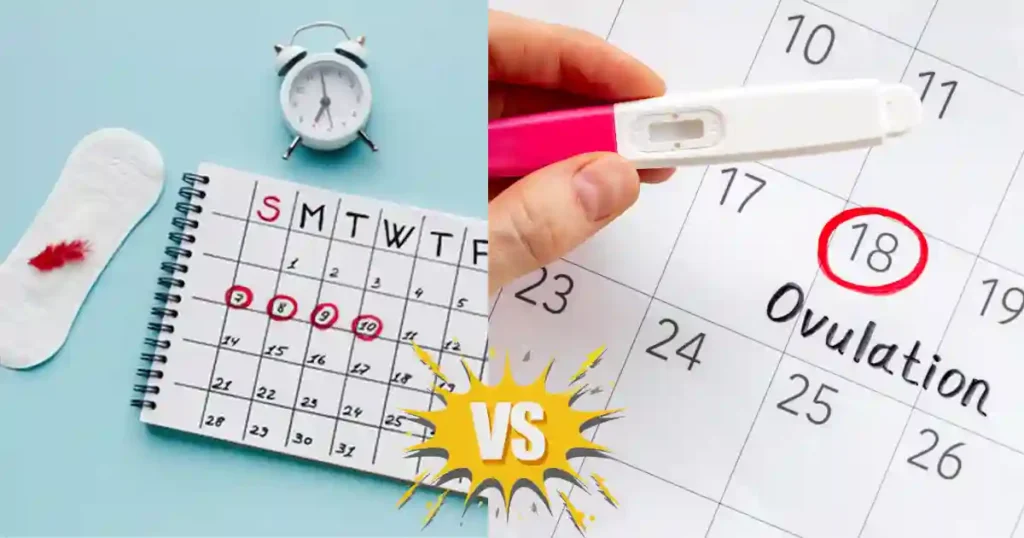
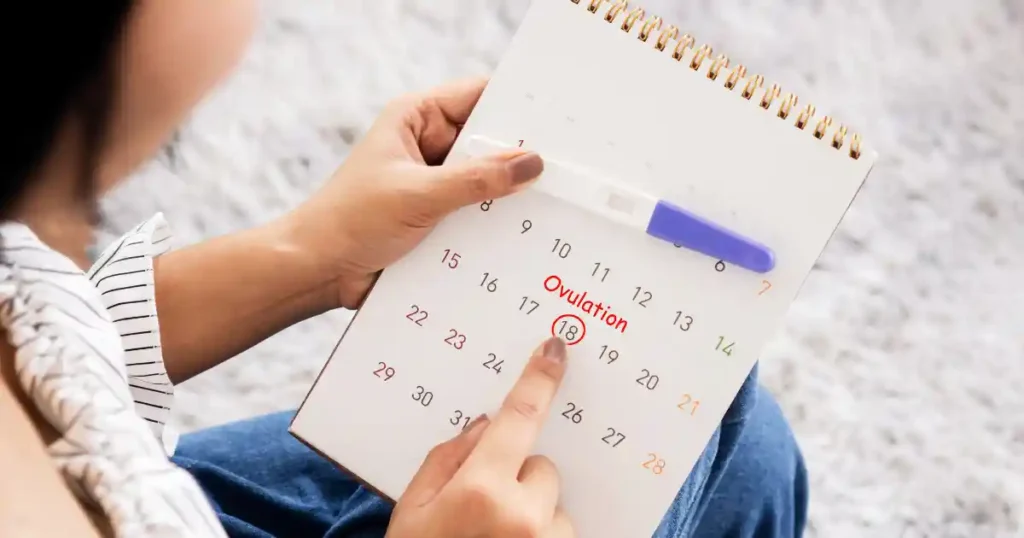
Mid-cycle timing (around day 10–16)
If you have a 28-day cycle, look out for this around the two-week mark. It is like a biological clock ticking right in your abdomen.
How it may shift month to month
Your body is not a robot. Stress or travel can move your ovulation day. One month it might be day 12, and the next it could be day 15.
Real-life example
Think of a random Tuesday afternoon. You are sipping tea and suddenly feel a small pull near your hip bone. It is quick and subtle, but it is there.
What Do Ovulation Cramps Feel Like? (Real Sensations Explained)
Knowing the exact feeling helps take the worry away. It is usually much lighter than a period cramp and feels very specific to one spot.
Common Sensations People Report
- Dull ache: This feels like a light muscle pull after a long walk.
- Sharp twinge: A quick, sudden pinch that makes you blink.
- One-sided pain: You will feel it on either the left or right side, depending on which ovary is busy.
- Mild pressure: A bit of bloating that makes your jeans feel a tiny bit tight.
Less Common but Still Normal Feelings
Some people feel a brief stabbing pain that fades in seconds. Others might feel a slight burning or a pulling sensation when they stretch or reach for something on a high shelf.
Real-Life Sensory Examples
- “It feels exactly like a tiny stitch in your side after running.”
- “Like a small bubble popping deep inside.”
- “A soft cramp that comes and goes while sitting in class or at work.”
How Long Do Ovulation Cramps Last?
The good news is that these pains do not overstay their welcome. They are usually much shorter than the aches you get during your period.
Typical Duration
For most, it lasts a few minutes to a few hours. In some cases, you might feel a lingering heaviness for a day or two.
Why Duration Varies
The timing depends on how fast the egg is released. Your hormone levels and how sensitive your nerves are also play a big role in how long you feel it.
Where Do Ovulation Cramps Hurt? (Pain Locations)
Pinpointing the spot helps you rule out other things like an upset stomach. It is almost always low and to the side.
Common Pain Areas
- Lower abdomen: Usually just inside the hip bone.
- Pelvic region: A deep, centered heaviness.
- Lower back: A very mild ache that stays on one side.
Comparing Body Pains
Understanding the difference between cycle pains and digestive issues is key. Use this table to help you identify what you are feeling right now.
| Type of Pain | Feeling Type | Location | Timing |
| Ovulation cramps | Sharp or dull | One side lower belly | Mid-cycle |
| Period cramps | Deep, throbbing | Whole lower abdomen | During period |
| Digestive pain | Crampy, gassy | Anywhere in belly | After eating |
What Causes Ovulation Cramps? (Simple Science)
You do not need a medical degree to understand what is going on. It is all about the egg making its grand exit.
Main Causes
The follicle stretches right before the egg pops out. When it does, a tiny bit of fluid or blood might irritate the lining of your belly. This is very normal and safe.
Hormones and Body Signals
Estrogen rises first, then a surge of Luteinizing Hormone (LH) triggers the release. Some people have higher levels of these signals, making the sensation stronger.
Ovulation Cramps vs Period Cramps: Key Differences
It is easy to mix them up, but they have very different “personalities.”
Key Differences Explained
Period cramps usually involve the whole uterus contracting. Ovulation pain is more localized. While period pain is heavy and dragging, ovulation pain is often light and “pokey.”
Quick Difference Snapshot
This simple chart shows you how to tell them apart at a glance. It is helpful when you are trying to track your fertility.
| Feature | Ovulation Cramps | Period Cramps |
| Timing | Mid-cycle | Menstruation |
| Pain Area | One side | Both sides |
| Duration | Short | Longer |
Are Ovulation Cramps a Sign of Fertility?
Yes, they are! If you feel that mid-cycle pinch, your body is likely in its peak fertile window.
What It Means for Your Body
This is a natural way to track your cycle. It tells you that an egg is ready. For those trying to plan a pregnancy, this is a very useful signal.
Other Signs to Watch
- Cervical mucus: It becomes clear and stretchy, like egg whites.
- Temperature: A slight rise in your resting body temperature.
- Libido: You might feel a natural boost in your mood and desire.
When Ovulation Pain Is Not Normal
Most of the time, this pain is harmless. However, you should always listen to your gut if something feels wrong.
Warning Signs
If the pain is severe or you can’t walk, that is a red flag. Also, watch out if it lasts more than two days or comes with a fever or nausea.
Possible Conditions
Sometimes, what feels like ovulation could be an ovarian cyst or endometriosis. If the pain is new or getting worse each month, talk to a professional.
How to Relieve Ovulation Cramps (Simple Tips That Work)
You do not have to just sit there and hurt. There are easy ways to feel better fast.
At-Home Relief Methods
A warm compress or a heating pad is your best friend here. Gentle stretching or a warm bath can also relax those pelvic muscles. Don’t forget to stay hydrated!
Over-the-Counter Options
If the pain is bothersome, standard pain relievers can help. Always follow the label and check with a doctor if you take other medications.
Quick Relief Methods Comparison
Choose the method that fits your schedule and how much discomfort you feel.
| Method | Best For | Speed of Relief |
| Heat pad | Mild cramps | Fast |
| Rest | Ongoing discomfort | Moderate |
| Pain relievers | Stronger pain | Fast |
USA Expert Insight on Ovulation Pain
I always look to experts to confirm my own experiences. Dr. Alyssa Dweck, a well-known US-based gynecologist, offers great perspective.
“Ovulation pain is usually mild and short. But tracking it can help you understand your cycle better.”
What Experts Recommend
- Track your cycle: Use an app or a paper calendar to note the days you feel pain.
- Note patterns: Does it happen on the right side one month and the left the next?
- Seek care: If the pattern changes suddenly, get a check-up.
Real-Life Example: What It Felt Like for Me
It was a warm afternoon when I first noticed it. I felt a slight pinch on my right side. At first, I thought I was just hungry or had worked out too hard. But then I noticed it happened again exactly 28 days later. It was a gradual fade after a few hours. Once I saw the pattern, I stopped worrying and started using it to know my body better.
FAQs About Ovulation Cramps
Yes, they can, but many people find they only feel them every few months.
In most cases, yes. It is a very strong sign that your body is in the ovulation phase.
It is rare to feel it on both sides at once, as usually only one egg is released. However, it can switch sides from month to month.
They are usually very mild. If they are very painful, it is worth a chat with your doctor.
Indirectly, yes. Stress can change when you ovulate, which might make the sensations feel different.
Only if the pain is severe, keeps you from daily life, or is accompanied by bleeding or fever.
Final Thoughts
Your body is not random, it is talking to you. Learning what ovulation cramps feel like is just one more way to connect with your natural rhythm. It is a sign of a healthy, working system. Be kind to yourself, grab a heating pad if you need it, and enjoy the peace of mind that comes with knowing your body.
To truly master your cycle, I recommend using a tracking app alongside your physical symptoms. Pay close attention to your body’s unique signals. If you notice a consistent “twinge,” mark it down. This data is vital for your health records. Always consult a specialist if your pain patterns shift or become intense. Your proactive care is the best way to ensure long-term reproductive wellness.