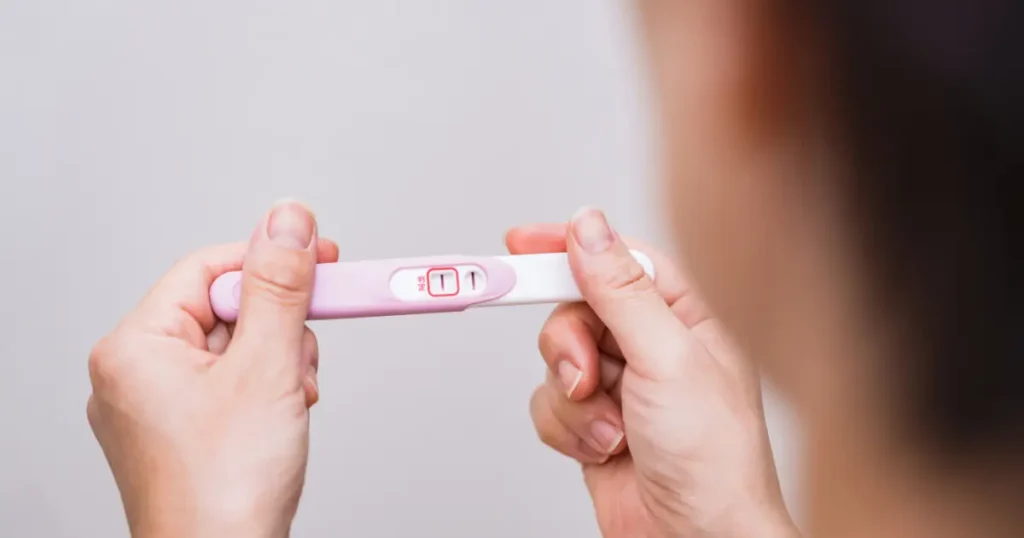
Waiting to see a positive result can feel like the longest part of the month. Many friends in Nevada have asked me exactly how long they should wait. If you check too soon after ovulation test for pregnancy results might not be right. I have learned that giving your body a few extra days makes a huge difference. Let us walk through the best timing together so you can feel more confident.
Quick Answer: When Can You Test After Ovulation?
The best time to take a test is between 10 and 14 days after you ovulate. This range gives your body enough time to build up the signals a test needs to see.
Most accurate: 10–14 days after ovulation (DPO)
By this point, most tests can easily find the pregnancy hormone. It is the gold standard for a clear answer.
Early tests possible at 8–10 DPO
Some high-sensitivity tests can pick up a signal earlier. However, these are less reliable and can lead to confusion if the line is very faint.
Why waiting a few days matters
Your body needs to finish the process of implantation before a test can work. If you rush it, you might get a negative even if you are pregnant.
What Happens After Ovulation? (Simple Timeline)
Your body goes through a very specific set of steps once the egg is released. Knowing this timeline helps you understand why you cannot test immediately.
Day-by-Day After Ovulation (DPO Guide)
1–3 DPO
The egg has been released and may meet a sperm. At this stage, there is no hormone for a test to find.
4–6 DPO
The fertilized egg is making its way to the uterus. It is still a tiny group of cells on a journey.
6–10 DPO (Implantation Window)
This is a big moment. The egg attaches to the wall of the uterus. Only after this happens does the hormone hCG start to form.
10–14 DPO
Now the hCG levels rise quickly. Every 48 hours, the amount in your body can double. This is the best window for testing.
DPO Timeline and Testing Chances
This table helps you see how your chances for a correct result grow each day. It is a great way to stay patient during the wait.
| Days Past Ovulation | What’s Happening | Can You Test? |
| 1–5 DPO | Travel phase | No |
| 6–8 DPO | Possible implantation | Too early |
| 8–10 DPO | Early hCG rise | Maybe (low accuracy) |
| 10–14 DPO | hCG detectable | Yes (best time) |
What Is hCG and Why It Matters for Testing
HCG is often called the “pregnancy hormone.” It is the only thing a home test is looking for in your urine.
How hCG Works
Once implantation happens, your body starts making hCG. It tells your system to stop your period and start supporting a pregnancy.
Why Testing Too Early Gives False Negatives
If you test before implantation, there is zero hCG. Even a few days after, the levels might be too low for a home kit to see. This leads to a “false” negative.
Earliest Signs You Might Be Pregnant Before Testing
Sometimes your body hints at what is happening before a plastic stick can confirm it. I have noticed these subtle shifts myself.
Early Physical Signs
- Mild cramping: This is often a light “twinge” during implantation.
- Light spotting: A few drops of pink or brown blood are common.
- Breast tenderness: They might feel heavy or sensitive to the touch.
Subtle Body Changes
You might feel more tired than usual. Some people notice a slight metallic taste in their mouth or a sudden shift in their mood. These are all early clues.
Types of Pregnancy Tests and When to Use Them
Not all tests are built the same way. Choosing the right one for your timeline is very important.
Urine Pregnancy Tests (Home Kits)
When to Use
These are best used after you have missed your period. If you use “Early Result” kits, you can try starting at 10 DPO.
Pros and Cons
They are cheap and easy to use at home. The downside is that they can be wrong if your urine is too diluted or if you test too early.
Blood Tests (Clinical Testing)
When to Use
A doctor can check your blood as early as 6 to 8 days after you ovulate.
Pros and Cons
They are very accurate and can find even tiny amounts of hCG. However, they require a visit to a clinic and can be more expensive.
Pregnancy Test Types Comparison
Use this chart to decide which test fits your current needs. It simplifies the choice between home and clinic options.
| Test Type | Earliest Detection | Accuracy Level | Where to Use |
| Urine test | 8–10 DPO | Medium early | Home |
| Blood test | 6–8 DPO | Very high | Clinic |
Factors That Affect How Soon You Can Test
Every body works on its own clock. What works for a friend might not work for you this month.
Cycle Length Variations
If your cycle is usually long or short, you might ovulate later than you think. This moves your whole testing window back.
Implantation Timing
Implantation can happen on day 6 or as late as day 12. If yours happens late, you will need to wait longer for a positive test.
Test Sensitivity
Some brands can see hCG at 10 mIU/mL, while others need 25 mIU/mL. Check the box to see how sensitive the test is.
Real-Life Example: The Waiting Game Feels Long
I remember a quiet Sunday morning when I was staring at a test strip. I was only 8 days past my ovulation. The result was negative, and I felt so let down. But I waited three more days and tried again. That time, a faint pink line appeared. It taught me that my body just needed a few more days to show the truth.
Common Mistakes When Testing Too Early
Avoid these simple errors to keep your stress levels low. Testing correctly is just as important as testing at the right time.
Testing Before Implantation
There is simply no way for a test to be positive if the egg has not attached yet. Patience is key here.
Testing at Night
During the day, you drink water and tea. This thins out your urine. It makes it harder for a test to find the hormone.
Misreading Results
Sometimes a faint “evaporation line” can look like a positive. Or, a real positive might be so light you miss it. Always read the test within the time limit on the box.
Early Testing Mistakes and Fixes
Follow these tips to get the most reliable answer possible. These small changes can fix common testing errors.
| Mistake | What Happens | Better Approach |
| Testing too early | False negative | Wait 2–3 more days |
| Testing at night | Weak result | Test in morning |
| Low-sensitivity test | Missed detection | Use early response test |
USA Expert Insight on Pregnancy Testing Timing
I often look to experts like Dr. Mary Jane Minkin from the Yale School of Medicine. Her advice has helped many people avoid unnecessary worry.
“The biggest mistake I see is testing too early. Waiting even 48 hours can make a big difference.”
Expert Tips
- Use first morning urine: This is when your hormone levels are most concentrated.
- Retest after 48 hours: If you get a negative but still feel pregnant, wait two days.
- Don’t panic: One negative result early on does not mean you are out for the month.
Tips to Get the Most Accurate Pregnancy Test Result
Follow these steps to ensure you get the right answer the first time you try.
Before Testing
Track your ovulation carefully using strips or an app. Choose a test that is known for early detection if you are testing before your missed period.
During Testing
Always use your first urine of the day. Follow the instructions on the box exactly. Some tests need you to dip them, while others need a stream.
After Testing
Wait the exact amount of time listed. Reading it too early or too late can lead to a wrong result. If the result is confusing, try again in two days.
FAQs About Testing After Ovulation
No. This is too early for any test to work.
Yes, in almost all cases. Implantation usually has not finished yet.
Between 12 and 14 DPO is the most reliable time for a home kit.
No, your body does not make the hormone until after implantation.
You might have ovulated later than you thought, or your hCG levels are still too low to see.
Wait at least 48 hours. This gives the hormone levels time to double.
Final Thoughts
The wait can feel like forever, but your body needs this time to show the answer. Be kind to yourself while you wait. Trust the process and remember that a few extra days will give you the most accurate result. You are doing great, and the answer will come soon enough.
For the most reliable result after ovulation test for pregnancy, I recommend waiting until at least 12 DPO. Using a high-sensitivity digital test can also help remove any doubt about faint lines. If you get a negative result but your period is still missing, wait two full days and retest with your first morning urine.
This strategy ensures you are capturing the highest concentration of hCG. Always consult your doctor if you experience unusual symptoms or prolonged cycles. Staying patient is hard, but it is the best way to get a clear and honest answer from your body.