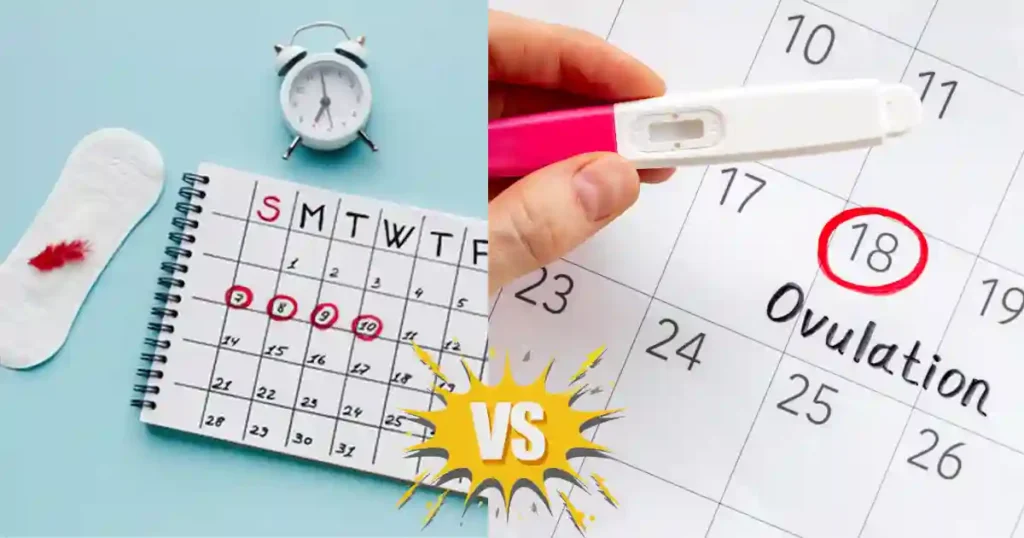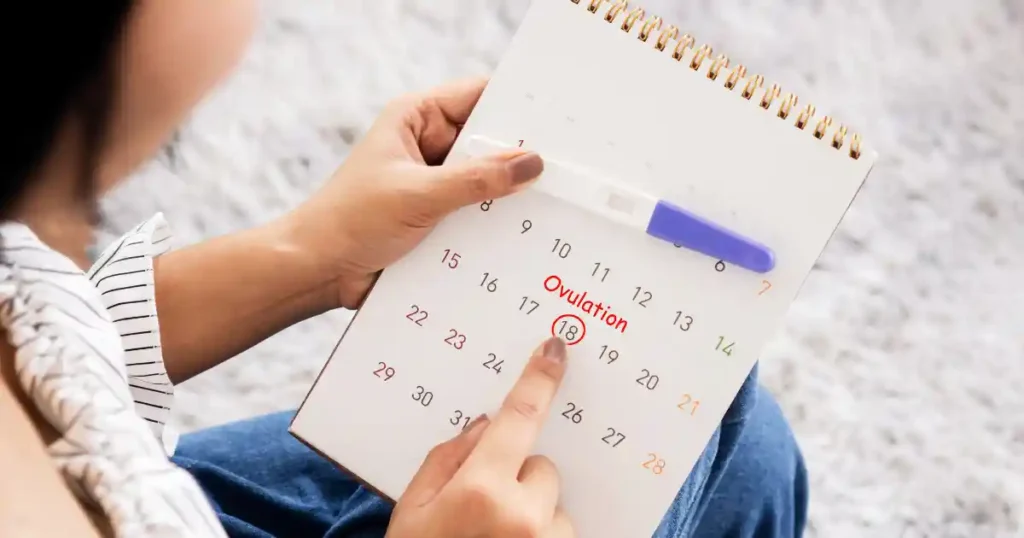

Trying to track ovulation was one of the most confusing things I ever did when I first started paying attention to my cycle. Nobody tells you how many methods exist, which ones work, or when to combine them. Once I understood the science behind it and built a simple daily habit, everything clicked into place. Whether you are trying to conceive, avoid pregnancy, or just understand your body better, learning to track ovulation is one of the most useful things you can do for your reproductive health. This guide covers everything you need to know, from basic tools to expert-backed strategies.
What Is Ovulation and Why Should You Track It
Before you can track ovulation well, you need to understand what it actually is. Ovulation is the release of a mature egg from one of the ovaries. It happens once per cycle. The egg survives for just 12 to 24 hours. That short window is why tracking matters so much.
The fertile window is wider than just that one day. Sperm can live inside the body for up to five days. So the total window for conception spans roughly five to six days per cycle. Miss it by a few days, and the chance of pregnancy drops to nearly zero.
Tracking ovulation also helps you understand your hormonal health. The timing and quality of ovulation reflects what is happening with estrogen, progesterone, and luteinizing hormone (LH) in your body. If something is off, your tracking data often shows it first.
Best Methods to Track Ovulation
There is no single best method. The most effective approach combines two or more signals together. Here is a clear breakdown of the most reliable options available today.
Ovulation Predictor Kits (OPKs)
OPKs are urine-based test strips that detect the LH surge that triggers ovulation. Detection of the LH surge in urine is very sensitive and specific for ovulation and provides strong accuracy for determining conception capacity. The LH surge typically happens 24 to 48 hours before ovulation. That gives you a real advance warning.
To use OPKs effectively, test at the same time each day. Research recommends midday or early evening for best accuracy, since LH levels build throughout the day. A positive result means the surge is present and ovulation is likely within 12 to 48 hours.
One key limitation: while OPKs can indicate positivity prior to ovulation, false readings are common. A positive strip tells you an LH surge was detected. It does not confirm that ovulation actually occurred. That is why pairing OPKs with a second method is important.
Basal Body Temperature (BBT) Tracking
BBT is your resting body temperature, taken first thing in the morning before you get up or speak. After ovulation, progesterone causes a slight temperature rise of about 0.2 to 0.5 degrees. This rise confirms that ovulation has already happened.
The key word there is “already.” BBT tells you after the fact. That makes it more useful for pattern recognition over several cycles than for pinpointing ovulation in real time. Track it for two to three cycles and you will start to see a clear pattern showing when your temperature rises each month.
BBT does not clearly change until one to two days after ovulation, so it works best as a confirmation tool, not a predictor. Use it alongside OPKs for a more complete picture.
Cervical Mucus Monitoring
This method costs nothing and gives real-time data. Cervical mucus changes throughout the cycle based on estrogen levels. During the periovulatory period, under the effect of estrogen, the production of acellular water increases and the production of mucin decreases. Women experience an increased amount of watery discharge resembling raw egg white during this period.
That egg-white consistency is your clearest physical sign that ovulation is near. In studies comparing cervical mucus observation to ultrasound-confirmed ovulation, cervical mucus detection of expected ovulation correlated to plus or minus one day of ultrasonography-detected ovulation in 160 out of 215 cycles, or 74.4%.
Check mucus daily by wiping with clean toilet paper or using clean fingers. Note the color, texture, and amount. Start after your period ends and check at the same time each day for consistent data.
Hormone-Based Fertility Monitors
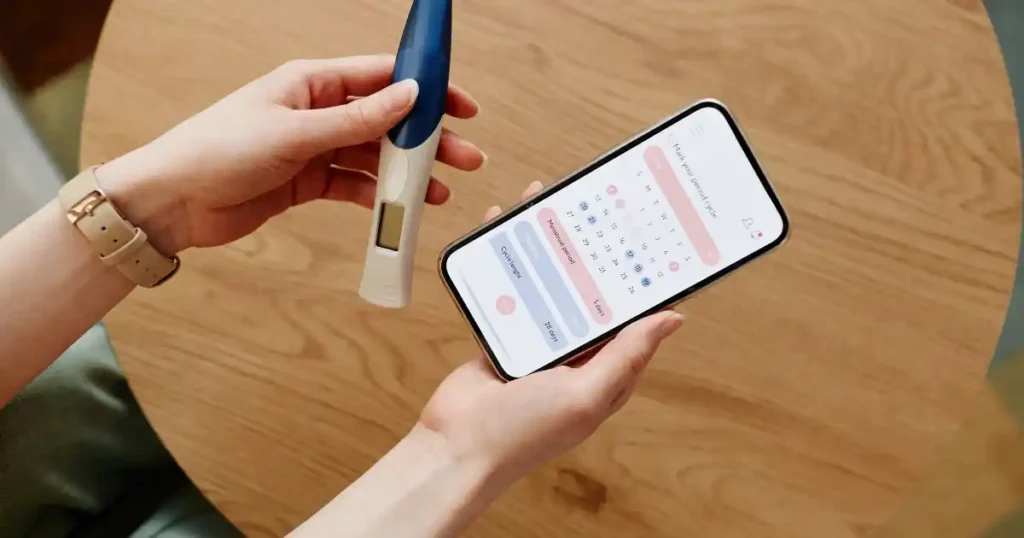
Devices like the Mira Fertility Monitor measure actual hormone concentrations in urine, not just a positive or negative strip result. Those tracking ovulation should choose methods that are affordable and accessible, and that they are most likely to adhere to. Menstrual cycle tracking apps are likely to play a role in ovulation tracking, but users should be cautious of predictions that are not based on real hormonal biomarker data, such as hormone testing, BBT, or cervical mucus.
These monitors are more expensive but give lab-quality precision at home. For anyone with irregular cycles, PCOS, or a history of unexplained infertility, they are worth the investment.
Ovulation Tracking Methods at a Glance
Here is a quick comparison of the most used methods so you can decide what fits your needs.
| Method | What It Detects | Timing | Best For | Accuracy |
|---|---|---|---|---|
| OPK (LH test strip) | LH surge | 24-48 hrs before ovulation | Regular cycles | High |
| Basal Body Temperature | Post-ovulation temp rise | After ovulation | Pattern confirmation | Moderate |
| Cervical Mucus | Estrogen-driven mucus changes | Days before ovulation | Free, daily tracking | Moderate-High |
| Hormone Fertility Monitor | LH, E3G, PdG, FSH levels | Before and after ovulation | Irregular cycles, PCOS | Very High |
| Cycle Tracking App | Algorithm-based prediction | Ongoing | Basic awareness | Moderate |
How to Use Ovulation Calculators Effectively
Online tools are fast. But they are not magic.
What Data You Need to Input
An ovulation calculator needs two things from you: the date your last period started and your average cycle length. Some ask for how many days your period typically lasts too.
Enter accurate data. If your last three cycles were 27, 29, and 28 days, use 28 as your average. Do not use a cycle that was clearly abnormal due to stress, illness, or travel.
How Calculators Predict Ovulation
Most calculators use the Ogino-Knaus method. They subtract 14 days from your expected cycle length to estimate ovulation. For a 28-day cycle, that puts ovulation at day 14. For a 30-day cycle, it is around day 16.
This is based on the assumption that the luteal phase (after ovulation) is consistently 14 days. That is true for many people with regular cycles. The follicular phase (before ovulation) is the part that varies.
Calculators work best when your cycles are regular and consistent. Feed them three to six months of real data and the predictions improve significantly.
Limitations You Should Know
Ovulation calculators cannot account for cycle-to-cycle variation. Stress, illness, travel, and sleep disruption can all shift ovulation by several days. A calculator does not know any of that.
They also cannot confirm whether ovulation actually happened. They predict based on past averages. Always combine calculator estimates with physical signs like mucus changes or an OPK result for real confirmation.
Expert Advice on Ovulation Tracking
“Ovulation tracking is most accurate when you combine hormone testing with physical signs,” says Dr. Jennifer Ashton, a New Jersey-based OB-GYN. Dr. Ashton is a double board-certified OB-GYN and obesity medicine physician with a master’s degree in nutrition, known for providing evidence-based, practical health guidance to help women make informed decisions at every stage of life. Her advice reflects exactly what the research confirms: no single method tells the full story.
What Experts Recommend
The current evidence supports a combined approach. The most accurate methods for detecting ovulation at this time are cervical mucus monitoring, basal body temperature, and urinary hormone testing. Urinary hormone testing with PdG can also help determine the overall health of the luteal phase, while other tracking methods provide only the length of the luteal phase.
Practically, this means combining OPKs with cervical mucus tracking covers you before ovulation, while BBT confirms it happened. Track this way for at least three full cycles before drawing conclusions. One cycle is not enough data.
Do not rely on apps alone. Apps predict based on your entered data. They cannot measure your hormones or detect your mucus patterns. Use them to log and organize, not to make final decisions.
A Real-Life Tip
Some mornings I forget to take my temperature. Life happens. It does not mean the cycle is ruined. Just continue the next day and note the gap in your chart. Consistency over perfection is the goal. Three months of imperfect data is far more useful than zero data from waiting until conditions are perfect.
Common Mistakes When Tracking Ovulation
Mistakes are normal. But avoiding them saves time and frustration.
Relying Only on Apps
Apps are a starting point, not an endpoint. They predict ovulation based on your historical cycle data and statistical averages. That works reasonably well for people with very consistent cycles. For everyone else, app predictions can miss ovulation by two to five days.
An app that predicts ovulation on day 14 does not know that this month you are under unusual stress and may ovulate on day 17. Only real-time physical tracking can catch that shift.
Ignoring Body Signals
Your body gives you real-time data every day. Cervical mucus, energy levels, mild pelvic twinges, and even libido changes are all signals of where you are in your cycle. Many people are never taught to notice these signs.
Start paying attention to mucus texture after your period ends. Note changes daily. Within two to three cycles, the pattern becomes very clear. This is free, always available, and surprisingly accurate.
Inconsistent Tracking
Skipping days creates gaps in your data. A BBT chart with missing readings is hard to interpret. An OPK taken only some days may miss the LH surge entirely if it was brief.
Consistency matters more than which method you choose. Pick something you can do every day without too much friction. A simple app with daily reminders helps. Keep your thermometer and test strips on your nightstand so there is no extra effort involved.
Factors That Can Affect Ovulation Tracking
Sometimes your data looks confusing. There is usually a reason.
Lifestyle Factors
Stress is the most common disruptor. High cortisol levels suppress the hormonal axis that triggers ovulation. A stressful week at work can delay ovulation by several days. Your BBT chart may show a delayed rise. Your OPK results may stay negative longer than expected. Both are normal stress responses.
Poor sleep affects the same hormonal system. Even a few nights of disrupted sleep can shift your temperature readings and delay the LH surge. Take BBT only after at least three consecutive hours of sleep, and at the same time each morning, to keep data reliable.
Travel across time zones disrupts your circadian rhythm. This often delays ovulation in the cycle when you travel and the one that follows. If you recently flew across multiple time zones, factor that into how you interpret your tracking data.
Health Conditions
PCOS makes standard tracking significantly harder. One of the characteristics of PCOS is consistently higher than average LH levels, so some kits may give false positives even when ovulation is not about to occur. If you have PCOS and your OPK shows positive results on multiple days without a clear peak, those may be false positives driven by your elevated baseline LH.
For PCOS, fertility experts recommend using a kit with a threshold well above your baseline to increase the chances of accuracy. Cervical mucus tracking and BBT become more important in PCOS cases precisely because they do not rely on LH levels.
Thyroid imbalance also affects ovulation timing. Both hypothyroidism and hyperthyroidism can disrupt the cycle and shift when ovulation occurs. If your cycles are irregular and tracking results are hard to interpret, a thyroid panel blood test is a sensible first step.
Hormonal imbalances more broadly, including elevated prolactin or low estrogen, can affect mucus patterns and LH surges. If tracking data never shows a clear ovulatory pattern over three or more cycles, speak with a gynecologist.
Environmental Context
Hot and humid climates can slightly elevate baseline body temperature. If you live in a warm region like South Asia or the Gulf Coast in the United States, your BBT readings may trend slightly higher overall. The important signal is the shift in temperature relative to your personal baseline, not absolute numbers. Establish your own normal range first.
Daily routine changes matter too. Shift work, new medications, or changes in exercise habits can all shift your hormonal patterns. Note any major changes in your tracking app so you can account for them when interpreting data.
Signs You May Not Be Ovulating
This section matters a lot for anyone who has been tracking for a while without seeing clear results.
Common Warning Signs
The clearest signs that ovulation may not be occurring regularly include irregular or missing periods, no clear temperature shift across multiple cycles, and an absence of fertile-quality cervical mucus at any point in the month.
A cycle with no mid-cycle mucus change and a flat BBT chart with no rise is a signal worth investigating. One cycle like this is not alarming. Two or three in a row is reason to act.
Other signs include cycles consistently shorter than 21 days or longer than 35 days, spotting between periods, and very light or very heavy periods. These can all point to ovulatory issues.
When to Seek Medical Advice
If you have been trying to conceive for 12 months with regular unprotected intercourse and no success, the standard guideline is to seek a fertility evaluation. For those over 35, that timeline shortens to six months.
If your cycles are severely irregular or absent, do not wait a year. See a doctor sooner. Conditions like PCOS, hypothalamic amenorrhea, premature ovarian insufficiency, and thyroid disorders are all treatable. Earlier diagnosis leads to better outcomes.
Ovulation Tracking Common Questions
How Many Days After My Period Do I Ovulate?
Most people with a 28-day cycle ovulate around day 14, which is 10 to 16 days after the period starts. But cycle length varies. If your cycle is 32 days, you likely ovulate around day 18. If it is 24 days, expect ovulation around day 10.
Count from the first day of your period. Use your average cycle length minus 14 to estimate. Then confirm with physical signs.
What Is the Most Accurate Way to Track Ovulation?
The most accurate methods available are cervical mucus monitoring, basal body temperature, and urinary hormone testing combined. Using OPKs alongside cervical mucus tracking gives you prediction before ovulation and confirmation after. Adding BBT fills in the confirmation step with daily temperature data.
No single method beats a combined approach. This is the consistent finding across the research literature.
Can You Track Ovulation With Irregular Periods?
Yes, but it requires multiple methods used together. App-based predictions are particularly unreliable for irregular cycles because they are built on average patterns. If you have irregular or very long cycles, apps are unlikely to be able to predict ovulation accurately and their usefulness is limited.
With irregular cycles, cervical mucus tracking and OPKs become your primary tools. You may need to test with OPKs over a longer window each month to catch the surge. Hormone monitors that give quantitative LH readings are especially useful for irregular cycles.
Are Ovulation Apps Reliable?
Helpful, yes. Fully reliable, no. Apps organize your data and give estimates. Their predictions improve with more logged cycles. But they cannot detect your real-time hormonal state.
Think of an app as your tracking notebook with smart reminders, not a medical diagnostic tool. Use it to log your OPK results, mucus observations, and BBT readings. Then let it find the patterns.
How Long Does Ovulation Last?
Ovulation itself lasts 12 to 24 hours. The egg is only viable for fertilization during that short window. But the fertile period is longer because sperm survive for up to five days inside the body. Plan timing around the five to six days leading up to and including ovulation for the best chance of conception.
Practical Tips to Track Ovulation Better
Small habits make a big difference over time.
Daily Routine Tips
Check cervical mucus at the same time each day, preferably in the morning or evening. Note the texture before any sexual activity, as this can change the mucus quality temporarily.
Take your BBT immediately after waking, before getting up, eating, drinking, or talking. Even sitting up for a few minutes before taking your temperature can raise it slightly. Keep your thermometer on your nightstand to make this easy.
Log everything, even small changes. A slight increase in mucus, a faint second line on an OPK, a 0.1-degree BBT rise. These small signals add up into a clear picture over time. The details matter.
Cycle-Based Planning
Plan important tasks, demanding workouts, or social events around your high-energy days. The follicular and ovulation phases tend to bring more physical energy and mental clarity. Use those days well.
When your tracking shows you are in the late luteal phase, respect your body’s slower pace. Cut back on high-intensity training. Choose lighter work tasks. Rest is productive when your body needs it.
A Personal Note
Some days feel clear and predictable. Others feel messy and confusing. That is normal. Your cycle is not a machine running on a fixed schedule. It responds to your sleep, stress, food, and emotions. Once you accept that and track with curiosity rather than frustration, the data becomes genuinely useful.
Ovulation Tracking Tool Comparison
This table helps you pick the combination that fits your budget and lifestyle.
| Tool Type | Cost | Ease of Use | Best for Irregular Cycles | Predicts or Confirms |
|---|---|---|---|---|
| OPK Test Strips | Low | Very Easy | Limited | Predicts |
| BBT Thermometer | Very Low | Easy | Moderate | Confirms |
| Cervical Mucus Tracking | Free | Moderate | Yes | Predicts |
| Hormone Fertility Monitor | High | Easy | Yes | Both |
| Cycle Tracking App | Free/Paid | Very Easy | No | Predicts only |
Track Smarter, Not Harder
Ovulation tracking does not need to be complicated. You do not need every tool on the market. Start with cervical mucus observation. Add OPKs when you want more certainty. Use BBT to confirm the pattern. Log everything in a simple app.
Stay consistent. Track for at least three cycles before drawing strong conclusions. Your body has a pattern. The data will reveal it.
Over time, your confidence grows. You stop feeling confused by your own cycle and start feeling genuinely informed. That is where real health awareness begins.
Final Recommendation
Learning to track ovulation is one of the most practical investments you can make in your health awareness. From personal experience, the biggest shift happens after three months of consistent tracking. Start with a method you can actually stick to every day, whether that is cervical mucus monitoring, OPK test strips, or a combination of both. Users should be cautious of app predictions that are not based on real hormonal biomarker data, such as hormone testing, BBT, or cervical mucus, so always back up app estimates with physical signs.
If you have irregular cycles or suspect PCOS, invest in a hormone-based fertility monitor that measures quantitative LH levels rather than simple positive or negative strips. If tracking over three cycles shows no clear ovulatory pattern, see a gynecologist promptly. Your data is your starting point for that conversation. Track ovulation consistently, stay curious about what your body is telling you, and let the patterns guide your decisions.
FAQs
What does it mean to track ovulation?
To track ovulation means finding the days when your body releases an egg. It helps you know your fertile window and plan pregnancy or avoid it.
How can I track ovulation at home?
You can track ovulation using cycle dates, body temperature, or ovulation test kits. Many people also use apps for easy tracking.
Why is it important to track ovulation?
Tracking ovulation helps you understand your cycle better. It can improve your chances of pregnancy or help manage your health.
When should I start to track ovulation?
Start tracking ovulation right after your period ends. This gives you time to notice changes before your fertile days begin.
What are signs to track ovulation naturally?
Common signs include clear discharge, mild cramps, and a slight rise in body temperature. These can help confirm ovulation timing.
Can I track ovulation with irregular cycles?
Yes, but it may take more time. Tracking ovulation across several cycles can help you spot patterns and improve accuracy.
Are ovulation tracking apps reliable?
Ovulation tracking apps give useful estimates based on your data. For better results, combine them with physical signs or test kits.