
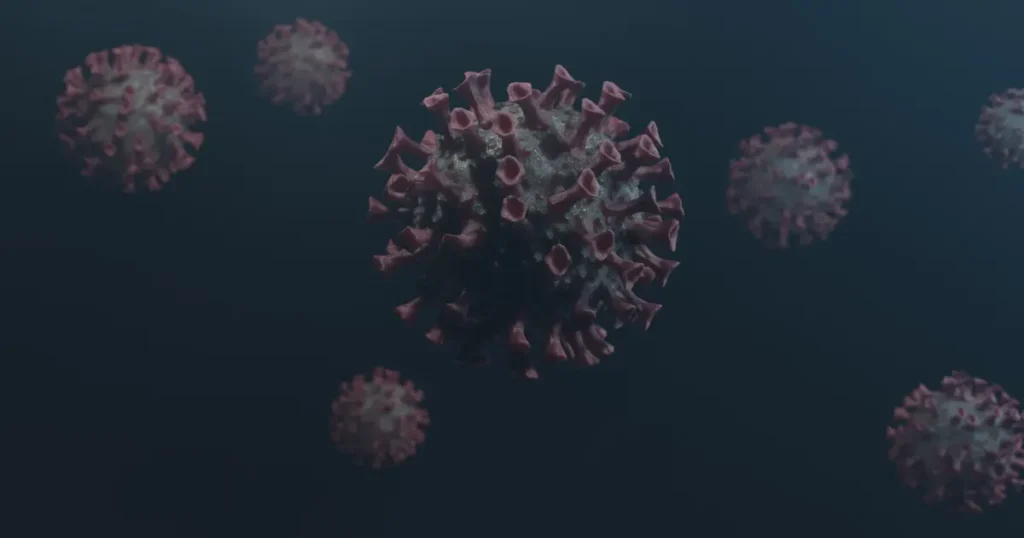
Health officials in Atlanta and international maritime authorities are monitoring reports of a localized respiratory illness outbreak aboard the M/V Hondius during its current Atlantic crossing. While initial social media speculation suggested a hantavirus outbreak, cruise operators and port health authorities have not yet confirmed the specific pathogen. The ship, which recently visited the Canary Islands and Cape Verde, is following strict isolation protocols as medical teams evaluate symptomatic passengers.
What Happened on the MV Hondius Cruise Ship?
Reports of Illness Spark Concern During Atlantic Voyage
The M/V Hondius, an expedition vessel known for remote Atlantic and Antarctic voyages, became the center of international attention this week. Reports surfaced of multiple passengers experiencing severe flu-like symptoms, including high fever and respiratory distress, while the vessel was transit between Cape Verde and St Helena.
The timeline of the reported illnesses suggests a rapid onset:
- Departure: The cruise departed from the Canary Islands with a clean health manifest.
- Arrival at Cape Verde: Passengers explored local areas before the ship began its long Atlantic crossing.
- Mid-Atlantic: The first reports of illness emerged, leading to the isolation of several cabins.
- Online Surge: Passenger concerns shared via satellite internet quickly went viral, causing the phrase “cruise ship virus” to trend globally.
Initial speculation on platforms like X and TikTok pointed toward a “new virus 2026,” but medical experts suggest the symptoms align with several known viral hemorrhagic fevers or respiratory syndromes, including hantavirus.
What Officials Have Confirmed So Far
The cruise operator has issued a statement confirming that a small number of passengers are receiving medical care for “respiratory symptoms.” However, they have been careful to avoid labeling the illness as a hantavirus outbreak until laboratory results are finalized.
According to statements from the World Health Organization (WHO) and the CDC, there is currently no confirmed evidence that this is a widespread hantavirus event. Port health authorities at the ship’s next scheduled stops are prepared to conduct comprehensive testing.
- Current Status: Affected passengers are in stable condition within onboard medical suites.
- Response: The ship has implemented enhanced sanitation and ventilation protocols to mitigate any potential spread.
- Testing: Samples are being prepared for dispatch to specialized laboratories in Switzerland and the United States.
Why the Story Is Getting Global Attention
The fear of a virus on cruise ship environments often triggers memories of past pandemics. Search spikes for “hantavirus cruise ship” and “boat virus” reflect a public that is highly sensitive to maritime health crises. Because cruise ships are enclosed environments, any report of a rare or deadly pathogen like the hanta virus generates immediate international scrutiny.
What Is Hantavirus and Why Are Experts Concerned?
What Is the Hantavirus?
The hantavirus is a family of viruses spread mainly by rodents. In the Americas, it can cause Hantavirus Pulmonary Syndrome (HPS), a severe and sometimes fatal respiratory disease. While many people refer to it as a “rat virus,” it is specifically carried by certain species of mice and rats, such as the deer mouse.
How Does Hantavirus Spread?
How is hantavirus spread? It is primarily transmitted through the inhalation of aerosolized particles. This happens when rodent urine, droppings, or nesting materials are stirred up and breathed in by humans.
- Enclosed Spaces: Cruise ships, while generally clean, cause concern because their ventilation systems move air through confined quarters.
- Indirect Contact: Touching contaminated surfaces and then touching the mouth or nose can also lead to infection.
Can Hantavirus Spread From Human to Human?
A major question for travelers is: Is hantavirus contagious? Generally, the answer is no. Most strains of hantavirus found in North America do not spread between people. However, experts are wary of the Andes virus, a specific strain found in South America that has shown a limited ability for human-to-human transmission.
What Makes Andes Virus Different?
The Andes strain hantavirus is the “exception to the rule.” It was first identified in Argentina and is the only hantavirus known to occasionally spread from person to person. Because the M/V Hondius often travels toward South American waters, epidemiologists are closely monitoring the situation to ensure this is not an Andes virus event.
Hantavirus Symptoms Travelers Should Watch For
Early Symptoms of Hantavirus Infection
Early hantavirus symptoms are often mistaken for the common flu or COVID-19. They typically appear 1 to 8 weeks after exposure.
- Fever and Chills: Sudden onset of high temperature.
- Muscle Aches: Particularly in the large muscle groups like thighs, hips, and back.
- Fatigue: Deep exhaustion that does not improve with rest.
Severe Symptoms That Require Emergency Care
As the disease progresses (usually 4 to 10 days after the initial phase), the “late symptoms” of Hantavirus Pulmonary Syndrome appear:
- Shortness of Breath: Feeling as if there is a tight band around the chest.
- Fluid in Lungs: Productive coughing and extreme difficulty breathing.
- Low Blood Pressure: Potential for the body to go into shock.
How Quickly Symptoms Can Appear
The incubation timeline is one of the most challenging aspects of a hantavirus infection. Because symptoms can take up to two months to appear, a passenger might feel perfectly fine when disembarking the MV Hondius but fall ill weeks later in their home country.
Is Hantavirus in the United States?
Hantavirus Cases Reported in the US
The hantavirus is not a “foreign” threat; it is endemic to the United States. The Southwest region, including New Mexico, Colorado, and Arizona, sees the highest frequency of cases due to the presence of the deer mouse.
Hantavirus in Georgia and Texas
Recent search trends show a rise in queries for hantavirus Georgia and hantavirus Texas. While cases in the Southeast are rarer, they do occur. Public health departments in these states regularly monitor rodent populations for the virus, especially during wet years when rodent food sources are abundant.
What the CDC Says About US Risk
The CDC maintains that the risk to the general American public is “very low.” On average, the U.S. sees about 20 to 50 cases of hantavirus per year. It is not a disease that causes widespread outbreaks in urban centers because it requires direct proximity to specific rodent habitats.
Timeline of the Cruise Ship Hantavirus Scare
Establishing a factual timeline is vital to combat misinformation. Dr. Elena Rodriguez, a travel medicine specialist, notes: “In the absence of a clear timeline, public anxiety fills the gaps. Knowing exactly when a ship visited a port and when the first passenger reported symptoms allows us to calculate the likely incubation period and narrow down the source.”
Timeline of Key Events During the Cruise Outbreak
Health crisis reporting often becomes confusing online. A clear timeline helps separate verified developments from rumors and speculation. Infectious disease experts say timelines are critical during fast-moving outbreak stories because public memory can distort events quickly.
| Date | Event | Location | Official Response |
| April 28 | Cruise Departs | Canary Islands | Standard health screening passed |
| May 1 | Port Call | Cape Verde | Local excursions allowed |
| May 4 | First Illness | Atlantic Ocean | Medical checks begin for 2 guests |
| May 5 | Social Media Spike | Mid-Atlantic | Rumors of “New Virus 2026” trend |
| May 6 | Operator Statement | En Route to St Helena | Isolation protocols activated |
| May 7 | Health Review | Atlantic Crossing | Coordination with WHO and CDC |
How Dangerous Is Hantavirus?
Hantavirus Mortality Rate Explained
The hantavirus mortality rate is significantly higher than that of many other common viruses. Hantavirus Pulmonary Syndrome (HPS) has a fatality rate of approximately 35% to 40%. This high severity is why any reported hantavirus outbreak is treated as a major public health priority.
Hantavirus vs Other Viral Outbreaks
Comparing different pathogens provides a clearer picture of the threat level. While hantavirus is more lethal than the flu or COVID-19, its inability to spread easily between humans makes it a much lower “pandemic” risk.
| Virus | Main Spread Method | Human-to-Human Spread | Estimated Fatality Rate |
| Hantavirus | Rodent exposure | Rare | 35–40% |
| Andes Virus | Rodents / Contact | Limited | Up to 35% |
| COVID-19 | Airborne | Highly Common | < 1% (with vaccine) |
| Norovirus | Surface contact | Common | Very Low |
Is There a Cure or Vaccine for Hantavirus?
Current Hantavirus Treatment Options
There is no specific hantavirus treatment or “cure” like an antibiotic. Instead, doctors provide supportive care. This includes:
- Intubation: Helping the patient breathe using a ventilator.
- Oxygen Therapy: Treating the fluid buildup in the lungs.
- Fluid Management: Maintaining blood pressure in the ICU.
Is There a Hantavirus Vaccine?
Currently, there is no hantavirus vaccine widely approved for use in the United States. Research is ongoing, particularly in South America where the Andes hantavirus is a persistent threat, but most prevention efforts remain focused on rodent control.
What WHO and CDC Recommend
The WHO and CDC advise travelers to:
- Avoid areas where rodents may be present.
- Keep food in sealed containers.
- If traveling in rural areas, do not sleep on bare ground.
- For cruise passengers, follow all onboard health guidance and report fever immediately.
Experts Warn Against Panic as Online Rumors Spread
How Social Media Amplified the Cruise Ship Virus Story
The rapid spread of the “hanta virus cruise” story was fueled by unverified accounts on X. Several posts incorrectly claimed the ship was a “ghost ship” or that a “new pandemic” had begun. These claims were debunked by maritime tracking data showing the Hondius ship maintaining its course and communicating normally with shore authorities.
US Infectious Disease Experts Explain the Real Risk
“We have to distinguish between a cluster of illnesses and a public health emergency,” says Dr. Marcus Thorne, a Public Health Professor specializing in emerging infections. “While the hantavirus death rate is scary, the virus doesn’t have the biological ‘engine’ to become a global pandemic like respiratory viruses that move easily through the air from person to person.”
Could Hantavirus Become a Pandemic?
Experts agree that a hantavirus pandemic is highly unlikely. Because the virus usually dies out when it cannot find a human-to-human path, outbreaks remain localized. Even the Andes strain has never successfully caused a multi-country epidemic.
What Cruise Travelers Should Know Right Now
Safety Steps for Cruise Travelers During Virus Alerts
Travel medicine specialists emphasize that proactive habits are the best defense against any cruise virus.
| Safety Step | Why It Matters |
| Report Symptoms | Allows for early ICU intervention if needed |
| Hand Hygiene | Protects against Norovirus and other common ship bugs |
| Excursion Awareness | Avoids contact with local wildlife/rodents in ports |
| Check Travel Alerts | Keeps you informed of CDC or WHO updates |
How Cruise Ships Handle Infectious Disease Threats
Modern vessels like the M/V Hondius are equipped with advanced medical centers. If a virus outbreak is suspected, ships use high-efficiency particulate air (HEPA) filters and isolated zones to protect the rest of the passengers.
What Happens Next in the Hantavirus Cruise Investigation?
The coming days will be critical as the M/V Hondius reaches its next port of call. Medical investigators will conduct formal diagnostic tests to determine if these are indeed hantavirus infections or perhaps a more common cruise-related illness like Legionnaires’ disease or a severe strain of influenza.
The cruise industry is likely to face renewed pressure to update health declaration forms and sanitation protocols. For now, the focus remains on the health of the passengers currently aboard and the rigorous tracking of anyone who may have been exposed. While the word “hantavirus” carries significant weight, the current evidence suggests a contained situation rather than the start of a new global health crisis.
Sources and Reporting References
- Centers for Disease Control and Prevention (CDC): Hantavirus Pulmonary Syndrome (HPS) Fact Sheets.
- World Health Organization (WHO): Regional reports on viral hemorrhagic fevers and Andes virus.
- Maritime Health Authority: Vessel health logs and sanitation inspection reports for the M/V Hondius.
- International Association of Antarctica Tour Operators (IAATO): Guidelines on expedition ship health protocols.
- Journal of Infectious Diseases: Peer-reviewed data on hantavirus mortality rates and transmission.
- Official Statement: Cruise Line media release regarding the Atlantic voyage of May 2026.