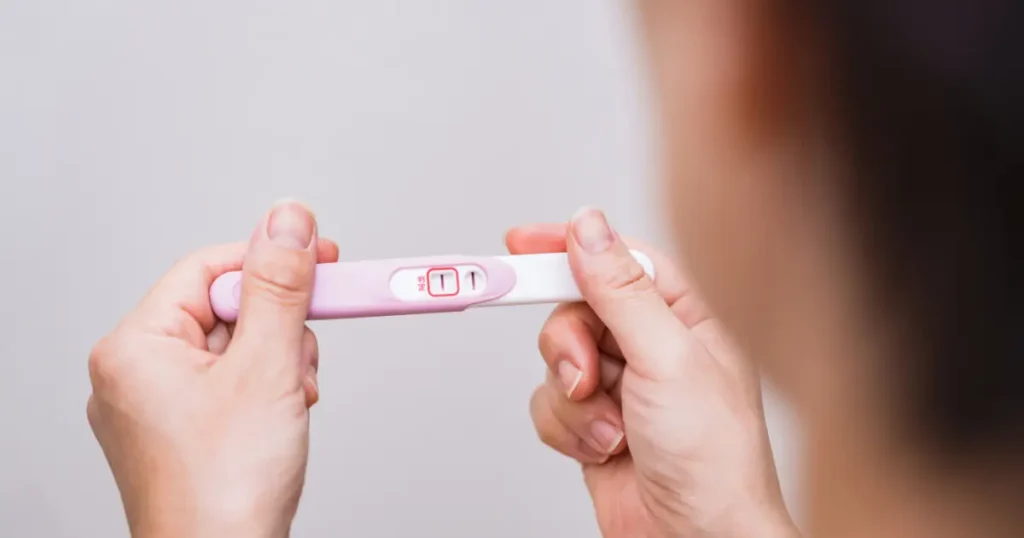
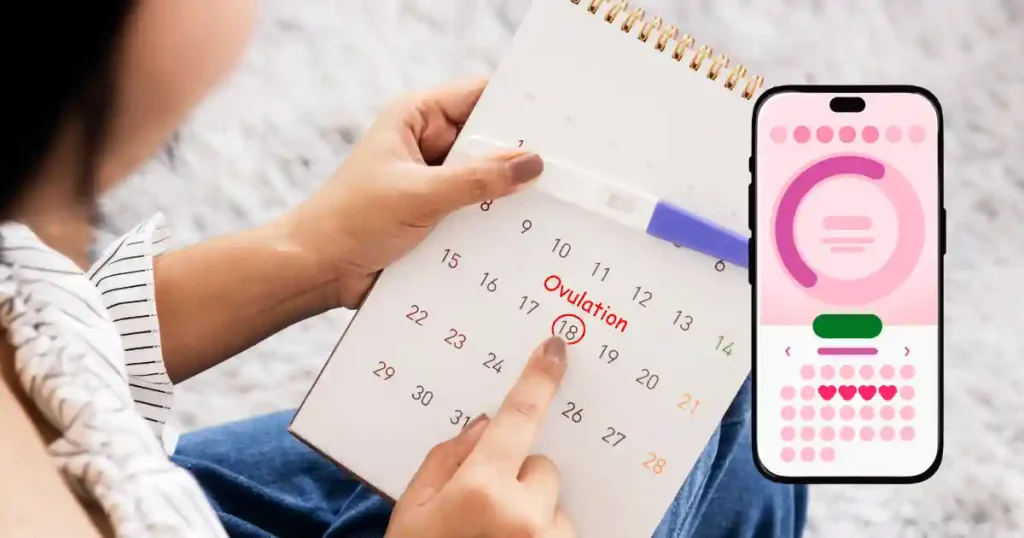
A basic ovulation calculator mainly estimates fertile timing from cycle dates. A fertility tracking app may let users record several cycle signs over time. When I first tried managing my cycle during a busy move to New York City, I realized that relying on a simple calendar was like trying to navigate a complex transit system with a map from twenty years ago. You might want more than a simple calendar because human biology rarely follows a rigid schedule.
Comparing these options comes down to a clear difference: a calculator gives a quick estimate, while a tracking app acts as an ongoing record that pulls in multiple data points. However, more features do not automatically mean more accurate ovulation prediction. The American Society for Reproductive Medicine (ASRM) recognizes apps as one form of fertility tracking but cautions about their ability to precisely predict an individual’s fertile window.
Preview:
- App features
- Accuracy limits
- Data tracking
- Privacy
- Cost
- Buyer checklist
Fertility Tracking App vs Ovulation Calculator
The first thing to clear up is simple: these tools overlap, but they are not the same. One is mainly a quick calculation; the other can become a running record of cycle information.
What an Ovulation Calculator Does
Uses:
- Last menstrual period
- Average cycle length
Estimates:
- Ovulation date
- Fertile window
- Next period
What a Fertility Tracking App Adds
- Cycle history
- Period logging
- Symptom tracking
- Basal body temperature
- Cervical mucus observations
- LH test results
- Reminders
- Charts and trends
The Main Difference
Calculator:
“Based on your dates, this is the estimated window.”
Tracking app:
“Here is the pattern in the information you have logged.”
Is an App Automatically More Accurate?
No.
It is vital to understand the difference between:
- More data: Collecting extra details about your body.
- Better organization: Keeping those details in clean digital graphs.
- Better prediction: Accurately pinpointing when an egg is released.
An app using only calendar dates may have essentially the same core limitation as a calculator. ASRM specifically notes that smartphone calendar apps may assist fertility awareness but may not improve precise prediction of an individual’s fertile window.
When Should You Choose an App Instead of a Calculator?
Not everyone needs a feature-packed app. Sometimes the simple tool wins because it gets out of the way.
Choose an App If You Want to Track More Than Dates
- Symptoms
- Temperature
- Cervical mucus
- LH test results
- Cycle history
Choose a Calculator If You Only Need a Quick Estimate
Good for:
- Basic cycle education
- Approximate fertile-window planning
- Quick date calculations
- Occasional reference
An App Makes More Sense for Long-Term Tracking
- Multiple cycles
- Pattern recognition
- Personal records
- Trend viewing
Don’t Buy Features You Won’t Use
Ask yourself:
- Will I enter data every day?
- Do I want charts?
- Do I need reminders?
- Will I track temperature?
- Do I need LH-test logging?
What Makes a Fertility Tracking App Better Than a Calculator?
This section focuses on the useful differences that help you decide what to buy, rather than presenting a giant list of shiny app features.
Multiple-Cycle Tracking
- Records cycle history.
- Shows changes over time.
- Avoids relying on one cycle alone.
Fertility Sign Tracking
Allows users to record:
- Cervical mucus
- BBT
- LH tests
- Period symptoms
Personalized Records
- Manual notes
- Custom symptoms
- Cycle corrections
- Historical data
Visual Charts
Useful charts can show:
- Temperature changes
- Cycle length
- Period dates
- Logged fertility signs
Reminders
Potential reminders for:
- Period logging
- Temperature entry
- LH testing
- Other selected observations
Data Export
Useful for:
- Keeping personal records
- Reviewing past cycles
- Sharing relevant information with a healthcare professional
Which Fertility Tracking Features Actually Matter?
More buttons do not equal more value. A good app should make useful information easier to track, not turn your phone into a tiny mission-control center.
Cycle History
Look for:
- Multiple months of data
- Cycle-length history
- Easy corrections
Basal Body Temperature Tracking
Basal body temperature (BBT) is your resting body temperature taken right after waking up. Users track BBT because progesterone causes a slight temperature rise after ovulation occurs. Unlike calendar predictions that guess future timing, BBT confirms ovulation after it has already happened.
Cervical Mucus Tracking
Cervical mucus shifts in texture and volume as estrogen rises near your fertile window. Tracking these changes offers a real-time signal of high fertility. Apps make this observation easier to record by letting users categorize daily physical changes.
LH Test Logging
- Record positive or negative results.
- Compare test results with cycle history.
- Logging an LH result in an app is different from the app detecting LH on its own.
ASRM identifies cervical mucus monitoring, ovulation detection devices, and BBT tracking among established fertility-tracking methods.
Symptom Tracking
Potential entries:
- Cramps
- Breast tenderness
- Mood
- Bleeding
- Other personal cycle observations
Note: Avoid assuming every physical symptom reliably predicts the exact day of ovulation.
Fertility Tracking Apps and Ovulation Prediction Accuracy
This section prevents us from making an exaggerated “apps are always better” claim.
More Data Does Not Guarantee Better Prediction
An app can store lots of information. However, prediction quality depends on:
- Data quality
- Algorithm design
- Biological variation
- Clinical validation
Calendar-Only Apps Have a Major Limitation
They still depend heavily on past cycle history. A sophisticated interface cannot remove natural biological variation from cycle to cycle.
Research on Calendar Apps
ASRM cites a study of 949 volunteers comparing urinary LH testing with several downloadable calendar apps. In that study, the maximum accuracy for predicting the day of ovulation was 21%. This figure belongs to that specific study and should not be presented as the accuracy of every modern fertility app.
What Buyers Should Look For Instead
- Transparent methodology
- Published evidence or validation
- Clear explanation of limitations
- Ability to add more than calendar dates
Fertility Tracking Apps With Multiple Data Sources
Combining data sources is where an app offers a genuine advantage over a simple calculator.
Calendar + BBT
- Calendar provides historical timing.
- BBT provides another physiological signal.
- These data types answer different questions: calendar estimates future timing, while BBT confirms past ovulation.
Calendar + LH Testing
See it:
- Calendar estimates the general window.
- LH test records a clear hormone signal.
- App organizes the results over time.
Calendar + Cervical Mucus
Combines long-term cycle history with real-time fertility-awareness observations.
Combining Several Signals
Potential combination:
Period dates → cycle history → cervical mucus → LH testing → BBT
Combining information provides a richer personal record. However, combining methods does not guarantee 100% accurate ovulation prediction.
Best Fertility Tracking App Features for Different Buyers
This section satisfies the “best” intent by looking at user goals without prematurely naming specific products.
Best for Beginners
Look for:
- Simple interface
- Easy period logging
- Clear explanations
- Minimal setup
Best for Detailed Tracking
Look for:
- BBT
- LH testing
- Cervical mucus
- Symptoms
- Charts
- Multiple-cycle history
Best for Irregular Cycles
Look for:
- Flexible cycle history
- Manual editing
- Multiple data inputs
- Clear uncertainty markers
- No “exact ovulation” promises
Best for Privacy-Conscious Users
Look for:
- Clear privacy policy
- Data deletion options
- Data export features
- Minimal data collection
- Transparent sharing practices
Best for People Who Hate Daily Data Entry
Look for:
- Fast logging
- Optional reminders
- Automatic data import where appropriate
- Simple dashboard
Fertility Tracking App Comparison Table
The following comparison grid shows how tools stack up across standard features. The “best” option depends on your personal goal rather than treating every feature as equally important.
| Feature | Basic Calculator | Basic Tracking App | Advanced Tracking App |
| Period dates | Yes | Yes | Yes |
| Cycle history | Limited | Yes | Yes |
| Fertile-window estimate | Yes | Yes | Yes |
| BBT logging | Usually no | Sometimes | Yes |
| LH test logging | Usually no | Sometimes | Yes |
| Cervical mucus | No | Sometimes | Yes |
| Charts | Limited | Yes | Yes |
| Reminders | Rare | Yes | Yes |
| Data export | Rare | Sometimes | Often |
| Personal notes | Limited | Yes | Yes |
Why Feature Count Should Not Decide the Winner
- More features can mean more daily work.
- Some readers need only three or four core options.
- Ease of consistent use matters far more than a long menu.
Fertility Apps vs Ovulation Test Kits
Comparing digital apps to physical test kits addresses another common decision point for buyers.
What an App Does
- Stores and analyzes user-entered information.
- Estimates fertile timing based on past data.
What an Ovulation Test Does
- Detects physical hormone changes in urine.
- Common tests look for a mid-cycle LH surge.
Can an App Track Test Results?
Yes, some apps let users log test photos or results. In this role, the app functions as a digital journal rather than directly measuring hormones, unless it connects to paired reader hardware.
Which Is Better?
There is no single winner:
- App: Best for long-term tracking and organization.
- Test: Best for capturing a real-time biological signal.
- Calculator: Best for a instant calendar estimate.
Fertility Tracking Apps and Privacy
Fertility information is highly sensitive. Buyers should always look beyond store screenshots before entering personal data.
What Data May Be Stored?
- Period dates
- Cycle length
- Fertility observations
- Physical symptoms
- Pregnancy-related information
- Account details
Read the Privacy Policy Before Signing Up
Check:
- Data collection rules
- Data sharing policies
- Third-party services
- Advertising practices
- Data retention limits
- Account deletion options
Ask What Happens to Your Data
Questions:
- Can I delete my account?
- Can I export my data?
- Is data shared with third parties?
- What information is optional?
Privacy Should Be a Buying Criterion
Include privacy alongside accuracy, features, cost, and ease of use.
How Much Should You Pay for a Fertility Tracking App?
Judging value comes down to knowing what you get for your money rather than finding one right price.
Free Apps
Potential benefits:
- Basic tracking
- Low commitment
- Easy testing
Potential drawbacks:
- Ads
- Fewer features
- Limited data history
- Frequent premium upsells
Paid Apps
Possible extras:
- Advanced charts
- More data types
- Detailed reports
- Additional device integrations
Subscription vs One-Time Cost
Compare:
- Monthly cost
- Annual cost
- One-time purchase options
- Free trial terms
When Premium May Be Worth It
- You will actually use the advanced features daily.
- The app provides meaningful tracking improvements over free tools.
- Privacy and data controls meet your safety standards.
How to Choose the Best Fertility Tracking App Instead of a Calculator
Follow this practical step-by-step framework to pick the right tool for your needs.
Step 1 — Define Your Goal
Are you trying to:
- Understand your overall cycle?
- Track physical fertility signs?
- Identify fertile timing?
- Keep long-term medical records?
Step 2 — Decide How Much Data You Want to Track
Choose your level:
- Dates only
- Dates + symptoms
- Multiple fertility signs (BBT, LH, mucus)
Step 3 — Check the Prediction Method
Ask:
- Is it calendar-based alone?
- Does it use additional physical data?
- Does it explain its algorithm?
- Does it distinguish estimates from real measurements?
Step 4 — Check Evidence and Validation
- Look for published clinical evidence.
- Look for regulatory clearance where relevant.
- Do not treat app-store user reviews as clinical validation.
Step 5 — Check Privacy
Chech it:
- Read the policy thoroughly.
- Understand data-sharing rules.
- Check account deletion options.
Step 6 — Check Cost
- Free version access
- Subscription plans
- One-time purchases
- Paired hardware requirements
Step 7 — Test Ease of Use
Ask:
- Can you log information quickly every day?
- Is the main chart easy to understand?
- Are reminders helpful rather than annoying?
What to Avoid When Choosing a Fertility Tracking App
Avoid “100% Accurate” Claims
Biological timing varies, so no software can offer guaranteed accuracy from a calendar.
Avoid Fake Precision
Be cautious with claims like:
- Exact ovulation time
- Guaranteed fertile day
- Perfect prediction algorithms
Avoid Apps That Hide Their Method
If an app gives a prediction but never explains how it works, ask questions.
Avoid Paying for Features You Won’t Use
A complex 40-feature app may cause more frustration than a clean five-feature option.
Avoid Treating an App as a Medical Diagnosis
Tracking information helps build self-awareness, but it does not replace professional clinical evaluation.
USA Expert Advice on Fertility Tracking Apps
Relying on recognized U.S. medical organizations provides clear guidance on what digital tools can and cannot do.
What ASRM Says About Fertility Apps
ASRM states that smartphone apps can assist fertility awareness, but stresses the clear limitations of calendar-based tools when predicting an individual’s fertile window.
What ASRM Recommends Discussing
When fertility tracking is part of a fertility evaluation, ASRM recommends that clinicians discuss the limitations of apps in accurately predicting the fertile window.
FDA Perspective on Regulated Fertility Software
The FDA classifies certain fertility-related software applications under specific medical-device categories. However, this does not mean every period app carries regulatory clearance, so avoid treating “FDA” as a blanket stamp for all software.
Expert Quote Strategy
For best results, look for verified guidance from ASRM, ACOG, or the FDA. Always review original primary sources rather than accepting unverified claims.
Real-Life Example: App vs Calculator
Everyday context makes the difference between these two options clear. Think of it this way: the calculator is a sticky note on the fridge; the app is a complete notebook.
Monday Morning: The Simple Calculator
- Open calculator.
- Enter period date.
- Enter average cycle length.
- Receive estimated fertile dates.
- Done.
Three Months Later: The Tracking App
- Period dates recorded.
- Cycle lengths visible across months.
- LH test results logged.
- Temperature data added daily.
- Detailed symptom notes available.
What the App Gives You
- More personal history.
- More information to review.
- A clearer record of what you observed.
What It Still Cannot Guarantee
- Exact ovulation timing.
- Guaranteed pregnancy.
- A medical diagnosis.
- Perfect prediction.
Common Mistakes When Switching From a Calculator to an App
Tracking Everything From Day One
Trying to track twenty symptoms right away leads to burnout. Start small.
Assuming More Data Means More Accuracy
More data helps only if the entries are consistent and the prediction method is sound.
Ignoring Missing Data
Skipping days creates gaps that confuse prediction algorithms.
Trusting Every App Prediction
Treat every digital output as an estimate rather than absolute fact.
Choosing Based Only on Reviews
Star ratings reflect user interface design, not clinical validation.
Forgetting Privacy
Don’t get distracted by pretty graphs and forget to check where your data goes.
When a Fertility Tracking App May Not Be Enough
Persistent Irregular Cycles
- Repeatedly changing cycle lengths
- Missing periods for months
- Unclear physical patterns
Concern About Ovulation
An app cannot diagnose why ovulation may be delayed, irregular, or absent.
Ongoing Fertility Concerns
Seek professional medical advice rather than continually swapping out tracking apps.
When Professional Evaluation Matters
ASRM notes that formal fertility evaluation includes reviewing menstrual history along with clinical assessments like blood work or ultrasound.
Buyer Checklist for the Best Fertility Tracking App
Essential Features
- Easy period tracking
- Multiple-cycle history
- Clear fertile-window estimates
- Manual data corrections
- Easy daily entry
- Transparent methodology
Advanced Features
- BBT tracking
- LH test logging
- Cervical mucus tracking
- Symptom tracking
- Clear visual charts
- Data export options
Trust and Privacy
- Clear privacy policy
- Easy data deletion
- Transparent data-sharing practices
- Clinical evidence or validation
- No exaggerated accuracy claims
Cost
- Useful free version
- Clear premium cost
- Simple subscription terms
- No hidden hardware requirements
- Fair free trial conditions
FAQs About Fertility Tracking Apps Instead of Calculators
Is a fertility tracking app better than an ovulation calculator?
An app offers more tracking features, but it is not automatically more accurate. Its value depends on data quality and validation.
What is the main difference between an app and a calculator?
A calculator estimates timing from dates, while an app stores cycle history and daily physical observations.
Can fertility apps predict ovulation accurately?
Accuracy varies widely. Calendar-based apps have limits because ovulation timing shifts naturally between cycles.
Can an app track LH tests?
Some apps let users log test results, making it easier to compare hormone tests with past cycle history.
Are fertility tracking apps free?
Some offer free basic tracking, while others use monthly subscriptions. Check current pricing before signing up.
Should I choose an app that tracks BBT?
BBT tracking adds valuable physical data, but it confirms ovulation after the fact rather than predicting it ahead of time.
Are fertility tracking apps safe for privacy?
Privacy practices vary. Always check an app’s privacy policy, data-sharing rules, and account deletion options.
Can an app replace an ovulation test?
No. An app organizes timing data, while an ovulation test measures real-time hormone surges in your body.
Final Recommendation
I have spent years testing digital tools, analyzing cycle data, and consulting clinical guidelines to find what actually works. The best fertility tracking apps instead of calculators are the ones that serve your specific goals without adding daily stress. If you only want a quick estimate, a basic calculator is fine. But if you want a complete picture of your reproductive health, choose a privacy-focused app that lets you log physical signals like BBT and LH tests. Always prioritize data security and clear methodology over flashy features, and remember that no app replaces professional medical advice.