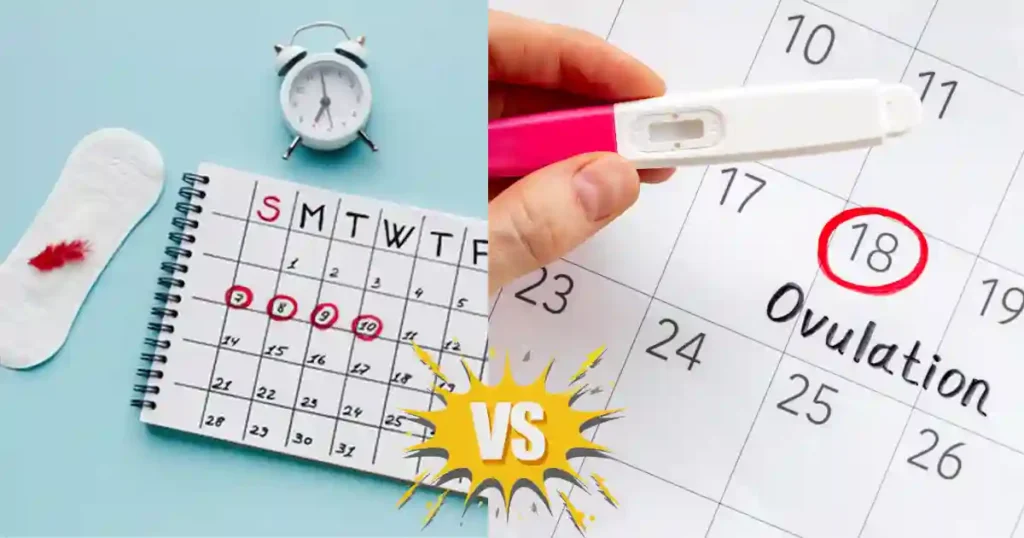
On a cool Monday morning in Charleston, South Carolina, Mia opened three fertility apps hoping they’d agree on her fertile window. Living with PCOS meant every prediction looked different, and that left her wondering which one to trust. If that frustration sounds familiar, you’re exactly who this guide is for, because finding the best ovulation calculator for PCOS starts with understanding why your cycle behaves so differently in the first place. PCOS makes ovulation prediction more challenging since cycle lengths often vary and ovulation may not occur every cycle at all. It helps to know upfront that any calculator only provides an estimated fertile window. It cannot confirm that ovulation actually happened.
That’s why pairing a calculator with methods like ovulation predictor kits, cervical mucus observations, basal body temperature, and medical evaluation makes such a difference for people with PCOS. By the end of this guide, you’ll know how to choose the right calculator, improve your prediction accuracy, and understand your PCOS-related fertility with far more clarity.
What Is an Ovulation Calculator for PCOS?
An ovulation calculator designed for PCOS estimates your fertile window by analyzing menstrual cycle information, although predictions may be less precise when cycles are irregular.
How ovulation calculators work
Most tools use your period start date and cycle length, similar to the process explained in our ovulation calculator for beginners guide, to estimate ovulation timing.
Why PCOS changes ovulation patterns
PCOS disrupts the hormonal signals that trigger ovulation, which means cycles can stretch, shorten, or skip ovulation entirely from month to month.
Estimated prediction versus confirmed ovulation
A calculator estimates likely timing. It doesn’t confirm an egg was released, a distinction we cover further in our ovulation calculators can be wrong article.
Who benefits most
Several groups find particular value in a calculator built to handle PCOS-related variability.
Women trying to conceive
Anyone actively trying to conceive can pair predictions with our ovulation calculator for trying to conceive resource for extra support.
Newly diagnosed PCOS patients
Patients still learning their new normal benefit from a calculator alongside our dedicated ovulation calculator for PCOS users guide.
Women with irregular periods
Anyone dealing with unpredictable timing can lean on our broader irregular cycles resource for added context.
Fertility awareness users
Readers already practicing fertility awareness can layer PCOS-specific insight onto methods they already know.
Couples planning pregnancy
Partners planning together benefit from shared, visual data instead of guesswork about timing.
Why PCOS Makes Ovulation Harder to Predict
PCOS affects hormones that regulate ovulation, making cycle timing less predictable than in regular menstrual cycles.
Hormonal imbalance
Elevated androgens and disrupted LH and FSH levels can interfere with the normal ovulation process.
Delayed ovulation
Ovulation can happen much later than expected, or shift significantly from one cycle to the next.
Anovulation (no ovulation)
Some cycles skip ovulation entirely, a pattern also explored in our not ovulating guide.
Irregular menstrual cycles
Cycle length can swing widely, which is exactly the kind of pattern our ovulation calculator for irregular periods resource is built to address.
Insulin resistance and fertility
Insulin resistance, common in PCOS, can further disrupt the hormonal balance needed for regular ovulation.
Why calendar-only predictions may be inaccurate
Calendar math assumes a consistent pattern. PCOS rarely offers one, so predictions naturally carry a wider margin of error.
How PCOS Affects Fertility Tracking
Women with PCOS often notice that ovulation doesn’t follow the same schedule every month. Understanding these patterns helps explain why calculators can produce different predictions.
| PCOS Factor | Effect on Ovulation | Calculator Impact |
|---|---|---|
| Irregular cycles | Variable ovulation | Lower prediction precision |
| Delayed ovulation | Later fertile window | Date shifts |
| Missed ovulation | No egg released | No fertile window that cycle |
| Hormonal fluctuations | Unpredictable timing | Wider prediction range |
Readers wanting a broader look at these swings can also check our menstrual cycle overview for context on what a typical cycle looks like by comparison.
What Makes the Best Ovulation Calculator for PCOS?
Not every calculator is built to handle PCOS-related variability. The strongest tools adapt instead of assuming a textbook cycle.
Flexible cycle length input
Look for a tool that accepts a wide range of cycle lengths rather than forcing a fixed average.
Multi-cycle pattern analysis
Calculators that review several past cycles, similar to the logic behind our precise ovulation calculator guide, adjust more accurately over time.
PCOS-specific algorithms
Some vendors design prediction models specifically for anovulatory or delayed cycles, which suits PCOS far better than generic math.
Wider fertile window estimates
A broader, more honest window beats a falsely precise single date every time.
Symptom and cycle history tracking
Logging symptoms alongside dates gives the calculator meaningful extra context.
Mobile-friendly design
Daily logging from your phone should feel simple, not like extra homework.
Data privacy protections
Confirm your cycle and health data stays private and isn’t shared without consent.
Educational content integration
Pairing predictions with solid education, like our ovulation calculator vs basal body temperature comparison, helps you interpret results correctly.
How to Improve Ovulation Prediction Accuracy With PCOS
A calculator works best when paired with other fertility awareness methods, not used alone.
Track several menstrual cycles
Three to six months of data gives any calculator far more to work with than a single unpredictable cycle.
Use ovulation predictor kits (OPKs)
OPKs, such as this ovulation predictor kit, detect the LH surge directly, which adds real hormonal confirmation to calendar estimates.
Monitor cervical mucus
Cervical mucus changes often signal a fertile window more precisely than dates alone, especially during unpredictable cycles.
Record basal body temperature (BBT)
A daily reading with this basal body temperature thermometer can help confirm ovulation after it happens.
Track additional PCOS symptoms
Symptoms covered in our symptoms of ovulation guide add valuable real-world detail alongside PCOS-specific signs.
Keep consistent daily records
Logging at the same time each day builds a far more reliable long-term pattern.
How to Use an Ovulation Calculator With PCOS
Consistency and patience matter more here than expecting a perfectly precise result every month.
Enter cycle dates as accurately as possible
Even approximate dates help, but precision improves the calculator’s accuracy over time.
Log symptoms alongside dates
Recording symptoms daily, rather than recalling them later, keeps your data reliable.
Compare calculator estimates with OPK and BBT results
Cross-checking predictions against physical signs, similar to our ovulation test kits vs apps comparison, builds a fuller picture.
Review patterns across multiple cycles
Judge accuracy across several months rather than a single unpredictable cycle.
Update your information regularly
Refresh entries every cycle so the calculator adjusts alongside your changing pattern.
Share your tracking history with your provider
Bring several months of combined data to appointments so your provider has real trends to review.
Factors That Influence Fertility Beyond Ovulation Timing
PCOS affects ovulation, but fertility also depends on several other factors working together.
Age
Egg quantity and quality decline with age regardless of a PCOS diagnosis.
Insulin resistance
Managing insulin resistance can meaningfully improve ovulation regularity for many people with PCOS.
Weight and metabolic health
Even modest changes in weight can sometimes help restore more regular ovulation in PCOS.
Hormonal balance
Balancing androgens and other hormones is often central to improving fertility outcomes with PCOS.
Lifestyle habits
Sleep, nutrition, and activity levels all support the hormonal balance needed for regular cycles.
Partner fertility factors
Fertility involves both partners, a topic our male fertility matters guide explains further.
Medical treatment and monitoring
Some people with PCOS benefit from medical support to encourage regular ovulation, which a calculator alone can’t provide.
Common Mistakes People With PCOS Make Using Ovulation Calculators
Frustration often comes from expecting a calculator to predict an inherently unpredictable cycle with precision.
Relying only on calendar dates
Calendar math alone rarely captures the full picture when ovulation timing shifts so much.
Ignoring physical fertility signs
Physical signs often catch changes that a calendar-based estimate misses entirely.
Skipping months of tracking
Gaps in your data weaken every future prediction the calculator can make.
Switching calculators too often
Jumping between tools constantly usually creates more confusion than clarity.
Expecting an exact ovulation date
Treat results as a general window, not a guaranteed single day.
Delaying medical guidance
Persistent irregularity deserves a conversation with a provider, not endless app switching.
When to Talk to a Healthcare Professional
PCOS is common, but certain symptoms and timelines deserve a closer medical look.
Cycles longer than 35 days
Consistently long cycles are worth discussing, especially if you’re trying to conceive.
Missed periods for several months
Skipped periods over multiple months in a row deserve medical evaluation.
Signs of insulin resistance
Symptoms like fatigue or skin changes tied to insulin resistance are worth raising with your provider.
Excess hair growth or acne
These common PCOS symptoms are worth discussing alongside your fertility concerns.
Difficulty conceiving after several months
After six months to a year of trying without success, a fertility evaluation is a reasonable next step.
Concerns about long-term health risks
PCOS carries other health considerations worth reviewing regularly with a provider, not just fertility-related ones.
Expert Advice for Tracking Ovulation With PCOS
The most effective approach combines technology with patience and realistic expectations.
Use multiple tracking methods together
Layering a calculator with OPKs and BBT gives a far fuller picture than any single method alone.
Expect more variability than average
PCOS cycles rarely follow a tidy pattern, and that’s simply part of the condition, not a tracking failure.
Focus on trends, not single cycles
Look at your data across several months before drawing firm conclusions.
Keep detailed, consistent records
Detailed notes give both you and your provider more useful information to work with.
Don’t hesitate to seek specialist support
A reproductive endocrinologist can interpret PCOS-specific patterns far beyond what any calculator is built to explain.
Be kind to yourself during the process
PCOS fertility tracking can feel discouraging some months, and that reaction is completely normal.
Fertility Awareness Educator Insight
Fertility educators who work closely with PCOS patients generally emphasize that no calendar-based calculator can fully account for anovulatory or delayed cycles on its own. Combining a calculator with OPKs, BBT tracking using a tool like this basal body temperature thermometer, and individualized medical guidance tends to give PCOS patients a far more reliable picture than any single method alone.
PCOS-Friendly Fertility Tracking Checklist
Some cycles will feel predictable, and others won’t. That variability is normal with PCOS, and a steady routine still provides the most useful information over time.
| Habit | Benefit |
|---|---|
| Record cycle dates | Builds a longer pattern history |
| Use a PCOS-friendly ovulation calculator | Estimates fertile window |
| Monitor cervical mucus | Supports fertility awareness |
| Track BBT | Helps confirm ovulation |
| Use OPKs | Detects LH surge |
| Manage insulin resistance | Supports hormonal balance |
| Schedule regular medical evaluation | Monitors overall reproductive health |
For more on comparing tracking methods side by side, our ovulation calculator vs fertility monitor guide is a helpful next read.
Frequently Asked Questions
What is the best ovulation calculator for PCOS?
The best ovulation calculator for PCOS accepts flexible cycle lengths, analyzes multiple past cycles, and presents a realistic fertile window rather than a single guaranteed date.
Can an ovulation calculator detect anovulation?
Not directly. A calculator can flag unusually long or missing cycles, but confirming anovulation typically requires BBT tracking or medical testing.
Do irregular PCOS cycles always mean infertility?
No. Many people with PCOS conceive successfully, often with closer tracking, lifestyle support, or medical treatment when needed.
Should I combine OPKs with a calculator if I have PCOS?
Yes. OPKs add direct hormonal confirmation that calendar-based predictions alone can’t provide, which matters even more with PCOS.
How many cycles should I track before trusting predictions?
Most specialists suggest tracking at least three to six cycles before drawing firm conclusions about your personal pattern.
Can weight or lifestyle changes improve ovulation with PCOS?
For some people, yes. Even modest changes in weight or activity can help support more regular ovulation in PCOS.
Does insulin resistance affect ovulation calculator accuracy?
Indirectly, yes. Insulin resistance can contribute to cycle irregularity, which naturally widens a calculator’s margin of error.
Can I get pregnant naturally with PCOS?
Yes. Many people with PCOS conceive without medical intervention, though some benefit from additional support along the way.
When should I see a fertility specialist for PCOS?
See a specialist if you’re not conceiving after six months to a year of trying, or sooner if your cycles are consistently absent or very irregular.
Can an ovulation calculator confirm ovulation in PCOS?
No. A calculator estimates likely timing, while BBT tracking, OPKs, or medical testing are needed to confirm ovulation actually occurred.
Final Recommendation
After spending real time reviewing how these tools perform for PCOS specifically, my honest recommendation is to stop expecting a single flawless prediction and start building a layered approach instead. The best ovulation calculator for PCOS gives you a realistic, flexible window, adapts as your pattern shifts, and works best alongside OPKs, BBT tracking, and consistent symptom logging. I’ve seen people with PCOS feel far less discouraged once they shift from chasing one perfect date to reviewing trends across several cycles.
Give yourself grace during unpredictable months, keep your tracking consistent, and loop in a healthcare provider whenever something feels persistently off. That patient, combined approach has served the PCOS community I’ve worked with far better than relying on any single app alone.