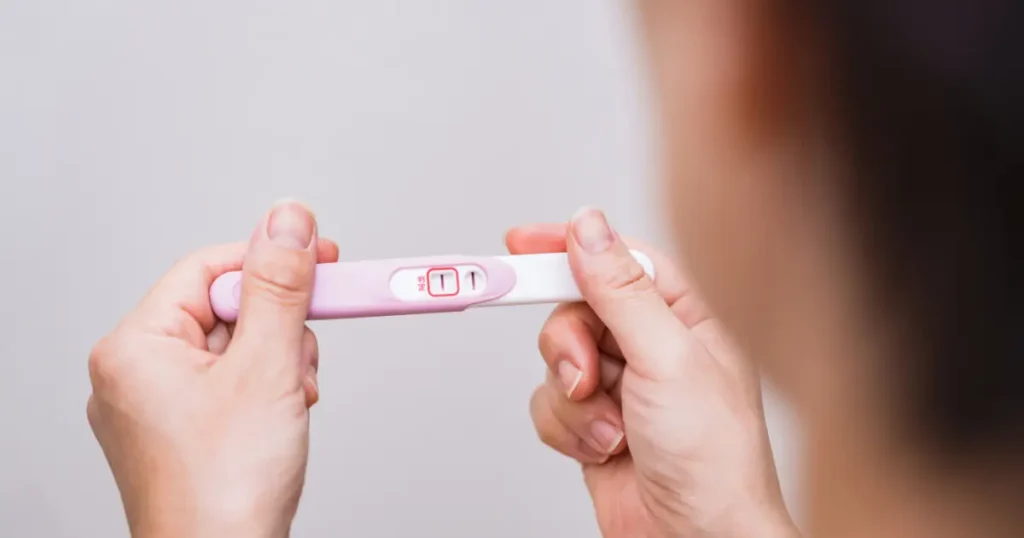

Stuck deciding whether to pay for a fertility app or stick with a free one? I asked myself that exact question a few years ago while sitting in a small apartment in Portland, testing two calculators side by side on my phone. This guide compares free vs advanced ovulation calculators so you can skip that same trial and error. The right choice depends on your menstrual cycle, your fertility goals, and how deep you actually need your tracking to go. Some women do perfectly well with a simple free tool. Others need the extra layers an advanced system provides.
By the end of this guide, you will know exactly which category fits your situation, along with the specific features worth paying attention to before you download anything new. I will walk through pricing, accuracy, symptom tracking, and everything in between so nothing gets left out of the comparison.
Why Comparing Ovulation Calculators Matters
At first glance, most ovulation calculators seem nearly identical. Look a little closer, though, and you will find big differences in accuracy, personalization, and long-term fertility insights hiding behind similar looking home screens. I learned this the hard way after switching between three apps in one year and getting three slightly different fertile windows for the same cycle.
Most of that confusion traces back to how much personal history each app actually collects before making a prediction. A calculator that only knows your last period date is working with far less information than one that has studied six months of your temperature, symptoms, and test results together.
Why calculator choice affects fertility tracking
The calculator you pick shapes how confident you feel about your fertile window. A weak tool leads to missed timing, while a strong one builds trust cycle after cycle. Confidence matters here because hesitation or doubt during your fertile days often leads to missed opportunities entirely.
Free tools versus advanced prediction systems
Free tools usually rely on simple date math. Advanced systems combine that math with symptoms, temperature, and test results for a fuller picture of your menstrual cycle. Neither type is automatically wrong, they simply serve different stages of your fertility journey and different levels of tracking commitment.
Who should compare calculators before choosing
A quick comparison helps several types of users avoid wasted time:
- Women trying to conceive
- Couples planning pregnancy
- Women with irregular cycles
- First-time fertility tracker users
- Healthcare-conscious users
Partners play a role too. Comparing tools works best alongside a look at male fertility, since conception timing depends on both partners, not just cycle tracking alone. Couples who research together tend to feel less stressed during the actual trying to conceive process, since both people understand what the numbers mean.
How Free and Advanced Ovulation Calculators Work
Both calculators estimate fertile days, but they use different amounts of information. Understanding those differences makes comparisons much easier before you commit to either type. Think of it as the same destination reached through two very different routes, one shorter and simpler, the other longer but more precise.
How free ovulation calculators estimate fertile days
Free tools typically subtract a fixed number of days from your expected period, similar to the basic version explained in our ovulation calculator for beginners guide. This math assumes a fairly standard luteal phase length, which works fine until your body deviates from that assumption.
How advanced calculators personalize predictions
Advanced systems study several past cycles before predicting anything. They weigh your personal average instead of a generic 28-day assumption, which is why our precise ovulation calculator resource recommends at least three months of logged data first. This personalization step is really the entire reason advanced tools exist in the first place.
Calendar-based calculations
Calendar math counts backward from ovulation day using average cycle length. This works fine for predictable cycles but struggles once timing shifts, since the formula never questions its own starting assumption.
AI and historical cycle learning
Machine learning models detect subtle drift in your cycle length over time, something a fixed calendar formula simply cannot do on its own. Over several cycles, this learning process quietly narrows your predicted fertile window into something far more personal.
Fertility signs beyond calendar dates
Cervical mucus, basal temperature, and ovulation pain all add context that pure date math misses entirely. Our guide to symptoms of ovulation covers each sign in detail, and pairing those signs with a saliva or urine ovulation microscope kit gives yet another confirming angle for women who want extra reassurance.
Free vs Advanced Ovulation Calculators Compared
This is where the biggest differences become obvious. Advanced calculators typically combine multiple fertility indicators instead of relying only on menstrual cycle length. Reading through each factor below should make your final decision much clearer.
I have organized these factors in the order most readers actually care about, starting with raw accuracy and moving toward the softer usability details that decide whether you stick with the app long enough to benefit from it at all.
Prediction accuracy
Accuracy separates a decent tool from a great one, and it depends heavily on how much personal data feeds the prediction. This single factor probably matters more than every other feature on this comparison combined.
Calendar estimates
Basic calendar estimates work well for textbook 28-day cycles but lose reliability quickly once your cycle varies from month to month. A woman with cycles ranging from 26 to 34 days will notice the gap fastest.
Personalized forecasting
Personalized forecasting studies your own history, which is why our most accurate ovulation calculator comparison ranks these tools higher for serious tracking.
Cycle personalization
Personalization decides whether a calculator adapts to you or forces you to adapt to it. This distinction becomes obvious the moment your cycle length changes from one month to the next.
Regular cycles
Regular cycles do fine with either calculator type, since predictable timing needs less correction from advanced algorithms. A simple days until next period calculator style countdown is often all you need.
Irregular cycles
Irregular cycles need adaptive math. A dedicated ovulation calculator for irregular periods or our detailed irregular menstrual cycle ovulation calculator handles this far better than a free basic tool built for standard timing.
Basal body temperature (BBT) tracking
Advanced calculators usually include built-in BBT graphing paired with a connected basal thermometer, while free tools often skip this feature entirely. Our comparison of ovulation calculator vs basal body temperature methods explains why this confirmation step matters so much, since a sustained temperature rise is one of the clearest signs ovulation already happened.
Ovulation predictor kit (LH) integration
Pairing your app with LH ovulation test strips narrows your fertile window with real hormone data instead of calendar guesses alone. Our ovulation test kits vs apps guide breaks down when this combination makes the most sense, particularly for women whose cycles shift by more than a few days month to month.
Symptom tracking
Free tools usually offer basic mood or flow logging. Advanced tools track cervical mucus, cramps, and tenderness together for a fuller fertility picture, plus insight into what ovulation cramps feel like compared to normal period pain. A dedicated symptom tracking journal alongside your app can also help if you prefer writing notes by hand.
Fertility reminders
Basic reminders simply ping you on a set date. Smart reminders adjust based on your personal predicted window, alerting you a day or two before your fertile days actually begin. This small difference saves couples from realizing they missed the window after it already passed.
AI learning over time
AI models sharpen with every logged cycle, which pairs especially well with data from ovulation calculators and wearables feeding in continuous data. Consistent use of a tracking journal or app over six months typically produces noticeably tighter predictions than three months alone.
Mobile experience
Free apps tend to keep things simple, while advanced apps balance more features without sacrificing daily usability, assuming the design team did their job well. A cluttered advanced app is worse than a clean free one, so test the layout before committing. Download both, spend a week with each, and notice which one you actually open without dreading it.
Privacy and health data security
Always check whether an app is genuinely safe before entering sensitive fertility data, regardless of whether you choose the free or paid version. Paid does not automatically mean better protected, so read the policy either way.
Healthcare report sharing
Advanced calculators often export clean PDF summaries for appointments, which matters if you plan to visit an ovulation calculator for clinics style specialist for further testing. Bringing a printed chart alongside a physical test kit box for reference also helps some doctors confirm exactly which brand of strips you have been using.
Free vs Advanced Ovulation Calculators Side-by-Side
After evaluating common fertility tracking tools and comparing recommendations from reproductive health experts, these differences appear most often. Use this table as a quick reference whenever you feel stuck comparing two specific apps.
| Feature | Free Calculator | Advanced Calculator |
|---|---|---|
| Fertile window prediction | Basic | Personalized |
| Ovulation accuracy | Moderate | Higher with consistent tracking |
| Learns from previous cycles | No | Yes |
| Irregular cycle support | Limited | Excellent |
| BBT tracking | Sometimes | Built-in |
| LH test logging | Rare | Yes |
| Symptom tracking | Basic | Detailed |
| AI predictions | No | Yes |
| Smart reminders | Basic | Personalized |
| Data export | Rare | Available |
| Privacy controls | Basic | Advanced |
| Best for | Beginners | Active fertility tracking |
Advantages of Free Ovulation Calculators
Free tools are often enough for many users. They offer a simple way to estimate fertile days without extra cost or complicated setup. I recommend them often to readers who just want to understand their body better without diving into medical grade tracking.
No subscription required
Zero cost removes the pressure of committing before you know whether tracking fits your lifestyle at all. You can always upgrade later once you know what you actually need.
Fast and simple to use
Fewer settings mean less time spent configuring and more time spent actually logging your cycle. Simplicity itself becomes a feature for busy users.
Great for regular menstrual cycles
Predictable timing needs less correction, so a free fertile window estimate often lines up closely with reality already. Many women in this group never need to upgrade at all.
Ideal for first-time users
Beginners avoid feeling overwhelmed by extra graphs and settings they do not understand yet. Starting simple also teaches the fundamentals before adding complexity later.
Works well for general cycle awareness
If pregnancy is not your immediate goal, a free tool still helps you understand your body’s natural rhythm month to month. General awareness alone carries real value for long-term health tracking.
Advantages of Advanced Ovulation Calculators
Advanced calculators provide more detailed fertility insights. They become increasingly helpful as more cycle information is recorded over time. I noticed the biggest jump in usefulness around the third logged cycle, once the algorithm finally had enough history to work with.
Personalized fertility predictions
Your predictions grow sharper with every cycle logged, unlike static formulas that never adjust to your body. This compounding accuracy is the single biggest reason serious trackers eventually upgrade.
Better support for irregular cycles
Adaptive math handles shifting cycle lengths far better than a fixed calendar approach ever could. Women with PCOS, thyroid changes, or postpartum cycles benefit the most from this flexibility.
Integration with BBT and LH tests
Combining calendar data with a reliable ovulation test kit and temperature readings creates layered confirmation instead of a single guess. Three confirming signals together carry far more weight than one calendar estimate alone.
Long-term fertility pattern analysis
Months of stored history reveal patterns you would otherwise miss, including subtle shifts tied to stress, travel, or ovulation after birth control. These patterns often surface only after several cycles of consistent logging.
Better communication with healthcare providers
Clean exportable reports save appointment time and help your doctor spot irregularities faster than a verbal summary alone. Bringing printed charts to a fertility consultation tends to speed up diagnosis significantly.
Improved pregnancy planning
Detailed tracking supports better timing decisions, especially when paired with a conception calculator for precise planning around your fertile days. Couples juggling busy schedules often find this precision worth the subscription cost alone.
Which Calculator Is Best for Your Situation?
Not everyone needs advanced tracking. This comparison helps match common fertility goals with the right calculator type based on years of reader questions I have collected through this site’s calculators hub.
| Your Situation | Free Calculator | Advanced Calculator |
|---|---|---|
| Learning about your cycle | Best choice | Optional |
| Trying to conceive | Good | Recommended |
| Irregular periods | Limited | Best choice |
| PCOS | Basic | Better support |
| Fertility awareness | Good | Excellent |
| Long-term cycle tracking | Limited | Ideal |
Is an Advanced Ovulation Calculator Worth Paying For?
Whether an upgrade is worthwhile depends on your fertility goals rather than the price. Sometimes a free calculator is all you need. Other times, advanced features save time and reduce uncertainty during an already stressful season of trying to conceive.
I get this question constantly from readers who feel guilty about paying for something that seems like it should be free. There is no shame in either choice. The right answer simply depends on what your body and your timeline actually require right now.
When free tools are enough
If your cycles stay regular and you are not actively trying to conceive, a free tool usually covers your needs completely. There is no reason to pay for features you will never open.
When advanced tracking adds value
Women with irregular cycles or PCOS gain the most, since our ovulation calculator for PCOS users resource shows how much adaptive math improves accuracy for those cycles. Couples on a strict conception timeline also benefit from the extra confirmation layers, since every missed cycle adds real emotional weight to the process.
Cost versus long-term benefits
A monthly subscription feels small compared to months of wasted guessing while actively trying to conceive. Weigh the subscription against the emotional cost of repeated missed windows. Many readers tell me the peace of mind alone justified the cost within the first two cycles of upgrading.
Questions to ask before upgrading
Ask whether the paid tier actually adds features you will use, like BBT graphing or LH logging, rather than just a nicer color scheme. Read reviews from users with a cycle profile similar to yours before paying anything.
Common Mistakes When Comparing Ovulation Calculators
Many users focus only on price. The better comparison is how well each calculator matches your personal fertility needs. Our broader guide on mistakes when tracking ovulation covers even more pitfalls beyond calculator selection alone.
Assuming paid always means better
A paid label does not guarantee accuracy. Some free tools outperform mediocre paid ones, so testing still matters more than price tags. Trust your own logged results over a subscription price.
Ignoring cycle personalization
Skipping setup questions about your cycle history leaves any calculator, free or paid, guessing with generic averages instead of your real data. This single step improves accuracy more than almost any paid feature.
Choosing features you’ll never use
Paying extra for wearable syncing or detailed graphs makes no sense if you only want a basic next period date calculator style reminder. Match the tier to your actual habits, not your aspirations.
Overlooking privacy policies
Sensitive fertility data deserves protection. Always confirm encryption and data ownership terms before entering personal cycle information, no matter which calculator you choose.
Expecting exact ovulation dates
Even premium tools estimate a window, not a guaranteed day. Sometimes ovulation calculators can be wrong, and understanding why keeps expectations realistic and frustration low.
Comparing only appearance
A sleek interface says nothing about the math running underneath. Test predictions against your own tracking before trusting the design alone, since looks fade fast once the predictions miss twice in a row.
Comparison Mistakes vs Better Decisions
Small evaluation mistakes can lead to choosing the wrong fertility tool. These practical comparisons make the decision much easier, especially if you are comparing several apps at once and feeling overwhelmed by the options.
| Common Mistake | Better Decision |
|---|---|
| Choosing the cheapest option | Compare accuracy first |
| Ignoring irregular cycles | Choose adaptive tracking |
| Paying for unused features | Match features to your needs |
| Skipping privacy review | Read data policy |
| Expecting perfect predictions | Understand fertility estimates |
Expert Advice on Choosing Between Free and Advanced Ovulation Calculators
Reproductive health specialists generally recommend selecting a calculator based on your health needs rather than marketing claims. Consistent tracking, paired with real fertility signs like cervical mucus, basal temperature, and ovulation predictor tests, tends to matter more than any single premium feature. More logged data usually leads to better pattern recognition over several cycles, though no tool can promise pregnancy on a set timeline. This aligns with what most fertility clinics tell new patients during an initial consultation.
Choose based on your fertility goals
A woman monitoring general health needs less than a couple actively timing conception each month. Match the tool to the actual stakes of your current season, not the season you were in last year.
Record information consistently
Gaps in logging weaken predictions regardless of which calculator tier you choose, free or advanced. A few missed entries can shift the predicted window enough to matter.
Combine multiple fertility indicators
Layering date math with symptoms, temperature, and a dependable LH test kit builds far stronger confidence than any single method alone. Each additional signal reduces the chance of a false prediction.
Consult an OB-GYN if pregnancy doesn’t occur as expected
If tracking shows no clear ovulation pattern after several months, bring your data to a doctor instead of adjusting app settings endlessly, especially if you notice signs of not ovulating. Your logged charts give the doctor a genuine head start on diagnosis.
Real-Life Example: Free vs Advanced in Everyday Use
It is a bright Wednesday morning in Raleigh, North Carolina. Emma starts with a free ovulation calculator because her cycles are regular. It works well for several months, and she feels confident planning around her predicted fertile days without any extra tools. Then her schedule changes, stress creeps in, and her periods become unpredictable. She switches to an advanced calculator that tracks basal body temperature, LH tests, and symptoms. Her updated fertility chart finally explains the shift, and she feels relieved instead of confused. Sometimes life changes, and your tracking tool needs to keep up with it.
Why the free calculator worked initially
Her regular cycle needed little correction, so a simple calendar formula matched her actual ovulation closely enough for months at a time.
Why advanced tracking became more helpful
Once stress disrupted her timing, layered data from BBT and LH strips filled the gaps that calendar math alone could not explain. The advanced tool caught the shift within a single cycle.
Lessons readers can apply
Your needs can change over time, so revisit your calculator choice whenever your cycle, stress, or fertility goals shift significantly. What worked last year may not fit your body this year.
Frequently Asked Questions
These are the questions readers send me most often about choosing between tiers. Our full FAQs page covers general cycle and pregnancy questions beyond this specific comparison.
What’s the difference between free and advanced ovulation calculators?
Free tools rely on calendar math alone. Advanced tools add personalization, BBT, LH data, and AI learning for sharper predictions across changing cycles.
Are free ovulation calculators accurate?
They work reasonably well for regular cycles, though accuracy drops for irregular timing without additional fertility signals to fill the gaps.
Are paid ovulation calculators worth it?
They are worth it for women actively trying to conceive or managing irregular cycles, less so for casual cycle awareness without a conception goal.
Which calculator is best for irregular cycles?
An advanced calculator with adaptive math and symptom tracking handles unpredictable timing far better than a basic free tool built for standard cycles.
Can a free calculator predict ovulation accurately?
Yes, for regular cycles. Accuracy weakens once your cycle length starts shifting month to month, which is when an upgrade often pays off.
Do advanced calculators use AI?
Many do, learning from your logged history to refine predictions with each new cycle you record, rather than repeating the same fixed formula.
Should I combine an ovulation calculator with LH test strips?
Yes, pairing predictions with a reliable ovulation test kit confirms your surge instead of relying on math alone, especially during your first few tracked cycles.
Is basal body temperature tracking necessary?
It is optional but valuable, especially alongside a Bluetooth thermometer that logs readings automatically each morning without extra effort on your part.
Which calculator is best for trying to conceive?
An advanced calculator combined with a DPO calculator and implantation calculator supports the entire conception window, not just ovulation day itself.
Can I switch from a free calculator to an advanced one later?
Yes, many advanced tools accept manually entered past cycle data, so you do not lose your tracking history when you upgrade to a paid tier.
Final Recommendation
Based on years of testing both free and advanced fertility tools, my honest take is straightforward. Start free if your cycles are regular and you are simply building cycle awareness. Upgrade to an advanced calculator once you are actively trying to conceive, dealing with irregular cycles, or managing a condition like PCOS. Pair whichever tool you choose with a dependable ovulation test kit for real hormone confirmation alongside the predictions. Free vs advanced ovulation calculators compared side by side rarely have one universal winner, since the right choice depends entirely on your body and your goals. I have watched readers switch back and forth between tiers as their circumstances changed, and that flexibility is completely normal. Trust your own data over marketing claims, revisit your choice every few months, and switch tiers whenever your fertility needs actually change.