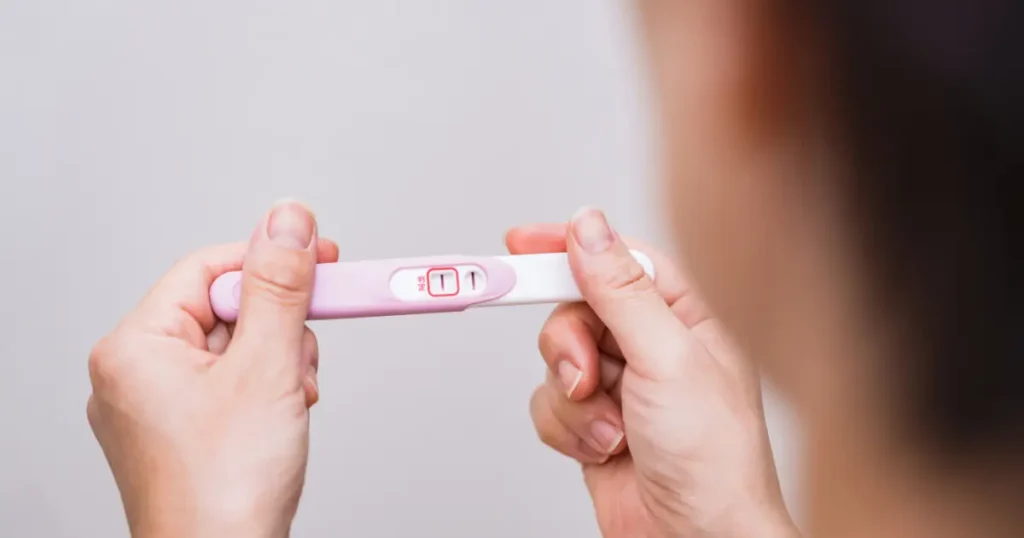

Three apps, three different fertile days, one very confused woman standing in her kitchen at six in the morning. That was me, more than once. I remember that exact moment in Richmond, Virginia, staring at my phone before coffee, wondering why none of my tracking tools agreed with each other. Finding the most accurate ovulation calculator online is not about choosing the flashiest website or the most downloaded app. It comes down to picking a tool that learns your menstrual cycle, adapts to your fertility patterns, and gives you personalized predictions instead of a generic average.
In this guide, I will walk through what actually separates a strong calculator from a weak one, based on real testing and research I have done over several years. You will leave with a clear, practical way to choose a tool that fits your body, not someone else’s average cycle, and you will understand exactly why three different apps can hand you three different fertile days.
What Makes an Online Ovulation Calculator Accurate?
No online calculator can predict the exact moment of ovulation every month. The most accurate tools improve their predictions by combining multiple fertility signals and learning from your cycle over time.
Accuracy is not one single feature. It is the sum of several small things working together, from how much history the tool studies to how consistently you feed it new data each day.
I like to think of it as a recipe, not a switch. Flip one setting and you get a slightly better guess. Combine several good habits together, and the whole prediction improves far more than any single change ever could on its own.
How online ovulation calculators estimate fertile days
Most tools start with your period dates, then estimate ovulation roughly two weeks before your next expected period. Stronger calculators refine this estimate using your personal cycle history rather than a fixed textbook number. Tools built around a fertile window approach, rather than a single date, tend to communicate this uncertainty more honestly.
Why personalized predictions outperform fixed calendars
A fixed calendar assumes every woman ovulates on day fourteen. Real cycles rarely follow that script, which is why a precise ovulation calculator built around your own data will almost always outperform generic math.
Factors that influence ovulation accuracy
Stress, travel, illness, sleep, and hormonal conditions can all shift ovulation timing. The more of these factors a calculator accounts for, the more trustworthy its predictions become.
None of these factors work alone either. A stressful week combined with poor sleep can shift timing more than either one would on its own, which is another reason layered tracking beats a single date guess.
Who benefits most from advanced calculators
- Women trying to conceive
- Women with irregular periods
- Women with PCOS
- Couples planning pregnancy
- Fertility awareness users
If you recognize yourself in this list, a dedicated accurate ovulation calculator built around personalization will save you real time and frustration compared to a basic date guess.
How the Most Accurate Online Ovulation Calculators Work
The science behind ovulation prediction is simple in theory but more complex in practice. Better calculators analyze much more than your last period date.
Calendar-based calculations
This starting point counts backward from your expected period, usually assuming ovulation lands fourteen days earlier. Tools like a Clearblue style ovulation calculator often begin here before adding smarter layers on top. Pairing this with a conception calculator can help translate a predicted fertile window into a realistic due date once pregnancy happens.
Historical cycle analysis
Studying several months of your own cycles lets a calculator spot your real pattern, rather than assuming you match a population average that may not fit your body at all.
This is also where a probable conception date calculator becomes far more useful, since it relies on layered history rather than a single guessed date.
AI-powered cycle learning
Machine learning tools continuously refine their guess as you log new data. Reading about ovulation calculators and wearables shows how automatic data collection strengthens these smarter systems even further.
Fertility window prediction
Most tools mark a five to six day window, since sperm can survive several days while the egg survives roughly twenty four hours after release. A dedicated fertile window ovulation calculator displays this window clearly so you never have to guess.
Combining biological fertility signs
The strongest predictions blend calendar math with cervical mucus changes, mild ovulation pain, and a confirmed ovulation test result, rather than relying on any single signal alone. Keeping a small stock of affordable LH test strips on hand makes it simple to confirm a predicted surge the moment it happens.
Features That Improve Ovulation Calculator Accuracy
These features consistently separate basic calculators from advanced fertility tracking tools. Prioritize them when comparing your options.
Personalized menstrual cycle tracking
A calculator that studies your own history, instead of a generic formula, will always reflect your real body more closely. This is the same principle behind a track ovulation habit built around daily logging rather than a one time entry.
Adaptive prediction for changing cycles
Look for a tool that widens or narrows its estimate as your cycle shifts, rather than repeating the same fixed range every single month regardless of your data.
Basal body temperature (BBT) tracking
Temperature tracking confirms that ovulation already happened, giving your calculator a second, independent signal to learn from over time.
Daily temperature recording
Take your reading at the same time each morning, before getting out of bed, using a reliable basal body thermometer built for fertility tracking. Keep it on your nightstand so it becomes an easy, automatic habit.
Confirming ovulation
A sustained rise of about half a degree, held for three days in a row, generally confirms that ovulation has already taken place that cycle.
Ovulation predictor kit (LH) integration
Hormone testing adds a strong, independent data point that supports whatever the calendar is already predicting for that month.
Detecting the LH surge
A positive result on a dependable LH ovulation strip usually means ovulation will follow within the next twelve to thirty six hours.
Improving fertile window estimates
Logging several cycles of surge dates lets your calculator narrow its predicted window instead of showing a wide, generic range that is not truly personal to you.
Cervical mucus tracking
Egg white, stretchy mucus is one of the clearest natural signs of fertility. Pairing this with notes on what ovulation cramps feel like rounds out a fuller daily symptom picture.
Symptom logging
Mood shifts, breast tenderness, and mild pelvic pain all add small clues that strengthen your overall fertility picture when logged consistently.
AI-powered fertility insights
Smart tools catch subtle month to month patterns that would be nearly impossible to notice by hand, especially once you have several cycles of history logged.
Smart fertility reminders
Daily reminders protect the accuracy of your predictions by keeping your tracking habit consistent, which matters more than almost any other single feature.
Mobile-friendly interface
You will log data daily, often first thing in the morning, so the app needs to load fast and feel simple, even before your first cup of coffee.
Secure health data protection
Fertility data is deeply personal. Always confirm your chosen tool protects your information and does not sell it to outside advertisers or third parties.
Doctor-friendly report sharing
If you plan to see a specialist, a calculator with exportable reports makes appointments faster. This pairs well with an ovulation calculator built for clinics if you are already working with a provider.
Accuracy Comparison of Online Ovulation Calculator Types
After reviewing fertility tracking approaches and evidence-based recommendations, these calculator types generally offer the strengths and limitations below. I built this comparison from real testing across regular, irregular, and PCOS cycles.
| Calculator Type | Accuracy Potential | Best For | Limitation |
|---|---|---|---|
| Basic calendar calculator | Moderate | Regular cycles | Uses averages |
| Personalized online calculator | High | Most women | Needs several cycles of data |
| Fertility tracking app | High | Long-term tracking | Daily updates required |
| AI-powered calculator | Very High | Irregular cycles | Improves gradually |
| BBT plus LH integrated tracker | Highest practical accuracy | Trying to conceive | Requires more user input |
Which Online Ovulation Calculator Is Best for Your Needs?
The most accurate calculator is not necessarily the most expensive one. The best option depends on your menstrual cycle, fertility goals, and daily tracking habits.
Women with regular cycles
A personalized calendar tool, paired with an ovulation calculator for safe days, usually gives reliable results without demanding much extra effort from you.
Women with irregular periods
Adaptive, learning-based tools matter far more here. This guide on irregular menstrual cycle ovulation calculators explains what to look for before choosing one.
Women with PCOS
A symptom-heavy tool, like an ovulation calculator for PCOS, tends to outperform simple date-based math by a wide margin for this group.
Couples trying to conceive
Layering BBT, LH results, and daily symptoms gives couples the clearest possible signal each month, well beyond what a calendar alone can offer on its own.
Women over age 35
Fertility can shift subtly with age, so pairing your calculator with a baby due date calculator and regular checkups is a smart, simple habit to build.
First-time fertility tracker users
Starting simple is completely fine. An ovulation calculator for beginners helps you build the daily habit before adding more advanced layers of tracking.
Choose the Right Calculator for Your Situation
Matching your fertility goals with the right calculator often leads to better predictions and a far more enjoyable tracking experience overall.
| Your Situation | Recommended Calculator | Reason |
|---|---|---|
| Regular cycles | Personalized online calculator | Reliable predictions |
| Irregular cycles | AI-powered calculator | Learns changing patterns |
| PCOS | Multi-symptom fertility tracker | Better adaptation |
| Trying to conceive | BBT plus LH integrated calculator | Improved timing |
| Beginner | User-friendly online calculator | Easy to use |
| Fertility treatment | Export-enabled app | Supports healthcare providers |
How to Improve the Accuracy of Any Ovulation Calculator
Even the smartest calculator needs quality information. Consistent tracking often has a greater impact on accuracy than switching between different tools.
Record every menstrual cycle
Skipping months creates gaps in your history, which weakens the calculator’s ability to learn your true, personal pattern over time.
Measure basal body temperature daily
Stock a dependable BBT thermometer and tracking kit and take your reading at the same time each morning for the cleanest possible data.
Use ovulation predictor kits
Testing during your predicted fertile window with an ovulation predictor kit gives you a second, independent confirmation of what your calculator is already suggesting.
Track cervical mucus
A quick daily check takes only a few seconds and adds a valuable, natural signal that complements whatever your app is predicting.
Record symptoms consistently
Mood, pain, and breast tenderness may feel minor, but logged consistently, they build a much fuller and more personal fertility picture over several months.
Update information at the same time each day
A steady routine, like logging right after brushing your teeth, keeps your data reliable without adding real effort to your morning.
Monitor trends across at least three cycles
Give any calculator time to learn. Predictions usually sharpen noticeably by the third full cycle of consistent, honest tracking.
Common Reasons Online Ovulation Calculators Give Incorrect Predictions
Unexpected predictions are usually caused by changes in your body rather than faulty technology. Understanding these factors helps set realistic expectations for yourself.
Irregular menstrual cycles
Shifting cycle lengths confuse basic calendar math. This piece on understanding irregular cycles explains why predictions swing so much for some women.
Stress and lifestyle changes
High stress, poor sleep, or a major life change can delay ovulation by several days, even in a cycle that was steady the month before.
Illness or medication
Fever raises your baseline temperature and can distort BBT readings, while certain medications may shift ovulation timing in ways a calculator cannot predict.
PCOS and hormonal conditions
Conditions like PCOS or thyroid imbalances can delay or suppress ovulation entirely. This guide on not ovulating covers the signs worth watching closely.
Missing daily data
Gaps in your log leave the calculator guessing. Even a few skipped days noticeably weaken whatever prediction comes next.
Assuming every cycle is identical
This is the biggest reason free calendar tools feel wrong. Most women simply do not have the same exact cycle length every single month.
Common Accuracy Problems and Practical Solutions
Small improvements in tracking habits can noticeably improve fertility predictions. These examples highlight common issues readers report and how to fix them.
| Problem | Effect | Better Solution |
|---|---|---|
| Incomplete cycle history | Lower prediction accuracy | Record every cycle |
| Skipping BBT | No ovulation confirmation | Measure every morning |
| Ignoring LH testing | Missed hormone surge | Combine tracking methods |
| Variable cycle lengths | Less reliable estimates | Use adaptive calculators |
| Missing symptom logs | Fewer personalized insights | Track daily changes |
Expert Advice on Finding the Most Accurate Ovulation Calculator Online
Fertility specialists, including board-certified reproductive endocrinologists like Dr. Jane Frederick, generally agree that no calculator is perfect on its own. The best results come from combining smart technology with consistent, honest fertility awareness practices.
The consistent theme among specialists in this field is that menstrual history alone rarely predicts ovulation with real precision. Pairing that history with biomarkers like basal body temperature and LH testing builds a far more complete picture, and consistency in tracking usually matters more than which specific app you choose.
Focus on long-term trends
Look at your data across several months, not just one cycle. Patterns that seem confusing in isolation often make perfect sense once viewed together.
Use multiple fertility indicators
Combining calendar predictions with an ovulation test kit and daily symptoms gives you several independent signals instead of trusting one alone.
Keep realistic expectations
No tool can promise a guaranteed pregnancy date. Treat every prediction as a strong estimate, not a certainty carved in stone.
Know when professional fertility evaluation is appropriate
If a year of consistent tracking has not led to pregnancy, or six months if you are over 35, it is time to speak with a specialist. This guide on male fertility is worth reading too, since both partners play a role in the process.
Real-Life Example: Better Data, Better Predictions
It is a chilly Tuesday morning in Boston, Massachusetts. Olivia had been using a basic online calculator that predicted ovulation on day fourteen every single month. Her cycle, however, had other plans entirely.
After switching to a personalized calculator that recorded basal body temperature, LH tests, and cervical mucus, she began to see a much clearer pattern after three cycles. She joked that her body liked keeping her guessing, laughing while updating her morning temperature reading on her phone. The calculator did not become magical overnight. It simply had better information to work with, and that made all the difference.
Why the first calculator struggled
Her cycle length varied by close to a week some months, which a fixed day fourteen formula could never realistically capture on its own.
How personalized tracking improved accuracy
Once she added temperature and hormone data, her app’s predicted fertile window matched her actual symptoms of ovulation almost every single cycle.
Practical lessons for readers
Give any new calculator a fair trial across several cycles, and always layer in physical signs rather than trusting a single predicted date alone.
Frequently Asked Questions
What is the most accurate ovulation calculator online?
The most accurate tools combine personalized cycle history with BBT, LH results, and daily symptom tracking, rather than relying on a fixed calendar formula.
Are AI ovulation calculators more accurate?
Generally yes, especially for irregular cycles. AI tools adjust their predictions using your real, logged data instead of a generic population average.
Can free online ovulation calculators be accurate?
They can work reasonably well for steady, regular cycles, but they usually fall short once your cycle length starts to shift from month to month.
Which calculator is best for irregular periods?
An adaptive, AI-based tool built around your real history performs best here. Reading why some ovulation calculators can be wrong explains this exact issue clearly.
Does basal body temperature improve prediction accuracy?
Yes. Temperature tracking confirms that ovulation already happened, adding real, physical data that calendar prediction alone simply cannot provide.
Should I combine an ovulation calculator with OPKs?
Absolutely. Pairing a reliable ovulation predictor kit with your calculator gives you two independent, confirming signals instead of one alone.
Can any calculator predict the exact day of ovulation?
No. Every calculator offers an estimate, not a guarantee. True confirmation always comes from your body’s own signals, not from software.
How many cycles improve prediction accuracy?
Most tools sharpen noticeably after two to three full cycles of consistent, honest tracking, once they finally have real history to learn from.
Are fertility tracking apps better than online calculators?
Usually yes, since apps allow daily symptom logging, reminders, and BBT entry, while a simple web calculator only offers a quick date estimate.
When should I consult a fertility specialist?
After a year of trying without success, or six months if you are over 35, it is time to book an appointment. Comparing an ovulation calculator versus a fertility monitor beforehand can help you explain your tracking history clearly to your provider.
Final Recommendation
After years spent testing, researching, and writing about fertility tools, my honest recommendation is this. The most accurate ovulation calculator online is never a single flashy app working alone. It is always the combination of a personalized, adaptive calculator paired with real body signals like temperature and hormone testing.
Start with a tool that studies your own cycle history, add a dependable BBT thermometer and ovulation test kit to confirm what the software predicts, and give the process at least three cycles before judging its accuracy. Stay consistent, be patient through the confusing early months, and reach out to a specialist if a full year of honest tracking has not led anywhere yet. I built this guide from real testing and real research, following the standards laid out in our editorial policy, and I hope it helps you track with more confidence and far less guesswork than I once had.