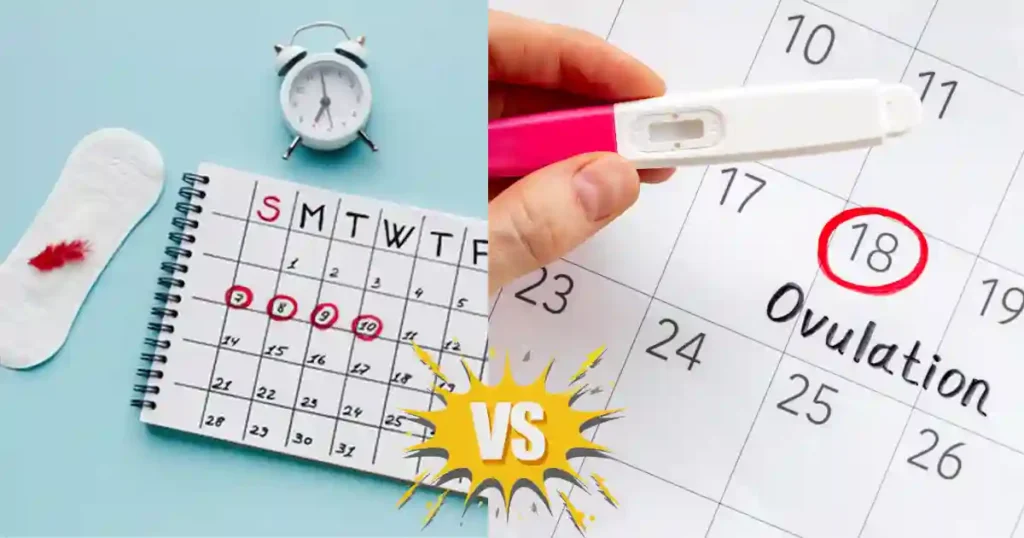
Emma checked three different ovulation calculators on a rainy Sunday morning in Spokane, Washington, and every one gave her a different fertile window. With cycles ranging from 30 to 42 days, she wondered which prediction she could actually trust. If that sounds familiar, you’re not alone, and it’s exactly why finding the best ovulation calculator for irregular cycles matters so much. Irregular periods make fertility prediction far trickier than a textbook 28-day cycle, since the math behind most calculators leans on consistency that simply isn’t there.
It helps to remember that any calculator only estimates a fertile window based on the information you enter. It can’t confirm ovulation on its own. That’s why methods like cervical mucus tracking, ovulation predictor kits, and basal body temperature often work best alongside a calculator, not instead of one. By the end of this guide, you’ll know exactly how to choose the right tool and improve your prediction accuracy month after month.
What Is an Ovulation Calculator for Irregular Cycles?
An ovulation calculator estimates your most likely fertile days using menstrual cycle information, even when your cycle length changes from month to month.
How an ovulation calculator works
Most tools use your period start date and average cycle length, similar to the process explained in our ovulation calculator for beginners guide, to estimate ovulation timing.
Why irregular cycles are more challenging
When your cycle length shifts each month, calendar-based math has less consistent data to work from, which naturally widens the margin of error.
Calculator estimates versus confirmed ovulation
A calculator predicts. It doesn’t confirm. Pairing it with physical signs, as we cover in our ovulation calculator vs basal body temperature comparison, gives you a clearer picture.
Who benefits most
Several groups tend to see the biggest value from a calculator built specifically for irregular cycles.
Women trying to conceive
Anyone actively trying to conceive benefits from pairing predictions with our ovulation calculator for trying to conceive resource for extra context.
Women with PCOS
PCOS often disrupts regular ovulation, which is why our dedicated ovulation calculator for PCOS users guide walks through the extra nuance involved.
Postpartum women
Cycles after childbirth can take months to settle, making flexible tools especially useful during this stage.
Perimenopausal women
Hormonal shifts during perimenopause can make cycles unpredictable in both length and flow.
Women stopping hormonal birth control
Cycles often need time to normalize, a topic we cover directly in our ovulation after birth control article.
Why Irregular Cycles Affect Fertility Predictions
The more your cycle length changes, the harder it becomes for a calculator to predict ovulation using calendar dates alone.
Cycle length variability
A swing of even a week between cycles can shift your fertile window significantly from month to month.
Delayed ovulation
Ovulation can happen much later than expected in some cycles, throwing off calendar-based estimates.
Missed ovulation (anovulation)
Some cycles skip ovulation entirely, which no calendar tool can detect on its own, something our not ovulating guide explains in more depth.
Hormonal fluctuations
Shifts in estrogen, progesterone, and LH can all change the timing of ovulation unpredictably.
Stress and lifestyle factors
High stress, poor sleep, and major life changes can delay or disrupt ovulation entirely.
Medical conditions that affect cycles
Thyroid issues, PCOS, and other conditions frequently show up first as irregular cycles.
Common Causes of Irregular Menstrual Cycles
Irregular cycles are common and can happen for many reasons. Identifying possible causes helps you understand why predictions may vary.
| Possible Cause | How It May Affect Ovulation |
|---|---|
| Polycystic Ovary Syndrome (PCOS) | Delayed or absent ovulation |
| Stress | Hormonal disruption |
| Thyroid disorders | Irregular hormone production |
| Breastfeeding | Delayed ovulation |
| Perimenopause | Unpredictable cycles |
| Significant weight changes | Hormonal imbalance |
| Intense exercise | Ovulation disruption |
Readers dealing with several of these causes at once often find our irregular cycles guide useful for a broader explanation.
What Makes the Best Ovulation Calculator for Irregular Cycles?
Not every calculator is designed for changing cycle lengths. The best tools adapt to patterns instead of assuming every month is identical.
Flexible cycle length input
Look for a tool that accepts a range of cycle lengths rather than forcing a single average.
Multi-cycle analysis
The strongest calculators, like the approach described in our ovulation calculator for irregular periods guide, analyze several past cycles instead of just one.
Personalized fertile window estimates
A wider, personalized window is more honest than a false sense of precision.
Irregular cycle algorithms
Better tools weight recent cycles more heavily, adjusting as your pattern shifts.
Mobile-friendly interface
You’ll likely log data from your phone daily, so mobile usability really does matter.
Cycle history tracking
A visual history helps you and your provider spot patterns over several months.
Calendar visualization
Seeing your fertile window mapped visually makes planning far easier than raw numbers alone.
Educational resources
The best tools pair predictions with context, similar to our ovulation calculator vs period tracker comparison.
Data privacy features
Confirm your cycle data stays private and isn’t sold or shared without your consent.
How to Improve Ovulation Prediction Accuracy
An ovulation calculator works best when you combine it with other fertility awareness methods instead of relying on one prediction.
Track several menstrual cycles
Three to six months of data gives a calculator far more to work with than a single cycle.
Monitor cervical mucus
Changes in cervical mucus often signal your fertile window more precisely than dates alone.
Use ovulation predictor kits (OPKs)
OPKs detect the LH surge directly, adding a helpful layer of confirmation.
Record basal body temperature (BBT)
A daily BBT reading, tracked with this basal body temperature thermometer, can confirm ovulation after it has already happened.
Track ovulation symptoms
Physical signs, covered in our symptoms of ovulation guide, add useful real-world context to any prediction.
Keep a consistent daily routine
Logging data at the same time each day improves the reliability of your own records.
Ovulation Tracking Methods Compared
Experienced fertility specialists often recommend combining several methods because each provides different information about your cycle.
| Tracking Method | Accuracy | Best For |
|---|---|---|
| Ovulation calculator | Moderate | Planning fertile days |
| OPK | High | Detecting LH surge |
| Basal body temperature | High | Confirming ovulation |
| Cervical mucus | High | Identifying fertile window |
| Fertility app | Moderate | Long-term tracking |
Many readers pair a calculator with tools like this ovulation predictor kit for a more complete picture, especially during irregular months.
How to Use an Ovulation Calculator With Irregular Periods
Consistency matters more than perfection. Recording accurate information every month helps improve predictions over time.
Enter cycle dates accurately
Even a day or two of error can shift your estimated window noticeably.
Record symptoms consistently
Log symptoms daily rather than trying to recall them days later.
Review long-term patterns
Look across several cycles instead of judging accuracy from just one month.
Update information monthly
Refresh your data every cycle so predictions reflect your most current pattern.
Compare calculator estimates with physical signs
Cross-check calculator results against cervical mucus and OPK results, similar to the process in our ovulation test kits vs apps comparison.
Share records with your healthcare provider
Bring several months of data to appointments so your provider has real patterns to review, not guesses.
Factors That Influence Fertility Beyond Cycle Regularity
Even with irregular periods, pregnancy depends on many factors besides the exact day of ovulation.
Age
Egg quantity and quality both naturally decline with age, independent of cycle regularity.
Overall reproductive health
Conditions affecting the uterus or fallopian tubes can impact fertility separately from ovulation timing.
Egg quality
Egg health plays a major role in conception odds, regardless of how predictable your cycle looks.
Sperm quality
Fertility is a two-person equation, which our male fertility matters guide covers in detail.
Lifestyle habits
Sleep, nutrition, and activity levels all play a supporting role in reproductive health.
Medical conditions
Underlying conditions sometimes need treatment before regular ovulation returns.
Timing intercourse during the fertile window
Even a well-predicted window only helps if timing lines up with it consistently.
Factors That Affect Fertility
Cycle regularity is only one piece of fertility. Looking at the bigger picture often leads to more realistic expectations.
| Factor | Impact on Fertility |
|---|---|
| Ovulation timing | High |
| Egg quality | High |
| Sperm health | High |
| Hormonal balance | High |
| Lifestyle | Moderate |
| Medical conditions | Moderate to High |
| Stress | Indirect |
Common Mistakes People Make With Irregular Cycle Calculators
Many people become frustrated because they expect a calculator to predict an unpredictable cycle perfectly.
Depending only on calendar dates
Calendar math alone rarely captures the full picture for irregular cycles.
Ignoring fertility signs
Physical signs often catch shifts that calendar predictions miss entirely.
Skipping cycle entries
Gaps in your data weaken every future prediction the calculator makes.
Comparing different calculators daily
Switching between tools daily usually creates more confusion than clarity.
Expecting exact ovulation dates
Treat results as a window, not a guaranteed single day.
Not seeking medical advice when appropriate
Persistent irregularity deserves a conversation with a healthcare provider, not just more app data.
When to Talk to a Healthcare Professional
Irregular periods are common, but persistent changes or difficulty conceiving deserve medical evaluation.
Cycles longer than 35 days
Consistently long cycles are worth discussing with a provider, especially if trying to conceive.
Very short cycles
Cycles under 21 days can also signal an underlying issue worth checking.
Missing periods
Skipped periods for several months in a row should prompt a medical evaluation.
Severe pelvic pain
Pain that disrupts daily life is never something to track around silently.
Heavy bleeding
Unusually heavy or prolonged bleeding deserves prompt medical attention.
Suspected PCOS
If your symptoms line up with PCOS, ask your provider about testing and next steps.
Trying to conceive without success
After several months without success, especially past a year, a fertility evaluation is a reasonable next step.
Expert Advice for Tracking Irregular Cycles
The most effective fertility tracking combines technology with careful observation and realistic expectations.
Use multiple tracking methods
Layer a calculator, OPKs, and BBT together instead of relying on just one method.
Be patient with long-term trends
Irregular cycles often reveal patterns only after several months of consistent tracking.
Focus on consistency
Daily logging, even imperfect logging, beats sporadic entries every time.
Keep detailed records
Detailed notes give both you and your provider more to work with during appointments.
Review patterns instead of single cycles
One unusual month rarely tells the full story on its own.
Ask for professional guidance when needed
A specialist can interpret patterns a calculator simply isn’t built to explain.
Reproductive Endocrinology Educator Insight
Reproductive health specialists generally agree that no calendar-based tool can predict ovulation perfectly for women with irregular cycles. Combining cycle tracking with ovulation predictor kits, cervical mucus observations, and individualized medical guidance tends to provide the most reliable picture, especially when paired with consistent tools like this ovulation test kit for month-to-month confirmation.
Healthy Fertility Tracking Checklist
Some months will feel predictable, and others won’t. That’s normal. A steady routine usually provides the most helpful information over time.
| Habit | Benefit |
|---|---|
| Record cycle dates | Improves predictions |
| Use an ovulation calculator | Estimates fertile window |
| Monitor cervical mucus | Supports fertility awareness |
| Track BBT | Helps confirm ovulation |
| Use OPKs | Detects LH surge |
| Maintain healthy habits | Supports reproductive health |
| Schedule medical evaluation if needed | Addresses underlying issues |
Readers who want a deeper comparison of these habits can also check our mistakes when tracking ovulation article for a few extra pitfalls to avoid.
Frequently Asked Questions
What is the best ovulation calculator for irregular cycles?
The best ovulation calculator for irregular cycles is one that accepts a flexible cycle length, analyzes several past cycles, and presents a realistic window rather than a single exact date.
Can ovulation calculators predict irregular periods accurately?
They can offer a helpful estimate, but accuracy drops as cycle variability increases, so pairing predictions with physical signs improves reliability.
Do irregular periods always mean infertility?
No. Irregular periods can make timing harder, but they don’t automatically mean someone can’t conceive.
Can I get pregnant with irregular cycles?
Yes. Many people with irregular cycles conceive successfully, often with the help of closer tracking and, when needed, medical guidance.
Should I use an ovulation predictor kit with a calculator?
Yes. An OPK adds direct hormonal confirmation that a calendar-based calculator alone can’t provide.
Does PCOS affect ovulation calculator accuracy?
Yes. PCOS often causes irregular or absent ovulation, which reduces the accuracy of calendar-based predictions alone.
How many cycles should I track?
Most specialists recommend tracking at least three to six cycles before drawing firm conclusions about your pattern.
Can stress delay ovulation?
Yes. High stress levels can delay or even suppress ovulation in a given cycle.
When should I see a fertility specialist?
See a specialist if you have cycles longer than 35 days, missed periods, or difficulty conceiving after a year of trying, or six months if you’re over 35.
Can an ovulation calculator confirm ovulation?
No. A calculator estimates likely timing, while methods like BBT or blood tests are needed to confirm ovulation actually occurred.
Final Recommendation
After spending real time comparing how these tools handle unpredictable cycles, my honest recommendation is to stop expecting a single perfect date from any calculator. The best ovulation calculator for irregular cycles gives you a realistic window, adapts as your pattern shifts, and works best alongside OPKs, BBT, or cervical mucus tracking. I’ve found that people who combine methods instead of chasing one flawless prediction feel far less frustrated month to month. Give it at least three cycles of honest tracking before judging accuracy, and don’t hesitate to loop in a healthcare provider if something feels consistently off. That balanced approach has served the readers I’ve guided through this far better than any single app ever could.