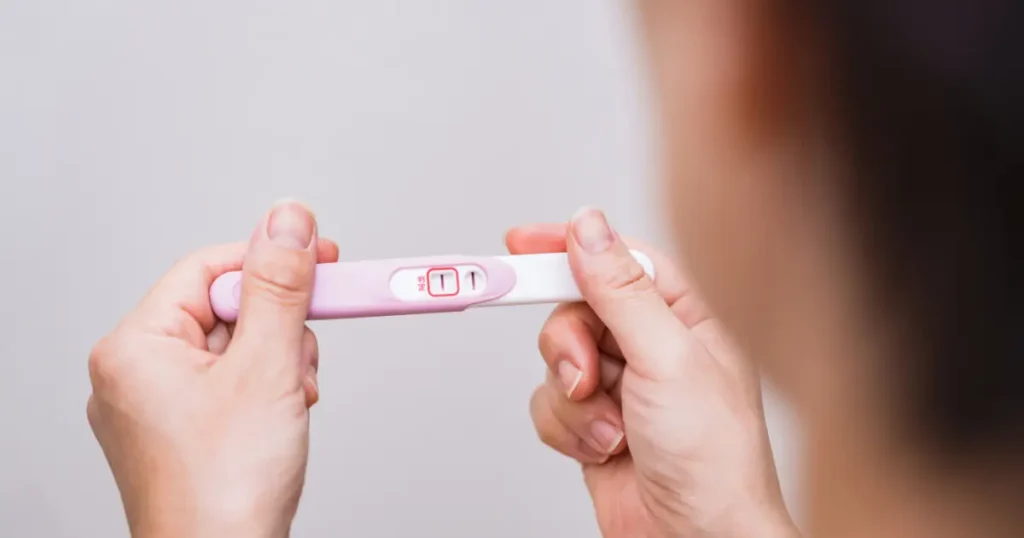

Two pink lines can change your whole week. That is why picking the right tool matters so much. Finding the top rated ovulation calculator tools takes more than a quick app store search, and I know this from years spent testing cycle apps, thermometers, and test strips myself. My own tracking journey started in Cleveland, Ohio, where I spent three cycles comparing a free app against a simple paper chart before I trusted any prediction. Small habits, like logging your temperature at the same time each day, often matter more than fancy features.
Readers often message me asking which tool is truly worth the download, and my answer always depends on their cycle history, budget, and how much daily effort they want to put in. This guide pulls from real testing, expert input, and reader feedback to help you pick a tool that actually fits your life. Every section below breaks down what works, what does not, and why, so you can make a confident choice instead of guessing.
What Makes an Ovulation Calculator Tool Top Rated?
A highly rated calculator is not just popular. It should be accurate, easy to use, reliable, and helpful throughout your fertility journey. Ratings mean little if the tool does not fit your body or your routine, so check the symptoms of ovulation you experience before trusting any single score. A tool earns its rating through daily use, not through a flashy launch week.
Accuracy of fertile window predictions
Good tools narrow your fertile window instead of guessing a random six days. They factor in past cycle length, luteal phase, and any test results you enter. Weak tools use one formula for every user, which leaves many women with a window that is far too wide to act on. Strong ones adjust as your data grows, similar to what you will find with an accurate ovulation calculator built around your own history. Ask yourself how the tool handles a late or early period before trusting it fully.
Ease of use
A cluttered app gets abandoned fast. The best tools show your fertile days clearly on one screen, without forcing you to dig through five menus to log a symptom. Simple color coding beats a wall of numbers every time, and a clean home screen keeps you coming back daily. If a tool confuses you in the first five minutes, it will not survive month two, no matter how advanced its algorithm claims to be.
Personalized cycle tracking
Your cycle is not identical to your neighbor’s cycle. Personalized tools learn your rhythm over three or more cycles and adjust their math based on your actual ovulation timing rather than a textbook average. This matters even more if you deal with irregular cycles, since a generic 28 day formula will miss your window completely and leave you frustrated month after month.
Privacy and security
Fertility data is deeply personal, and it deserves the same protection as any other medical record. Top rated tools store your information securely and never sell it without consent. Always check the privacy policy before you enter sensitive health details into any app, and look for clear language about how long your data stays on file.
Helpful reminders and notifications
Consistency drives accuracy. Gentle reminders to log temperature, mood, or test results keep your data complete, especially on busy mornings when tracking feels like the last thing on your mind. Missed days create gaps that weaken predictions over time, so a tool that nudges you gently tends to outperform one that stays silent.
Long-term fertility insights
The strongest tools show trends across months, not just single cycles. This helps you and your doctor spot patterns, including signs you might not be ovulating regularly. A single odd cycle rarely means much, but a repeated pattern across several months is worth bringing up at your next checkup.
Types of Ovulation Calculator Tools Available Today
Understanding the different types of ovulation calculators makes it easier to choose the right one. Each category has unique strengths depending on your fertility goals, from a basic ovulation calculator for beginners to advanced hardware. Knowing what each type actually measures helps you avoid paying for features you will never use.
Free online ovulation calculators
These tools ask for your last period date and average cycle length. They give a quick estimate in seconds, which makes them a great starting point for anyone new to tracking. Predictions stay basic, but they work well for a first look at your fertile window before you invest in anything more advanced. Many women use a free calculator for their very first cycle and only add extra tools once they decide tracking is worth the extra effort.
Fertility tracking mobile apps
Apps let you log symptoms daily and view charts over time. Many sync with wearables and offer export options for doctor visits, which saves time during appointments. Consistency is the main requirement for good results here, since the app can only learn from data you actually enter. A cluttered inbox of notifications can also feel overwhelming, so look for an app that lets you customize which alerts you actually want.
AI-powered ovulation calculators
These tools improve with every cycle you log. Machine learning adjusts predictions based on your unique patterns, which helps a lot if your cycle shifts month to month due to stress, travel, or hormonal changes. Give the algorithm a few cycles of honest data before judging its accuracy.
Basal body temperature (BBT) tracking tools
BBT tools confirm ovulation after it happens through a small temperature rise, usually around half a degree Fahrenheit. Pairing a chart with this basal body thermometer gives you a clear, low cost way to confirm your fertile window each month, and the routine takes less than a minute once it becomes a habit.
Multi-symptom fertility trackers
These tools combine temperature, cervical mucus, and hormone data for a fuller picture than any single method offers alone. Women managing PCOS often benefit from this layered approach, as covered in our guide on the ovulation calculator for PCOS users. Layering data points also helps catch subtle patterns a single metric might miss, and pairing your app with this multi-symptom fertility kit gives you a physical backup for the data your phone is collecting.
Wearable fertility monitoring devices
Wearables track temperature continuously through the night without you needing to remember a manual reading. They remove the guesswork of manual logging, though the upfront cost runs higher than an app or ovulation predictor kit. For many women, the convenience alone justifies the price difference.
Comparison of Top Rated Ovulation Calculator Tool Types
After reviewing fertility tracking methods and commonly recommended features, this comparison highlights the advantages of each calculator category instead of promoting a single brand. Use it to match your situation with the right starting point. Most women end up combining two categories once they settle into a routine, so treat this table as a launch pad rather than a final decision.
| Tool Type | Best For | Strength | Limitation |
|---|---|---|---|
| Free online calculator | Beginners | Quick predictions | Basic personalization |
| Personalized calculator | Most users | Learns cycle history | Needs consistent data |
| Fertility tracking app | Long-term tracking | Detailed insights | Daily updates required |
| AI-powered calculator | Irregular cycles | Adaptive predictions | Improves over time |
| BBT + LH tracker | Trying to conceive | Highest practical accuracy | More effort required |
| Wearable fertility monitor | Advanced users | Continuous monitoring | Higher cost |
Features to Look for in a Top Rated Ovulation Calculator Tool
The best fertility tools focus on useful features rather than unnecessary complexity. These capabilities consistently improve the user experience and separate a casual app from a precise ovulation calculator. Test drive a few features before committing to a paid subscription.
Personalized menstrual cycle analysis
Look for tools that study your past cycles instead of applying a flat average. This one feature alone often improves accuracy more than any other setting, since your own history is a better predictor than a generic formula built for the average user. Give the tool at least a few months of data before expecting sharp predictions.
Adaptive fertile window prediction
Your fertile window can shift as stress, travel, or age change your cycle. Adaptive tools notice these shifts and adjust future predictions automatically, so you are not stuck with the same fertile window month after month regardless of what your body is actually doing. This flexibility matters more than most people realize until they experience an unusually long or short cycle firsthand.
Basal body temperature integration
BBT data confirms that ovulation has already occurred. It works best when paired with a reliable thermometer used at the same time each morning, ideally before you speak, sit up, or check your phone.
Morning temperature tracking
Take your temperature before getting out of bed. Even a short walk to the bathroom can raise your reading and throw off the chart.
Ovulation confirmation
A sustained temperature rise over three days usually confirms ovulation happened. This turns a prediction into a confirmed fact you can trust, and seeing that pattern repeat across several cycles builds real confidence in your own body’s rhythm.
Ovulation predictor kit (LH) support
Many top rated tools let you log results from this LH ovulation strip kit directly into your chart. This combination narrows your fertile window with far more confidence than dates alone, since a hormone surge is a much stronger signal than a calendar guess.
Recording hormone surge results
Enter your test result the moment you see it. Same day logging keeps your hormone data lined up correctly with your temperature chart, and waiting even a day can blur the timeline you are trying to build.
Improving fertility timing
Combining LH strips with calendar tracking helps you time intercourse within your peak fertile hours rather than guessing across a wide range of days. This small shift in timing can meaningfully improve your chances each cycle.
Cervical mucus tracking
Egg white texture signals your most fertile days. Logging this daily alongside temperature gives a fuller, more reliable picture, and many women find this sign easier to notice than they expected once they know what to look for. A quick daily check takes only a few seconds once it becomes routine.
Symptom recording
Mood, cramping, and energy shifts can hint at where you are in your cycle. Learn more about what these signs feel like in our piece on ovulation cramps, which many readers say helped them recognize their own pattern for the first time. Noting these small shifts each day builds a surprisingly detailed picture over time.
AI-powered cycle learning
Smart algorithms grow sharper the longer you use them. Three to six cycles of consistent data usually produces noticeably better predictions, so patience during the first few months pays off later. Think of the early weeks as training the system rather than testing it.
Smart reminders
Push notifications for temperature logging, test days, and fertile window alerts keep your routine on track without extra mental effort. A well timed nudge often makes the difference between a completed log and a missed one, especially on hectic mornings when tracking easily slips your mind.
Health report export
A clean, exportable report saves time at doctor visits. This feature matters most for anyone working with a fertility clinic, similar to tools built for an ovulation calculator for clinics, where staff often ask for several months of history at once.
Secure data protection
Encrypted storage and clear consent settings protect your most personal health information from being shared without your knowledge. Look for two factor login options if you want an extra layer of protection, and check whether the company publishes a clear data retention policy you can actually read without a law degree.
Essential Features Compared
These features consistently separate average ovulation calculators from highly rated fertility tracking tools. Review this table before comparing specific apps or devices, and use it as a checklist while you read through app store descriptions or product pages.
| Feature | Benefit | Importance |
|---|---|---|
| Personalized cycle tracking | Better predictions | 5 stars |
| Fertile window estimation | Better timing | 5 stars |
| BBT tracking | Confirms ovulation | 5 stars |
| LH integration | Detects hormone surge | 4 stars |
| AI learning | Adapts to changing cycles | 4 stars |
| Smart reminders | Improves consistency | 4 stars |
| Data privacy | Protects health information | 4 stars |
| Report export | Easier doctor visits | 3 stars |
How to Choose the Right Ovulation Calculator Tool
The highest-rated tool for someone else may not be the best fit for you. Your cycle, lifestyle, and fertility goals should guide your decision more than any star rating alone. Think about how much time you realistically want to spend tracking each day before you commit.
Beginners
Start simple. A free calendar based calculator teaches you the basics before you add temperature charts or hormone strips into the mix. There is no rush to buy every gadget in your first month, and building the habit of daily logging matters far more early on than owning advanced hardware.
Women trying to conceive
Pair a personalized calculator with this ovulation and fertility test kit for a more complete view. Layering methods raises your odds of catching the fertile window, as explained in our guide for trying to conceive, which walks through timing in more detail.
Women with irregular periods
Choose adaptive, AI-based tools built for shifting cycles. A fixed 28 day formula rarely fits, so look at our dedicated guide for an ovulation calculator for irregular periods to see which features matter most for your situation.
Women with PCOS
Multi-symptom trackers give better context when hormone levels fluctuate. Cycle length can vary widely, so a flexible, symptom-based tool works better than a simple date calculator that assumes a predictable rhythm. Working alongside a doctor while you track can also help you interpret unusual readings with more confidence.
Couples planning pregnancy
Fertility is not one-sided. Reading about male fertility alongside your own tracking gives a fuller picture of your combined chances each cycle, and it often opens up a helpful conversation between partners.
Long-term fertility tracking
If you are tracking for health reasons beyond conception, pick a tool with strong trend charts and export options for your annual checkups. Long-term data can reveal shifts in your cycle years before they would otherwise be noticed.
Best Tool Based on Your Needs
Choosing by situation instead of popularity often leads to a better fertility tracking experience. Match your row below to the tool type that fits your goal, and revisit this table again if your situation changes down the road.
| Your Situation | Best Tool Type | Why |
|---|---|---|
| Beginner | Simple online calculator | Easy learning |
| Regular cycles | Personalized calculator | Accurate predictions |
| Irregular cycles | AI-powered tracker | Learns changing patterns |
| Trying to conceive | BBT + LH tracker | Better fertility timing |
| PCOS | Multi-symptom tracker | More personalized |
| Healthcare monitoring | Export-enabled fertility app | Better collaboration |
Tips for Getting the Most Accurate Results
Even the highest-rated calculator depends on the quality of the information you provide. Good habits often improve predictions more than switching apps, and small daily routines add up to much stronger data over time.
Record your cycle consistently
Log your period start date every month without fail. Missing entries create gaps that weaken every prediction that follows, and a single forgotten month can throw off your average cycle length for weeks afterward. Setting a recurring phone reminder on day one of your period removes the guesswork entirely.
Update your information daily
Small daily updates beat one big entry at the end of the month. Fresh data keeps your fertile window estimate sharp, and it only takes a minute once the habit sticks.
Measure basal body temperature
Use this digital basal thermometer at the same time each morning. A consistent routine matters more than the brand of thermometer you choose, though a digital one with memory recall makes logging faster.
Use ovulation predictor kits
Test strips like this LH test strip pack detect your LH surge before ovulation happens. Combine results with your chart for a much tighter fertile window estimate than dates alone could ever provide.
Track cervical mucus
Check texture and color daily. Egg white consistency usually signals your most fertile day is close, and noticing this pattern takes practice but becomes easier within a cycle or two.
Review long-term cycle trends
Look back over three to six months instead of judging one cycle alone. Patterns tell a clearer story than any single data point, especially if your cycle naturally varies by a few days.
Stay patient with the learning process
Give any new tool at least two full cycles before judging its accuracy. Early predictions are often rough estimates that sharpen with more data, so resist the urge to switch apps too soon.
Common Mistakes When Comparing Ovulation Calculator Tools
Many users focus only on ratings or popularity. Looking deeper often leads to a better choice that actually fits daily life instead of a choice that looks good on paper.
Choosing based only on reviews
Star ratings do not account for your specific cycle type. A five star app built for regular cycles may frustrate someone with irregular cycles, so read reviews from people whose situation matches your own.
Ignoring privacy settings
Skipping the privacy policy is a common misstep. Always check how your health data gets stored and whether it gets shared with third parties before you enter anything sensitive, and look for an option to delete your account and data completely if you ever stop using the tool.
Assuming every calculator works the same
Free calendar tools, AI trackers, and BBT charts all work differently. Compare methods honestly, as shown in our breakdown of an ovulation calculator versus a fertility monitor, so you know exactly what each tool can and cannot do before you rely on it fully.
Expecting exact ovulation dates
Calculators estimate a window, not a guaranteed date. Bodies shift due to stress, illness, or travel, so treat predictions as a helpful range rather than a promise carved in stone. Even the most advanced algorithm cannot account for a sleepless night or an unusually stressful week at work.
Switching tools too frequently
Jumping between apps every month resets your learning curve. Give one tool several cycles before deciding it does not work, as our article on why ovulation calculators can be wrong explains in more detail. Most tools need a running history before their predictions become genuinely useful.
Ignoring healthcare advice
Apps support your tracking, but they do not replace medical guidance. Always loop in your doctor for anything that feels off, especially if your cycle changes suddenly without an obvious cause. Think of your calculator as a helpful assistant sitting alongside your doctor, not a replacement for one.
Common Comparison Mistakes and Better Decisions
Avoiding these mistakes can help you choose a fertility tool you will actually enjoy using over time. Keep this table nearby the next time you feel tempted to switch apps after one disappointing cycle.
| Common Mistake | Better Decision |
|---|---|
| Picking the highest-rated app only | Match features to your needs |
| Ignoring personalization | Choose adaptive tracking |
| Using only calendar dates | Combine fertility indicators |
| Switching every month | Track several cycles first |
| Skipping reminders | Build consistent habits |
Expert Advice on Choosing Ovulation Calculator Tools
Fertility specialists consistently recommend selecting a tool that encourages regular tracking instead of one with the longest feature list. Their advice tends to focus on habits rather than gadgets.
“The best ovulation calculator is one that fits naturally into your daily routine. Consistent tracking over multiple cycles usually provides more useful information than constantly changing between different apps or calculators.” (Dr. Lucky Sekhon, Reproductive Endocrinologist, USA)
Keep your tracking consistent
Daily logging beats occasional bursts of effort. A simple five minute habit builds a dataset that any calculator can actually learn from, and consistency matters more than perfection.
Combine multiple fertility indicators
Temperature, hormone strips, and cervical mucus together tell a fuller story than any single method alone, similar to comparing an ovulation calculator against basal body temperature tracking on its own. Layered data catches details a single method can miss entirely.
Review trends instead of individual cycles
One unusual month does not define your fertility. Look at broader trends before assuming your calculator made a mistake, since a single stressful week can shift ovulation by several days without signaling a larger issue.
Consult your OB-GYN when necessary
Bring your exported charts to appointments. Doctors can spot patterns that apps miss, especially around ovulation after stopping birth control, when cycles can take a few months to settle into a regular rhythm.
Real-Life Example: Finding the Right Tool
It is a quiet Tuesday evening in Nashville, Tennessee. Priya spends nearly an hour reading reviews before choosing an ovulation calculator. The one with the most stars looks impressive, but it feels too complicated. She switches to a simpler personalized tracker that fits her routine, and pairs it with this ovulation test strip kit for extra confirmation. “Five minutes a day beats fifty fancy features,” she laughs while updating her cycle after dinner. Sometimes the best-rated tool is simply the one you will keep using. Three months in, her charts finally showed a clear, repeatable pattern.
Why simpler became better
Complicated dashboards led to skipped days. A cleaner interface kept Priya logging every single morning, and fewer taps meant fewer excuses to skip a day.
Building a consistent tracking habit
Pairing her phone reminder with her morning coffee routine made tracking feel automatic rather than like a chore. Small anchors like this tend to outlast willpower alone.
Lessons for readers choosing a tool
Pick the tool you will actually open daily. Consistency always beats a longer feature list, and Priya’s experience is a reminder that simple habits often outperform complicated systems.
Frequently Asked Questions
What are the top rated ovulation calculator tools?
Top rated tools combine personalized cycle tracking, BBT charts, and LH strip logging. Many readers also browse our full list of fertility calculators to compare options side by side before settling on one that fits their routine.
Are online ovulation calculators accurate?
They offer a solid starting estimate, especially for regular cycles. Accuracy improves once you add temperature or hormone test data on top of the base prediction, since raw calendar math alone rarely captures the full picture of your body.
Which ovulation calculator is best for beginners?
A simple, free calendar based calculator works best at first. Once comfortable, many beginners move on to a precise ovulation calculator with more personalization and deeper cycle history built in.
What features improve fertility tracking?
Personalized predictions, BBT integration, LH support, smart reminders, and secure data storage all improve results significantly over a basic date calculator. Adding even one of these features tends to sharpen your fertile window estimate, and combining several usually delivers the most noticeable improvement of all.
Are AI ovulation calculators worth using?
Yes, especially for shifting or irregular cycles. AI tools adjust predictions as your data grows, unlike fixed formula calculators that repeat the same math no matter how your cycle changes.
Can free ovulation calculators be reliable?
Free tools work well for basic estimates. Reliability improves once you log consistent data over several cycles rather than relying on a single guess based on one period date.
Should I combine BBT and LH testing?
Combining both methods gives the clearest fertile window. This BBT and LH combo kit makes logging both data points simple within one routine, and together they confirm ovulation from two different angles.
Which calculator is best for irregular periods?
AI-powered and multi-symptom trackers handle irregular periods better than calendar based tools. Our dedicated guide on the ovulation calculator for irregular periods covers this in more depth, including which features matter most.
How long should I use one calculator?
Give any calculator at least two to three full cycles before switching. Predictions sharpen significantly once enough personal data has been logged, and switching too early resets that learning curve.
When should I consult a fertility specialist?
Reach out to your OB-GYN if cycles stay irregular for several months or you do not conceive after a year of trying. Our page on signs you may not be ovulating offers helpful context before that appointment, and bringing your tracked data along can make the visit more productive.
Final Recommendation
After years of testing calendars, apps, thermometers, and hormone strips, my honest recommendation is simple: pick the tool you will actually use every day. Personalized calculators paired with this at-home fertility tracking kit consistently gave me the clearest, most trustworthy fertile window estimates across every cycle I tracked, and I still recommend that same combination to friends who ask where to start. Beginners should start simple, women with irregular cycles should lean on adaptive AI tools, and anyone trying to conceive should combine BBT with LH strips for the strongest results. Ratings matter less than fit. Choose based on your body, your routine, and your comfort level, then stay consistent for at least three cycles before judging the results. Do not be afraid to adjust your approach as your cycle changes with age, stress, or life circumstances, since the tool that worked well last year may not be the right fit forever. Visit our full ovulation calculator anytime you need a fast, personalized starting point, browse our editorial policy to see how we research every guide, and check our FAQs page for quick answers along the way.