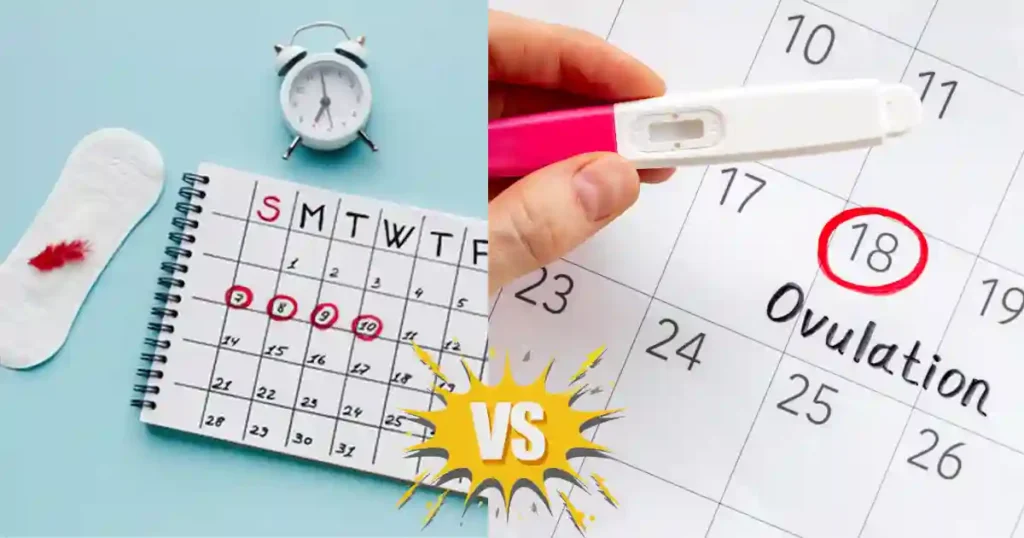
A nurse in Denver once asked me a question that changed how I explain cycles to patients. “When does the fertile window actually start?” I reached for a digital tool instead of a whiteboard, and the whole conversation got easier. That small moment is why I now believe the best ovulation calculator for clinics is not a luxury add-on. It is a core patient education tool. A good fertility calculator turns confusing dates into a picture a patient can actually see and remember. Clinics use these tools every day, both in the exam room and on their public website, to guide real conversations about timing, cycles, and next steps.
This guide walks through what a clinic fertility tool does, how to judge one properly, and where clinics tend to slip up. By the end, you will know exactly what to look for in reproductive health software built for real patient care, plus a few honest lessons from clinics that got it wrong before they got it right.
What Is the Best Ovulation Calculator for Clinics?
A clinic-focused ovulation calculator helps estimate fertile windows while supporting patient education, treatment discussions, and fertility awareness. Staff use it as a visual aid, not a replacement for judgment.
What an ovulation calculator does
It takes basic cycle data and turns it into a simple prediction. The tool estimates the likely day of ovulation. It also marks the days around that event as the fertile window, which patients can then track on their own calendar at home.
Clinical uses versus consumer uses
A clinic tool supports a professional conversation between staff and patient. A consumer ovulation calculator is built for someone tracking cycles alone, often with fewer reporting features. Clinic versions add branding, printable summaries, and stronger privacy controls that most home apps skip entirely.
Why clinics use fertility calculators
Staff save real time during a visit. Patients understand the material faster with a picture in front of them. A calculator also lets front desk staff and nurses give the same consistent explanation, visit after visit, instead of relying on memory alone.
Which healthcare providers benefit most
Many provider types lean on these tools daily to guide patient conversations and build trust early in a relationship.
Fertility clinics
Fertility clinics use calculators to set expectations before starting treatment, showing a patient her likely fertile days at the very first visit. Many also point patients toward the common symptoms of ovulation so they know what to watch for between visits.
OB-GYN practices
OB-GYN offices use calculators during routine visits to answer common questions about the menstrual cycle and normal variation between patients.
Women’s health clinics
General women’s health clinics use these tools for broader counseling, covering everything from cycle education to family planning goals.
Family planning centers
Family planning staff use calculators to discuss both conception and prevention, depending on what each patient wants to achieve. Some also hand out a starter ovulation kit alongside counseling for patients who want to try tracking right away.
IVF clinics
IVF teams pair calculator data with lab results and medication schedules, building a fuller picture than the calculator alone could offer. Staff often reference an implantation calculator once a cycle moves past ovulation.
Telehealth providers
Remote providers rely on calculators heavily since they cannot sketch a chart in person. A shared screen becomes the main teaching tool during a video visit, and many pair it with a conception calculator to map out a full plan.
How a Clinical Ovulation Calculator Works
Most calculators estimate ovulation using basic menstrual cycle information. Clinicians then read those predictions alongside history, symptoms, and exam findings.
Menstrual cycle inputs
The tool asks for the first day of the last period, the average cycle length, and how many days the period usually lasts. These three numbers drive almost the entire prediction.
Fertile window prediction
Based on those inputs, the calculator marks a short stretch of days as the most fertile window. This span usually includes several days leading up to ovulation itself, since sperm can survive that long inside the body.
Cycle length calculations
Cycle length shifts the whole prediction earlier or later. A shorter cycle moves ovulation earlier in the month. A longer cycle pushes the estimate later, which is why average length matters so much. Clinics that see many patients with shifting lengths often lean on a wider view of the menstrual cycle as a whole, not just a single number.
Ovulation estimation
The tool selects one likely day for ovulation based on cycle history. Clinicians should always treat this as a working estimate, not a confirmed medical fact. Patients curious about the science can compare methods through our guide on an accurate ovulation calculator.
Supporting, not replacing, clinical judgment
A calculator never replaces an exam, bloodwork, or a doctor’s read on symptoms. It supports the conversation and speeds up patient understanding. It does not make the final call on treatment or diagnosis.
Understanding prediction limitations
Predictions rely on averages drawn from past cycles. Real cycles vary from month to month. Stress, illness, travel, and even sleep changes can shift ovulation by several days, so staff should always frame results as an estimate rather than a promise. A quick comparison against a precise ovulation calculator can help patients see this variation for themselves.
Information Used by Clinic Ovulation Calculators
In clinical settings, calculators work best when paired with patient history and professional judgment. Here are the most common inputs behind a typical prediction.
| Patient Information | Why It Matters | Clinical Benefit |
|---|---|---|
| First day of last menstrual period | Starting point | Cycle calculation |
| Average cycle length | Predicts ovulation | Better timing guidance |
| Period duration | Refines estimates | Improved education |
| Cycle regularity | Identifies patterns | Personalized counseling |
| Previous cycle history | Tracks trends | Better follow-up discussions |
Benefits of Using an Ovulation Calculator in a Clinic
Digital fertility tools often make hard topics easier to explain, so patients leave each visit with a clearer picture of their own body.
Better patient education
A visual calculator turns abstract dates into something a patient can actually see, point at, and remember well after the visit ends. Staff often pair this with our page on how to track ovulation at home between appointments.
Faster consultations
Staff spend less time explaining basic cycle math out loud. That saved time goes toward answering the questions that truly matter to each patient, including practical steps for anyone trying to conceive.
Improved fertility awareness
Patients start noticing patterns in their own cycle length once they see several months mapped out side by side.
Increased patient engagement
People tend to ask more follow-up questions once they see their own numbers on screen instead of hearing a verbal summary alone.
Consistent counseling
Every staff member gives roughly the same baseline explanation, since the tool sets a shared starting point for the conversation.
Website visitor engagement
A fertile window calculator placed on a clinic website keeps visitors on the page longer and builds early trust before they ever book a visit.
Enhanced clinic credibility
A well-built calculator signals that a clinic invests in patient tools, not just appointment slots, which matters more to modern patients than many clinics realize.
Features to Look for in the Best Ovulation Calculator for Clinics
Strong clinic tools blend scientific accuracy with practical features that help staff and patients on a daily basis.
Accurate fertile window prediction
Look for a calculator built on sound, published cycle science, not a rough guess dressed up with a nice interface. Comparing methods side by side, such as an ovulation calculator against basal body temperature, helps a clinic pick the strongest approach.
Irregular cycle support
Many patients do not follow a textbook cycle. The tool should handle irregular cycles without breaking or giving nonsense dates. Our detailed guide on an ovulation calculator for irregular periods covers this in more depth, including what to expect from patients with PCOS.
Multi-cycle tracking
A tool that stores several past cycles gives a fuller, more honest picture than a single-month snapshot ever could, similar to how an ovulation calculator compared against a fertility monitor builds trends over time.
Printable patient reports
Patients like taking something home after a visit. A printable summary reinforces exactly what staff said in the room. Many clinics also send patients home with a simple test kit to pair with that printed report.
Mobile-responsive interface
Patients often revisit the tool later on a phone. It needs to work cleanly on a small screen, not just a desktop monitor. Test the tool yourself on a real phone before recommending it, since a layout that looks fine on a laptop can break badly on mobile.
Clinic branding options
Custom logos and colors make the tool feel like part of your practice, not a random outside app a patient stumbled onto by accident. This small detail builds confidence, especially for a first-time patient who is still deciding whether to trust your clinic.
Accessibility (WCAG)
Screen reader support and clear color contrast matter for patients with vision or hearing needs, and accessibility also tends to improve search rankings. Ask a vendor for their accessibility statement directly, since a real answer signals a real commitment, not just a checkbox on a sales sheet.
Data privacy controls
Look for clear consent steps and limited data collection. Sensitive fertility data deserves more care than a typical contact form. Ask exactly where the data lives, who can view it, and whether it ever gets shared with a third party for marketing purposes.
API or EHR integration options
Some clinics want calculator data flowing straight into patient records automatically, cutting down on manual double entry for staff. This matters most for busy practices where a nurse might otherwise re-type the same numbers three or four times a day.
Multilingual support
A tool that speaks a patient’s first language builds trust faster than one that forces a translation in the moment. Clinics in diverse communities often see higher completion rates once a calculator offers even two or three common languages.
Consumer Calculator vs Clinic Calculator
Although both tool types estimate ovulation, clinic-grade calculators typically add extra workflow, reporting, and communication features.
| Feature | Consumer Tool | Clinic Tool |
|---|---|---|
| Ovulation prediction | Yes | Yes |
| Multi-cycle analysis | Limited | Advanced |
| Patient reports | Limited | Yes |
| Clinic branding | No | Yes |
| API integration | Rare | Often available |
| Accessibility support | Basic | Advanced |
| Privacy controls | Standard | Enhanced |
| Educational resources | Basic | Comprehensive |
For staff who want a physical check alongside the digital estimate, many clinics keep a simple ovulation test kit on hand to hand out during counseling. It gives patients a second data point beyond the screen.
Choosing the Right Calculator for Your Clinic
Every clinic has different goals. The right pick depends on patient volume, daily workflow, and your broader digital strategy.
Ease of use
Staff should learn the tool within minutes, not hours. A clean layout beats a feature-packed one that leaves everyone confused on day one, much like the simplicity found in an ovulation calculator built for beginners.
Clinical accuracy
Check that the math behind the tool matches known cycle science, not a vague marketing claim printed on the sales page. Our comparison of ovulation test kits versus apps is a useful gut check before choosing a vendor.
Integration requirements
Decide early whether the tool needs to connect with your patient portal or your existing EHR system before you sign a contract. Retrofitting integration later almost always costs more time and money than planning for it up front.
Patient-friendly design
Plain language and simple visuals help patients follow along without needing a medical degree to understand their own results. Avoid dense medical terms wherever a simpler word says the same thing just as clearly.
Ongoing technical support
Software breaks sometimes. A responsive support team keeps small glitches from turning into a bigger patient trust problem.
Cost versus value
Compare the price against the time it saves staff and the trust it builds with patients over months of regular use.
Scalability
Pick a tool that can grow alongside your patient volume, rather than one built only for a small solo practice. A growing clinic often adds physical supplies too, such as a bulk ovulation test kit order for the front desk, so plan storage and budget for both the software and the supplies side by side.
How Clinics Can Integrate an Ovulation Calculator
Modern fertility calculators are usually simple to add to a clinic website or an existing patient portal.
Website integration
Most tools drop into a page using a small embed snippet. A full site rebuild is rarely needed for a basic setup.
WordPress
A plugin or embed block handles most WordPress setups within about an hour, even for a small clinic team.
Custom HTML
Developers can paste a short script tag directly into a custom-built site without touching the rest of the codebase.
Patient portal integration
Some vendors offer a direct login link so patients see their own cycle data without re-entering it every single visit.
Telehealth platforms
Screen sharing during a video visit lets remote patients follow the exact same walkthrough as someone sitting in the office.
API connections
Larger clinics connect calculator data straight into records through an API, cutting manual entry and reducing simple transcription errors. This works well alongside a days until next period calculator for full-cycle scheduling.
Staff training
A short training session on day one prevents confusion once real patients start using the tool during live visits.
Testing before launch
Run a few sample cycles through the tool before rolling it out, checking that predictions match what your team expects to see. Have two or three staff members test the tool separately first, so any confusing wording or broken links get caught before a real patient ever sees them.
Privacy, Security, and Healthcare Compliance
Because fertility information can be sensitive, clinics should review privacy and regulatory requirements before rollout begins.
HIPAA awareness (United States)
US clinics should confirm how patient data gets stored and whether the vendor supports HIPAA-aligned handling of protected health information. Review our full editorial policy for how we vet health claims on this site.
GDPR considerations
Clinics serving patients in the European Union need to review consent language and data handling rules under GDPR before launch.
Secure data storage
Patient data should sit on encrypted servers with tightly limited staff access, not an open shared drive. Our own privacy policy outlines the standard we hold ourselves to on this site.
Encryption standards
Look for HTTPS across every page, plus encryption for stored data, not just data moving between devices.
Consent management
Patients should see a plain notice about what data gets collected and why, before they type in a single date.
Medical disclaimers
Every calculator should state clearly that it supports education, not diagnosis, somewhere a patient will actually notice it.
Audit trails
Logs showing who accessed which record help a clinic stay accountable and catch problems early, before they grow into something larger. Ask any vendor how long these logs are kept and who on your team can actually review them.
Privacy and Security Checklist
Patients trust clinics with deeply personal information. This checklist helps confirm a tool meets a reasonable safety bar before go-live.
| Requirement | Why It Matters |
|---|---|
| HTTPS encryption | Secure communication |
| Access controls | Limits unauthorized access |
| Data minimization | Collect only necessary information |
| Consent notices | Builds transparency |
| Privacy policy | Improves trust |
| Regular software updates | Reduces security risks |
| Audit logs | Supports compliance |
Common Mistakes Clinics Should Avoid
Even a strong digital tool can create confusion without clear communication and fair, honest expectations.
Treating calculator results as diagnoses
A predicted date is not a medical finding on its own. Staff need to say this plainly, every single time a result comes up.
Ignoring irregular menstrual cycles
Some patients get told to simply count fourteen days, which fails anyone dealing with an irregular period or a condition like PCOS. Always ask about cycle history first. Our piece on why ovulation calculators can be wrong covers common failure points in more depth.
Choosing tools without accessibility features
Skipping accessibility locks out patients with vision or hearing needs. Review this before signing any vendor contract.
Weak patient instructions
Confusing instructions lead to wrong entries and shaky predictions. Keep every step short, plain, and easy to follow on a first read, the same way our own mistakes when tracking ovulation guide breaks things down for patients.
Not reviewing privacy settings
Default settings are not always the safest option available. Review them carefully before launch, not after a patient complaint arrives.
Failing to update software
Outdated software brings both security risk and stale science. Set a regular review schedule, at minimum once or twice a year.
Overlooking analytics
Website traffic data shows which pages patients actually use most. Ignoring that feedback wastes a genuinely useful signal. If most visitors leave from the same step in the calculator, that step likely needs simpler wording or a clearer layout.
Expert Advice for Clinics
The most effective clinics pair digital tools with real medical guidance and warm, patient communication.
Explain how predictions work
Tell patients plainly that the tool uses averages, not certainty, right from the very first mention of a predicted date. A short walk through a dpo calculator can help patients understand how days past ovulation get counted.
Encourage patient questions
Leave room in every visit for a patient to ask what a result actually means for her specific situation and goals. Some patients ask whether a test strip kit is worth buying, and honest guidance here builds real trust.
Combine calculators with clinical assessment
Pair the prediction with exam findings, labs, or a full symptom history for a fuller, more trustworthy picture. See our notes on how ovulation apps hold up on accuracy for a closer comparison.
Review multiple cycles when appropriate
One single cycle rarely tells the full story. Ask about the last three to six months whenever that history is available, especially for patients flagged by an anovulatory cycle risk calculator.
Monitor patient feedback
Ask patients directly if the tool made sense to them. Their honest answers should shape future staff training.
Update educational resources regularly
Keep handouts and web pages current as guidance and available science shift over time, rather than letting them go stale. Set a calendar reminder every six months to review wording, since small updates keep a clinic’s materials sounding fresh and accurate.
USA Expert Insight
“Digital ovulation calculators are useful educational aids, but they should always be interpreted alongside a patient’s medical history, symptoms, and appropriate clinical evaluation.”
— Dr. Hugh S. Taylor, MD, Chair of Obstetrics, Gynecology & Reproductive Sciences, Yale School of Medicine
Best Practices for Clinics Using Ovulation Calculators
Small workflow changes often bring a real gain in patient understanding during fertility consultations.
| Best Practice | Benefit |
|---|---|
| Use plain-language explanations | Better patient understanding |
| Review more than one cycle | Improved context |
| Keep medical disclaimers visible | Sets realistic expectations |
| Train staff regularly | Consistent communication |
| Monitor website analytics | Better digital performance |
| Update educational content | Maintains trust |
| Encourage follow-up questions | Stronger patient relationships |
In my own notes, I often suggest patients confirm a calculator estimate with a simple at-home ovulation test kit, since a physical test adds a second layer of confidence. A basic ovulation predictor kit is inexpensive and easy for most patients to use correctly at home. I keep a reliable test kit on my own recommendation list for exactly this reason.
Future Trends in Clinic Fertility Technology
Clinic technology keeps changing as AI, wearable devices, and connected health platforms grow more common every year.
AI-assisted fertility predictions
Newer tools use pattern recognition across many past cycles for a sharper, more personal estimate than a simple average alone, building on ideas already used in a most fertile window calculator.
Wearable health device integration
Devices that track temperature and sleep now feed data straight into fertility software automatically. Our guide on ovulation calculators and wearables explains how this pairing actually works in practice.
Electronic Health Record (EHR) connectivity
Direct EHR links cut manual entry and reduce simple errors that creep in between separate systems.
Personalized reproductive analytics
Tools increasingly tailor predictions to one patient’s own history, rather than a broad population average, similar to how a probable conception date calculator narrows a range for one specific patient.
Remote patient monitoring
Clinics can now review patient cycle data between visits, not only during a scheduled appointment.
Telehealth fertility support
Video visits paired with a shared calculator screen now stand in for many in-person consultations, especially in rural areas where travel to a clinic takes real time and money. Providers can mail patients a home ovulation test kit ahead of a virtual visit so the conversation has real data behind it, not just a guess based on memory.
Frequently Asked Questions
What is the best ovulation calculator for clinics?
The best option blends accurate predictions with privacy controls, clinic branding, and solid support for irregular cycles and busy patient schedules.
Are clinic ovulation calculators accurate?
They provide useful estimates based on cycle averages. They are not lab-level precision on their own, and staff should present them that way.
Can an ovulation calculator replace a medical consultation?
No. It supports a conversation and speeds up understanding. It never replaces an exam or a clinician’s professional judgment.
What features should a clinic fertility calculator include?
Look for accurate predictions, irregular cycle support, strong privacy controls, and clear patient reports that can be printed.
Can clinics integrate calculators with patient portals?
Yes, many vendors offer direct portal or API integration for larger practices with existing digital systems.
Are clinic calculators HIPAA compliant?
Compliance depends entirely on the vendor’s data handling practices. Clinics should confirm this in writing before signing on.
Do ovulation calculators work for irregular menstrual cycles?
Good tools adjust for irregularity, though predictions naturally become less exact as a patient’s cycles vary more. See our full breakdown on an ovulation calculator built for irregular periods for specifics.
Can clinics brand their own ovulation calculator?
Many clinic-grade tools allow custom logos, colors, and even hosting under your own clinic domain.
Should calculators be used during fertility consultations?
Yes, as a visual aid alongside history taking and exam findings, never as a stand-alone answer to a patient’s question.
How often should clinic fertility tools be updated?
Review both the software and its content at least twice a year, or sooner if published guidance changes.
Final Recommendation
After years of using these tools in real patient conversations, my honest take stays simple. The best ovulation calculator for clinics is the one your staff will actually use correctly, every single time, without cutting corners. Pick a tool built on solid cycle science, backed by clear privacy practices, and able to handle irregular cycles gracefully, since so many patients fall outside a textbook pattern. Pair every prediction with real clinical judgment, never in place of it, and consider recommending a simple ovulation test kit alongside the digital estimate for patients who want extra confirmation. I have watched patients relax the moment a confusing topic becomes one clear picture on a screen, and that trust is worth more than any single feature on a spec sheet. Start small, train your staff well, and let honest patient feedback guide every change you make from there.