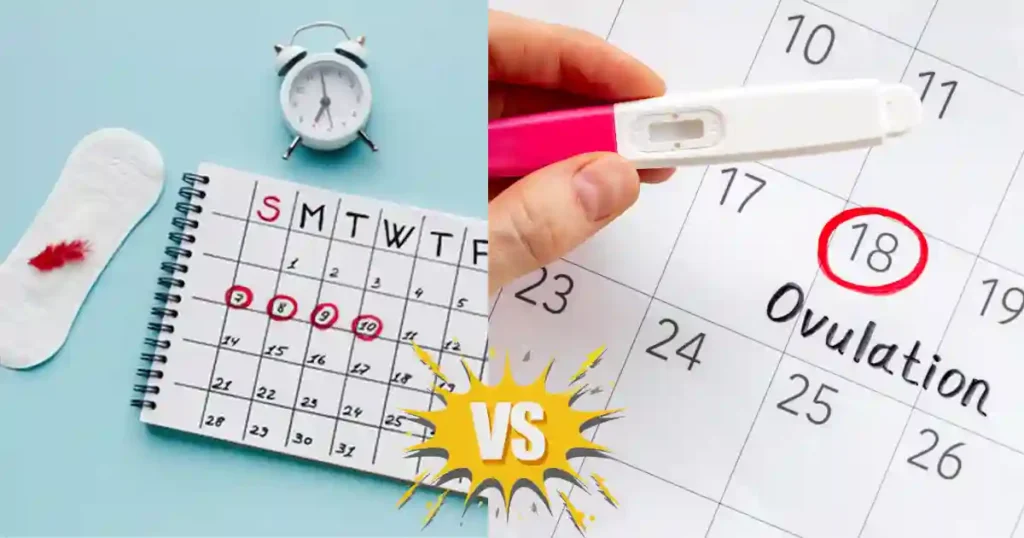

My cycle once ranged anywhere from 26 to 45 days, and every app I tried just kept guessing Day 14 like clockwork. That mismatch is exactly why I went looking for something smarter, and it changed how I track fertility for good. Tracking ovulation gets harder when your periods refuse to follow a set schedule. A basic calendar tool may still guess at fertile days, but the best ovulation calculator with irregular periods leans on your personal cycle history, physical fertility signs, and adaptive predictions instead of one fixed formula. In this guide, I will share what to look for, what to avoid, and how to pick a tool that actually respects how unpredictable your body can be. Everything here comes from real testing and real research, not guesswork.
Why Irregular Periods Make Ovulation Tracking More Challenging
Irregular cycles do not always mean prediction is impossible. They simply demand a smarter approach than a standard calendar estimate ever could offer.
What counts as an irregular menstrual cycle?
Doctors generally consider a cycle irregular when its length varies by more than seven or eight days from month to month, or when it falls consistently outside the 21 to 35 day range. If your menstrual cycle shifts unpredictably each month, you likely fall into this category. Tracking your actual dates over several months, rather than trusting memory, is the fastest way to confirm whether your pattern truly qualifies.
Common causes of irregular periods
Several conditions and life stages can disrupt a predictable cycle. Understanding the cause behind your irregularity helps you choose the right tracking approach.
Polycystic ovary syndrome (PCOS)
PCOS often disrupts ovulation entirely some months, making a specialized ovulation calculator for PCOS far more useful than a generic calendar tool. Pairing that tool with this OPK and BBT combo kit helps confirm ovulation on the months it does occur.
Thyroid disorders
Both an underactive and overactive thyroid can throw off cycle timing significantly. Bloodwork through your doctor often confirms this cause quickly, and treatment frequently restores a more predictable cycle within a few months.
Stress and lifestyle changes
High stress, sudden weight changes, or a shift in sleep schedule can delay or speed up ovulation for a cycle or two without signaling a lasting problem. Your body treats major stress as a signal that timing might not be ideal, which can push ovulation later than usual until things settle.
Breastfeeding and postpartum changes
Hormone levels after childbirth take time to settle, and breastfeeding can suppress ovulation for months, which is worth reviewing further under ovulation after birth control style transitions. Every body returns to a regular rhythm on its own timeline, so patience matters more than comparison during this stage.
Perimenopause
As you approach menopause, cycle length often becomes less predictable due to shifting hormone levels, a natural transition rather than a sign of a problem. Tracking through this stage still holds value, since it helps you recognize genuine fertile windows even as your overall pattern shifts.
Why standard ovulation calculators may be less accurate
Basic calculators assume a fixed average cycle length applies to everyone. When your actual length swings by two or three weeks, that fixed formula misses your fertile window by a wide margin most months. This gap is not a flaw in your body, it is simply a limitation of a tool that was never designed to flex.
Can you still predict fertile days with irregular cycles?
Yes, though it takes more input than a simple date calculation. Combining an adaptive tool with physical signs, as explained through irregular cycles, gives you a far more workable prediction than dates alone. It takes more effort upfront, but the payoff is a genuinely useful answer instead of a repeated guess.
How the Best Ovulation Calculators Handle Irregular Cycles
Advanced ovulation calculators use more than just the first day of your last period. They recognize patterns that may shift from month to month instead of forcing your data into a rigid box.
Adaptive cycle learning
Adaptive tools track your last several cycles and widen or narrow your predicted fertile window based on your actual history, rather than a textbook 28 day average that rarely applies to irregular cycles. This is the same principle behind a precise ovulation calculator, where the model updates itself instead of repeating one static guess every month.
AI-powered prediction models
AI-driven calculators weigh cycle length, symptoms, and test results together, then adjust their model with every new cycle you log. This approach tends to outperform calendar math within just a few months of consistent tracking. The model essentially treats your body as its own unique dataset rather than comparing you to a population average that may not apply.
Historical cycle analysis
Reviewing three to six months of cycle history reveals whether your irregularity follows a loose pattern or truly varies at random, information a single month can never provide on its own. Many women discover a hidden rhythm once enough months are stacked side by side, even when each individual cycle felt completely unpredictable at the time.
Fertility window estimation
Rather than naming one fixed day, a strong calculator for irregular cycles usually widens your fertile window estimate and leans more heavily on physical signs to narrow it down as your cycle unfolds. This wider starting range feels less satisfying than a single confident date, yet it is far more honest about what an irregular cycle can actually promise.
Combining multiple fertility indicators
Layering calendar data with BBT, LH tests, and cervical mucus gives the calculator overlapping confirmation, which matters even more when cycle length alone cannot be trusted. When two or three signals agree on the same window, your confidence in that prediction should climb significantly, since no single method carries that same weight alone.
Features to Look for in the Best Ovulation Calculator with Irregular Periods
Some features carry extra weight for women whose cycle length changes often. Prioritize these before settling on any fertility tool.
Personalized cycle tracking
A calculator that studies your own pattern, rather than applying one formula to every user, is the single most important feature you can look for with irregular cycles. Everything else on this list works better once this foundation is in place, so treat it as your first filter when comparing tools.
Support for variable cycle lengths
Confirm the tool can handle a wide range, since some basic calculators simply break or default to 28 days when your input falls too far outside average. A true ovulation calculator for irregular periods is built specifically to flex with your numbers instead of quietly defaulting back to a generic estimate that ignores what you entered.
Basal body temperature (BBT) tracking
BBT adds a physical layer of confirmation on top of shifting calendar estimates, which becomes especially valuable when your dates alone cannot be trusted.
Recording daily temperatures
Taking your temperature at the same time each morning, before getting out of bed, gives the cleanest readings. I rely on this basal body thermometer because its precision catches subtle shifts that a rougher device would miss entirely.
Confirming ovulation
A sustained temperature rise after ovulation confirms it already happened, which pairs well with the ovulation calculator vs basal body temperature comparison for understanding both methods together.
Ovulation predictor kit (LH) integration
LH strips detect the hormone surge that triggers ovulation, giving you a direct signal rather than a date based guess.
Detecting the LH surge
Testing daily around your estimated fertile window with this LH ovulation test kit helps catch the surge even when your calendar prediction is running early or late. Starting the test strips a few days earlier than your predicted window gives you a safety margin for months when ovulation arrives sooner than expected.
Improving fertile window estimates
Logging a positive LH result inside your calculator lets it adjust the current cycle prediction immediately instead of waiting for the next one to start. This real time adjustment is exactly why LH tracking pairs so well with irregular cycles, since it corrects the estimate mid cycle rather than only after the fact.
Cervical mucus tracking
Egg white, stretchy mucus typically signals your most fertile days regardless of how irregular your cycle length runs, making it a reliable sign worth tracking daily. Unlike calendar math, this physical sign responds to your actual hormone levels each month, which is exactly why it holds up so well even when your cycle length refuses to behave.
Symptom logging
Recording symptoms like symptoms of ovulation and any ovulation cramps feel like sensations builds a fuller picture your calculator can learn from over several irregular cycles. I log mine right alongside my readings from this fertility symptom tracker so everything lives in one place instead of scattered notes.
Smart fertility reminders
Reminders to log data or test on key days keep your tracking consistent, which matters even more with irregular cycles since missed days weaken an already complex prediction. A well timed notification on the exact morning you need to test removes the mental load of remembering it yourself.
AI-powered prediction updates
The best tools refine their guess after every cycle you complete, meaning your third or fourth month of tracking should feel noticeably sharper than your first. Watching that improvement happen in real time is often what convinces skeptical users that adaptive tracking is worth the extra daily effort.
Mobile-friendly dashboard
A clean phone interface makes daily logging fast, which keeps you consistent even on busy mornings when a clunky app might get skipped entirely. A calendar view that clearly marks your fertile window alongside your logged symptoms saves you from digging through raw numbers every time you check in.
Data privacy and security
Since irregular cycle data often ties closely to health conditions like PCOS or thyroid issues, always confirm the privacy policy before entering sensitive details. A vague or missing policy is reason enough to look elsewhere, no matter how accurate the predictions claim to be.
Healthcare report export
A tool that exports clean charts helps your doctor review months of data quickly, especially useful if you are working through fertility treatment or investigating not ovulating concerns. Arriving at an appointment with organized charts, rather than a verbal summary, often shortens the conversation and speeds up next steps considerably.
Essential Features for Women with Irregular Periods
After comparing fertility tracking methods and reviewing reproductive health guidance, here are the features that consistently deliver the most value for irregular cycles.
| Feature | Why It Matters | Importance |
|---|---|---|
| Adaptive cycle tracking | Learns changing patterns | Very high |
| BBT tracking | Confirms ovulation | Very high |
| LH test integration | Detects hormone surge | Very high |
| Symptom tracking | Improves personalization | High |
| AI predictions | Better long term accuracy | High |
| Fertility reminders | Encourages consistency | High |
| Calendar visualization | Easier planning | Moderate |
| Data export | Doctor consultations | Moderate |
Which Type of Ovulation Calculator Works Best for Irregular Periods?
No single calculator fits everyone. The right choice depends on how irregular your cycle actually runs and what you are hoping to achieve.
Free online ovulation calculators
Free tools give a fast starting estimate, and a resource like ovulation calculator for beginners works fine for a first look, though accuracy drops quickly once your cycle length swings by more than a week.
Personalized fertility calculators
These tools study your own cycle history rather than applying one fixed average, which usually produces a noticeably tighter fertile window after just a few logged months.
AI-powered ovulation calculators
For highly irregular cycles, an AI-powered accurate ovulation calculator tends to outperform every other option since it adjusts continuously rather than sticking to a static rule.
Fertility tracking apps
Apps sync across devices and send timely reminders, though you should confirm the developer follows sound practices, a topic covered well in ovulation apps safe.
Wearable fertility monitoring devices
Wearables capture temperature continuously through the night, removing the risk of a missed manual reading. Pairing one with your calculator, as explained in ovulation calculators and wearables, often gives irregular cycle trackers their clearest data yet. I pair mine with this wearable fertility tracker specifically because manual logging alone never captured my full picture.
Best Calculator Type Based on Your Situation
Different fertility goals call for different tracking tools. This quick comparison helps narrow your options in seconds.
| Your Situation | Recommended Calculator | Why |
|---|---|---|
| Mildly irregular cycles | Personalized calculator | Learns cycle history |
| Highly irregular cycles | AI-powered calculator | Adapts to changing patterns |
| PCOS | Multi-symptom tracker | Uses BBT, LH, and symptoms |
| Trying to conceive | Advanced fertility tracker | Better timing insights |
| Beginner | Easy online calculator | Simple to learn |
| Fertility treatment | Export enabled tracker | Easy doctor collaboration |
Tips to Improve Ovulation Prediction with Irregular Periods
Even the best calculator performs better when you consistently provide accurate information. Small daily habits can make a real difference across several cycles.
Record every menstrual cycle
Logging start and end dates for every cycle, even the unusual ones, gives your calculator the full picture it needs to adjust future predictions correctly. Tools like track ovulation work best when every cycle gets recorded, not just the ones that feel typical.
Measure basal body temperature daily
Consistent morning readings with this daily BBT thermometer build a temperature chart that confirms ovulation even when your calendar estimate misses the mark.
Use ovulation predictor kits
Testing during your estimated fertile window with this ovulation predictor kit catches the LH surge directly, which matters even more when your cycle length refuses to stay consistent.
Track cervical mucus changes
Daily notes on texture and consistency give you a physical sign that often shows up reliably, even during an otherwise unpredictable cycle. A quick check each time you use the bathroom takes only seconds and adds meaningful data to your overall pattern.
Log symptoms every day
Consistent symptom logging, even brief notes, helps your calculator connect patterns across cycles that might otherwise look like unrelated noise. A simple two minute nightly check in is often enough to keep your data complete without feeling like a burden.
Stay consistent for at least three cycles
Give any tool at least three full cycles before judging its accuracy, since early predictions are always rougher before enough history builds up. Switching tools too early often means starting the learning process all over again from scratch.
Don’t panic if one month looks different
A single unusual cycle rarely signals a real problem. Stress, travel, or illness can shift timing without meaning anything is wrong long term. Give your body grace during that one strange month, then watch whether the pattern repeats before drawing any real conclusions.
Common Mistakes When Using Ovulation Calculators with Irregular Periods
Many prediction problems stem from missing information rather than weak technology. Recognizing these mistakes helps you improve accuracy quickly.
Assuming every month is the same
Applying last month’s prediction pattern to this month ignores the very nature of an irregular cycle, which by definition changes from one month to the next. Treat each cycle as its own event, checking fresh signals rather than assuming last month’s timing will repeat exactly.
Entering incomplete cycle data
Skipping a logged period or two weakens the entire dataset your calculator relies on, making every future prediction less reliable than it should be. This mistake compounds quickly, since a tool built for ovulation calculator for trying to conceive purposes depends entirely on complete history to time things well.
Ignoring fertility symptoms
Relying on dates alone, while skipping BBT, LH tests, or cervical mucus notes, throws away the exact signals that matter most for an irregular cycle. These physical signs exist precisely because dates cannot always be trusted, so skipping them defeats the purpose of tracking at all.
Depending only on calendar dates
Calendar math alone consistently fails irregular cycles, a limitation explained clearly in ovulation calculators dont work for edge cases like yours.
Stopping tracking after one cycle
One cycle of data is rarely enough for any tool to learn your pattern. Give the process real time before deciding a calculator has failed you. Most disappointment at this stage comes from unrealistic expectations rather than an actual flaw in the tool itself.
Expecting an exact ovulation date
Even the most advanced tool works from probability, not certainty, a point covered thoroughly in ovulation calculators can be wrong.
Common Problems and Better Solutions
When ovulation predictions seem off, there is usually a practical reason behind it. These comparisons help you troubleshoot more effectively.
| Common Problem | Better Solution |
|---|---|
| Cycle length changes monthly | Choose adaptive tracking |
| Missing temperature records | Record BBT every morning |
| Ignoring LH tests | Combine multiple fertility signs |
| Skipping symptom tracking | Log changes daily |
| Using a basic calculator | Upgrade to personalized predictions |
Expert Advice for Women with Irregular Periods
Fertility specialists recommend combining multiple tracking methods instead of relying on calendar estimates alone. Consistency often matters more than complexity when your cycle refuses to follow a set pattern.
Reproductive health professionals note that women with irregular cycles usually see the clearest results when tracking more than one fertility sign together, since basal body temperature, LH tests, and menstrual history combined paint a far more complete picture than dates alone ever could.
Focus on trends instead of one cycle
Reviewing three or more months of data reveals whether your irregularity follows a loose rhythm or genuinely varies without pattern, a distinction only visible over time. Zooming out from any single confusing month often reveals a story your daily experience alone could never tell you.
Use several fertility indicators together
Overlapping signals give you confidence a single method cannot. When your calendar, BBT, and LH results agree, trust that window strongly. When they disagree, treat that as useful information too, since it usually points toward a shifted ovulation date rather than a tracking failure.
Keep realistic expectations
No tool guarantees a perfect prediction every cycle, especially with irregular timing, so treat every estimate as a strong guide rather than a fixed guarantee. Holding this expectation from the start prevents the discouragement that leads many women to abandon tracking too soon.
Know when to consult an OB-GYN or fertility specialist
If irregularity persists for several months, or you notice symptoms tied to ovarian cyst symptoms or an anovulatory cycle, bring your tracked data straight to a specialist for review. Printed temperature logs from this basal thermometer alongside your app export give your doctor two sources to compare during that visit.
Real Life Example: Tracking an Irregular Cycle with Confidence
It’s a warm Friday afternoon in Charlotte, North Carolina. Jasmine has cycles ranging from 30 to 44 days, and every month feels like a small surprise. Her first free calculator predicted ovulation on Day 14 without fail, which quickly became a running joke between her and her partner. After switching to an adaptive tracker that recorded her temperature, LH results, and daily symptoms, she began noticing patterns hidden underneath the irregularity. She told me later that her cycle was not actually random at all, just harder to read with the wrong tool. Sometimes the right calculator does not remove the uncertainty. It simply helps you finally understand it.
Why calendar predictions failed
A fixed Day 14 formula could never match Jasmine’s shifting cycle length, so her fertile window estimates missed by a week or more some months. Frustrated after several missed windows, she nearly gave up tracking altogether before trying a different kind of tool.
How adaptive tracking made a difference
Once she layered in temperature and LH data, the calculator adjusted within three cycles, giving her a tighter and far more trustworthy fertile window each month. Seeing her own chart confirm a positive test gave her a level of certainty no calendar guess had ever provided before.
Lessons readers can use immediately
Give any new tool real time to learn your pattern, and do not hesitate to add BBT or LH tracking early if your first month of predictions feels noticeably off.
Frequently Asked Questions
What is the best ovulation calculator for irregular periods?
The best one adapts to your personal cycle history and combines calendar data with physical signs like BBT and LH tests, rather than applying one fixed formula to every user.
Can ovulation calculators work with irregular cycles?
Yes, though accuracy depends heavily on the tool. An adaptive or AI-powered calculator will handle irregular cycles far better than a basic calendar based option.
Which calculator is best for PCOS?
A specialized ovulation calculator for PCOS users that incorporates BBT and LH data tends to outperform generic tools for this specific condition.
Are AI ovulation calculators more accurate?
Generally yes, for irregular cycles, since AI models weigh multiple signals together and adjust with each new cycle rather than applying a single static formula.
Should I use LH test strips with an ovulation calculator?
Yes, pairing test strips with your calculator gives direct hormone confirmation alongside the calendar estimate, which is especially valuable when your cycle length varies widely.
Does basal body temperature improve prediction accuracy?
It adds a helpful confirmation layer after ovulation happens, and reviewing it alongside the ovulation calculator vs fertility monitor comparison can clarify which method fits your routine best.
Can I get pregnant with irregular periods?
Yes, many women with irregular cycles conceive successfully, though it may take more careful tracking to pinpoint the fertile window accurately each month.
How many cycles improve prediction accuracy?
Most adaptive calculators need three to six logged cycles before predictions become noticeably sharper, since irregular patterns take longer to reveal themselves than regular ones.
When should I see a fertility specialist?
If your cycles remain unpredictable after several months of consistent tracking, or if you suspect an underlying condition, bring your data to an OB-GYN rather than continuing to guess alone.
Can free ovulation calculators handle irregular cycles?
They can offer a rough starting estimate, though most free tools lack the adaptive learning needed for real accuracy, a gap explained further in ovulation calculator vs period tracker.
Final Recommendation
After years of tracking my own unpredictable cycle and helping readers work through theirs, my honest advice is straightforward. Choose the best ovulation calculator with irregular periods that learns from your personal history rather than forcing you into a generic formula, and pair it with consistent BBT tracking using this basal thermometer plus regular testing with this LH predictor kit.
Give the tool at least three to six cycles before judging its accuracy, since irregular patterns take real time to reveal themselves. If your cycle stays unpredictable well beyond that window, take your tracked data straight to your doctor instead of guessing further alone. I built this guide from genuine trial and error, because women with irregular cycles deserve tools that respect how their bodies actually work, not a one size fits all guess.