Six years ago I sat at my kitchen table in Phoenix with three different apps open, all giving me different fertile days. That mess is what pushed me to actually study how these tools work. A best ovulation calendar calculator takes the guesswork out of cycle tracking and shows you your fertile window with real data behind it. Whether you are trying to conceive or just want to understand your body better, a good fertility calendar makes the process calmer.
This guide walks through how an ovulation calculator works, what features actually matter, and how to read your own signs alongside the numbers. You will also see where a menstrual cycle tracker falls short and how to fix that with a few smart habits. I will also share how I personally combine a calendar with an ovulation predictor kit so my conception planning never relies on guesswork alone.
What Is the Best Ovulation Calendar Calculator?
An ovulation calendar calculator helps predict your most fertile days using your menstrual cycle. The best ones make tracking simple while giving reliable estimates. I built my own tracking habit around this exact idea after years of confusing paper calendars.
What an ovulation calendar calculator does
It takes your period dates and cycle length, then estimates when your ovary releases an egg. From there it marks your fertile window on a calendar. Some tools also factor in past cycles to sharpen the guess. The goal is always the same: give you a clear, visual answer instead of leaving you to do mental math every month.
How it differs from a basic period calculator
A period calculator only predicts your next period. An ovulation tool goes further and pinpoints the days when pregnancy is most likely. This matters if your goal is timing, not just tracking flow. Think of a period calculator as the outer layer of your cycle, while an ovulation tool zooms in on the exact window that decides whether conception happens that month.
Who should use one
Anyone who wants to understand their body benefits from this. Women trying to conceive, women avoiding pregnancy naturally, and women simply curious about their menstrual cycle can all use it well. Even women tracking their fertility window after miscarriage often find a calendar reassuring during that season.
Benefits for pregnancy planning
Good timing removes a lot of stress from conception. A calculator gives you a clear plan instead of random guessing, which matters a lot when a couple has already waited a few months and started feeling discouraged.
Trying to conceive
Knowing your fertile days lets you plan intimacy around the window that matters most. Many couples use a dedicated trying to conceive calculator alongside their calendar for extra confidence, since it turns a vague goal into a specific, actionable plan for each cycle.
Avoiding missed fertile days
Life gets busy. A calendar sends you a heads up so you never miss the days that count.
Understanding cycle patterns
Watching your data over several months reveals patterns you never noticed before, like a shorter luteal phase or a shifting ovulation date. A luteal phase defect calculator can help you flag a pattern worth mentioning to your doctor.
Improving fertility awareness
The more you track, the more fluent you become in reading your own body’s signals.
How Does an Ovulation Calendar Calculator Work?
These tools use your cycle information to estimate ovulation and highlight the days when pregnancy is most likely. The math is simple, but the accuracy depends on good input data. Once you understand the few pieces of data behind the math, the whole tool stops feeling like a black box.
First day of your last period
This is the anchor date for every calculation. Get this date right and everything downstream improves, since even a one day error can shift your entire fertile window forward or back.
Average menstrual cycle length
Most calculators ask for your typical cycle length, usually between 21 and 35 days. This number drives the ovulation estimate, so it helps to average your last three or four cycles rather than guessing from memory.
Ovulation prediction formula
A common method subtracts 14 days from the expected end of your cycle. That count usually lands close to when the egg releases. For a quick check, our accurate ovulation calculator runs this same math for you instantly.
Fertile window calculation
The fertile window usually spans about six days: five days before ovulation and the day of ovulation itself, since sperm can survive that long inside the body. Our fertile window ovulation calculator marks these days clearly so you never have to count manually.
Why predictions can change month to month
Stress, illness, and travel can shift ovulation earlier or later. This is why a single month of data is never quite enough. A calculator is a smart estimate, not a guarantee, and treating it that way saves a lot of unnecessary worry. Our guide on why calculators can be wrong covers this in more depth.
Information an Ovulation Calendar Calculator Uses
Understanding the data behind fertility predictions helps you use the tool with confidence. Small details often make a noticeable difference in accuracy. After years of comparing my own logged cycles against calculator estimates, I have found that the first two rows in this table matter the most for getting a close prediction.
| Information | Purpose | Why It Matters |
|---|---|---|
| First day of last period | Starting point | Calculates future dates |
| Average cycle length | Predicts ovulation | Improves estimates |
| Period duration | Refines calculations | Better calendar accuracy |
| Cycle regularity | Measures consistency | More reliable predictions |
| Previous cycles | Identifies patterns | Smarter future estimates |
Why Tracking Your Fertile Window Matters
Knowing when you’re most fertile helps you make informed decisions, whether you’re planning a pregnancy or simply learning more about your body.
Understanding the fertile window
Your fertile window is the small stretch of days each cycle when an egg can actually get fertilized. Outside that window, conception is very unlikely, no matter how often a couple tries in a given month.
Best days to conceive
The two days before ovulation and the day of ovulation itself carry the highest chance of pregnancy. Timing intimacy around these days makes a real difference. Our best sex days for pregnancy calculator can help you plan around this exact window.
Egg lifespan vs sperm lifespan
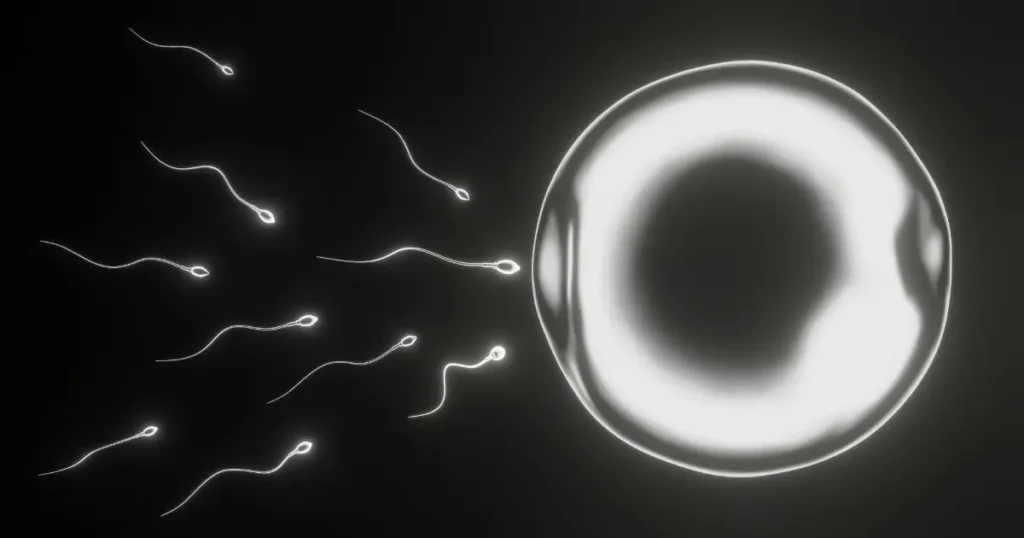
An egg survives about 12 to 24 hours after release. Sperm can live inside the body for up to five days, which is why the fertile window opens before ovulation, not just on the day itself. This gap between the two lifespans is the whole reason a calendar plans several days ahead instead of just one.
Why timing is more important than frequency
Couples often think more frequent intimacy always helps. In truth, well timed intimacy during the fertile window matters far more than sheer frequency, and knowing that can actually take pressure off a stressful month.
Common myths about ovulation timing
Many people believe ovulation always happens on cycle day 14. That number only applies to a perfect 28 day cycle, and most real cycles vary. I recommend pairing your calendar with these ovulation test strips so you confirm the estimate instead of guessing blind. A quick read on why calculators can sometimes get it wrong is worth a look too.
Features of the Best Ovulation Calendar Calculator
The best fertility tools do much more than count days. They provide useful insights while remaining simple enough to use every month.
Automatic fertile window prediction
The calculator should mark your fertile days automatically once you enter your cycle data, with no manual math needed. Our precise ovulation calculator does this the moment you enter your last period date.
Irregular cycle support
Not everyone has a textbook cycle. A strong calculator adjusts for irregular cycles instead of assuming every month looks the same, similar to our irregular menstrual cycle ovulation calculator.
Multi-month fertility calendar
Seeing several months at once helps you spot patterns and plan ahead for travel or big events. This pairs nicely with a next period date calculator so your whole calendar stays current.
Easy mobile access
You should be able to check your fertile window from your phone in seconds, whether you are at home or out running errands. A calculator that only works well on desktop simply does not fit real life.
Privacy and secure data
Fertility information is deeply personal. Choose a tool that keeps your data private and never sells it. Read the privacy policy before entering months of intimate health details into any app.
Calendar reminders
A quiet nudge on your fertile days helps busy schedules stay on track, especially for couples juggling work travel or shifting schedules.
Symptom tracking
Logging cramps, mood, and discharge alongside your calendar builds a fuller picture over time. If cramping feels unusual, our guide on what ovulation cramps feel like can help you compare notes.
Basal body temperature logging
Pairing your calendar with a daily temperature reading confirms ovulation after it happens. I use a simple basal body thermometer every morning before I even get out of bed. Read our basal body temperature comparison for a full breakdown.
Cervical mucus tracking
Noting changes in cervical mucus each day adds another layer of confirmation to your calendar’s estimate. Some women also notice brown discharge during ovulation, which is usually harmless but worth tracking too.
Basic Calculator vs Best Ovulation Calendar Calculator
Choosing the right tool becomes easier when you compare features side by side. Advanced calculators often save time and reduce guesswork. I switched from a bare bones calculator to a fuller featured one years ago, and the difference in usefulness surprised me.
| Feature | Basic Calculator | Best Calculator |
|---|---|---|
| Fertile days | Yes | Yes |
| Ovulation prediction | Yes | Yes |
| Future cycle forecast | Limited | Yes |
| Symptom tracking | No | Yes |
| Irregular cycle support | Limited | Yes |
| Calendar reminders | No | Yes |
| Mobile friendly | Sometimes | Yes |
| Privacy protection | Varies | Strong |
How to Use an Ovulation Calendar Calculator Correctly
Even the best calculator needs accurate information. A few simple habits can make your fertility predictions much more reliable.
Record your period accurately
Log the exact first day of bleeding each month, not spotting days. This single habit improves your accuracy more than any app feature. I keep a small paper note by my bed just for this, since phones get forgotten on busy mornings.
Calculate your average cycle
Track at least three cycles before trusting the calculator fully. One month alone rarely tells the full story, and averaging several cycles smooths out the natural noise every body has.
Review your fertility calendar
Check your fertile window a few days before it starts, giving yourself time to plan. A quick glance at our days until next period calculator keeps that timeline visible.
Update your data every month
Cycles shift with age, stress, and health changes, so keep feeding the calculator fresh numbers.
Watch for cycle changes
Sudden shifts in length or flow deserve attention and sometimes a chat with your doctor. If you suspect you are not ovulating some months, that is worth flagging early.
Track symptoms alongside predictions
Pairing your calendar with symptom notes and an ovulation predictor kit gives you two confirmations instead of one guess.
Signs Your Body Is Ovulating
Your body often provides natural clues that confirm what the calendar predicts. Combining both methods gives better confidence.
Cervical mucus changes
Fertile mucus turns clear, stretchy, and slippery, similar to raw egg white. This is one of the clearest natural signs of ovulation.
Basal body temperature rise
Your resting temperature rises slightly right after ovulation and stays higher until your next period. A reliable basal body thermometer makes this easy to track each morning.
Mild pelvic pain (Mittelschmerz)
Some women feel a light twinge on one side of the lower belly around ovulation. It usually passes within a day. If the pain feels sharper or lasts longer, our page on ovarian cyst symptoms explains what else it could mean.
Increased sex drive
Many women notice a natural rise in desire right around their fertile window. This lines up with the hormone shifts driving ovulation and is a great time to check our safe days for sex calculator for perspective either way.
Breast tenderness
Mild breast soreness after ovulation is common and tied to rising progesterone. It usually fades within a few days and is nothing to worry about on its own.
Positive ovulation predictor kits
These test strips detect the hormone surge that happens right before ovulation. I keep a box of ovulation test strips on hand every cycle since they catch the surge my calendar sometimes misses by a day.
Best Ovulation Calendar Calculator vs Fertility Apps
Some people prefer a simple online calculator, while others enjoy using a full featured fertility tracking app.
Benefits of online calculators
Online tools are fast, free, and need no download. You get an answer in seconds, which is perfect for a quick check before making weekend plans or booking travel.
Benefits of fertility apps
Apps store your history long term and often send reminders and charts you can share with a doctor. Some even connect with wearable devices for a fuller data picture.
Which option suits beginners
If you are new to tracking, start with a simple calculator built for beginners before moving to a full app. Clinics often use similar tools too, as covered in our page on ovulation calculators used in fertility clinics.
Can you use both together?
Yes, and I actually recommend it. Use the calculator for quick checks and an app for long term history, then confirm the fertile window with an affordable ovulation test kit so all three sources agree before you plan anything important.
Online Calculator vs Fertility Tracking App
Each option has strengths depending on your goals. This comparison helps you decide which approach fits your lifestyle. Neither format is wrong, and plenty of women, myself included, end up keeping both close at hand.
| Feature | Online Calculator | Fertility App |
|---|---|---|
| Instant results | Excellent | Good |
| Historical tracking | Limited | Excellent |
| Notifications | Rare | Yes |
| Symptom logging | Limited | Yes |
| Offline access | Sometimes | Yes |
| Installation required | No | Yes |
Factors That Affect Ovulation Prediction Accuracy
No calculator can predict ovulation perfectly every month because your body naturally changes over time. Knowing these factors ahead of time helps you read a surprising result with context instead of confusion.
Irregular menstrual cycles
Cycles that vary widely in length make the standard math less reliable. Our irregular period cycle predictor is built specifically for this situation.
PCOS
Women with PCOS often ovulate irregularly or skip ovulation some months, which can throw off simple date math. A calculator built for this condition uses a wider range of possible ovulation days instead of one fixed guess.
Stress and anxiety
High stress can delay ovulation by days or even weeks in some cycles. Simple daily habits from our boost fertility naturally guide can help lower that load.
Sleep changes
Poor sleep disrupts the hormones that control ovulation timing. Even a few nights of broken sleep before your expected fertile window can nudge the date slightly.
Weight fluctuations
Sudden weight gain or loss can shift or suppress ovulation, which is one reason an anovulatory cycle risk calculator can be a useful check in.
Intense exercise
Heavy training loads sometimes delay ovulation, especially in athletes with low body fat. Balancing training intensity with adequate calories often brings cycles back on track.
Illness
A cold, flu, or fever can push ovulation later than usual that month. Give your body a little grace and expect that month’s window to shift slightly.
Hormonal medications
Birth control, fertility drugs, and other hormone treatments change your natural cycle pattern. Our guide on ovulation after stopping birth control explains what to expect.
Common Mistakes When Using an Ovulation Calendar Calculator
Many users unknowingly reduce prediction accuracy by making small but avoidable mistakes. Most of these are easy fixes once you know to look for them.
Entering incorrect cycle dates
Guessing your period start date instead of checking a calendar throws off every future estimate. Keep a simple note on your phone so you never have to rely on memory.
Assuming every cycle is identical
Cycles naturally shift a little each month, even in healthy women. Treating every prediction as a fixed date instead of a small range sets up unrealistic expectations.
Ignoring irregular periods
Skipping the irregular cycle settings leads to wildly inaccurate fertile windows. Take the extra minute to enter a cycle range instead of a single fixed number.
Relying on one month’s data
A single cycle is not enough to establish a reliable pattern. Give the calculator at least three months of real data before judging its accuracy.
Confusing period dates with ovulation dates
Your period start date and your ovulation date are two very different points in the cycle. Our days past ovulation calculator helps keep these two dates clearly separated.
Forgetting to update cycle information
Old data slowly becomes useless as your body changes. A calculator working off numbers from a year ago will drift further from reality with every passing month. Our full list of tracking mistakes covers even more pitfalls to avoid.
Tips to Improve Your Chances of Pregnancy Naturally
A calendar calculator works best when combined with healthy lifestyle habits and consistent cycle tracking.
Eat a balanced diet
Whole foods support steady hormone production, which keeps ovulation on schedule. Small changes, like adding more leafy greens, tend to matter more than any single superfood trend.
Maintain a healthy weight
Both being underweight and overweight can disrupt regular ovulation. This does not mean chasing a perfect number, just staying within a healthy range for your own body.
Stay physically active
Moderate movement supports healthy hormone balance without overtaxing the body. A daily walk counts just as much as a structured workout for most women.
Get enough sleep
Seven to nine hours a night keeps your reproductive hormones steady. A consistent bedtime often helps more than the total hours logged.
Reduce stress
Simple habits like walking or journaling can lower stress hormones that interfere with ovulation. I personally track my mood alongside my cycle, and the pattern between stress and delayed ovulation became obvious within a few months.
Stay hydrated
Good hydration supports healthy cervical mucus, which sperm need to travel well. Aim for steady water intake through the day rather than one big glass before bed.
Take prenatal vitamins when appropriate
A quality prenatal vitamin supports early pregnancy health before you even get a positive test. Ask your doctor which one fits your needs before starting anything new.
Don’t forget male fertility
Conception takes two people. Read our page on male fertility to make sure both partners are supported.
USA Fertility Expert Insight
“An ovulation calendar calculator is a helpful planning tool, but combining it with cervical mucus observations, ovulation test kits, and regular cycle tracking provides a clearer picture of fertility.”
— Dr. Lucky Sekhon, MD, Reproductive Endocrinologist, New York
Healthy Daily Habits That Support Fertility
Healthy habits cannot guarantee pregnancy, but they support hormonal balance and make fertility tracking more meaningful over time. These are the same small habits I lean on every month alongside my own calendar.
| Daily Habit | Why It Helps |
|---|---|
| Sleep 7 to 9 hours | Supports hormone balance |
| Drink enough water | Helps cervical mucus quality |
| Moderate exercise | Supports healthy ovulation |
| Eat whole foods | Better reproductive health |
| Reduce smoking and alcohol | Improves fertility |
| Track cycles consistently | Better predictions |
| Manage stress | Supports regular ovulation |
When You Should Talk to a Fertility Specialist
Sometimes the issue is more than timing. Medical advice can help identify underlying fertility concerns sooner, and a calculator, however good, is never a replacement for a real exam.
Trying to conceive for 12 months
If a year has passed without success, a specialist visit is a reasonable next step. Bring your cycle history and any ovulation test strip results with you, since they help the doctor spot patterns faster.
Women over age 35 trying for 6 months
Egg quality changes with age, so waiting less time before seeking help makes sense here.
Highly irregular periods
Cycles that swing wildly in length deserve a closer medical look, since a calculator alone cannot explain the underlying cause.
PCOS or endometriosis
Both conditions can affect ovulation and often need targeted treatment beyond what any calendar can offer.
Thyroid disorders
An underactive or overactive thyroid can quietly disrupt your whole cycle, sometimes without any other obvious symptoms.
Recurrent pregnancy loss
Repeated losses are worth investigating with a specialist rather than facing alone, since there is often a clear, treatable cause behind them.
Male fertility concerns
Low sperm count or motility issues affect roughly half of all fertility cases, so both partners should get checked together. Our page on sperm lifespan explains why this timing detail matters just as much as ovulation itself.
Final Recommendation
After years of tracking my own cycles and helping friends do the same, my honest take is simple. The best ovulation calendar calculator is the one you actually use every single month, paired with real signs from your body. I never rely on the calendar alone. I confirm it with an ovulation predictor kit and a few minutes of daily temperature tracking. That combination has given me the clearest, most trustworthy picture of my fertile window, far better than any single tool on its own. Start simple, stay consistent, and let your calculator grow smarter as your data grows richer. If your cycle ever feels off for months at a time, please loop in a doctor rather than guessing longer.
Frequently Asked Questions
What is the best ovulation calendar calculator?
The best one is easy to use, supports irregular cycles, and lets you log symptoms alongside your dates. It should also feel simple enough that you actually keep using it every month instead of giving up after week one.
How accurate are ovulation calendar calculators?
They are fairly accurate for regular cycles but less reliable for irregular ones without extra confirmation like a test kit. Think of the calculator as a strong first guess rather than a guaranteed answer.
Can I use one if my periods are irregular?
Yes, but choose a calculator built for irregular cycles and pair it with symptom tracking. Adding a few months of history before trusting the estimate also helps a lot.
Is an ovulation calendar better than a fertility app?
Neither is strictly better. A calendar gives quick answers while an app builds long term history, and using both works well for most women trying to get the fullest picture possible.
How many fertile days are there each month?
Most women have about six fertile days each cycle, ending on the day of ovulation. The two days right before ovulation tend to carry the best odds within that window.
Can I get pregnant outside my fertile window?
It is unlikely but not impossible if ovulation timing shifts unexpectedly that month. This is exactly why symptom tracking and test kits work so well as a backup to the calendar.
Should I combine an ovulation calendar with ovulation test kits?
Yes, pairing the two gives you a calculated estimate plus a hormone based confirmation, which is the most reliable combination available. I keep a small stash of these test strips in my bathroom drawer for exactly this reason.
How often should I update my fertility calendar?
Update it every single cycle, right after your period starts, to keep future predictions sharp. Skipping even one update can throw off the following month’s estimate more than people expect.
For more tools, browse our full library of free calculators, read more on our blog, or learn about our editorial standards on the about page. You can also check our FAQs page for quick answers to more fertility questions.