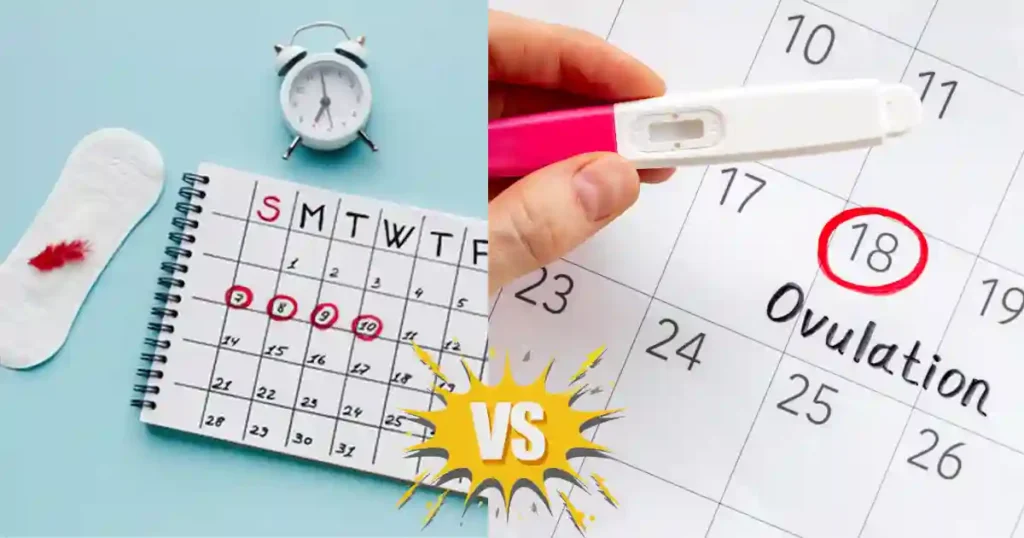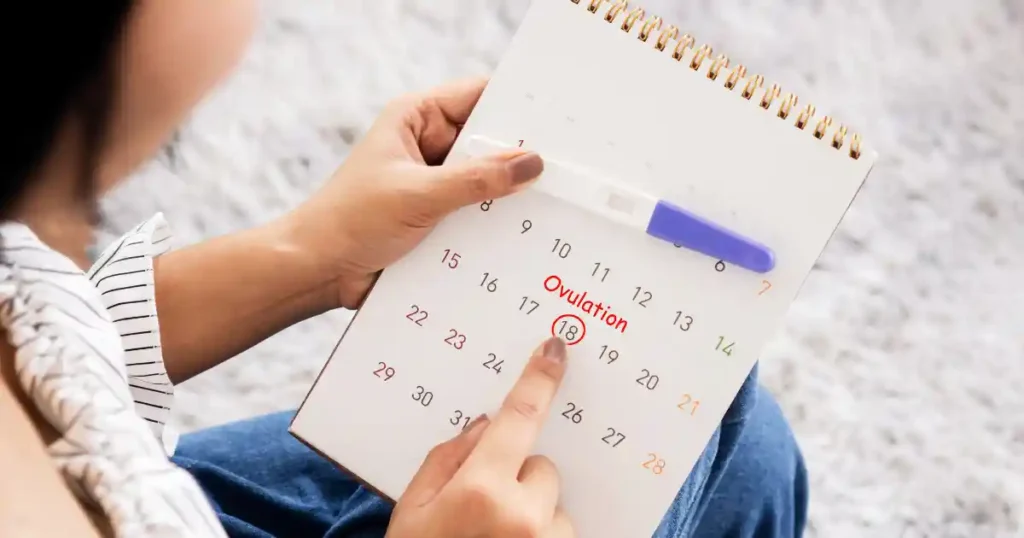

When my partner and I decided to start trying to conceive while living in Seattle, picking our first ovulation kit felt surprisingly overwhelming. The store shelves were packed with cheap paper strips, sleek digital gadgets, smartphone apps, and multi-hormone monitors. This guide helps beginners cut through the noise and focus on what actually matters: clear test results, plain instructions, enough test sticks in the box, and a tracking method you can stick with every single day.
What Is an Ovulation Kit?
Before comparing products, it helps to know how an ovulation predictor kit (OPK) works. Learning the basics will make picking your test much easier.
What an ovulation predictor kit does
An ovulation predictor kit, commonly called an OPK, is a simple at-home test. Most home kits detect luteinizing hormone (LH) in your urine.
Your body naturally produces a sudden rise in LH right before you release an egg. This rapid rise is called an LH surge. An OPK pinpoints this rise so you can identify your most fertile days.
What an OPK does not tell you
An OPK does not directly see an egg leaving your ovary. It only measures the hormone signal that triggers the process.
A positive test result does not guarantee that ovulation actually took place. It simply shows your body released the hormone surge. You should also never use an OPK as a form of natural birth control.
OPK vs pregnancy test
These two tools look almost identical, but they look for completely different hormones.
- OPK: Looks for luteinizing hormone (LH) to predict fertile days.
- Pregnancy test: Looks for human chorionic gonadotropin (hCG) to detect early pregnancy.
They answer two totally separate questions about your body.
What Makes the Best Ovulation Kit for Beginners?
The ideal beginner test should simplify your life, not leave you staring at vague lines on the bathroom counter.
Easy-to-read results
Look for test lines that are crisp and dark when positive. Digital systems use clear symbols like a smiley face. Choose kits with clear manuals and wide result windows.
Simple testing instructions
A high-quality test must clearly tell you when to test during your cycle. It should show how to catch urine, how long to dip the test, and how to read the result correctly.
Enough tests in the package
Ovulation does not always happen on the exact same cycle day each month. Small packs with only five sticks can run out right before your surge happens. Larger boxes give beginners plenty of room to learn their body patterns without running back to the store.
Reasonable cost per test
Calculate your value using this simple formula:
Cost per test = Kit price / Number of tests
A cheap box with very few sticks can end up costing you more money if you have to buy second or third packs in the same month.
Good instructions matter more than fancy packaging
Never judge an OPK by its shiny box art. Do not assume expensive digital screens mean higher biological accuracy. Focus on what hormone the kit measures and how easily you can read it.
Types of Ovulation Kits Beginners Can Choose From
Below is a clear comparison of the three main options available to help you pick the right fit.
| Type | How It Works | Ease of Use | Cost | Good For |
| LH strips | Detects urinary LH | Moderate | Lower | Budget beginners |
| Digital LH test | Detects LH and displays result | Easy | Higher | First-time users |
| Multi-hormone test | Tracks LH and E3G | Easy to moderate | Higher | Users wanting more data |
Traditional LH test strips
Pros
- Very low cost per strip.
- Includes many tests per box.
- Great for testing twice a day.
- Compact and easy to travel with.
Cons
- Requires visual line reading.
- Faint lines can cause confusion.
- Results take a few cycles to understand easily.
Digital ovulation tests
Pros
- Displays digital words or icons.
- Eliminates line interpretation.
- Very beginner friendly.
- Some show early fertility windows.
Cons
- Higher initial purchase price.
- Replacement test sticks cost more.
- Digital readers are not biologically more accurate than basic strips.
Multi-hormone fertility tests
Multi-hormone units test both LH and estrone-3-glucuronide (E3G). E3G is a byproduct of estrogen. Because estrogen rises several days before LH, these tests give you a wider fertile window.
However, more hormone data means managing extra rules, software setups, and higher recurring test costs.
Strip vs Digital Ovulation Kit for Beginners
This choice is often the biggest hurdle for first-time buyers. Here is how to decide between the two.
Choose LH strips if you want to save money
Paper LH strips are perfect for beginners who want plenty of testing sticks without spending much money. They work great if you do not mind comparing line darkness and plan to test multiple times a day over long cycles.
Choose digital if you want less guesswork
Digital monitors are great for beginners who hate guessing whether a test line is dark enough. They work best if you want a clear digital symbol and do not mind paying a higher cost per test.
Which is more accurate?
Digital displays are often easier to read, but that does not mean they are inherently more accurate at detecting hormones. Test quality varies across brands, so always follow product manual guidelines closely. The American Society for Reproductive Medicine (ASRM) notes that urinary LH testing helps detect the LH surge, but product accuracy and ease of use vary across manufacturers.
Best Ovulation Kit Features for First-Time Users
Rather than listing fancy features, let us look at what these settings actually do for you.
Clear positive-result indicator
On paper tests, a test line must be as dark as or darker than the control line to be positive. Digital kits use symbols like smileys or clear text words to confirm your result.
High and peak fertility readings
Advanced digital kits show both “high” and “peak” readings. High fertility means estrogen is rising, while peak fertility means your LH surge was detected. These signals show your best window for conception, but they are not an absolute guarantee of exact ovulation timing.
LH sensitivity
Sensitivity shows how much LH must be in urine to trigger a positive test. A lower number means the test is more sensitive. However, super-sensitive tests can give early false signals if your natural hormone levels run slightly high.
E3G detection
E3G tracks your estrogen levels. Adding E3G testing gives you an earlier heads-up before your LH surge arrives. Beginners can still succeed using basic LH tests alone.
App compatibility
Many kits link with mobile apps to store test photos, record cycle dates, and send testing alerts. Check that the app works for free without mandatory subscriptions, and review how your personal health data is protected.
How to Pick an Ovulation Kit Based on Your Needs
Your personal routine dictates which kit will work best for your everyday life.
Best for a tight budget
If you want to spend as little as possible, buy basic paper LH strips in bulk packs of 50 or 100. They give you a low cost per test without recurring fees.
Best for someone who hates reading lines
If faint lines stress you out, choose a digital LH reader. You get clear digital symbols on screen, saving you time and guesswork.
Best for irregular cycles
Irregular cycles require testing over more days each month. Buy large boxes of strips so you do not run out. Keep in mind that expensive digital readers cannot make irregular cycles regular.
Best for someone who wants more fertility data
If you want comprehensive health details, pick a multi-hormone monitor that tracks LH and E3G. These systems provide wider fertile windows and sync with tracking apps.
Best for someone completely new to fertility tracking
If you are brand new to tracking, pick a mid-sized starter kit with clear instructions and easy-to-read lines. Look for brands with helpful support hotlines in case you have questions.
Best Ovulation Kit for Beginners Comparison
Use this quick summary table to match your goals with the right ovulation test type.
| Beginner Type | Recommended Kit Type | Why | Watch Out For |
| Budget shopper | LH strips | Very low cost | Reading line shades |
| First-time tester | Digital LH | Simple result | Higher stick cost |
| Irregular cycles | Larger LH pack | Extra test sticks | Long testing runs |
| Data-focused user | LH + E3G | Extra hormone data | Price and setup |
| Unsure about testing | Digital | Guided steps | Following timing rules |
Don’t choose based on price alone
The cheapest box is not always the best value if the instructions are confusing or the pack runs out quickly. Conversely, high prices do not guarantee higher biological accuracy. Always balance cost per test with ease of use.
How to Use an Ovulation Kit for the First Time
Follow these practical steps when opening your test box for the very first time.
Step 1 — Know your cycle length
Day 1 of your cycle is the very first day of full menstrual bleeding. Count the total days from Day 1 until the start of your next period. Review your past few months to find your average cycle length.
Step 2 — Know when to start testing
Check your instruction sheet to find your recommended start day based on your cycle length. For a standard 28-day cycle, testing usually begins around Day 10 or 11. Starting early helps ensure you do not miss your LH surge.
Step 3 — Test at the recommended time
Always read your package insert for exact timing guidance. While pregnancy tests use morning urine, many OPKs recommend afternoon testing. The ASRM notes that urinary LH tests correlate well with blood LH levels, especially when using midday or evening urine samples.
Step 4 — Avoid overly diluted urine
Drinking huge amounts of water right before testing dilutes your urine sample. Diluted urine can make an LH surge look lighter than it really is. Try to limit fluid intake for two to four hours before dipping your test strip.
Step 5 — Record the result
Log your details every day to spot your patterns clearly:
- Calendar date and cycle day.
- Testing time of day.
- Test result (positive or negative).
- Cervical mucus texture.
Step 6 — Understand a positive result
A positive OPK means your body produced an LH surge. Ovulation usually occurs 24 to 36 hours after this signal. A positive result shows your peak fertile window, but it cannot confirm that an egg was successfully released.
Common Beginner Mistakes With Ovulation Kits
Avoid these frequent mistakes when starting your testing routine.
Starting too late
If you wait too long into your cycle to test, you might miss your LH surge completely. Calendar apps only estimate average dates, so begin testing a few days early to be safe.
Testing only once
LH surges can be short and sharp in some individuals. Testing only once a day might cause you to miss a brief peak. Testing twice daily as your expected fertile window approaches helps catch short surges.
Drinking a huge bottle of water before testing
Gulping down water before dipping a test dilutes the LH concentration in your urine. Maintain normal hydration levels so your test stick receives an accurate sample concentration.
Treating every faint line as positive
Unlike pregnancy tests where any faint line means positive, an OPK line must be as dark as or darker than the control line to indicate a true LH surge. Light test lines are normal throughout your cycle.
Assuming a positive test confirms ovulation
An LH surge is the signal to ovulate, not proof that the egg was successfully released. Stress, illness, or hormone imbalances can occasionally cause an LH surge without ovulation.
Testing without tracking the cycle
Using test sticks randomly without logging your cycle days wastes strips. Tracking your cycle dates alongside test results helps you predict when to test in future months.
How Accurate Are Ovulation Kits for Beginners?
Understanding the science behind ovulation kits prevents confusion and sets realistic expectations.
What an OPK actually measures
OPKs measure the presence of luteinizing hormone in urine samples. Advanced kits also measure estrogen levels via E3G. Measuring these hormones provides indirect evidence of approaching ovulation.
Why a positive test is not a guarantee
An LH surge can occur without an egg being released. The exact time between a surge and ovulation varies between individuals. Conditions like polycystic ovary syndrome (PCOS) can also distort hormone signals.
What FDA says about home ovulation tests
The U.S. Food and Drug Administration (FDA) confirms that home ovulation tests detect LH and E3G in urine. The FDA emphasizes that following manufacturer instructions carefully is essential for accurate results.
What “99% accurate” really means
Box labels claiming “99% accuracy” mean the test accurately detects LH in laboratory conditions. It does not mean a 99% chance of getting pregnant or that ovulation is 99% guaranteed. Always verify what the accuracy claim is actually measuring.
Ovulation Kit vs Ovulation Calculator for Beginners
Combining dynamic ovulation kits with cycle calculators gives you the clearest picture of your fertility window.
| Tool | Uses | Best Use | Main Limitation |
| Ovulation calculator | Cycle dates | Estimate fertile days | Calendar estimate |
| LH OPK | Urinary LH | Detect LH surge | Does not confirm ovulation |
| Cervical mucus tracking | Mucus changes | Observe fertility signs | Requires practice |
| BBT | Body temperature | See a pattern after ovulation | Retrospective |
| Ultrasound | Follicle development | Clinical monitoring | Requires healthcare setting |
Use a calculator before you start testing
Use a free online calculator to estimate your fertile window based on your period history. This initial calculation helps you decide which day of your cycle to start using your test sticks.
Use the OPK to refine the estimate
Your ovulation calculator provides an estimate, but your OPK delivers real-time hormone data. Use your test results to adjust your timing rather than relying strictly on average dates.
Combine OPK with cervical mucus
Observe your cervical mucus alongside testing. Clear, slippery mucus resembling egg whites indicates high fertility. Pairing physical body signs with OPK test lines builds strong confidence.
Best Ovulation Kit for Beginners With Irregular Periods
Irregular cycle lengths require a flexible approach to ovulation testing.
Why irregular periods make timing harder
When cycle length changes each month, ovulation happens earlier or later than expected. Calendar predictions become unreliable, requiring you to test over more days to catch your LH surge.
What to prioritize
- Choose larger test packs (50+ strips).
- Focus on low cost per test.
- Use flexible daily testing schedules.
- Keep simple tracking logs.
Buying pricey digital readers with limited sticks can get very expensive when managing long or unpredictable cycles.
When to talk with a healthcare professional
Schedule a visit with your doctor or gynecologist if your cycles are very irregular, if you never get positive OPKs over several months, or if your periods vanish for long stretches.
Best Ovulation Kit for Beginners With PCOS
Polycystic ovary syndrome (PCOS) can make home ovulation tests tricky to read.
Why OPKs can be confusing with PCOS
PCOS can cause baseline LH levels to remain elevated throughout your cycle. This elevation can produce false positives on standard OPKs even when ovulation does not occur. The ASRM notes that elevated baseline LH in PCOS can contribute to false-positive urinary LH results.
What beginners should do
Track your test strips over several weeks to spot your baseline line darkness. Combine testing with basal body temperature (BBT) tracking to verify ovulation, and consult your doctor if test results remain confusing.
U.S. Expert Advice for First-Time OPK Users
Expert medical guidance helps set realistic expectations for home fertility tools.
Dr. Erica Newlin, MD — Cleveland Clinic
Dr. Erica Newlin, an Ob/Gyn at Cleveland Clinic, explains that ovulation predictor kits help pinpoint your body’s most fertile window. Also, Dr. Newlin notes that LH levels rise 24 to 48 hours before ovulation, giving couples a clear signal on when to schedule intercourse. She emphasizes that while OPKs are helpful tools, they do not guarantee pregnancy.
ASRM expert perspective
The American Society for Reproductive Medicine highlights that urinary LH kits offer practical value for timing intercourse. However, performance varies among commercial options, and basic LH strips often perform just as well as expensive digital systems when used correctly.
Quote handling
According to Dr. Erica Newlin, MD, “Ovulation predictor kits may be particularly helpful if you don’t have regular cycles… They can help you determine the timing of ovulation”.
How Much Should a Beginner Spend on an Ovulation Kit?
Here is what you can expect to spend across different budget levels.
Budget option
Basic paper LH strips cost between $15 and $25 for a pack of 50 to 100 sticks. This keeps your cost per test around $0.20 to $0.50, making it ideal for frequent testing.
Mid-range option
Digital readers typically cost $30 to $50 for a starter kit with 10 to 20 test sticks. Ongoing replacement sticks average $1.50 to $2.50 each.
Premium option
Multi-hormone digital monitors cost between $80 and $200 for the reader setup. Special multi-hormone test sticks run $2.00 to $4.00 per test, along with potential app subscription fees.
Calculate the real cost
Use this formula to calculate your total investment over three months:
Total cost = Initial kit price + (Monthly replacement sticks x 3) + App fees
Ovulation Kit Buying Checklist for Beginners
Run through this checklist before making your final purchase.
Before buying, ask these questions
- Does the test measure basic LH?
- Does it track extra hormones like E3G?
- How many test sticks come in the box?
- What is the cost for replacement sticks?
- Are the test lines easy to read?
- Are the instructions simple and clear?
- Is an app required to view results?
- Are app features completely free?
- Is customer support easy to reach?
- What does the accuracy claim actually mean?
Green flags
- Simple, clear instruction manuals.
- Transparent test sensitivity levels.
- Long shelf life and expiration dates.
- Large box counts for regular testing.
- Responsive customer support options.
Red flags
- Guaranteed pregnancy claims.
- Promises of 100% exact ovulation timing.
- Confusing or missing testing instructions.
- Mandatory hidden app subscription costs.
When an Ovulation Kit Isn’t Enough
Home tests are fantastic tools, but they have natural scientific limits.
OPK detects a hormone surge, not egg release
An OPK tracks the hormonal green light for ovulation. It cannot confirm that the ovary actually released an egg.
Tests used to confirm ovulation
Medical professionals use specific clinical evaluations to confirm true ovulation:
- Serum progesterone test: A blood test taken during your luteal phase to confirm recent ovulation.
- Pelvic ultrasound: Visual imaging to monitor follicle development and egg release.
ASRM notes that appropriately timed serum progesterone provides objective evidence of recent ovulation, whereas urinary LH testing provides indirect evidence.
When to seek professional advice
Reach out to your doctor if you experience ongoing irregular cycles, see no positive test lines over several months, or have been trying to conceive for over a year (or six months if over age 35).
Frequently Asked Questions About Ovulation Kits for Beginners
What is the easiest ovulation kit for beginners?
The easiest kit features clear instructions, an easy-to-read display, and enough test sticks to cover your cycle without running out.
Should beginners use digital or strip ovulation tests?
Digital tests offer simpler displays, while paper strips offer lower costs for frequent testing.
Are cheap ovulation strips accurate?
Yes, basic LH strips detect LH surges accurately when used according to package instructions.
When should I start using an ovulation kit?
Start testing based on your average cycle length, typically three to five days before your expected midpoint.
What time of day should I take an ovulation test?
Follow your kit instructions carefully. Many LH tests perform best with afternoon or evening urine samples.
How many days should a beginner use an OPK?
Most beginners test for 5 to 10 consecutive days per cycle until catching their LH surge.
Can an ovulation kit tell me exactly when I will ovulate?
No, it detects the LH surge that usually occurs 24 to 48 hours before potential ovulation.
Can I use an ovulation kit if my periods are irregular?
Yes, but you will need larger test packs to cover a wider testing period.
Can PCOS cause a positive ovulation test when I am not ovulating?
Yes, elevated baseline LH levels from PCOS can trigger false positive results.
Can an ovulation kit confirm pregnancy?
No, ovulation kits detect LH, while pregnancy tests measure hCG.
Final Beginner Buying Guide
Keep your final decision simple and practical.
Pick LH strips if…
- You want to keep costs low.
- You need many test sticks per box.
- You feel comfortable reading test lines.
Choose digital if…
- You want quick digital results.
- You are brand new to fertility tracking.
- You prefer convenience over lowest cost.
Pick a multi-hormone system if…
- You want deeper hormone data.
- You want an earlier warning for your fertile window.
- You are comfortable with higher recurring costs.
The beginner rule
Pick the simplest kit you can use correctly and consistently every day. Consistency and correct timing beat expensive features every single time.
Final Recommendation
When choosing the best ovulation kit for beginners, my personal experience tracking cycles showed me that simplicity wins every time. I found that starting with basic LH test strips gives you the best balance of affordability, plenty of test sticks, and reliable hormone detection. If reading lines feels stressful, upgrading to a digital reader offers clear results without guessing. Stick to a simple tool you can use accurately and consistently.