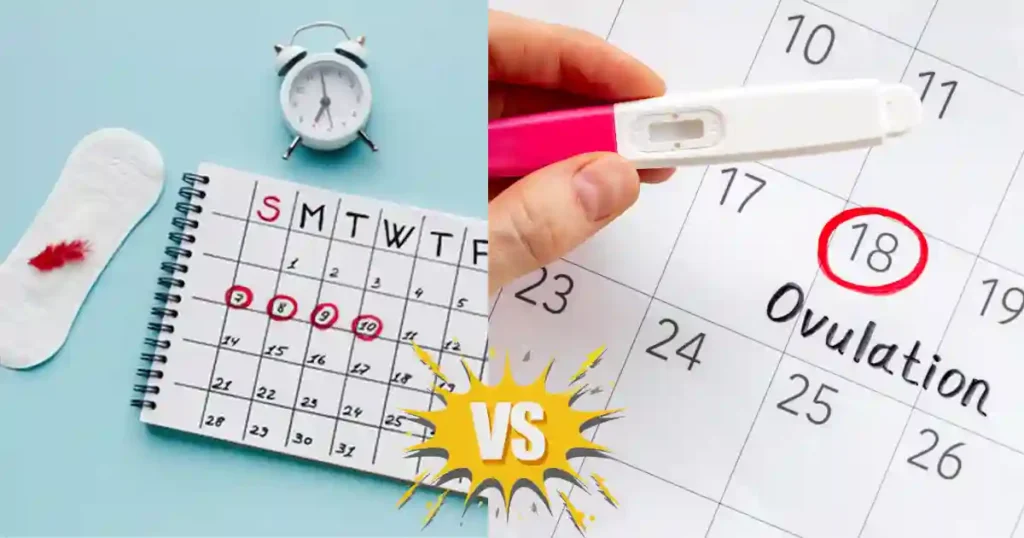

On a sunny Saturday morning in Savannah, Georgia, Rachel tossed her last birth control pill packet into the recycling bin. Excited about starting a family, she opened an ovulation calculator and immediately wondered, “Can it really predict my fertile window this soon?” If you’ve asked yourself the same thing, you’re in exactly the right place, because finding the best ovulation calculator after birth control starts with understanding what your body is actually doing during this transition. Menstrual cycles often need real time to regulate after stopping birth control, and every person’s timeline looks a little different.
It helps to know upfront that any calculator only estimates your fertile window based on the cycle information you enter. It can’t confirm when ovulation has actually returned. That’s why methods like cervical mucus tracking, basal body temperature, and ovulation predictor kits work so well alongside a calculator during this stage. In this guide, I’ll walk you through practical, honest guidance for choosing and using the right tool while your cycle finds its new normal.
What Is an Ovulation Calculator After Birth Control?
An ovulation calculator estimates your fertile days using menstrual cycle information after you stop contraception, helping you understand changing cycle patterns.
How ovulation calculators work
Most tools work the same way described in our ovulation calculator for beginners guide, using your period start date and cycle length to estimate ovulation timing.
Why post-birth-control cycles may differ
Your body needs time to clear hormones and re-establish its own rhythm, which is why early cycles often look nothing like your pre-birth-control pattern.
Estimated prediction versus confirmed ovulation
A calculator gives you an educated estimate, not proof. Reviewing our ovulation calculators can be wrong article helps set the right expectations early on.
Who benefits most
Several groups find extra value in a calculator built to handle this specific transition period.
Women trying to conceive
Anyone actively trying to conceive can pair predictions with our ovulation calculator for trying to conceive resource for added context.
Women after birth control pills
Pill users often see cycles return fairly quickly, though timing still varies from person to person.
Women after hormonal IUD removal
Hormonal IUD users typically see a fast return of natural cycles once the device is removed.
Women after contraceptive implants
Implant users generally experience a return to fertility within weeks, though individual results differ.
Women after injectable contraception
Injectable users often face a longer recovery window, so patience matters most here.
How Birth Control Can Affect Ovulation
Different contraceptive methods affect ovulation in different ways, so recovery time varies from person to person.
Birth control pills
Combination pills suppress ovulation directly, and most users see a return within a few weeks of stopping.
Hormonal IUDs
Hormonal IUDs work locally, so many people see a fast return to their natural cycle after removal.
Copper IUDs
Copper IUDs don’t affect ovulation at all, since they work through a non-hormonal mechanism.
Contraceptive implants
Implants release hormones steadily, and fertility often returns within a few weeks of removal.
Birth control injections
Injections like Depo-Provera can delay ovulation the longest of any common method.
Vaginal rings
Rings work similarly to combination pills, with ovulation typically resuming within a few weeks.
Contraceptive patches
Patches follow a similar hormonal pattern to pills and rings, with comparable recovery timelines.
Ovulation Return After Different Birth Control Methods
One question comes up again and again. When will I ovulate? The answer depends on the contraceptive method used and individual biology.
| Birth Control Method | Ovulation May Return | Notes |
|---|---|---|
| Combination pill | Often within weeks | Individual variation |
| Progestin-only pill | Often quickly | Varies |
| Hormonal IUD | Often soon after removal | Individual variation |
| Copper IUD | Usually unaffected | Fertility generally returns quickly after removal |
| Implant | Often within weeks | Varies |
| Depo-Provera injection | May take several months or longer | Recovery can be delayed |
For a deeper look at this exact transition, our full ovulation after birth control guide covers each method in more detail.
What Makes the Best Ovulation Calculator After Birth Control?
The best calculators adapt to changing cycle lengths and help you identify trends while your body readjusts.
Flexible cycle tracking
Choose a tool that accepts a wide range of cycle lengths instead of assuming instant regularity.
Multi-cycle analysis
Calculators that review several cycles at once, similar to our ovulation calculator for irregular periods approach, adjust more accurately as your pattern settles.
Irregular cycle support
Your first few cycles post-birth-control often qualify as irregular, so this feature matters early on.
Fertile window estimation
A realistic window, not a single guaranteed day, reflects what’s actually happening in your body during recovery.
Symptom tracking
Logging symptoms alongside dates gives the calculator more useful context over time.
Calendar visualization
A visual calendar makes spotting your emerging pattern far easier than raw numbers.
Mobile-friendly design
You’ll likely log data daily from your phone, so mobile usability matters.
Data privacy
Confirm your cycle data stays private, especially during a sensitive transition like this one.
Educational resources
Look for a tool paired with solid content, like our menstrual cycle overview, to help you understand what you’re seeing.
How to Improve Fertility Tracking After Birth Control
Using more than one fertility tracking method usually provides a clearer picture than relying on calendar predictions alone.
Track cervical mucus
Cervical mucus changes often appear before a calculator can confidently predict your fertile window.
Use ovulation predictor kits (OPKs)
OPKs detect the LH surge directly, adding real hormonal data to your calendar estimate.
Monitor basal body temperature (BBT)
A daily reading with this basal body temperature thermometer helps confirm ovulation once your temperature shift appears.
Record menstrual symptoms
Symptoms like those covered in our symptoms of ovulation guide add helpful real-world detail to your tracking.
Enter cycle data consistently
Consistent daily entries build a far more reliable pattern than sporadic logging.
Compare monthly trends
Look at how your cycles shift month to month rather than judging any single cycle in isolation.
Fertility Tracking Methods Compared
Each tracking method tells part of the story. Together, they can help you understand when ovulation is more likely to occur.
| Tracking Method | Strength | Limitation |
|---|---|---|
| Ovulation calculator | Easy planning | Estimates only |
| OPK | Detects LH surge | Doesn’t confirm egg release |
| Basal body temperature | Helps confirm ovulation afterward | Requires daily tracking |
| Cervical mucus | Identifies fertile window | Needs consistent observation |
| Fertility app | Long-term trends | Depends on accurate entries |
Many readers pair a calculator with this ovulation predictor kit for extra confidence during these first uncertain cycles.
How to Use an Ovulation Calculator After Stopping Birth Control
Patience and consistent tracking are often more valuable than expecting immediate, perfectly regular cycles.
Record your first natural period
Your first period after stopping birth control becomes the starting point for all future tracking.
Enter cycle lengths accurately
Precise dates matter more than ever while your calculator is still learning your new pattern.
Update the calculator monthly
Refresh your data every cycle so predictions improve as your body settles.
Track additional fertility signs
Layer in BBT and cervical mucus data for a fuller picture, especially in the first few months.
Review patterns over several cycles
Give yourself at least three cycles before expecting reliable predictions.
Share tracking information with your healthcare provider
Bring your records to appointments so your provider can spot patterns worth discussing.
Factors That Can Influence Ovulation Recovery
Several lifestyle and health factors may affect how quickly regular ovulation resumes after contraception.
Age
Ovulation recovery can take slightly longer as you get closer to your late thirties and beyond.
Previous menstrual cycle patterns
Cycles that were irregular before starting birth control often return to that same pattern afterward.
Stress
High stress levels can delay the return of regular ovulation.
Nutrition
Balanced nutrition supports the hormonal changes needed for cycles to normalize.
Sleep quality
Poor sleep can disrupt the hormonal signals that regulate ovulation.
Exercise habits
Both very low activity and extremely intense exercise can affect cycle recovery.
Underlying medical conditions
Conditions like PCOS, covered in our ovulation calculator for PCOS users guide, can complicate recovery timelines further.
Factors That May Affect Ovulation Recovery
Every recovery timeline is different. Looking at your overall health helps set realistic expectations.
| Factor | Possible Influence |
|---|---|
| Age | May affect fertility |
| Previous cycle regularity | Helps predict recovery patterns |
| Hormonal contraception type | Recovery varies |
| Lifestyle habits | Supports overall reproductive health |
| Stress | May influence cycle timing |
| Medical conditions | May require evaluation |
Common Mistakes After Stopping Birth Control
It’s easy to become discouraged during the first few months, but many early challenges come from unrealistic expectations.
Expecting immediate regular cycles
Give your body a few months before expecting textbook regularity.
Depending only on one calculator
Cross-check estimates against physical signs instead of trusting a single prediction blindly.
Ignoring fertility symptoms
Physical signs often reveal shifts a calendar tool simply can’t catch yet.
Comparing your timeline with others
Every recovery timeline looks different, so comparing your journey to a friend’s rarely helps.
Skipping cycle records
Gaps in your tracking weaken every future prediction the calculator makes.
Delaying medical advice when needed
Persistent irregularity deserves a conversation with a provider, not just more waiting.
When to Speak With a Healthcare Professional
While delayed cycle recovery can be normal for some people, persistent concerns deserve professional evaluation.
No menstrual period after stopping birth control
A period that doesn’t return within three months deserves a conversation with your provider.
Very irregular cycles
Ongoing unpredictability beyond the first few months is worth discussing.
Severe pelvic pain
Pain that disrupts daily activities should never be tracked around silently.
Heavy bleeding
Unusually heavy or prolonged bleeding warrants prompt medical attention.
Difficulty conceiving
After several months of trying without success, a fertility evaluation is a reasonable next step.
Suspected hormonal disorders
Symptoms suggesting a hormonal imbalance deserve testing rather than guesswork.
Expert Advice for Fertility Tracking After Birth Control
Experts recommend focusing on long-term cycle patterns instead of worrying about a single month’s prediction.
Give your body time to adjust
Most people need a few cycles before patterns stabilize, and that’s completely normal.
Track multiple fertility signs
Layering methods, similar to our ovulation calculator vs fertility monitor comparison, gives you a fuller picture than any single tool.
Keep realistic expectations
Treat early predictions as a starting point, not a guarantee.
Record information consistently
Daily logging, even when imperfect, beats occasional entries every time.
Review trends instead of individual dates
Look at the shape of your pattern across cycles rather than fixating on one date.
Seek personalized guidance when needed
A provider can interpret your specific history in ways a general tool can’t.
Women’s Reproductive Health Educator Insight
Reproductive health educators generally agree that fertility can return quickly after stopping many forms of birth control, though timing varies widely between individuals. Tracking menstrual cycles alongside other fertility signs, including tools like this fertility tracking kit, tends to provide a more complete picture than relying on calendar estimates alone.
Post-Birth-Control Fertility Tracking Checklist
The first few months after stopping contraception can feel uncertain. A simple routine helps you gather useful information without becoming overwhelmed.
| Habit | Why It Helps |
|---|---|
| Record menstrual periods | Builds cycle history |
| Use an ovulation calculator | Estimates fertile window |
| Monitor cervical mucus | Identifies fertile days |
| Track BBT | Helps confirm ovulation |
| Use OPKs when appropriate | Detects LH surge |
| Maintain healthy habits | Supports reproductive health |
| Schedule medical follow-up if needed | Addresses concerns early |
Frequently Asked Questions
What is the best ovulation calculator after birth control?
The best ovulation calculator after birth control accepts flexible cycle lengths, analyzes multiple cycles, and pairs predictions with realistic, honest expectations about your recovery timeline.
How soon can I ovulate after stopping birth control pills?
Many people ovulate within a few weeks of stopping the pill, though it can take longer depending on individual biology.
Can ovulation calculators predict fertility immediately after birth control?
Not accurately at first. Calculators need at least one or two natural cycles of data before predictions become reliable.
Do hormonal IUDs delay ovulation?
Generally no. Most people see a fairly quick return of ovulation after hormonal IUD removal.
How long does it take for cycles to become regular?
Most people see cycles regulate within three to six months, though this varies by method and individual health.
Should I combine OPKs with an ovulation calculator?
Yes. OPKs add direct hormonal confirmation that a calendar-based calculator alone can’t provide during this transition.
Can I get pregnant before my first natural period?
Yes. Ovulation can occur before your first visible period returns, which surprises many people trying to conceive.
Does Depo-Provera delay fertility?
Yes. Depo-Provera often causes a longer delay in ovulation return compared to other hormonal methods.
When should I see a fertility specialist?
See a specialist if your period hasn’t returned after three months, or if you haven’t conceived after a year of trying, sooner if you’re over 35.
Can an ovulation calculator confirm ovulation?
No. A calculator estimates likely timing, while BBT tracking or a doctor’s testing is needed to confirm ovulation has actually happened.
Final Recommendation
After walking through this transition with so many readers, my honest recommendation is to treat your first few cycles after birth control as a learning period, not a test you need to pass perfectly. The best ovulation calculator after birth control gives you a reasonable starting estimate, but it works best paired with BBT, cervical mucus, or OPK tracking while your body finds its new rhythm. I’ve seen people get discouraged chasing a perfect prediction in month one, when the real value shows up after three or four cycles of honest tracking. Stay consistent, watch your own patterns closely, and reach out to a healthcare provider if anything feels off. That patient, layered approach has served the people I’ve guided through this stage far better than any single app ever could on its own.