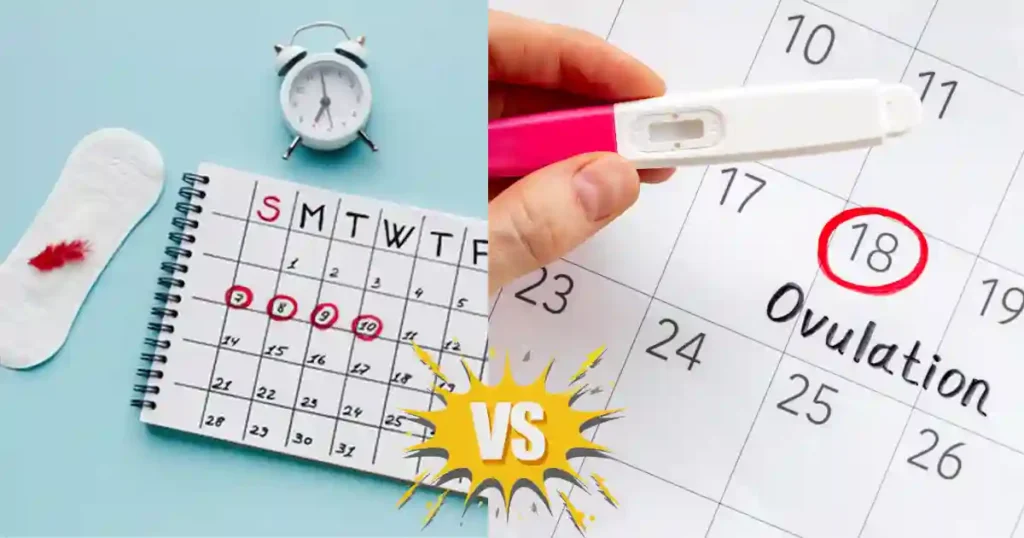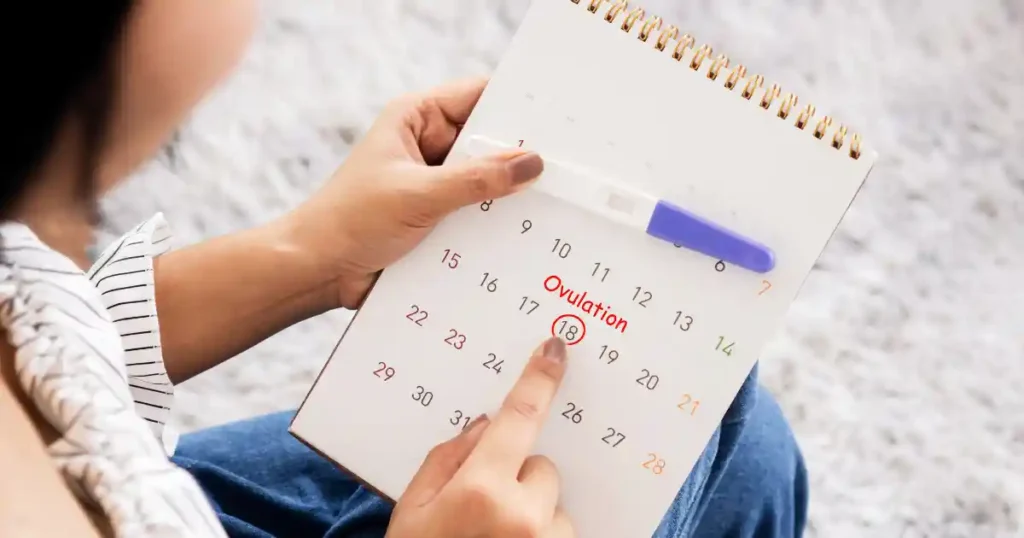

It was a quiet Tuesday afternoon when Sarah felt a familiar sharp ache on one side of her lower abdomen. Instead of worrying, she wondered if this meant she was ovulating, and whether it might raise her odds of getting pregnant that month. A friend of mine in Cleveland asked me the exact same question last year, and it turned into a longer talk about ovulation pain and pregnancy success than either of us expected. Many people notice this kind of ache around the middle of their cycle and treat it as a secret fertility signal.
The truth sits somewhere between hope and plain biology. Ovulation pain, often called mittelschmerz, can line up with ovulation, but it never guarantees pregnancy on its own. In this guide, I want to walk through what this ache actually means, how it relates to your fertile window, and where tools like an ovulation calculator and ovulation predictor kits fit into your fertility signs and pregnancy planning.
What Is Ovulation Pain?
Ovulation pain is a common sensation that some people notice around the middle of their menstrual cycle when an ovary releases an egg.
Definition of mittelschmerz
Mittelschmerz is a German word that simply means middle pain. Doctors use it to describe the ache some people feel around ovulation, a topic our ovulation calculator versus period tracker comparison also touches on.
Why ovulation pain happens
The exact cause is not fully settled, but many experts point to the follicle stretching the ovary wall just before it releases an egg, or mild irritation from fluid released at that moment. Some researchers also point to gentle muscle contractions in the fallopian tube around that same time, though this idea has less direct evidence behind it.
How common is it?
Roughly one in five people who ovulate notice this pain at least occasionally, though many never feel it at all, and that is perfectly normal too, as our ovulation calculators don’t always work the same way guide explains.
Where the pain is usually felt
The location can shift from month to month, depending on which ovary releases an egg that cycle.
Left side
Pain on the left side usually means the left ovary released an egg that month, based on typical alternating patterns.
Right side
Right-side pain follows the same idea, though some people notice one side more often than the other for several cycles in a row.
Lower abdomen
Most people describe a dull or sharp twinge low in the abdomen, roughly where the ovary sits, an area our precise ovulation calculator guide references when discussing timing.
Pelvic discomfort
Some notice a broader pelvic ache instead of one sharp point, which can still line up with ovulation timing. This wider ache tends to fade within a few hours for most people, without any treatment needed.
Does Ovulation Pain Mean You Are More Likely to Get Pregnant?
Feeling ovulation pain may help you recognize when ovulation is happening, but it is not a reliable indicator of pregnancy success on its own.
What research says
Studies on mittelschmerz are limited, but the general consensus among reproductive specialists is that the pain marks timing, not fertility strength or egg quality, a distinction our ovulation test kits versus apps comparison also touches on.
Ovulation versus fertilization
Ovulation is just the release of an egg. Fertilization needs healthy sperm to actually reach that egg within a short window, which pain alone cannot predict. These are two separate biological steps, and confusing them is one of the most common mix-ups people make while trying to conceive.
Timing matters more than pain
Tracking your fertile window through a full cycle picture tends to matter far more than whether or not you feel a twinge that month.
Why some people never feel ovulation pain
Pain sensitivity varies widely between people. A lack of pain does not mean weaker fertility or a missed ovulation event. Some people simply have a higher pain threshold, while others may have mild discomfort that goes unnoticed among other daily aches.
Can you conceive without ovulation pain?
Yes, absolutely. Many pregnancies happen in cycles where the person never noticed any pain at all. An ovulation calculator for beginners can help track timing without relying on physical symptoms, which takes the pressure off waiting for a specific twinge each month.
Common myths about ovulation pain
Online forums spread a lot of confident-sounding claims that do not hold up under closer review, which is exactly why a quick fact check helps, along with a look at common mistakes when tracking ovulation.
Ovulation Pain Myths vs Facts
Many fertility myths spread online. Understanding the evidence can help you make better decisions while trying to conceive.
| Myth | Fact |
|---|---|
| Ovulation pain guarantees pregnancy | No, it only may coincide with ovulation |
| Everyone feels ovulation pain | No, many people never notice it |
| Stronger pain means better fertility | No scientific evidence supports this |
| No pain means infertility | False |
| Pain always occurs on ovulation day | It can occur before, during, or shortly after ovulation |
When Does Ovulation Pain Usually Occur?
Ovulation pain usually appears around the middle of the menstrual cycle, although timing varies from person to person.
Typical cycle timing
For a fairly average cycle, this ache tends to show up somewhere near the midpoint, though your own menstrual cycle length shifts that exact day.
Before ovulation
Some people feel a mild twinge a day or two before the egg actually releases, as the follicle stretches, which lines up with what an ovulation apps and their real accuracy review found in user reports.
During egg release
Others feel the sharpest pain right at the moment of release, which some describe as a quick, sharp pinch, often near the day marked by a dpo calculator as day zero.
After ovulation
A duller ache can linger for a day afterward in some cycles, often fading on its own without treatment. If this lingering ache ever turns sharp or spikes suddenly, that shift is worth noting for your doctor.
Cycle length differences
Anyone with a shorter or longer cycle than average should expect this pain, if it happens at all, to shift earlier or later to match. Our guide comparing an ovulation calculator against a fertility monitor explains how timing shifts with cycle length, which helps explain why two friends with different cycle lengths might feel this pain on completely different calendar days.
Irregular cycles
People with irregular cycles may find the timing of this pain harder to predict month to month, which makes tracking other signs even more useful. In these cases, a calculator built specifically for irregular patterns tends to give a more realistic range than a simple average would.
Signs That Often Appear Alongside Ovulation Pain
Ovulation pain is only one possible fertility sign. Looking for several signs together provides a more complete picture.
Egg-white cervical mucus
Clear, stretchy mucus around ovulation is one of the more reliable signs your body gives during the fertile window, alongside data from a most fertile window calculator.
Positive ovulation predictor kit (OPK)
A positive OPK detects the hormone surge that triggers ovulation, usually a day or so before the egg releases. Many people keep a simple ovulation test kit on hand for exactly this reason, since it is easy to store and use at home each cycle.
Basal body temperature changes
A small rise in resting temperature after ovulation confirms, after the fact, that ovulation likely already happened. Some people pair this with a basal thermometer and ovulation kit combo for a fuller daily routine.
Increased libido
Some notice a natural rise in interest around ovulation, which lines up with hormone shifts happening at the same time as the surge tracked by a probable conception date calculator.
Light spotting
A small amount of spotting can appear around ovulation for some people, caused by the same hormone shift that triggers egg release, something worth logging next to your next period date calculator results.
Breast tenderness
Mild breast tenderness sometimes shows up around ovulation, driven by the same hormone changes as other signs on this list. It usually fades within a day or two and rarely needs any treatment beyond a bit of patience.
Changes in cervical position
The cervix often sits higher, softer, and more open around ovulation, though this sign takes practice to notice reliably, much like the learning curve described in our ovulation calculators and wearables guide.
Fertility Signs Compared
Using several fertility indicators together is generally more informative than relying on one symptom alone.
| Fertility Sign | Reliability | Best Use |
|---|---|---|
| Ovulation pain | Moderate | Supports timing awareness |
| Cervical mucus | High | Fertile window tracking |
| OPK | High | Detects LH surge |
| Basal body temperature | High | Confirms ovulation afterward |
| Fertility calculator | Moderate | Planning and education |
For anyone just starting out, a basic ovulation predictor kit paired with a calculator tends to give a clearer picture than any single sign alone.
How an Ovulation Calculator Can Help
An ovulation calculator helps estimate your fertile window based on cycle information. It works best alongside other fertility signs.
Estimating fertile days
The tool uses your cycle length and period start date to mark the days you are most likely fertile that month, similar to the approach used by an ovulation calculator for irregular periods.
Planning intercourse timing
Knowing your fertile window in advance helps you plan intercourse timing without guessing based on symptoms alone. Our conception calculator can help map out a fuller plan across the month, so you are not relying on a single ache to decide when timing matters most.
Tracking menstrual cycles
Logging your cycle over several months helps you and your calculator spot patterns you might otherwise miss. Our guide on how to track ovulation walks through the basics, and most people find the process becomes second nature after just two or three cycles of practice.
Identifying cycle patterns
Over time, a calculator can flag whether your cycles run short, long, or fairly steady, which shapes how you plan ahead.
Supporting fertility awareness
The more you understand your own numbers, the less confusing symptoms like ovulation pain become. Our symptoms of ovulation guide covers the fuller list of signs worth watching.
Understanding calculator limitations
A calculator works from averages. Life events like travel, illness, or stress can shift your real ovulation day away from the prediction. Our piece on why ovulation calculators can be wrong explains this in more depth.
Factors That Influence Pregnancy Success
Pregnancy depends on many biological factors, not just the presence or absence of ovulation pain.
Age
Egg count and quality naturally decline with age, which shifts the odds of conception in any given cycle, a factor worth reviewing alongside a baby due date calculator once pregnancy happens.
Egg quality
Even with regular ovulation, egg quality plays a large role in whether fertilization and a healthy pregnancy actually happen.
Sperm health
Healthy sperm count, movement, and shape matter just as much as egg quality. Our page on male fertility covers this side of the picture in full, alongside our notes on sperm lifecycle and longevity.
Timing intercourse
Timing intercourse around the fertile window, rather than around pain alone, gives the best realistic odds each month. Our days until next period calculator helps map the full cycle around that window.
Overall reproductive health
Conditions affecting the uterus, tubes, or hormones can all shift the odds, separate from ovulation timing itself.
Lifestyle habits
Sleep, diet, and stress levels all play a supporting role, even though none of them replace proper cycle tracking.
Underlying medical conditions
Conditions such as PCOS or thyroid issues can affect ovulation regularity. Our ovulation calculator for PCOS page covers this specific situation closely, and our ovulation calculator for PCOS users guide adds practical tracking tips.
Factors That Affect Fertility
Successful conception is influenced by several interacting factors. Ovulation timing is only one piece of the puzzle.
| Factor | Impact on Pregnancy |
|---|---|
| Ovulation timing | High |
| Healthy sperm | High |
| Egg quality | High |
| Regular menstrual cycles | Moderate to High |
| Lifestyle habits | Moderate |
| Medical conditions | Varies |
| Stress | May indirectly affect fertility |
When Ovulation Pain May Need Medical Attention
Most ovulation pain is mild and temporary, but severe or persistent pain deserves medical evaluation.
Severe abdominal pain
Pain sharp enough to disrupt daily activities is worth a call to your doctor, rather than waiting it out at home.
Fever
A fever alongside pelvic pain is never a normal ovulation symptom and needs prompt medical attention.
Heavy bleeding
Heavy bleeding paired with pain goes beyond typical light spotting and should be checked by a professional.
Persistent pain
Pain that lasts well beyond a day or two, instead of fading, is worth mentioning at your next visit, especially if it does not match the timing shown by an anovulatory cycle risk calculator.
Possible endometriosis
Endometriosis can cause pain that mimics or worsens typical ovulation discomfort, and it deserves proper diagnosis.
Pain outside the expected fertile window
Pain that shows up far from your predicted ovulation day may point to something unrelated to ovulation entirely.
Ovarian cysts
Some cysts cause pain that feels similar to ovulation pain but lasts longer or feels sharper. Our page on ovarian cyst symptoms explains the difference in more detail.
Pelvic inflammatory disease (PID)
PID causes pelvic pain along with other symptoms like unusual discharge or fever, and it needs prompt treatment.
Tips for Maximizing Your Chances of Pregnancy
Small, consistent habits often make a bigger difference than chasing every fertility trend you see online.
Track multiple fertility signs
Combining cervical mucus, OPK results, and a calculator gives a fuller picture than any single sign alone. A basic ovulation test kit makes the OPK part of this routine simple to keep up with each month.
Use an ovulation calculator consistently
Logging your cycle every month, not just once, sharpens the accuracy of every future prediction. Our accurate ovulation calculator guide walks through getting the most out of consistent tracking.
Maintain a healthy lifestyle
Regular movement and a stable routine support hormone balance, which in turn supports steady ovulation. Some people also like tracking cycles with an ovulation predictor kit as part of that same routine.
Prioritize sleep
Poor sleep can disrupt the hormones that regulate your cycle, so a steady sleep schedule genuinely helps.
Eat a balanced diet
Steady nutrition supports the hormone production your body needs for regular, predictable cycles.
Avoid smoking and excessive alcohol
Both can affect egg quality and hormone balance over time, lowering your odds each cycle.
Know when to seek fertility evaluation
If pregnancy has not happened after a year of trying, or six months for those over 35, a fertility evaluation is a reasonable next step. Our not ovulating guide covers signs worth raising with a doctor sooner.
Expert Advice on Ovulation Pain and Fertility
Experts encourage looking at the whole fertility picture rather than focusing on a single symptom.
Understand your cycle
Learning your own average cycle length and pattern gives every other sign, including pain, more context. Our about page describes how we research and build this kind of content.
Don’t rely on pain alone
Pain is a helpful clue, never a stand-alone answer about fertility or pregnancy odds.
Combine tracking methods
Pairing a calculator with an ovulation test kit and cervical mucus checks gives a far more complete view than any single method, and most people find this combination realistic to keep up for several months in a row.
Discuss concerns with a healthcare professional
A doctor can rule out conditions like cysts or endometriosis if pain feels unusual or severe.
Keep realistic expectations
Even with perfect timing, pregnancy does not happen every single cycle, and that is a normal part of trying to conceive.
Stay patient and consistent
Fertility tracking rewards consistency over months, not a single perfect cycle.
USA Expert Insight
“Ovulation pain can be a useful clue that ovulation is occurring, but it should not be used as the sole indicator of fertility or pregnancy potential. Combining multiple fertility signs provides a more reliable picture.”
— Dr. Lucky Sekhon, MD, Reproductive Endocrinologist and Infertility Specialist, RMA of New York
Healthy Fertility Tracking Checklist
Trying to conceive can sometimes feel overwhelming. A simple routine often makes tracking easier and less stressful.
| Habit | Why It Helps |
|---|---|
| Track menstrual cycles | Identifies patterns |
| Observe cervical mucus | Estimates fertile days |
| Use OPKs | Detects LH surge |
| Record ovulation pain | Adds useful context |
| Sleep well | Supports overall health |
| Stay active | Promotes wellness |
| Schedule medical advice when needed | Addresses concerns early |
I personally recommend pairing a simple ovulation predictor kit with your tracking routine, since a physical test adds real confidence to what the calendar alone suggests. Many people find a basic ovulation test kit easy to fit into a normal morning routine within just a few days of practice.
Frequently Asked Questions
Does ovulation pain mean I am fertile?
It suggests ovulation may be happening, but fertility also depends on egg quality, sperm health, and timing.
Can ovulation pain increase pregnancy chances?
No. The pain itself does not raise your odds. Timing intercourse around your actual fertile window is what matters most, which our fertile window ovulation calculator can help you plan around.
Can I get pregnant if I never feel ovulation pain?
Yes. Many people conceive without ever noticing this symptom, since pain sensitivity varies widely between individuals.
How long does ovulation pain usually last?
It typically lasts anywhere from a few minutes to a couple of days, depending on the person and cycle.
Is ovulation pain a sign of successful ovulation?
It can be a helpful clue, though basal body temperature tracking gives a more definite confirmation after the fact.
Should I use an ovulation calculator if I feel ovulation pain?
Yes, pairing both gives a fuller, more reliable picture than either one alone. Our implantation calculator can help once you move past the ovulation stage.
Can ovulation pain happen after ovulation?
Yes, a duller ache can sometimes linger for a day or so after the egg actually releases.
When should I see a doctor about ovulation pain?
See a doctor if pain is severe, lasts several days, or comes with fever or heavy bleeding, since these point beyond typical mittelschmerz.
Can ovulation pain occur every month?
Some people feel it consistently every cycle, while others notice it only occasionally or not at all, and both patterns are normal.
Does severe ovulation pain affect fertility?
Severe pain itself does not necessarily lower fertility, but it can point to an underlying condition worth checking, best confirmed by a doctor rather than guesswork. Our editorial policy explains how we vet health claims like this one across the site.
Final Recommendation
After years of helping people make sense of their own cycles, my honest advice on ovulation pain and pregnancy success stays simple. Treat this ache as one small clue, never the whole answer. Pair it with a reliable ovulation calculator, a look at cervical mucus, and an ovulation test kit if you want extra confirmation on timing.
Give your body grace, since fertility rarely follows a perfectly predictable script, even with great tracking habits. If pain feels severe, lasts too long, or comes with other worrying symptoms, please talk to a doctor rather than waiting it out. Stay consistent, track more than one sign, and trust the fuller picture over any single symptom.