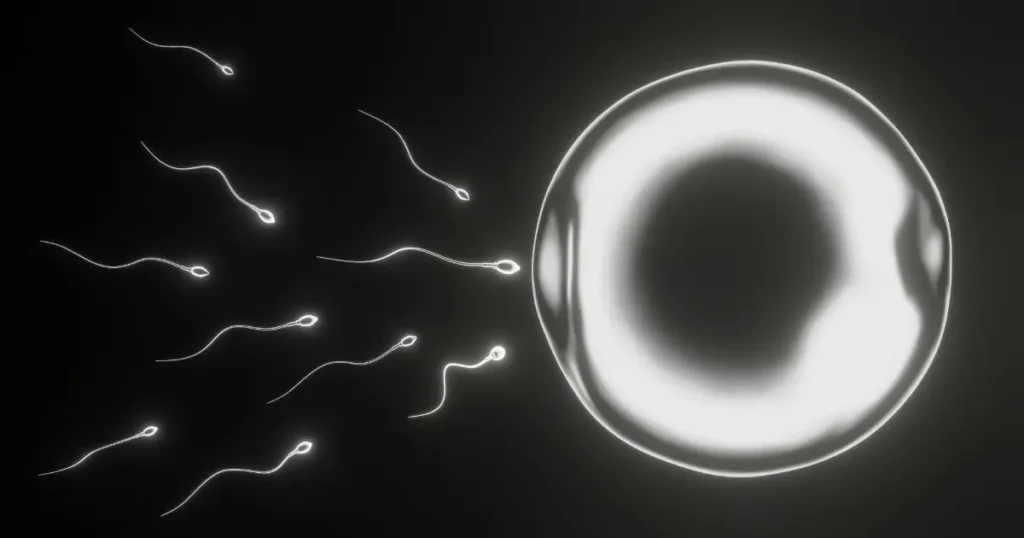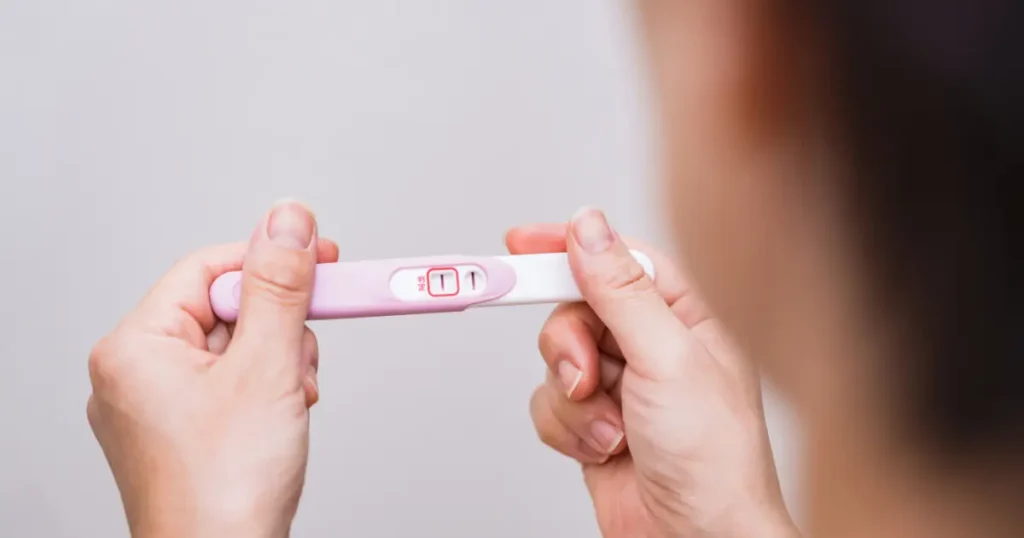

Finding clear fertility answers shouldn’t feel like solving a complex puzzle every morning. When I first started testing while living in Minneapolis, I quickly learned that buying the best ovulation test strips comes down to choosing products with clear instructions, proper sensitivity, easy-to-read lines, consistent batch quality, and a fair cost per test. These simple urine tests detect luteinizing hormone (LH), not actual egg release itself. A rise in LH triggers your ovary to release an egg within 24 to 36 hours, marking your peak fertile days.
However, shopping for tests requires looking at key buying factors like sensitivity, accuracy, line clarity, total box count, and step-by-step guidance. Buying a massive box is not automatically better if the strips sit unused past their expiration date. The FDA classifies home ovulation strips as qualitative tests designed specifically to help identify an LH surge and optimal fertile timing.
What Are Ovulation Test Strips?
Ovulation strips are simple urine tests that look for a rise in luteinizing hormone. They are small, inexpensive, and not nearly as mysterious as that faint second line can make them feel.
What Ovulation Strips Detect
- Luteinizing hormone
- Urinary LH
- LH surge
- Hormonal changes before ovulation
- Fertile-period prediction
How an LH Surge Relates to Ovulation
Your body maintains a low baseline level of luteinizing hormone throughout your menstrual cycle. A rapid rise in LH signals your ovaries to release a mature egg. The FDA states that the LH surge generally occurs about 1 to 1.5 days before ovulation, although individual timing can vary. Because hormone timing differs between people, tracking your surge helps you time intercourse more effectively.
What Ovulation Strips Do Not Tell You
- They do not confirm pregnancy.
- They do not guarantee ovulation occurred.
- They do not measure egg quality.
- They do not diagnose infertility.
- They do not guarantee conception.
How Ovulation Test Strips Work
The science is fairly simple: the strip uses antibodies to detect LH in urine. The tricky part is using the strip at the right time and reading the result correctly.
The Basic Testing Process
Gather a clean urine sample following your product directions. Dip the absorbent tip into the liquid for the exact number of seconds requested. Place the strip flat on a clean surface and set a timer. Once the waiting period ends, compare the test line to the control line and record your reading.
What the Control Line Means
The control line proves that the liquid traveled up the strip correctly and that the test chemistry is active. It should always appear within the time window stated in your instructions. A missing control line means the strip is invalid, so you must retest with a new strip.
What the Test Line Means
The test line reacts to the presence of luteinizing hormone in your sample. The line grows darker as hormone levels rise in your body. However, seeing a faint test line is completely normal and is not automatically a positive result.
Why Different Strips Can Behave Differently
- Variations in antibody formulation
- Different hormone detection thresholds
- Specific manufacturer designs
- Physical strip widths and dye types
- Manufacturing lot variations
A comparative study of urinary LH kits found that their positive detection thresholds varied substantially, reinforcing why sensitivity should be treated as a product-specific characteristic.
What Makes the Best Ovulation Test Strips?
Evaluating fertility tools requires establishing a clear framework before choosing a product. Look for tests that offer reliable manufacturing and straightforward interpretation.
Clear LH Detection
- Prominent, high-contrast control line
- Easy-to-read test line
- Consistent line development across batches
- Simple, direct instruction sheets
Appropriate Sensitivity
Sensitivity describes the lowest hormone concentration a test strip can detect in urine. Manufacturers measure this detection threshold in milli-international units per milliliter. Lower numerical thresholds are not automatically better for every person. Strips that are too sensitive may pick up minor baseline fluctuations, creating confusing results for users with naturally high hormone levels.
Consistent Manufacturing
- Consistent batch performance
- Protective packaging
- Long, clearly printed expiration dates
- Stable storage requirements
- Individually sealed foil packaging
Easy-to-Follow Instructions
- Step-by-step testing procedures
- Clear dip time and reading window rules
- Urine sample collection guidelines
- Result interpretation diagrams
- Proper storage environment details
Reasonable Cost Per Test
- Fair price per individual strip
- Adequate strip count for full cycles
- Budget support for testing multiple days per month
- Value options for extended tracking
- Balance between overall cost and user convenience
Best Ovulation Test Strips Compared
Comparing test features helps you select the right strip for your personal routine. Based on my hands-on experience evaluating health products, focusing on manufacturing quality and clear instructions prevents daily frustration.
| Feature | What to Look For | Why It Matters |
| LH sensitivity | Clearly stated threshold | Helps evaluate detection performance |
| Result clarity | Strong control/test contrast | Easier interpretation |
| Instructions | Detailed and simple | Reduces user error |
| Quantity | Multiple strips | Useful for repeated testing |
| Packaging | Individually sealed | Helps protect test quality |
| Cost per test | Reasonable unit price | Important for repeated use |
| Expiration | Clear date | Test performance matters |
| App compatibility | Optional | Useful for logging results |
Which Feature Should Matter Most?
- Validated test performance
- Clear, readable instructions
- Appropriate hormone sensitivity
- Easy result interpretation
- Affordable cost per test
Why More Strips Are Not Always Better
Buying massive bulk packs can reduce your cost per strip. However, unused strips can expire before you need them, leading to wasted money. Most people with regular cycles only need 10 to 15 strips per month. Match your purchase count to your actual cycle needs rather than grabbing the largest box on the shelf.
Are Ovulation Test Strips Accurate?
Understanding accuracy claims helps you set realistic expectations when tracking your fertile window.
What Accuracy Means for an Ovulation Strip
Accuracy in a home strip means detecting elevated urinary LH during your surge. It means identifying your likely fertile window prior to egg release. However, detecting an LH surge is not the same as confirming that an egg actually left the ovary.
Evidence on Urinary LH Testing
A clinical guidance document from the AACC Academy describes urine LH tests as accurate and reliable predictors of ovulation. When used according to package directions, high-quality test strips effectively signal the hormonal shifts that precede egg release.
Accuracy Can Differ Between Products
A recent small study comparing five one-step OPKs found similar overall surge-detection accuracy among the tested products, while sensitivity varied between them. Because the study was small, its results should not be generalized to every brand currently sold.
Why Manufacturer Accuracy Claims Need Context
- Check what exact benchmark the study measured.
- Look at the size of the test group.
- Verify if the comparison used blood tests or ultrasound scans.
- Check if independent researchers conducted the evaluation.
- Ensure claims apply directly to the strip model you plan to buy.
Ovulation Strip Sensitivity Explained
Sensitivity is one of the most useful technical concepts to understand when shopping for home tests.
What Is LH Detection Sensitivity?
Sensitivity measures the minimal concentration of LH required to produce a positive result. Tests state this threshold in milli-international units per milliliter. A strip rated at 25 mIU/mL detects lower hormone levels than a strip rated at 40 mIU/mL. However, lower numbers do not guarantee better overall performance for every body type.
Why Detection Thresholds Differ
- Unique test chemistry formulations
- Variations in antibody binding styles
- Diverse manufacturer design goals
- Target audience differences
Why Very Sensitive Is Not Always Better
Baseline LH levels vary naturally from person to person. If you use a highly sensitive test, your baseline hormone levels might trigger light or dark lines throughout your entire cycle. This makes identifying your true surge much harder than using a test with a moderate threshold.
What Research Shows
One comparative study found positive detection thresholds ranging from 25.5 to 48.7 mIU/mL among several LH kits tested. This research highlights why users should view sensitivity as a specific design feature rather than a universal score of test quality.
How to Read Ovulation Test Strip Results
Reading line-based tests is simple once you know what visual signals to look for.
Negative Ovulation Test
A negative result shows a clear control line, but the test line remains noticeably lighter than the control line or fails to appear entirely. This indicates that your urinary LH level is below the test’s detection threshold.
Positive Ovulation Test
A positive test occurs when the test line appears as dark as or darker than the control line. This strong line signals that an LH surge is happening, meaning ovulation will likely take place within the next 24 to 36 hours. Always follow your specific brand guidelines.
What Does a Faint Line Mean?
A faint test line simply shows that baseline LH is present in your body. Unlike pregnancy tests, where any faint second line indicates a positive result, a faint line on an ovulation strip is considered a negative result.
What Does a Dark Line Mean?
A line that grows darker over consecutive days shows rising LH levels. However, the test is only positive when the test line matches or exceeds the darkness of the control line.
Invalid Result
An invalid result occurs when no control line appears after the full waiting period. Damaged strips, improper dipping depth, or reading the test long after the time window passed can cause invalid readings. Throw the strip away and retest.
Best Ovulation Test Strips for Different Needs
Choosing the right test depends on your cycle patterns, budget, and personal tracking preferences.
Best for Beginners
- Detailed instruction cards with visual examples
- Strong visual contrast between lines
- Simple dip-and-wait testing process
- Direct positive and negative examples
What Best for Frequent Testing
- Low unit cost per individual strip
- Large box counts for multiple daily tests
- Individually wrapped foil packages
- Compact storage boxes
Best for Budget-Conscious Users
Calculate the price per test by dividing the package price by the total strip count. Avoid overpaying for fancy plastic housings when simple dip strips deliver the exact same antibody technology at a fraction of the cost.
Best for Cycle Tracking
- Crisp line development for easy photo logging
- Strips designed for paper tracking sheets
- Easy alignment for side-by-side comparison
- Compatibility with mobile tracking apps
Best for People Who Find Line Reading Confusing
If interpreting line darkness causes unnecessary stress, consider digital readers. Digital devices read the test strip internally and display clear words or symbols like “Yes” or a smiley face. While digital tests cost more, they eliminate visual guesswork.
Ovulation Test Strips vs Digital Ovulation Tests
Both options measure urinary hormones, but they present your results differently.
Strip Tests
Standard strips offer an affordable, low-waste solution for daily testing. They store easily in bathroom drawers and work wonderfully for people who test multiple times per day. However, users must visually compare line darkness, which can sometimes lead to confusion.
Digital Tests
Digital monitors eliminate visual interpretation by reading the test line electronically. They display clear words or symbols on a digital screen. The primary trade-offs are higher unit costs and the need for a battery-powered reading device.
Which Format Is Better?
Choose standard paper strips if you want maximum value and plan to test frequently. Choose digital readers if you prefer immediate, unambiguous readings and don’t mind spending more per test. Neither format is inherently more accurate, as both rely on antibody chemistry.
Ovulation Test Strips vs Ovulation Calculators
Combining calendar predictions with hormone testing provides a complete tracking strategy.
Calculator
Calculators estimate fertile windows using past period dates and average cycle lengths. They offer a helpful baseline prediction but cannot detect real-time hormonal shifts or unexpected cycle delays.
LH Strip
Test strips measure actual luteinizing hormone levels in your urine. They provide real-time biological data for your current cycle, working independently of past calendar averages.
Using Both
Use a calendar calculator to estimate when your fertile window should begin. Once that date approaches, start using LH strips daily to catch your actual surge. Logging both data points gives you confidence in your timing.
Why The Difference Matters
Calendar math guesses when ovulation might happen based on averages. Test strips reveal when your body is actively preparing to release an egg. Relying on both tools prevents you from missing your window if your cycle shifts.
How to Choose the Best Ovulation Test Strips
Follow this straightforward process to pick the best strips for your unique fertility journey.
Step 1 — Check the Detection Threshold
Look at package details for stated sensitivity numbers. Standard tests detect LH at 25 mIU/mL, which works well for most people. If you have light lines consistently, consider a lower threshold. If your tests stay dark constantly, look for a higher threshold.
Step 2 — Read the Instructions Before Buying
- Verify sample dipping requirements.
- Check required reading wait times.
- Review recommended testing times of day.
- Confirm result interpretation rules.
Step 3 — Calculate Cost Per Test
Divide the total box price by the number of included strips. Simple mathematical comparison ensures you get genuine value rather than paying extra for fancy marketing graphics.
Step 4 — Check Packaging
Ensure each strip comes sealed in its own airtight foil pouch containing a desiccant packet. Individual wrapping protects sensitive antibodies from moisture, heat, and ambient bathroom humidity.
Step 5 — Consider How You Will Record Results
Decide how you will log your tests before buying. You can tape strips to a paper notebook, snap photos with a smartphone app, or write readings in a simple fertility journal.
Ovulation Test Strip Buying Checklist
Use this quick checklist to review products before making a purchase.
Before Buying
- LH test purpose clearly stated
- Detection threshold listed on box or manual
- Complete instruction manual included
- Visible expiration date on package
- Individually wrapped foil strips
- Reasonable cost per test
- Clear visual guide for positive results
Avoid Products With
- Claims of 100% guaranteed conception
- Missing or poorly translated instructions
- No printed expiration date
- Vague or confusing hormone claims
- Unclear line interpretation guides
How to Use Ovulation Test Strips Correctly
Following exact package procedures ensures your home test results remain reliable and easy to read.
Start Testing at the Right Time
Use your average cycle length to determine your start day. Subtract 17 days from your total cycle length and begin testing on that cycle day. For a 28-day cycle, start testing on Day 11.
Follow the Urine Instructions
Collect urine in a clean, dry container. Many manufacturers recommend testing between 10:00 AM and 8:00 PM, as LH synthesizes early in the morning and appears in urine later in the day. Limit liquid intake for two hours before testing to avoid diluting your sample.
Read the Strip at the Correct Time
Set a timer for the exact window specified in your manual, usually three to five minutes. Never read a test strip after ten minutes have passed, as drying evaporation lines can create false positive appearances.
Test Consistently
Test at roughly the same time every day during your fertile window. If you notice your test line growing darker, test twice daily—once in the late morning and once in the early evening—to catch short hormone surges.
Record Results
- Log the date and time of test.
- Record the current cycle day.
- Note line darkness or take a photo.
- Record any physical fertility signs.
Common Problems With Ovulation Test Strips
Troubleshooting test issues helps you overcome confusing results quickly.
Test Is Always Negative
If your test line remains light all month, you may have started testing too late and missed a short surge. Diluted urine from drinking excessive water can also hide LH. Try limiting fluids before testing or switch to a slightly more sensitive strip.
Test Is Always Positive
Seeing dark test lines throughout your entire cycle can indicate elevated baseline LH levels. This pattern is common in individuals with polycystic ovary syndrome (PCOS) or perimenopause. Switching to a less sensitive test strip can help reduce background baseline lines.
Lines Are Getting Darker Then Lighter
A test line that darkens over two days and then fades indicates that your surge occurred. Your peak fertility window happens right around the darkest line. Continue logging your data to track cycle patterns over time.
No Positive Result This Cycle
Missing a positive result for one month is not an immediate cause for concern. An unusually short LH surge, minor stress, or travel can throw off your timing. Review your testing schedule and try again next cycle.
Ovulation Test Strips for Irregular Cycles
Testing with irregular cycles requires a flexible strategy and a bit more patience.
Why Timing Is Harder
When your cycle length changes month to month, guessing your ovulation day with calendar math becomes unreliable. Ovulation can happen much earlier or later than expected, making fixed testing schedules frustrating.
Helpful Features
- Extra-large strip packs (40 to 100 count)
- Easy visual logging sheets
- Flexible, extended testing protocols
- Low cost per individual test strip
- Simple, clear result guides
When Extra Medical Guidance May Help
If your cycles vary by more than a week regularly or you fail to detect an LH surge over several months, consult a healthcare provider. A medical evaluation can check your hormone levels and evaluate overall ovulatory health.
Ovulation Test Strips and PCOS
Polycystic ovary syndrome affects hormone balance, which changes how test strips work.
Why LH Patterns Can Be Different
Individuals with PCOS often experience persistently elevated baseline LH levels or multiple hormone spikes throughout a single cycle. This baseline elevation can cause test strips to look positive or near-positive for days at a time.
Why a Positive Strip Does Not Diagnose Ovulation
An LH surge signals that your body is trying to release an egg, but it does not guarantee that the egg successfully ruptures from the follicle. Home test strips measure hormone presence, not structural egg release.
What to Do With Repeated Confusing Results
Keep logging your results alongside other fertility signals like basal body temperature charts. If line darkness remains constantly high or confusing, share your logs with an endocrinologist or OB-GYN for specialized support.
Cost Comparison of Ovulation Test Strips
Understanding overall value keeps your fertility tracking affordable over time.
Price Per Strip
Calculate your true cost using simple arithmetic: divide total package cost by the number of tests. A $20 box containing 50 strips costs $0.40 per test, offering far better value than a $15 box containing only 10 tests.
Bulk Packs
Bulk packages containing 40 to 100 strips offer the lowest unit price. They work best for people with irregular cycles or those who prefer testing twice daily. Just be sure to check the expiration date so strips remain active.
Small Packs
Small boxes containing 10 to 20 tests work well for individuals with highly predictable cycles who only need to test for a few days each month. They also suit first-time users who want to sample a brand before committing to bulk purchases.
Ovulation Test Strip Comparison Table
Use this editorial scorecard framework to evaluate test strip quality when shopping.
| Buying Factor | Excellent | Acceptable | Red Flag |
| Instructions | Clear and detailed | Basic | Missing/confusing |
| Sensitivity data | Clearly stated | Some information | No useful information |
| Result reading | Simple | Moderate | Very unclear |
| Packaging | Sealed and labeled | Adequate | Damaged/unclear |
| Expiration | Clearly shown | Present | Missing |
| Cost per test | Reasonable | Average | Excessive |
| Claims | Evidence-based | Limited | Guaranteed results |
How to Use This Scorecard
Focus primarily on instruction clarity, line contrast, and sensitivity disclosures when evaluating strips. Treat overall price as a secondary factor. Never choose a product simply because it is cheap if the instructions are confusing or the packaging arrives unsealed.
USA Expert Advice on Ovulation Test Strips
Relying on established laboratory and medical authorities helps clarify how home urine tests function.
FDA Guidance
The FDA explicitly regulates home ovulation tests as qualitative devices designed to detect urinary LH surges. Official FDA guidance emphasizes that proper testing technique is essential for accurate results. Furthermore, the FDA specifically advises against using home ovulation tests as a contraception method, as they are not reliable for preventing pregnancy.
AACC Academy Guidance
Laboratory experts at the AACC Academy highlight that urine LH tests serve as accurate, reliable predictors of upcoming ovulation. Their clinical documents note that catching the LH surge provides actionable timing insight for individuals attempting to conceive.
Named Expert Reference
According to published guidance from clinical laboratory specialists, home urine testing provides a reliable, non-invasive window into reproductive hormone patterns when users follow standardized testing protocols closely.
Real-Life Example of Using Ovulation Test Strips
Seeing how testing fits into a normal daily routine helps simplify the process.
A Normal Testing Day
Imagine a person in Denver opening an ovulation strip on Cycle Day 12. They collect a mid-day urine sample, dip the strip for 5 seconds, and set a timer for 5 minutes. The control line appears dark, while the test line is very faint—a negative result. They repeat this routine daily. On Cycle Day 15, the test line turns as dark as the control line, indicating a positive surge.
What the Example Demonstrates
- Test lines change intensity rapidly over consecutive days.
- Daily consistency makes catching the surge easy.
- Faint lines are normal negative readings.
- Keeping clear records takes less than five minutes a day.
The Human Side
Testing quickly becomes a simple, comforting daily habit. Keeping a small cup, a timer, and a notebook in your bathroom makes tracking effortless without turning your life upside down.
Common Mistakes When Buying or Using Ovulation Strips
Avoiding common pitfalls ensures clear results and saves money.
Mistake 1 — Choosing Only by Price
Do not select a brand solely because it is cheap or expensive. Quality depends on antibody performance, sealed packaging, and clear instructions, not the price tag alone.
Mistake 2 — Assuming Lower Sensitivity Is Always Better
Ultra-sensitive strips can pick up baseline hormone levels, causing confusing faint or dark lines throughout your cycle. Choose a sensitivity that matches your body’s baseline.
Mistake 3 — Treating Any Second Line as Positive
Unlike pregnancy tests, an ovulation strip requires the test line to be as dark as or darker than the control line to count as a true positive.
Mistake 4 — Reading the Strip Too Late
Reading strips after ten minutes introduces false lines caused by drying dye. Always read your result strictly within the manufacturer’s specified time window.
Mistake 5 — Comparing Different Brands by Line Darkness
Different brands use unique antibody formulations and dye densities. Comparing a strip from one manufacturer to a strip from another creates misleading impressions.
Mistake 6 — Assuming an LH Surge Guarantees Ovulation
An LH surge indicates that your body is preparing to ovulate, but it cannot confirm that an egg was successfully released. Combine strips with temperature tracking for full confirmation.
Best Ovulation Test Strips: Quick Decision Guide
Use this summary guide to match your tracking goals with the ideal product features.
| If Your Priority Is… | Look For… |
| Low cost | Affordable cost per strip |
| Easy reading | Strong visual contrast |
| Frequent testing | Large multi-test pack |
| Clear performance data | Stated detection threshold |
| Beginner-friendly use | Simple instructions |
| Cycle tracking | Easy result logging |
| Irregular cycles | Flexible testing and more strips |
Best Overall Selection Criteria
Prioritize tests that offer reliable LH detection chemistry, clear instruction cards, appropriate sensitivity thresholds, protective individual foil wrapping, easy visual interpretation, and a sensible cost per test.
FAQs About the Best Ovulation Test Strips
What are the best ovulation test strips?
The best strips feature clear instructions, reliable antibody chemistry, high visual line contrast, individual foil packaging, and an affordable price per test.
Are cheap ovulation strips accurate?
Yes. Many affordable dip strips use the exact same antibody detection technology as expensive brands, offering reliable performance when used correctly.
What sensitivity is best for ovulation strips?
A standard sensitivity of 25 mIU/mL works best for most people. However, optimal sensitivity depends on your body’s unique baseline hormone levels.
Are ovulation test strips accurate?
Laboratory guidance confirms that urine LH strips are reliable tools for detecting hormone surges and predicting upcoming fertile windows when package directions are followed.
What does a positive ovulation strip mean?
A positive result means detected urinary LH meets or exceeds the test threshold, signaling that ovulation will likely occur within 24 to 36 hours.
Can an ovulation strip confirm ovulation?
No. Test strips detect the hormone surge that triggers egg release, but they cannot confirm that physical ovulation actually took place.
Why is my ovulation test line always faint?
Luteinizing hormone is normally present in small amounts throughout your cycle, causing faint negative test lines on most days.
Can ovulation strips be used with irregular cycles?
Yes. People with irregular cycles can use strips successfully by buying larger pack sizes and testing over an extended window each month.
Are ovulation strips better than a fertility calculator?
They do different jobs. Calculators estimate fertile windows using past calendar dates, while test strips detect active hormone levels in real time.
Can I use ovulation strips to prevent pregnancy?
No. The FDA specifically states that home ovulation tests should not be used as contraception because they are not reliable for preventing pregnancy.
Final Recommendation
From my years of analyzing health products and personal tracking experience, finding the best ovulation test strips comes down to choosing tools that offer clear clarity without unnecessary cost. I always recommend starting with a standard 25 mIU/mL dip strip pack that includes individual foil wrapping and simple instruction sheets. If you have regular cycles, a 20-count box will easily cover your needs for several months.
For those with irregular cycles or elevated baseline hormones, investing in larger packs with clear line contrast makes daily tracking stress-free. Stick to a consistent daily testing routine, follow the timer strictly, and pair your strips with basic body observations for a clear, confident picture of your monthly fertility.