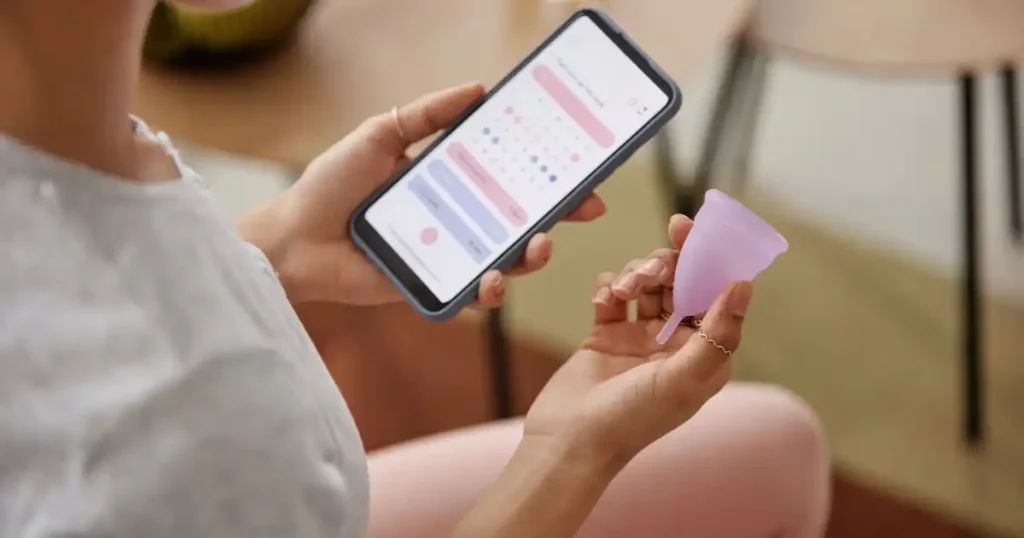
Finding the right fertility tools can feel overwhelming when you want clear answers about your body. When I first started tracking my cycle while living in Seattle, I wanted simple tools that gave real insight without unnecessary stress. Finding the best ovulation calculator for tracking fertility comes down to using a tool that clearly explains its limits instead of making false promises. A basic calculator uses your period start date, cycle length, and past cycle history to highlight your fertile window.
However, an ordinary app is just a prediction tool, not a direct measurement of ovulation itself. To get a clearer picture, many people pair basic calendar tracking with basal body temperature, cervical mucus observations, or urinary LH testing. Recent reviews emphasize that fertility technologies vary widely in what they measure and how they define ovulation, so the best tool ultimately depends on your individual cycle pattern and personal health goals.
What Is an Ovulation Calculator for Fertility Tracking?
An ovulation calculator turns cycle information into an estimate of when ovulation and the fertile window may occur. The important word is estimate your menstrual cycle is biology, not a spreadsheet.
What an Ovulation Calculator Can Estimate
- Expected ovulation date
- Fertile window
- Next period
- Cycle length
- Cycle day
- Estimated conception window
What Information Does It Need?
- First day of the last period
- Typical cycle length
- Previous cycle information
- Shortest and longest cycle details
- Optional fertility observations in advanced tools
How Calendar-Based Prediction Works
Menstrual cycles begin on Day 1, which is the first day of your period. A standard calculator takes your average cycle length to estimate when your next period will start. From there, it counts backward usually 14 days to guess your ovulation date. The app then builds a fertile window around that day. However, stress, travel, or illness can easily shift this calculation.
What an Ovulation Calculator Does Not Measure
- Actual follicle development
- Exact ovulation moment
- Pregnancy
- Egg quality
- Sperm quality
- Whether ovulation definitely occurred
How Ovulation Calculators Help Track Fertility
A good calculator can make cycle patterns easier to see. It becomes more useful when readers understand what the dates mean instead of treating the calendar like a crystal ball.
Tracking the Menstrual Cycle
Logging your period start dates over several months shows your average cycle length. It also highlights cycle-to-cycle variation so you know if your cycles are naturally longer or shorter. Seeing these historical patterns helps you understand your baseline body rhythm.
Estimating the Fertile Window
Your fertile window spans several days because human sperm can live inside the reproductive tract for up to five days. The egg, however, survives for only 12 to 24 hours after release. Because of this gap, fertile-window estimates are broader than a single ovulation date to ensure you do not miss your peak days.
Tracking Changes Over Several Cycles
- Compare cycle lengths month over month.
- Identify recurring patterns in your timing.
- Notice sudden or gradual cycle changes.
- Keep organized records ready for healthcare visits.
Using a Calculator as a Starting Point
Start with basic calendar prediction to get a general timeframe. Next, pay attention to physical fertility signs like changes in body temperature or fluid. You can also add LH test strips to confirm when your hormone levels rise. Combining these methods builds a much fuller picture of your cycle.
What Makes the Best Ovulation Calculator?
The best tool is not simply the one with the prettiest calendar. Look for a calculator that explains its method, lets you correct data, and does not pretend an estimate is a guarantee.
Accurate and Flexible Cycle Input
- Easy date entry interface
- Editable cycle history
- Support for variable cycle lengths
- Storage for multiple-cycle records
- Quick manual corrections for unexpected changes
Clear Fertile-Window Display
- Estimated fertile days highlighted clearly
- Estimated ovulation day marked distinctively
- Expected period start prediction
- Current cycle day count
- Plain-language explanation of what the dates mean
Transparent Calculation Method
Choose tools that clearly explain what data they use to generate estimates. A reliable provider states whether it relies on simple calendar averages or includes physical fertility signs. It should also disclose how its algorithm handles irregular or shifting cycles.
Useful Tracking Features
- Period tracking logs
- Basal Body Temperature (BBT) charting
- Cervical mucus observation notes
- Urinary LH test result logs
- Cycle trend charts
- Symptom and mood tracking
- Exportable health records for doctors
Privacy and Data Controls
- Clear and accessible privacy policy
- Complete account and data deletion options
- User-controlled sharing settings
- Simple data export features
- Minimal necessary data collection
- Explicit explanations regarding data storage
Best Ovulation Calculator Features Compared
Comparing features helps you decide which cycle tracker fits your daily routine. Based on my experience evaluating digital health tools, a simple calendar works fine for baseline tracking, but advanced fertility trackers offer deeper insights for complex cycles.
| Feature | Basic Calculator | Advanced Fertility Tracker |
| Period dates | Yes | Yes |
| Cycle length | Yes | Yes |
| Ovulation estimate | Yes | Yes |
| Fertile window | Yes | Yes |
| Cycle history | Sometimes | Usually |
| BBT tracking | No | Often |
| Cervical mucus | No | Often |
| LH results | No | Sometimes |
| Charts | Basic | Detailed |
| Method explanation | Varies | Should be clear |
| Privacy controls | Varies | Important |
Which Features Matter Most?
- Transparent calculation methodology
- Comprehensive cycle history logging
- Clear fertile-window display
- Easy data correction options
- Physical fertility-sign tracking
- Robust data privacy controls
Which Features Are Optional?
- Push notifications and reminders
- Mood and energy tracking logs
- Detailed daily symptom logs
- Wearable device synchronization
- Community and social features
- Paid premium health reports
Are Ovulation Calculators Accurate for Fertility Tracking?
This is one of the most important sections. Research has found that calendar-based apps can vary widely in their fertile-window predictions, so avoid making blanket accuracy claims.
Why Calendar Predictions Can Miss Ovulation
Ovulation does not happen on exactly the same cycle day every month. Menstrual cycle length naturally varies due to everyday stress, sleep shifts, or minor illnesses. Additionally, individual luteal phases differ from person to person, meaning standard 14-day averages often hide real biological variation. Research evaluating fertility apps and websites found substantial variation in predicted fertile windows and concluded that calendar-based tools were generally inaccurate for predicting the exact fertile window.
Estimated Ovulation vs Observed Ovulation
Calendar calculations rely on past averages to guess future dates. In contrast, observed tracking uses real-time body signals like cervical mucus, BBT shifts, or urinary LH surges. Modern wearables also track continuous temperature changes to confirm physical shifts rather than relying on mathematical guesses.
Why Cycle Length Alone Is Limited
Two people can have identical 28-day cycles yet ovulate on completely different days. Even within the same individual, ovulation timing fluctuates from month to month. Because calendar-only tools cannot detect current hormone shifts, they cannot account for real-time biological changes. Research shows that ovulation timing can vary considerably even among people with similar cycle lengths.
What “Accurate” Should Mean in a Tool Review
- Realistic prediction accuracy ratings
- High-quality data collection methods
- Clear method transparency
- Clinical validation studies
- User-friendly interface design
- Ability to handle natural cycle variation
- Solid evidence supporting the target population
Calendar Calculator vs Advanced Fertility Tracker
These tools may look similar on your phone, but they are not doing the same job.
Calendar-Based Calculator
Calendar calculators use period start dates, total cycle length, and historical averages. They work best for basic cycle awareness, simple period tracking, and general lifestyle planning.
BBT-Based Tracker
BBT trackers record your daily resting body temperature. By plotting these daily readings on a chart, the tool helps you identify the sustained temperature shift that occurs right after ovulation.
Cervical-Mucus Tracker
This method relies on recording daily physical observations of cervical fluid. Changes in fluid texture and clarity provide direct biological signals that point toward your opening fertile window.
Hormone-Based Tracker
Hormone trackers evaluate chemical markers in urine, such as luteinizing hormone (LH), estrogen, and progesterone metabolites. These tools identify the actual chemical signals that trigger egg release.
Wearable-Based Tracker
Wearable tools collect continuous physical data like skin temperature, wrist temperature, resting heart rate, and sleep patterns. Recent research shows that modern fertility technologies differ substantially in their signals, algorithms, validation methods, and user burden.
Ovulation Calculator vs BBT Tracking
A calculator predicts from calendar data. BBT provides a physical signal that can help identify a temperature shift associated with ovulation.
How BBT Tracking Works
Take your temperature immediately upon waking while still resting in bed. Record this reading daily in your chart or app. Over time, look for a sustained rise in temperature, which indicates that ovulation has likely occurred.
Advantages of BBT
- Low-tech and accessible
- Highly affordable method
- Creates a personalized cycle record
- Helps confirm post-ovulation temperature patterns
BBT Limitations
- Requires strict daily tracking habits
- Interrupted sleep alters temperature readings
- Physical illness can cause false spikes
- Confirms ovulation after it happens rather than predicting it early
Which Should You Choose?
Use a simple calculator if you only want basic period timing. If you want deeper cycle insights, pair a calculator with daily BBT tracking. For structured family planning, consider a formal fertility awareness method rather than relying solely on generic digital apps.
Ovulation Calculator vs LH Ovulation Tests
LH testing adds current-cycle hormone information that a calendar calculator cannot see.
What LH Tests Detect
Urinary test strips detect surges in luteinizing hormone (LH). This hormone spike signals your body to release a mature egg from the ovary within 24 to 36 hours.
Benefits of LH Testing
Testing provides real-time hormone data during your active cycle, helping you identify the approaching surge. This makes timing intercourse much more precise. A Cochrane review found moderate-quality evidence that urinary ovulation detection probably increases the chance of live birth when used for timed intercourse compared with intercourse without ovulation prediction.
Limitations of LH Tests
- An LH surge does not guarantee an egg was released.
- Testing schedules must be followed carefully.
- Conditions like PCOS can cause confusing, multi-peak hormone patterns.
- Different test brands use varying sensitivity thresholds.
Calculator + LH Testing
Use a calendar calculator to estimate when you should start testing your urine. Once your LH tests show a surge, record those positive results directly into your app. Combining digital estimates with real-time hormone testing gives you an effective, multi-layered strategy.
Best Ovulation Calculator for Regular Cycles
Regular cycles can make calendar estimates easier, but they still do not make the prediction exact.
Features to Look For
- Multi-cycle history storage
- Automatic cycle length averaging
- Clear fertile-window estimates
- Highlighted ovulation estimates
- Clean, easy-to-read calendar views
How to Use It Well
Enter your period start dates as soon as bleeding begins. Keep tracking across several months to build an accurate average, and update your baseline settings as needed. Compare your predicted dates against physical body signs, and never assume every cycle will follow the previous one exactly.
Example: A Normal Week in Seattle
Imagine living in Seattle and opening your cycle app on a rainy Sunday morning. You enter Day 1 of your period, and the calculator estimates that your fertile window will start nine days later. As the week progresses, you log light physical symptoms and daily readings. When your next cycle arrives a day later than expected, the flexible app automatically shifts its future predictions to keep your estimates realistic.
Best Ovulation Calculator for Irregular Cycles
Irregular cycles are where simple calendar calculators become much less convincing.
Why Irregular Cycles Are Harder to Predict
- Ovulation timing fluctuates unpredictably.
- Average cycle math hides significant monthly differences.
- Past cycle patterns rarely predict future cycle timing.
Features That Become More Important
- Detailed historical cycle data storage
- Tracking for shortest and longest cycle lengths
- Manual fertility observation logs
- Integrated BBT chart displays
- Cervical mucus observation options
- Urinary LH test result entries
- Prominent cycle uncertainty warnings
When a Calendar Tool May Not Be Enough
Calendar tools struggle when cycles vary wildly month to month. Life transitions like postpartum recovery, active breastfeeding, or perimenopause disrupt predictable timing. Medical conditions like PCOS or thyroid imbalances also require real-time body tracking rather than basic calendar software.
What to Do With Unexpected Results
Continue logging your daily physical observations faithfully without forcing your data to match the app’s initial guess. If your cycle lengths remain highly unpredictable over several months, bring your logged records to a healthcare professional for a comprehensive evaluation.
Fertility Tracking Tools Comparison Table
Choosing the right fertility method depends on how much time you can invest and what data you want to capture. I always advise people to match their tracking tool with their personal routine so logging feels simple rather than exhausting.
| Tracking Method | Main Data | Main Strength | Main Limitation |
| Calendar calculator | Period dates | Very simple | Cannot see current hormone changes |
| BBT | Temperature | Tracks a body sign | Needs daily readings |
| Cervical mucus | Mucus changes | Direct fertility sign | Requires learning observation |
| LH test | Urinary LH | Detects hormone surge | Surge does not prove ovulation |
| Multi-sign tracker | Several signs | More complete picture | More work |
| Wearable | Temperature/physiology | Passive data collection | Algorithms vary |
Which Method Gives the Most Useful Information?
- Calendar tools offer a quick baseline estimate.
- BBT confirms a temperature shift after ovulation.
- LH test strips pinpoint the active hormone surge.
- Cervical mucus tracking highlights fertile days in real time.
- Multi-sign tracking combines these signals into a comprehensive health picture.
Why More Data Does Not Automatically Mean Better Accuracy
Collecting more data points only helps if the input quality is clean. Inaccurate entries lead to flawed predictions, regardless of how smart an algorithm claims to be. Additionally, software models vary greatly in their validation, meaning user consistency remains the most critical factor.
How to Choose the Best Ovulation Calculator for Tracking Fertility
Finding your ideal fertility tool is much easier when you break the selection process down into step-by-step choices based on your health goals.
Step 1 Define Your Goal
- Are you learning general cycle timing?
- Are you actively trying to conceive?
- Are you tracking fertile days for general awareness?
- Are you monitoring overall reproductive health patterns?
Step 2 Check Your Cycle Pattern
- Regular cycles with consistent lengths
- Variable cycles with occasional shifts
- Irregular cycles with unpredictable timing
- Recently changed cycles due to life transitions
3rd Step Decide How Much Data You Want
- Simple setup: period dates and average cycle lengths
- Detailed setup: BBT logs, mucus notes, LH tests, and wearable data
Last Step Investigate the Method
Look for tools that publish their underlying methodologies and reference real clinical evidence. Ensure the software clearly explains its limitations and does not hide its calculation formulas behind vague marketing terms.
Step 5 Check Privacy
Review where your personal health data gets stored before creating an account. Choose services that offer explicit data deletion controls, easy file export options, and transparent privacy disclosures regarding third-party data sharing.
Best Ovulation Calculator Checklist
Use this quick checklist to evaluate any fertility calculator before downloading or using it for cycle tracking.
Must-Have Features
- Period-date tracking options
- Adjustable cycle-length inputs
- Clear fertile-window estimates
- Highlighted ovulation timing guesses
- Comprehensive cycle history logs
- Transparent methodology explanations
- Easy entry editing tools
- Clear data privacy policies
Advanced Features
- Integrated BBT chart displays
- Cervical mucus tracking logs
- Urinary LH test result entries
- Multi-hormone data tracking
- Smart wearable device synchronization
- Exportable health charts for doctor visits
Red Flags
- Promises guaranteed pregnancy results
- Presents a single estimated date as absolute fact
- Hides mathematical or algorithmic methodology
- Makes unsupported medical claims
- Fails to explain data security and privacy measures
How to Use an Ovulation Calculator Correctly
Even the best digital tool requires accurate user input to produce helpful predictions. Garbage in means garbage out, even on a beautifully designed app interface.
Enter the Correct Period Start Date
Always mark Day 1 as the first day of true menstrual flow. Do not count light spotting prior to your period as Day 1 unless your healthcare provider or tool specifically instructs you to do so.
Record Every Cycle
Log your dates consistently as soon as bleeding starts each month. Correct any accidental date entries quickly so your historical averages remain accurate over time.
Compare Estimates With Other Fertility Signs
Cross-check your app’s predicted fertile window against real-time body signs. Log daily BBT readings, cervical fluid changes, and positive LH test strips directly into your tool to refine its accuracy.
Review Several Cycles
Look for long-term patterns across three to six cycles rather than focusing on a single month. If you notice one unusual cycle, treat it as a natural variance rather than your new baseline.
USA Expert Advice on Ovulation and Fertility Tracking
Relying on guidance from established medical organizations helps keep your expectations realistic when tracking your cycle.
Expert Perspective From ACOG
Educational materials from the American College of Obstetricians and Gynevologists (ACOG) emphasize that fertility awareness relies on understanding your overall fertile window. ACOG notes that calendar methods estimate timing based on population averages, meaning they serve best as general educational guidelines rather than absolute guarantees.
CDC Guidance on Fertility-Awareness Methods
The Centers for Disease Control and Prevention (CDC) distinguishes between simple calendar-based methods and dynamic, symptom-based tracking. The CDC notes that fertility-awareness methods can require formal counseling and careful daily practice to use effectively, particularly for people with irregular cycle histories.
Research Perspective
Researchers Hannah C. Milad, Sarah C. Cromack, and Jessica R. Walter published a 2026 review evaluating current menstrual-tracking technologies. Their work highlights that modern digital tools differ significantly in precision, accessibility, clinical utility, and user burden, underscoring the importance of selecting a method that matches your specific health needs.
Expert Quote Box
“Fertility-awareness-based methods require clear understanding of the fertile window, as calendar estimates alone cannot account for normal biological variation in ovulation timing.” Summarized from ACOG Educational Guidelines
Real-Life Fertility Tracking Example
Seeing how tracking unfolds in daily life makes the entire process feel far more practical and manageable.
Monday Morning Tracking
Imagine waking up on Monday, opening your cycle app, and recording the first day of your period. The app estimates your upcoming fertile window, giving you a baseline timeframe. Over the next two weeks, you log your morning BBT and notice physical body signs right on schedule.
When the Prediction Changes
Suppose your cycle runs longer than usual due to work stress. As days pass without a temperature shift, your calculator automatically adjusts its predictions. By comparing real-time physical observations against the app’s shifting estimate, you adapt without unnecessary worry.
The Human Side of Tracking
Tracking your cycle provides valuable health insights, but fixating on a single predicted day can create unnecessary stress. Establishing a simple, low-effort daily routine is far easier to maintain over time than overanalyzing every minor algorithm update.
Common Ovulation Calculator Mistakes
Avoiding common cycle-tracking mistakes saves time and prevents unnecessary confusion.
Mistake 1 Treating the Predicted Date as Exact
Calendar dates are mathematical estimates, not direct biological observations. Ovulation timing naturally varies from month to month, so treat predicted dates as a general guide rather than a strict rule.
Mistake 2 Assuming a 28-Day Cycle Means Day 14 Ovulation
Textbook 28-day cycles do not automatically mean you ovulate on Day 14. Luteal phase lengths vary between individual bodies, making generic midpoint shortcuts unreliable for precise timing.
Mistake 3 Using Only One Cycle
Logging a single cycle gives you very limited biological data. Building an accurate picture requires tracking several consecutive cycles to understand your body’s baseline variations.
Mistake 4 Ignoring Fertility Signs
Relying solely on calendar math misses critical physical signals. Combining digital tools with daily physical observations provides a much clearer picture of your fertility.
Mistake 5 Confusing Prediction With Confirmation
A predicted calendar date or positive LH test surge hints that ovulation is near. However, only a sustained post-ovulation temperature shift or clinical ultrasound can confirm that an egg was actually released.
Can an Ovulation Calculator Help With Trying to Conceive?
Understanding how timing relates to conception helps you make the most of your cycle data.
How Fertility Timing Relates to Conception
Conception depends on having viable sperm present in the reproductive tract when the egg is released. Because sperm live for several days while an egg survives for less than 24 hours, timing intercourse during the days leading up to ovulation offers the highest chance of success.
Where Calculators Can Help
- Highlights when to start paying closer attention to your body.
- Keeps cycle history organized in one central place.
- Reduces overall guesswork around monthly timing.
- Supports consistent daily health tracking habits.
Where They Have Limits
Calendar software cannot foresee sudden biological delays or ovulation shifts. Additionally, basic algorithms cannot detect underlying structural or medical fertility issues that require clinical diagnosis.
When to Seek Medical Advice
If you experience persistent cycle irregularity, suspect you are not ovulating, or have been trying to conceive without success for over a year (or six months if over age 35), consult a healthcare professional for guidance.
Best Ovulation Calculator for Tracking Fertility: Quick Decision Table
This summary table matches your specific tracking goals with the right tool approach for your daily routine.
| Your Goal | Best Tool Type | Why |
| Basic cycle tracking | Simple calculator | Easy and fast |
| Regular cycles | Calendar + history | Good for estimates |
| More detailed tracking | Multi-sign tracker | Uses more data |
| Track hormone surge | LH testing + tracker | Adds current-cycle data |
| Track temperature | BBT-enabled tool | Shows temperature patterns |
| Irregular cycles | Multi-signal approach | Less dependent on calendar alone |
| Privacy first | Minimal-data calculator | Less personal data exposure |
The Best Choice in One Sentence
For simple cycle tracking, choose a clear calendar calculator; for deeper fertility insights, select a tool that supports physical body signals; and for irregular cycles, prioritize multi-sign tools that do not rely on calendar math alone.
FAQs About the Best Ovulation Calculator for Tracking Fertility
What is the best ovulation calculator for tracking fertility?
The best calculator combines transparent methodology, flexible date inputs, clear fertile-window displays, robust privacy controls, and support for real-time fertility signs like BBT or LH testing.
Are ovulation calculators accurate?
They provide helpful baseline estimates, but calendar-only software cannot reliably pinpoint the exact moment of ovulation for every individual or every cycle.
Can an ovulation calculator tell me exactly when I ovulate?
No. Calculators estimate timing using historical averages and input data, but they do not directly observe or confirm biological egg release.
Is a fertility app better than an ovulation calculator?
Not automatically. An app is only as good as its underlying calculation method, data privacy, and support for real physical fertility signs.
What is the most accurate way to track ovulation?
Different methods answer different questions. Combining real-time signals like LH test strips, BBT temperature shifts, and cervical mucus tracking provides the most accurate overall picture.
Can I use an ovulation calculator with irregular periods?
You can log your cycles, but calendar-only predictions become much less dependable when cycle timing fluctuates significantly month to month.
Should I track BBT with an ovulation calculator?
Yes. Adding daily BBT readings provides physical body data that helps confirm whether ovulation likely occurred, offering far more insight than calendar math alone.
Does an LH test work better than an ovulation calculator?
They do different jobs. LH tests detect active hormone surges in real time, whereas a calculator predicts general fertile timing based on past cycle dates.
Can an ovulation calculator confirm ovulation?
No. Calculators only predict timing. Confirming that ovulation actually occurred requires a sustained post-ovulation BBT shift or clinical evaluation by a doctor.
Final Recommendation
Having spent years navigating cycle tracking tools myself, I know how valuable it is to find a calculator that balances simplicity with honest science. In my experience testing various platforms, the best ovulation calculator for tracking fertility is one that empowers you with clear data without overpromising accuracy. If you have regular cycles, a simple calendar tool paired with LH test strips offers a fantastic, low-stress starting point. If your cycles are irregular or you want deeper insights, I strongly recommend choosing a multi-sign tracker that incorporates BBT and physical observations. Focus on tools that respect your privacy, explain their methods clearly, and treat your cycle as the unique biological pattern it truly is.