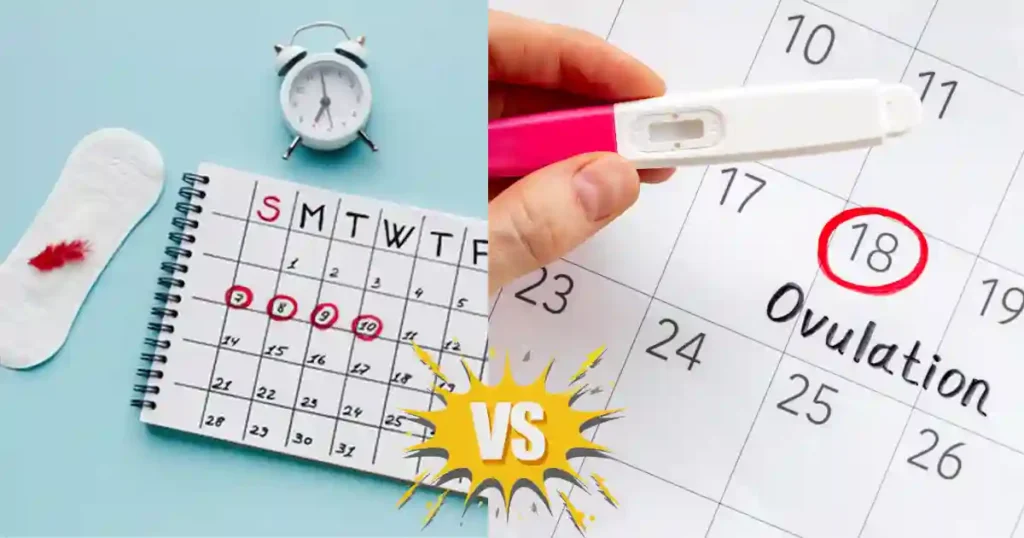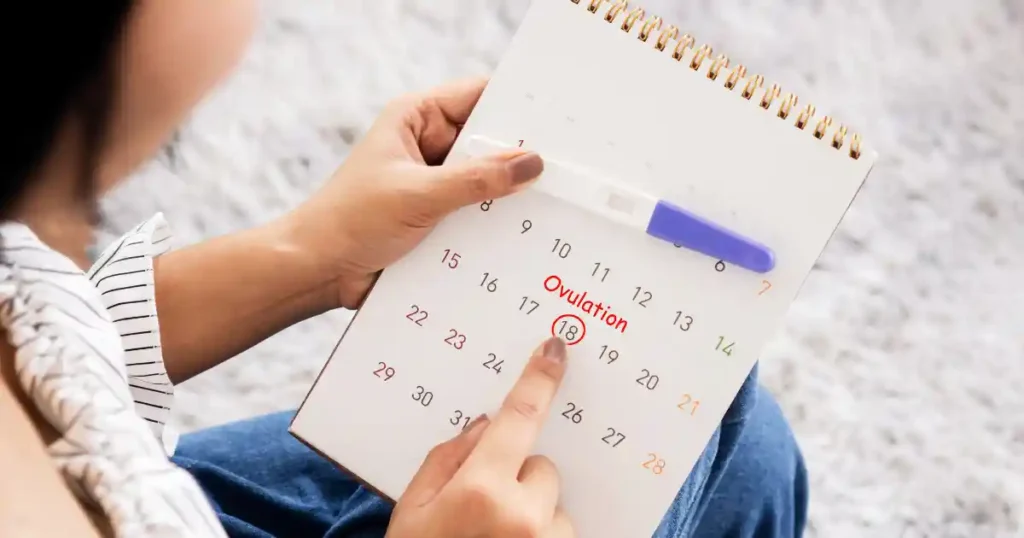
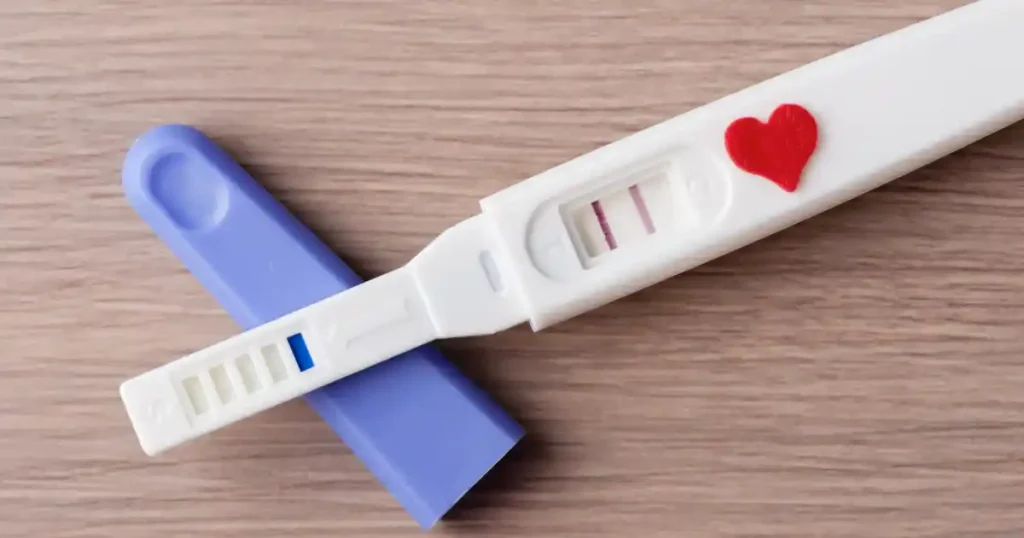
Checking the calendar for the third time this month, wondering “did I miss my fertile days again,” is a familiar feeling for many women. Predicting your fertile window matters far more than chasing a single ovulation date, since conception can happen across several days, not just one. The best ovulation calculator with fertile window prediction uses your menstrual cycle data to estimate those days with real accuracy. Denver, Colorado is where I first started charting my own cycle years ago, and that early trial and error taught me why a good fertile window calculator beats a basic ovulation calculator every time.
Strong tools do more than spit out dates, they help you understand your own unique cycle pattern month after month. A reliable fertility tracker also grows smarter the longer you use it, learning your rhythm instead of forcing your body into someone else’s average. This guide walks through how these calculators work, what features matter most, and how to combine a fertility tracker with real body signals for the clearest picture possible.
What Is the Best Ovulation Calculator with Fertile Window Prediction?
A quality ovulation calculator predicts your most fertile days using cycle data and helps you plan with greater confidence. Understanding its features is the first step toward smarter fertility tracking, and toward getting more from any conception calculator you choose to use.
What an ovulation calculator does
An ovulation calculator studies your period start date and cycle length, then estimates when your ovary is likely to release an egg. Some tools stop there, while stronger ones layer in symptom data for sharper results, similar to what a menstrual cycle calculator uses to spot patterns over time.
What fertile window prediction means
Fertile window prediction identifies the full stretch of days when pregnancy is possible, not just one single date. This range usually spans about six days, ending on the day of ovulation itself, and understanding it changes how couples plan intercourse timing each month.
Why fertile window prediction matters more than one ovulation date
Sperm can survive inside the body for several days, so intercourse before ovulation can still lead to pregnancy. Focusing only on one predicted date causes many couples to miss earlier fertile days entirely, which is one of the most common reasons trying to conceive takes longer than expected.
Who benefits from using one
Almost anyone curious about their cycle can benefit, though the specific value depends on your goal and cycle type. Even women not actively trying to conceive often use tracking for general menstrual health awareness.
Couples trying to conceive
Timing intercourse within the fertile window raises the odds of pregnancy each cycle, especially when paired with a conception calculator for extra confirmation.
Women tracking menstrual health
Regular tracking helps you notice changes in cycle length or symptoms early, long before they become a bigger concern worth a doctor visit.
Users with regular cycles
Predictable cycles make calculator estimates especially reliable, since the math behind an accurate ovulation calculator depends heavily on consistent cycle length.
Women with irregular cycles
Irregular cycles need adaptive tools built specifically for shifting patterns, similar to what is covered in our guide on the ovulation calculator for irregular periods.
How Does a Fertile Window Prediction Calculator Work?
Most calculators estimate ovulation by analyzing your menstrual cycle and then predicting the days when conception is most likely. Understanding each input helps you trust the output and spot when a prediction might need a second look.
First day of your last period
This date anchors every prediction the calculator makes. Getting it right matters more than any other single entry you provide, since one wrong date shifts your entire window.
Average cycle length
Your typical cycle length, counted from one period start to the next, helps the calculator estimate roughly when ovulation should occur. Tracking this across several months, similar to a next period date calculator, gives a far more reliable average than a single cycle ever could.
Ovulation prediction formula
Most formulas subtract about fourteen days from the expected start of your next period. Ovulation typically happens near the midpoint of a regular cycle, though this shifts for shorter or longer cycles.
How the fertile window is calculated
The window usually spans the five days before ovulation plus ovulation day itself. This accounts for sperm survival time alongside the short life of the egg, and a fertile window calculator built around this math tends to outperform a simple date guess.
Why sperm lifespan changes the prediction
Healthy sperm can survive inside the reproductive tract for up to five days. This is exactly why the fertile window opens well before ovulation actually happens, giving couples a wider window of opportunity than most people realize.
Why the egg survives for only a short time
An egg lives for roughly twelve to twenty four hours after release. This narrow survival window is why timing still matters even within the broader fertile stretch, especially for couples trying to pinpoint their best chance each cycle.
Data Used to Predict Your Fertile Window
Behind every prediction is a simple set of biological information. Understanding these inputs helps you use the calculator more accurately and avoid common mistakes.
| Information Entered | Why It Matters | Effect on Prediction |
|---|---|---|
| First day of last period | Starting point | Predicts future cycle |
| Average cycle length | Estimates ovulation | Improves accuracy |
| Period duration | Refines calendar | Better fertility dates |
| Previous cycles | Detects patterns | Smarter predictions |
| Cycle regularity | Measures consistency | Higher confidence |
Understanding Your Fertile Window
Many people think pregnancy is possible only on ovulation day, but your fertile window actually begins several days earlier than most expect. Understanding this stretch of time can genuinely change how couples approach timing each month.
What is the fertile window?
It is the stretch of days each cycle when intercourse can realistically lead to pregnancy. This window closes shortly after ovulation once the egg is no longer viable, so timing intercourse before that point matters greatly.
How many fertile days do you have?
Most women have about six fertile days per cycle. The days right before ovulation tend to carry the highest odds of conception, especially the two days leading directly into ovulation itself.
Why sperm can survive for several days
Cervical mucus around ovulation creates a friendly environment for sperm. This is part of why the fertile window extends well beyond ovulation day alone, and why tracking symptoms of ovulation like mucus changes matters so much for anyone trying to conceive.
Why timing matters
Intercourse timed within the two to three days before ovulation typically offers the best odds. Waiting until ovulation day alone often means the window has already partly closed, which surprises many couples who assumed timing was more flexible.
Common myths about fertile days
Many believe pregnancy is only possible on ovulation day itself, or that a regular cycle guarantees a fixed ovulation date every month. Neither belief holds up once you study real cycle data closely, and both myths often lead to missed opportunities during the fertile window.
Features of the Best Ovulation Calculator with Fertile Window Prediction
Not every fertility calculator offers the same experience. The best tools combine science, convenience, and personalized tracking, similar to what you find in a precise ovulation calculator built for accuracy over flashy extras.
Personalized fertile window predictions
Strong calculators learn from your own cycle history instead of applying one generic formula to every user who signs up. This personalization is what separates a truly helpful tool from a basic date guess.
Multi-cycle forecasting
Looking several cycles ahead helps with planning vacations, medical appointments, or simply knowing roughly when your next fertile window will land, similar to using a most fertile window calculator for longer term planning.
Irregular cycle support
Adaptive tools adjust their math for shifting cycle lengths, which matters enormously for anyone managing irregular cycles month to month.
Cycle history tracking
A running log of past cycles reveals patterns that a single month of data simply cannot show on its own, and reviewing this history often surfaces trends you would otherwise miss entirely.
Mobile-friendly interface
A clean, simple layout keeps daily logging quick, which matters since consistency drives the accuracy of any track ovulation routine.
Calendar reminders
Gentle daily nudges keep your data complete, especially during busy weeks when tracking easily slips your mind entirely.
Symptom tracking
Logging mood, cramping, and energy shifts adds useful context around your predicted fertile days each cycle, and these small details often confirm what the calendar is already suggesting.
Basal Body Temperature (BBT) tracking
Charting your temperature with this basal body thermometer confirms that ovulation has already happened, which turns a prediction into a verified fact rather than just an educated guess.
Cervical mucus tracking
Egg white texture is one of the clearest natural fertility signs your body provides each cycle, and noticing it takes only a few seconds once the habit sticks.
Data privacy and security
Encrypted storage and a clear consent policy protect sensitive fertility data from being shared without your knowledge, so always review this before entering personal health details.
Basic Ovulation Calculator vs Advanced Fertile Window Calculator
Advanced calculators often provide a clearer picture of fertility by combining multiple tracking methods instead of relying only on dates.
| Feature | Basic Calculator | Advanced Calculator |
|---|---|---|
| Ovulation prediction | Yes | Yes |
| Fertile window | Yes | Yes |
| Multi-cycle prediction | No | Yes |
| Symptom tracking | No | Yes |
| Irregular cycle support | Limited | Yes |
| Calendar reminders | No | Yes |
| Fertility trends | No | Yes |
| Mobile optimization | Limited | Excellent |
How to Use an Ovulation Calculator for Better Results
Even the smartest calculator depends on accurate information. A few simple habits can significantly improve prediction quality over time and prevent frustrating surprises later.
Record the first day of your period
Log this date the moment your period starts. A delayed entry can shift your whole cycle calculation by a day or more, so build the habit of logging immediately rather than waiting until later.
Calculate your average cycle length
Count from the first day of one period to the first day of the next. Average this across several months for the most reliable number, since a single cycle rarely reflects your true pattern.
Enter accurate information
Double check dates before saving them. A single typo can throw off your entire fertile window estimate for that cycle, and correcting it later does not undo the confusion it already caused.
Review your fertile calendar
Glance at your predicted window a few days ahead so you can plan intercourse timing without any last minute scrambling.
Update your cycle every month
Fresh entries keep your prediction sharp, since gaps in your data weaken the calculator’s ability to spot your true pattern. This applies whether you use a simple days until next period calculator or a more advanced app.
Compare predictions with body signs
Cross check the calendar against real signs like cervical mucus or this LH ovulation strip kit for a much stronger confirmation than dates alone.
Signs That Confirm Your Fertile Window
Your body often gives natural clues that match the calculator’s predictions. Watching for these signs builds confidence over time and turns a calendar guess into something you can actually feel confirmed by.
Egg-white cervical mucus
Clear, stretchy mucus resembling raw egg whites usually signals your most fertile days are close at hand. Logging this alongside results from this ovulation and fertility test kit builds an even clearer confirmation.
Basal Body Temperature changes
A small, sustained rise in temperature after ovulation confirms it already happened, especially when logged consistently with this digital basal thermometer at the same time every morning.
Ovulation pain (Mittelschmerz)
Some women feel a mild, one sided cramp near ovulation. Read more about what these sensations feel like in our guide on ovulation cramps, which explains why the timing and intensity can vary so much between women.
Increased libido
A natural rise in interest often lines up with peak fertility, driven by hormonal shifts around ovulation that many women notice without even trying to track it.
Breast tenderness
Mild tenderness can appear around ovulation due to hormone changes, though it varies quite a bit from person to person and cycle to cycle.
Positive Ovulation Predictor Kit (OPK)
A positive result from this ovulation predictor kit detects the LH surge that happens shortly before ovulation, giving you a clear, time sensitive signal that beats guessing from a calendar alone.
Cervical position changes
The cervix often feels higher, softer, and more open near ovulation, though this sign takes practice to notice reliably and works best when checked at the same time each day.
Best Ovulation Calculator vs Fertility Apps
Some people prefer a simple online calculator, while others like an app that tracks months of fertility data automatically. Both approaches have real merit depending on how deep you want your tracking to go.
Benefits of online ovulation calculators
Quick, free, and simple to use, these tools work well for anyone wanting an instant estimate without creating an account or committing to daily logging right away.
Advantages of fertility tracking apps
Apps store your history, sync with wearables, and generate reports, which helps a lot if you compare an ovulation calculator versus a period tracker side by side over several months.
Which option is better for beginners?
A basic calculator suits beginners best, since it teaches the fundamentals before adding more complex tracking layers like BBT charts or hormone strips.
Should you use both together?
Many women start with a calculator, then move to an app once they want deeper trend data and daily reminders. There is no rule against running both side by side during the transition.
Online Calculator vs Fertility Tracking App
Both options can help predict fertile days, but the right choice depends on how detailed you want your fertility tracking to be.
| Feature | Online Calculator | Fertility App |
|---|---|---|
| Instant prediction | Excellent | Good |
| Long-term tracking | Limited | Excellent |
| Daily reminders | Rare | Yes |
| Symptom logging | Limited | Excellent |
| Installation required | No | Yes |
| Historical reports | No | Yes |
What Can Affect Fertile Window Prediction?
Even healthy menstrual cycles can change from month to month. Knowing what influences ovulation helps you interpret predictions more realistically instead of assuming the calculator made an error.
Irregular menstrual cycles
Shifting cycle lengths make fixed formulas unreliable, which is exactly why our guide on the irregular menstrual cycle ovulation calculator recommends adaptive tracking instead of a fixed date approach.
PCOS
Hormonal imbalances tied to PCOS often delay or skip ovulation entirely, so a PCOS ovulation calculator needs extra flexibility built in to stay useful.
Endometriosis
This condition can affect cycle regularity and fertility, making body signals just as important as calendar based predictions for anyone managing symptoms.
Stress and anxiety
High stress can delay ovulation by several days, throwing off even a normally reliable prediction, so a stressful month deserves a little extra patience with your chart.
Travel and jet lag
Crossing time zones disrupts sleep and hormone rhythms, which can shift ovulation timing temporarily until your body readjusts.
Shift work
Irregular sleep schedules from night shifts can affect hormone balance and cycle predictability over time, sometimes more than people expect.
Weight changes
Significant weight gain or loss can disrupt hormone levels enough to delay or skip ovulation some months, especially with rapid changes.
Illness
Being sick, even briefly, can push ovulation later than your calculator originally predicted, so a fever or infection is worth noting in your log.
Hormonal medications
Birth control, fertility drugs, and other hormonal medications all directly influence cycle timing and predictions, and cycles often need a few months to settle after stopping any of them.
Common Mistakes When Predicting Fertile Days
Many users unknowingly reduce their chances of success by relying on incorrect assumptions or incomplete cycle information. Small errors compound quickly across a cycle.
Entering incorrect period dates
A wrong start date throws off every prediction that follows, so double check entries before saving them each month rather than trusting memory alone.
Assuming every cycle is exactly the same
Cycle length naturally varies by a few days, and treating every month as identical often leads to missed fertile windows, as explained in our article on why ovulation calculators can be wrong.
Ignoring irregular cycles
Applying a standard formula to a genuinely irregular cycle produces unreliable results almost every time, which is why adaptive tools tend to serve these users better.
Tracking only one month
A single cycle rarely reveals your true pattern. Multiple months of data build a far more trustworthy prediction, similar to what a probable conception date calculator relies on for accuracy.
Waiting only for ovulation day
Focusing solely on ovulation day misses the fertile days beforehand, when sperm survival already gives you a real chance at conception.
Ignoring body signals
Calendars alone cannot replace real signs like cervical mucus or ovulation test kits, which confirm what the calendar can only estimate.
Tips to Improve Your Chances of Pregnancy Naturally
A fertility calculator works best alongside healthy daily habits. Small lifestyle changes often support reproductive health over time and make every prediction more meaningful.
Eat nutrient-rich foods
A balanced diet supports hormone regulation, which in turn supports consistent, predictable ovulation month after month.
Stay physically active
Moderate exercise supports healthy hormone levels, though extreme or excessive exercise can sometimes disrupt ovulation instead of helping it.
Maintain a healthy weight
Both being underweight and overweight can interfere with ovulation, so working toward a stable, healthy weight often helps regulate your cycle.
Get quality sleep
Poor sleep disrupts the hormones responsible for regulating your cycle, making consistent rest genuinely important for fertility, not just general wellbeing.
Manage stress
Chronic stress can delay ovulation, so simple daily habits like walking or deep breathing can genuinely support your cycle over time.
Stay hydrated
Proper hydration supports healthy cervical mucus, one of the clearest natural fertility signs your body produces each cycle.
Consider prenatal vitamins
Folic acid and other nutrients support early pregnancy health, so many doctors recommend starting before you actively try to conceive. Pairing daily vitamins with this fertility tracking kit covers both the biological and tracking side of preparing for pregnancy.
Male fertility matters too
Fertility is never one sided. Reading our guide on male fertility rounds out the picture for couples trying to conceive together, since sperm health plays just as large a role.
USA Expert Insight
“An ovulation calculator is an excellent starting point, but pairing fertile window predictions with cervical mucus observations and ovulation test kits gives couples a more complete understanding of fertility.”
(Dr. Lucky Sekhon, MD, Reproductive Endocrinologist, New York)
Daily Habits That Support Healthy Fertility
Healthy routines will not guarantee pregnancy, but they help support hormone balance and make fertile window predictions more meaningful over time.
| Habit | Fertility Benefit |
|---|---|
| Sleep 7 to 9 hours | Supports hormone regulation |
| Balanced diet | Improves reproductive health |
| Moderate exercise | Encourages healthy ovulation |
| Drink enough water | Supports cervical mucus |
| Reduce smoking and alcohol | Better fertility outcomes |
| Manage stress | Helps regular ovulation |
| Track cycles monthly | More accurate predictions |
When an Ovulation Calculator Is Not Enough
Sometimes fertility challenges involve more than timing. Medical advice can identify issues that no calculator, and no amount of tracking, can detect on its own.
Trying to conceive for 12 months without success
A full year of trying without success is generally the point where a fertility specialist should get involved, especially if your cycles have looked regular throughout.
Women over 35 trying for six months
Age lowers the recommended waiting period before seeking help, since fertility naturally declines more quickly after this age. Bringing charted data from this fertility tracking kit to that first appointment can speed up the conversation.
Highly irregular or absent periods
Cycles that rarely follow a pattern often signal an underlying issue worth discussing with your doctor, alongside our page on signs you might not be ovulating.
PCOS or endometriosis
Both conditions can require medical management beyond what any calculator alone can offer, though tracking still provides useful context for your doctor.
Thyroid disorders
Thyroid imbalances often disrupt ovulation and cycle regularity, and bloodwork can confirm this quickly if your cycle suddenly changes without explanation.
Recurrent pregnancy loss
Multiple losses in a row deserve medical evaluation to rule out an underlying cause rather than assuming it will resolve on its own.
Male fertility concerns
Fertility testing works both ways, and a semen analysis can rule out or confirm concerns on the male side just as easily as tracking rules things in on the female side.
Frequently Asked Questions
What is the best ovulation calculator with fertile window prediction?
The best tools combine personalized cycle learning, BBT integration, and symptom tracking. Browse our full list of fertility calculators to compare several options at once before settling on your favorite.
How accurate are fertile window calculators?
Accuracy improves with consistent data and grows stronger once you add body signals like temperature or this ovulation test kit on top of calendar predictions. A calculator used alone, without any supporting data, will always be less precise.
Can I use one with irregular periods?
Yes, though adaptive tools work far better than fixed formula calculators. Our guide on the ovulation calculator for irregular periods covers this in detail, including which features to prioritize.
Is a fertile window calculator better than an ovulation app?
Both serve different needs. A calculator gives a quick estimate, while an app builds long-term trend data, similar to comparing an ovulation calculator against a fertility monitor for deeper insight over time.
How many fertile days do I have each cycle?
Most women have about six fertile days, including the days leading up to ovulation and ovulation day itself. This window can shift slightly depending on your individual cycle length.
Can I get pregnant before ovulation?
Yes, since sperm can survive for several days. Intercourse before ovulation often leads to pregnancy once the egg is released, which is exactly why the fertile window opens before ovulation day arrives.
Should I combine an ovulation calculator with OPKs?
Combining both gives a clearer signal than either method alone. This LH strip and calculator combo kit makes logging both data points simple within a single daily routine.
How often should I update my cycle information?
Update your data every cycle without fail. Consistent entries are what allow any calculator to sharpen its predictions over time, and skipping months slows that progress considerably.
Final Recommendation
After years of testing calendars, apps, and hormone strips myself, my honest take is this: the best ovulation calculator with fertile window prediction is the one that learns from your own cycle instead of a generic formula. Pairing a personalized calculator with this fertility tracking kit gave me the clearest, most trustworthy results across every cycle I tracked, and I recommend that same combination to anyone serious about timing conception well.
Beginners should start with a simple calculator, while anyone with irregular cycles should lean on adaptive, symptom based tracking instead. Stay consistent for at least three cycles before judging accuracy, and always pair predictions with real body signals for the fullest picture. Visit our homepage for a fast, personalized starting point, or check our FAQs page for quick answers whenever you need them.