You read that you can only get pregnant on ovulation day. Then a friend got pregnant after sex days before. Or your app said your fertile days were over, and your period still did not come. So you wonder: can you get pregnant out of ovulation? It is a fair question, and the answer surprised me.
I used to think pregnancy could only happen on ovulation day. That was wrong. The window is wider than one day, but it is not endless. In this guide, I will show you which days count, which days do not, and why your calendar might be lying to you.
Can You Get Pregnant Out of Ovulation? The Short Answer
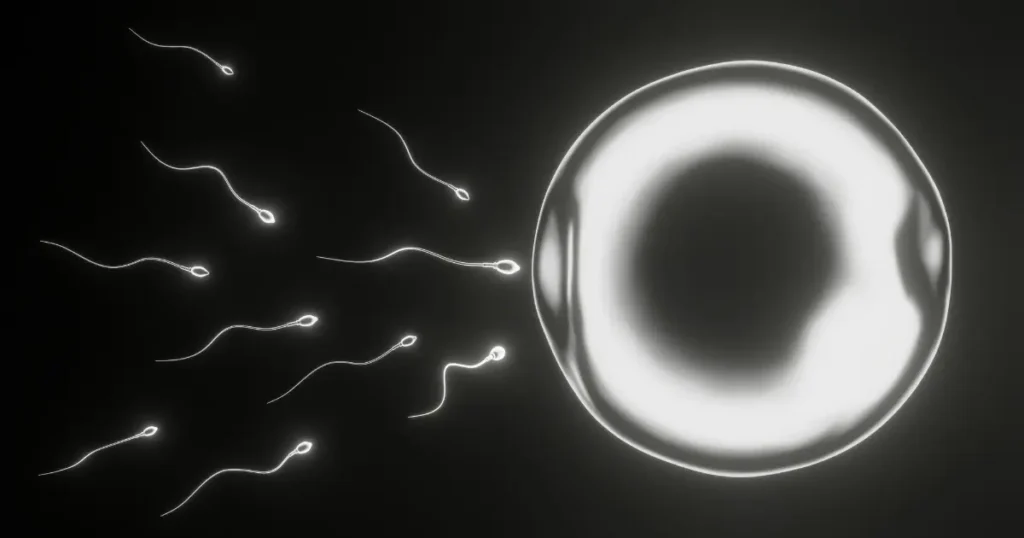
It depends on what you mean, and the difference is timing. You cannot get pregnant without an egg. But you can get pregnant from sex on the days before ovulation. Sperm can wait for the egg for up to five days.
So sex outside ovulation day can lead to pregnancy. Sex after the egg is gone almost never does. And a cycle with no ovulation at all cannot lead to a natural pregnancy.
The rest of this guide explains each case. Treat the numbers as estimates, since bodies and studies vary. This guide is general education, not medical advice.
What Does Out of Ovulation Really Mean?
People use this phrase in two ways. Some mean sex on days other than ovulation day. Others mean a cycle with no ovulation. The answers differ, so it helps to split them.
| Scenario | Can Pregnancy Happen? |
|---|---|
| A few days before ovulation | Yes, and this is common |
| Ovulation day | Yes, with a high chance |
| The day after ovulation | Very unlikely |
| Late in the luteal phase | Almost never |
| A cycle with no ovulation | Not naturally |
Keep this table in mind. It shows that “out of ovulation” is not one thing. Some of these days are risky and some are not.
How Long Does the Fertile Window Last?
About six days. It starts five days before ovulation and ends on ovulation day.
The egg lives about 12 to 24 hours after release. Sperm can live up to five days in fertile mucus. Fertile mucus is clear and slippery. It feeds sperm and helps them swim.
Think of a bus stop. Sperm can arrive early and wait. The egg shows up once, stays a short time, and leaves. If sperm are already there, they can meet it right away.
Without fertile mucus, sperm often live far less than five days. That is why the window is not the same for every person or every month.
How Long Can Sperm Really Live?
Up to five days is the maximum, not the average. In the best case, sperm sit in fertile mucus and stay strong. Most sperm die within a day or two. A small group keeps going.
That is why the days before ovulation matter, but with a slope. Sex five days before has a small chance. Sex two days before has a much larger one. The closer to ovulation, the better.
Outside the fertile window, mucus turns thick and sticky. It blocks sperm and does not feed them. Sperm then die fast. This is why late cycle sex is low risk.
I used to think five days was a rule. It is a ceiling. Learning that helped me stop worrying about every single day.
Which Days Carry the Highest Chance?
One well known study tracked couples who had sex on set days. Results vary by study, so treat these as rounded guesses.
| Day Relative to Ovulation | Rough Chance of Pregnancy |
|---|---|
| Five days before | About 10 percent |
| Four days before | About 15 percent |
| Three days before | About 15 percent |
| Two days before | About 25 percent |
| One day before | About 30 percent |
| Ovulation day | About 30 percent |
| One day after | Very low |
Notice the peak. The two days before ovulation and ovulation day are the best. That surprised me. I had always focused on the egg and forgot that sperm need time to get there.
What Does the Luteal Phase Have to Do With It?
The luteal phase is the time between ovulation and your next period. It often lasts 10 to 16 days. During it, the body makes progesterone. This hormone readies the womb for a pregnancy.
By this stage, the egg is gone. Sex in the luteal phase cannot cause a new pregnancy in that cycle. That is the reason doctors say the second half of a cycle is low risk, assuming you know when ovulation happened.
That “assuming” is the hard part. If ovulation came later than you thought, you may still be in the fertile window. Tracking signs, not only dates, helps you know where you stand.
Can You Get Pregnant Days Before Ovulation?
Yes. This is the most common way people get pregnant “out of ovulation.” Sex three days before the egg appears can still work. The sperm wait in the tubes.
Many people miss this. They wait for a sign, such as a positive strip, and then have sex. By then they may have missed the best days. I made this mistake when I first read about trying to conceive.
If you want a baby, start earlier. If you want to avoid pregnancy, do not assume you are safe because the egg has not come out yet. The egg may be a day or two away.
Can You Get Pregnant the Day After Ovulation?
The chance is low, but it is not zero. The egg can live up to about 24 hours. If sex happens within that time, pregnancy is possible.
The problem is that you rarely know the exact hour of release. Calling it “the day after” is often a guess. A strip, a mucus change, or a pain can hint at timing. None of them gives you the hour.
What About Two or More Days After Ovulation?
By then, the egg is gone. Pregnancy from that sex in that cycle is not possible. The only exception is if you got the day wrong, and ovulation actually came later.
That is why sex a week after ovulation is not the cause of a pregnancy test that turns positive soon after. The cause was earlier.
Can You Get Pregnant Out of Ovulation During Your Period?
It is rare, but it can happen. The key is cycle length. In a short cycle, ovulation can come soon after the period ends. Sperm from sex during the period can still be waiting.
Here is how cycle length changes the picture. These guesses assume a luteal phase of about 14 days, and yours may differ.
| Cycle Length | Ovulation Often Near | Fertile Window |
|---|---|---|
| 21 days | Day 7 | Days 2 to 7 |
| 24 days | Day 10 | Days 5 to 10 |
| 28 days | Day 14 | Days 9 to 14 |
| 32 days | Day 18 | Days 13 to 18 |
| 35 days | Day 21 | Days 16 to 21 |
Look at the 21 day row. The fertile window starts while a period may still be going on. Light bleeding that is not a true period can also fool you.
Why Your Predicted Ovulation Date Can Be Wrong
Apps often use averages. Your body does not. Even steady cycles vary by a few days from month to month. I trusted an app date for months before I saw how often it missed.
| Reason | What Happens |
|---|---|
| Stress or illness | Ovulation comes late |
| Travel or shift work | The body clock shifts and the window moves |
| After birth or stopping birth control | Ovulation can return before the first period |
| Irregular cycles such as PCOS | Ovulation is hard to predict |
| App math | Dates are estimates, not measures |
If your date is off by two days, the “safe” or “fertile” days you planned around are off too. A few simple signs, which I cover below, give a better read.
Three Simple Timelines to Make It Clear
These are sketches, not real stories. They show how the days line up.
Picture a 28 day cycle with ovulation on day 14. Sex happens on day 11. Sperm wait three days, meet the egg, and a pregnancy can start. That is pregnancy from sex before ovulation day.
Now take the same cycle. Sex happens on day 17. The egg left on day 14. No pregnancy can come from that sex in that cycle.
Last, picture a 24 day cycle with ovulation on day 10. Sex happens on day 6, near the end of a period. Sperm can still be waiting on day 10. So, can you get pregnant out of ovulation in all three cases? Only the second one says no.
Can You Get Pregnant Without Ovulating at All?
No, not naturally. A pregnancy needs an egg. If a cycle has no ovulation, there is nothing for sperm to meet.
Still, it can look like it happened. Ovulation can come before your first period after birth or after stopping birth control. Bleeding can happen without ovulation, so a “period” does not prove an egg was released. In those cases, an egg was out there unseen.
Fertility treatment can also help. IVF takes eggs from the ovary and fertilizes them in a lab. So the egg comes another way. It still needs an egg.
If your cycles are very uneven, ask your doctor about testing. Many causes can be treated.
What If You Ovulate Late or Early?
Ovulation does not always follow the book. A late ovulation can move your fertile window into days you thought were safe. An early one can pull it into your period.
Late ovulation is common after stress, illness, or a big change in routine. It also happens after stopping birth control. The cycle may feel long, but the egg still comes once.
Early ovulation is more common in short cycles. If you ovulate on day 8 or 9, sex on day 4 can matter.
A late ovulation can also confuse pregnancy dates. A test taken on “day 28” may be too early if ovulation came on day 20. If your period is late, wait a few more days and test again.
Can You Ovulate Twice in One Cycle?
Two eggs can release within the same day. That is how fraternal twins happen. Some researchers think eggs may release at other times in the cycle too. Experts still debate this, and the evidence is not strong.
Do not count on a “second ovulation” to explain a surprise pregnancy. The usual reasons are simpler. Ovulation came earlier or later than you thought. Or the dates were off by a few days.
If you suspect something odd, a doctor can date a pregnancy with an ultrasound. That is more accurate than counting days.
How Long After Sex Does Conception Happen?
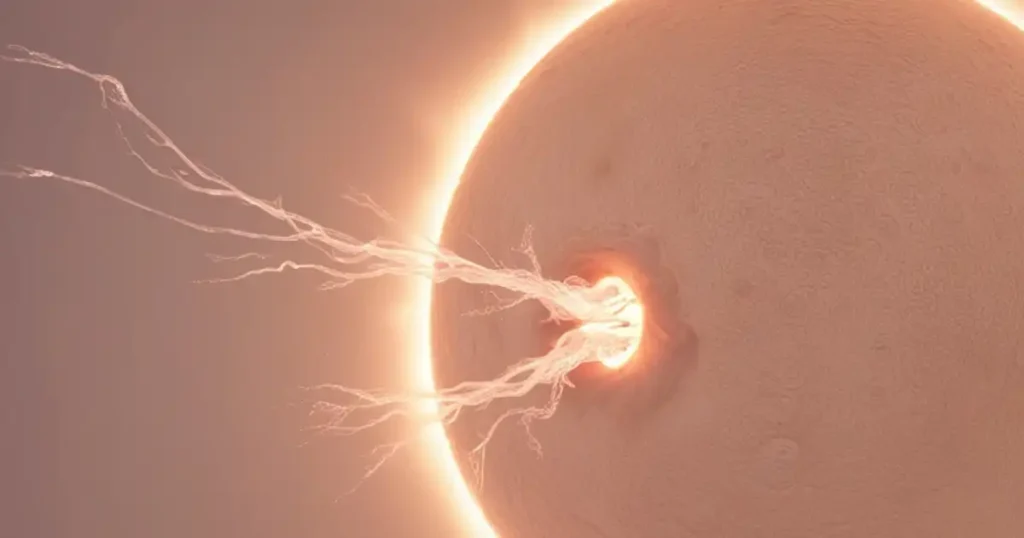
Sperm can reach the fallopian tubes within hours. If an egg is there, conception happens within about a day of ovulation. If the egg is not there yet, sperm wait.
The fertilized egg then travels for several days. It reaches the womb and attaches to the lining. That step is called implantation. It often happens about 6 to 12 days after ovulation.
Only after implantation does the pregnancy hormone hCG start to rise. That is why a test taken too early can be negative. Most tests work best from the day of a missed period.
So conception and implantation are not the same day. Mixing them up leads to a lot of confusion.
Best Timing If You Are Trying to Conceive
If you want a pregnancy, the fertile window is your friend. Doctors often suggest sex every day or every other day during the window. Do not aim for one perfect day.
| Common Mistake | Better Approach |
|---|---|
| Waiting for the positive strip to start | Begin a few days earlier |
| Trying once in the window | Aim for every day or every other day |
| Counting on day 14 | Use signs and strips together |
| Treating it like a chore | Keep it light and spread the days out |
I learned that stress about timing can drain the fun fast. Plan loosely. A relaxed rhythm beats a strict schedule.
Does Daily Sex Lower Your Chances?
For most couples, no. Daily sex in the fertile window is fine. For men with a low sperm count, every other day may work better. If you have a known sperm issue, ask your doctor.
Small Things That Help or Hurt
Some common lubricants can slow sperm. Fertility friendly options exist. Smoking and heavy drinking can lower fertility for both partners. A daily folic acid, often 400 micrograms, is a common pre-pregnancy tip. Ask your doctor what fits you.
How to Spot Your Fertile Days Without Guessing
A few signs beat any calendar. Fertile mucus is clear and slippery, like raw egg white. A positive ovulation strip shows the LH surge. Temperature rises after ovulation, which confirms it later.
The surge can be short. If you test once a day, you can miss it. Some brands suggest testing twice a day as your window nears. Follow your leaflet.
Use more than one sign. If strips and mucus agree, you can trust the picture more. If they clash, give it a day or two.
Signs the Window Has Closed
After ovulation, your temperature stays higher for several days. Fertile mucus dries up. A strip that was positive turns negative again. Some people feel breast soreness or a heavier feeling in the pelvis.
None of these proves the window is closed. But when two or three line up, you can feel more sure.
For people with irregular cycles or long waits, a doctor can track follicles with ultrasound. That shows when the egg is truly ready.
If You Are Avoiding Pregnancy, Are Days Outside Ovulation Safe?
Not reliably. The days after ovulation are low risk, but you rarely know when ovulation happened. Days before ovulation are risky because sperm can wait. So “safe days” are guesses.
If you are unsure about your timing, a condom on every act closes the gap and lowers STI risk too. If you want to avoid pregnancy, use a method that works all month. Condoms, an IUD, the implant, and the pill are common choices. Each has its own trade offs.
If you had unprotected sex, act quickly. Emergency contraception works best when taken soon after. A pharmacist or doctor can tell you which option fits you.
How to Handle the Wait After Your Fertile Window
Once the window closes, the wait begins. It can feel long. Every twinge feels like a sign. That is normal, and it is hard.
Set a test date and stick to it. Testing every day often adds stress. Keep busy with plans that have nothing to do with fertility. Talk to a friend or your partner about how you feel.
If sadness lingers or stops you from daily life, reach out to a counselor or your doctor. Support is part of the plan.
Myths About Getting Pregnant Outside Ovulation Day
A lot of confident advice online is wrong. Here is how common ideas compare with the facts.
| Myth | Reality |
|---|---|
| Pregnancy only happens on ovulation day | Sperm can wait up to five days |
| You cannot get pregnant on your period | It is rare but possible with short cycles |
| Ovulation always lands on day 14 | The day varies from month to month |
| A negative strip means no ovulation | The surge can be short and missed |
| Sex after ovulation can still cause pregnancy | Only within about a day |
If a post sounds too sure, check it with a doctor or a trusted health site.
When Should You See a Doctor?
Some timelines call for a check. Do not wait if any of these fit you.
- Trying for 12 months if under 35, or 6 months if 35 or older
- No period for three months when you are not pregnant
- Cycles shorter than 21 days or longer than 35 days
- Very painful periods or heavy bleeding
Guidelines vary by clinic. Ask your own doctor what fits you. Early answers save time and worry.
Bring your notes to the visit. Period dates, strip results, and mucus or temperature charts give your doctor real data. Even three months of notes can help a lot.
Quick Answers About Getting Pregnant Out of Ovulation
Here are short answers to the questions people ask most.
Can you get pregnant out of ovulation naturally?
Yes, if you mean sex before ovulation day. No, if you mean a cycle with no egg.
Can you get pregnant three days before ovulation?
It is possible. Sperm can live up to five days and wait for the egg.
How long does an egg live after ovulation?
About 12 to 24 hours. After that, it can no longer be fertilized.
Can you get pregnant a week before ovulation?
Very unlikely. Sperm rarely live longer than five days, even in fertile mucus.
Can you get pregnant two days after ovulation?
Very unlikely. The egg lives about a day. If you are sure of the timing, the window has closed.
Can you get pregnant right after your period ends?
It can happen, mostly with short cycles. Ovulation may come soon after the bleeding stops.
Can you get pregnant with irregular periods?
Yes. The timing is just harder to predict, so tracking and early advice help.
Final Thoughts
The biggest lesson I learned is that ovulation day is not the whole story. Sperm can wait for days, and the egg lasts about a day. So the best days come before the egg shows up. Calendar dates are guesses, and your own signs are better. And no, a cycle without an egg does not lead to a natural pregnancy.
If you still wonder, can you get pregnant out of ovulation, think in windows, not single days. If you want a baby, start earlier than you think. If you want to avoid pregnancy, do not lean on safe days. Ask a doctor if cycles feel off. Take it one cycle at a time and be patient with yourself.