If you are asking, “will a Plan B work during ovulation week?”, you are probably standing in a pharmacy aisle or staring at your phone with your heart racing. I get it. This is the exact week when pregnancy is most likely, and the stakes feel high. You want a yes or no, and you want it fast.
The honest answer is “sometimes yes, sometimes no, and the difference comes down to timing.” When I went through the research, one thing surprised me. The calendar week matters less than one small hormone event. In this guide, I will explain what that event is, what studies found, which options may work better, and what to do in the first 24 hours. This is general education, not personal medical advice. Please confirm details with a pharmacist or clinician.
Will a Plan B Work During Ovulation Week? The Honest Answer
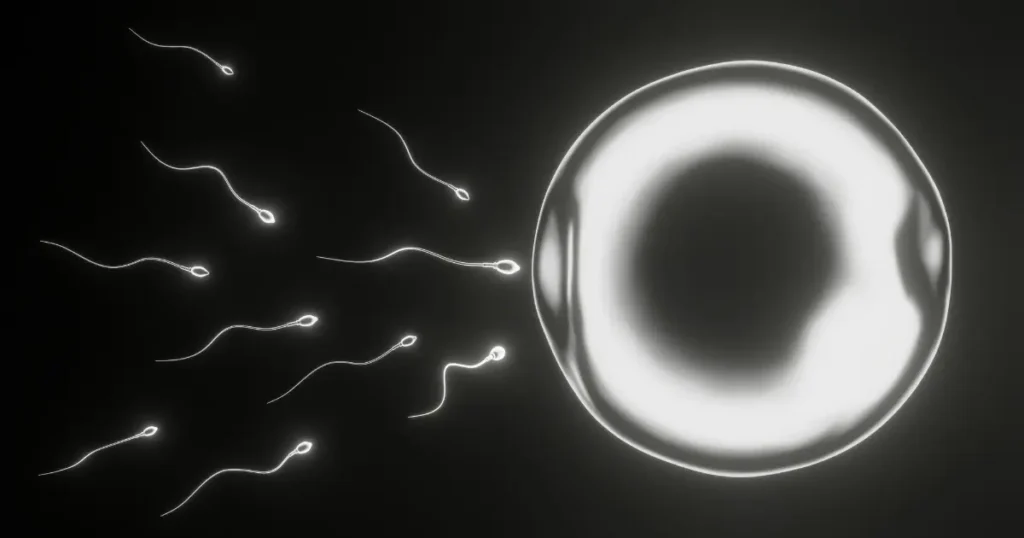
Here is the plain version. Plan B can work during ovulation week, but only if you take it before your body releases the egg. After the egg is out, the evidence suggests it does little to prevent pregnancy.
I’m not certain exactly where you are in your cycle, and neither is anyone else without testing. That is the real problem. Ovulation week is full of guesswork.
Why ovulation week is not one risk level
People talk about “ovulation week” as if it is a single block. It is not. The days inside it behave very differently.
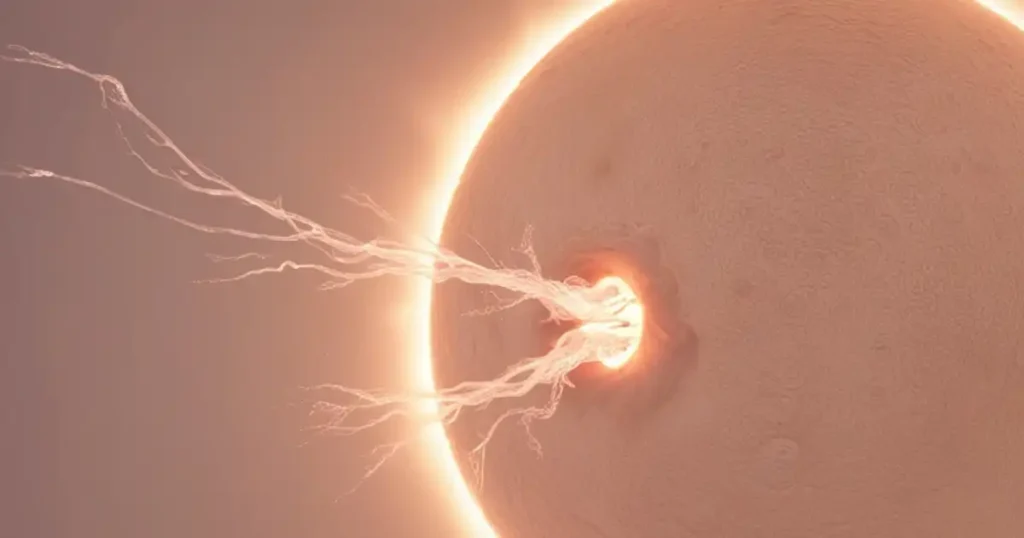
Your fertile window covers about six days. It includes the five days before ovulation and the day of ovulation itself. Sperm can live up to five days, while the egg survives about a day. So sex on day five before ovulation and sex on ovulation day are very different situations for Plan B.
| Where you are in ovulation week | How Plan B is likely to perform |
|---|---|
| Sex five to two days before ovulation, pill taken promptly | Best chance of working, since ovulation can still be delayed |
| Sex the day before ovulation | Less certain, because the hormone surge may be close |
| Sex on ovulation day | Unreliable, since the egg may already be released |
| Sex after ovulation | Little to no expected benefit from the pill |
What the Studies Found About Plan B Near Ovulation
Most people repeat the same vague line online: “Plan B works best before ovulation.” That is true, but it hides how much the data differ. A few small studies tracked ovulation closely and then followed pregnancy outcomes.
I want to be careful here. These studies are small, and I’m describing them from the abstracts I read. Verify the numbers against the original papers before you rely on them.
Women who took it before ovulation
Noé and colleagues published a study in the journal Contraception in 2011. They tracked 103 women who took levonorgestrel emergency contraception in the five days before ovulation. Based on the timing of sex, researchers expected about 16 pregnancies. None occurred.
That is a striking result. It suggests Plan B can work very well when ovulation has not yet happened. It does not prove it is perfect, because the group was small.
Women who took it on ovulation day or later
The same study looked at 45 women who took the pill on ovulation day or afterward. About 8.7 pregnancies were expected, and 8 occurred. In other words, the pill showed no clear protective effect in that group.
An earlier pilot study by Novikova and colleagues, published in 2007, pointed the same way. Three of 99 women became pregnant despite taking the pill. All three had sex around the day before or day of ovulation and took the pill two days after ovulation.
Why these studies come with limits
Pinpointing ovulation is hard. The 2007 study estimated ovulation within about 24 hours, with roughly 80% accuracy, as I understand it. Small errors can change which group a person lands in.
Both studies were also small. So treat them as strong clues, not final proof. Researchers still debate some details of how levonorgestrel works. But the clinical data above point to timing as the key factor.
The LH Surge Matters More Than the Calendar
I used to think “ovulation week” was about counting days. Then I learned that the body decides, not the calendar. A burst of luteinizing hormone, called the LH surge, tells the follicle to release the egg.
Ovulation usually follows the start of that surge by about one to two days. Plan B appears to work by interfering with this process. Once the surge is underway, the pill has little left to interrupt.
Why you probably cannot tell which day you are on
Most people do not know their LH surge timing, and cycles shift. Stress, travel, illness, and poor sleep can all move ovulation. So a day-14 guess can easily be wrong by several days.
That uncertainty is the whole reason to act early. If you wait to figure it out, you may lose the window. These clues can help, though none is perfect.
| Clue | What it may tell you |
|---|---|
| Clear, stretchy, egg-white mucus | You are likely near your most fertile days |
| Positive ovulation test | LH surge has started, and ovulation may follow soon |
| One-sided pelvic twinge | Possible ovulation timing, but not a reliable sign |
| Temperature rise | Ovulation probably already happened |
Plan B vs Ella vs Copper IUD During Ovulation Week
If your sex happened in your fertile window, Plan B may not be your best pick. Two other options deserve a look. Both have wider windows, and one works differently.
Ella contains ulipristal. It is labeled for use up to 120 hours after sex, while Plan B is labeled for up to 72 hours. One review I read reported that ulipristal delayed ovulation in about 79% of cycles even after the LH surge had started, while levonorgestrel did so in only about 14%. I’m not fully sure of those exact figures, so please verify them.
The copper IUD is a different kind of option
A copper IUD does not depend on stopping ovulation. As far as I know, it works mainly by making the uterus and tubes hostile to sperm and eggs. That is why it is widely described as the most effective emergency option, even close to ovulation.
The tradeoff is access. You need a clinic visit, and the insertion can be uncomfortable. But it can also give you ongoing contraception for years, if you want that.
| Situation | Option to ask about |
|---|---|
| Sex within 72 hours, early in the fertile window | Plan B can be reasonable, and sooner is better |
| Positive ovulation test or peak mucus | Ask about ella or a copper IUD |
| Three to five days have passed | Ella or a copper IUD, since Plan B is labeled for 72 hours |
| Higher body weight | Ask a clinician about ella or a copper IUD |
| Wants ongoing contraception too | Ask about a copper IUD or another regular method |
Ella may need a prescription depending on where you live, and rules change. Check with a local pharmacist. If you take ella, guidance I have read says to wait about five days before starting hormonal birth control. Confirm this with a clinician.
How to Estimate Where You Are in Ovulation Week
You cannot know your exact day without testing. But you can narrow the guess. A better guess helps you pick the right option and decide how fast to move.
Start with what you know. Count from the first day of your last period. Then add what you have noticed in past cycles, such as when your mucus usually changes.
Using an ovulation test the right way
Ovulation tests detect the LH rise in urine. A positive result means the surge has started. Ovulation often follows within about a day or two, though this varies by person.
If you have a test at home, use it right away. A positive result in this situation is useful information, even if it feels scary. It tells you that levonorgestrel is less likely to help, so you may want to ask about ella or a copper IUD.
A negative test is less clear. You may have tested too early or too late in the day. Or the surge may be brief and easy to miss. So a negative result does not prove you are safe.
Why irregular cycles make this harder
If your cycle length changes a lot, “ovulation week” is a moving target. Someone with a 35-day cycle may ovulate on day 21, not day 14. Someone with a very irregular cycle may not know at all.
In that case, treat any unprotected sex in the middle of your cycle as possibly fertile. Do not rely on a calendar guess. Act early, and ask about the more reliable options.
Special Situations That Change the Picture
Real life is messier than a diagram. People take emergency contraception after a missed pill, after several acts of sex, or after a condom slips. Each case adds a small twist worth knowing about.
I’m not a doctor, and I cannot judge your case. But these points often come up, and they are worth raising with a pharmacist or clinician.
Sex more than once during the week
If you had unprotected sex on several days, Plan B only covers the earlier ones before you took it. Any act after the pill falls outside its protection. This matters a lot in ovulation week, when each day can carry real risk.
A copper IUD can be useful here, since it keeps working after insertion. But insertion works as emergency contraception only within a limited window after the first act. Ask a clinician how that applies to you.
A missed birth control pill or a patch problem
Sometimes people reach for Plan B after missing regular pills. Whether it is needed depends on which pills you missed and where you are in the pack. Packaging instructions and clinicians use specific rules for this.
If you missed pills near ovulation, the risk can be higher. I would not guess here. Call a pharmacist and describe exactly what happened.
When a condom broke and you are not sure about timing
This is the classic case. You do not know where you are in your cycle, and the condom slipped. Treat it as a possible fertile day and move quickly.
The cost of acting is small. The cost of guessing wrong is large. If you can reach a pharmacy or clinic within 72 hours, it is worth the trip.
Mistakes People Make in Ovulation Week
These mistakes are easy to make, because the information is scattered and the situation is stressful. I have seen the same patterns in the questions readers ask. Most come from guessing.
The most common one is waiting. People hope the problem will fix itself, or they delay while they decide what to do. In ovulation week, a day can change the outcome.
Why guessing hurts
Another mistake is trusting an app. Cycle apps estimate your fertile window from past averages. They cannot see your hormones, so they can be off by days.
People also assume “I’m at the end of my fertile days, so I’m fine.” That is risky. Ovulation can come late, and sperm can wait for it.
| Mistake | Better approach |
|---|---|
| Waiting to see if it is “really” ovulation week | Act as soon as you can, since timing is the key factor |
| Trusting an app’s predicted ovulation day | Use ovulation tests and body signs for a better read |
| Assuming Plan B is the only choice | Ask about ella or a copper IUD |
| Skipping backup protection afterward | Use condoms until your next period |
| Testing a few days later and relaxing | Test about three weeks after sex |
Does Plan B Protect You for the Rest of the Week?
No, and this is the part that trips people up. Plan B covers the unprotected sex that happened before you took it. It is not a shield for the days that follow.
Here is the catch. If the pill delays ovulation, your fertile days may move later. Then unprotected sex after the pill can land right in the new window. That could be worse than before.
How a delay can backfire in ovulation week
Imagine you take Plan B on day 12 and it delays ovulation by several days. If you have unprotected sex on day 15, you may be in your fertile window. The pill gave you no cover for that.
So the safest plan is simple. Use condoms or another barrier method until your next period. Plan B also does not protect against sexually transmitted infections, so a barrier helps there too.
| Myth | Reality |
|---|---|
| Plan B always works if I take it the same day | Timing relative to ovulation matters more than the hour |
| Plan B works at any time in the cycle | Evidence suggests it does little after ovulation |
| One dose covers me all week | It only covers the earlier act of sex |
| A later period means Plan B failed | Plan B can shift your period without pregnancy |
What Happens to Your Cycle After Plan B in Ovulation Week
Plan B can change your next period. It may come a few days early or a few days late. Most sources say the shift is usually within about one week either way.
Light spotting after the pill is also common. It can look like an early period, but it may not be your true one. Wait for a full flow before you call it a period.
When to take a pregnancy test
Most guidance agrees on two rules. Test about three weeks after the unprotected sex, or test when your period is more than a week late. Testing too early can give a negative result that means nothing.
If the first test is negative and your period still has not come a week later, test again. A clinic can also run a blood test if you want certainty.
Warning signs that need care
Please seek care quickly for severe lower abdominal pain, one-sided pain, dizziness, or fainting. These can point to an ectopic pregnancy. This is rare, but it is an emergency. Very heavy bleeding, such as soaking a pad every hour, also needs urgent help.
| What you notice | What to do next |
|---|---|
| Light spotting in the first days | Keep watching, and wait for a full period |
| Period a few days off | Usually fine, but track it |
| Period more than a week late | Take a pregnancy test |
| Severe or one-sided pain | Get medical care right away |
What to Do in the First 24 Hours
When you are anxious, a short plan helps. I would rather give you a few clear steps than a long lecture. Here is a simple order.
- Take emergency contraception as soon as you can, or ask a pharmacist about ella.
- Tell the pharmacist about your medicines, your weight if relevant, and how many days it has been.
- If you are within five days and want the most effective option, ask about a copper IUD.
- Use condoms until your next period.
- Mark a date about three weeks out to take a pregnancy test.
Things that may lower Plan B’s reliability
A few factors may change how well levonorgestrel works. Some seizure medicines, rifampin, and St. John’s wort are often mentioned as possible problems. Vomiting soon after the pill may also matter, and labels often advise checking with a provider if that happens within about two hours.
I’m not certain how large each effect is. Treat this as a list of questions for a pharmacist, and verify against the label on your box.
Quick Answers About Plan B and Ovulation Week
These short answers are written for fast reading on a phone. The sections above give the full picture. Each one reflects the same core idea: timing is everything.
Will a Plan B work if I’m ovulating today?
It is unlikely to be reliable. If the egg is already released or about to be, the pill has very little left to stop. Ask about ella or a copper IUD.
Can I get pregnant even after taking Plan B during ovulation week?
Yes. No emergency method is perfect, and Plan B is least reliable near or after ovulation. A follow-up test at the right time is important.
How soon should I take Plan B in ovulation week?
As soon as possible. The earlier you take it, the more likely it acts before the LH surge. Do not wait to see how you feel.
Does Plan B work if I have sex again later in the week?
No. It only covers earlier sex. Use condoms or another method for any sex after you take the pill.
Is a copper IUD better than Plan B near ovulation?
It is widely described as more effective, because it does not rely on delaying ovulation. It needs a clinic visit, so call early.
Final Thoughts
So, will a Plan B work during ovulation week? It can, especially if you take it early and before the LH surge. It becomes much less reliable once ovulation is close or has passed. The studies I reviewed show that pattern, even though they are small.
My honest opinion is to act fast and ask about alternatives. If you are deep into ovulation week, ella or a copper IUD may be a smarter choice. Use backup protection, test at the right time, and see a clinician if anything feels wrong. Please verify any figure here against a current primary source, because guidance can change.