If you are asking whether morning after pills work during ovulation, you are probably in a hurry. Maybe a condom slipped. Maybe you skipped a pill. Now you are staring at a pharmacy shelf or a screen, and every minute feels expensive.
Here is the part most websites skip. “Morning after pill” is not one product. It is a group of pills that act in different ways, and ovulation changes how each one performs. In this guide, I will go through the pill types one by one, explain where each one falls short, clear up the abortion pill confusion, and give you clear next steps. This is general education, not personal medical advice. Please confirm details with a pharmacist or clinician.
Do Morning After Pills Work During Ovulation? A Pill-by-Pill Answer
The short answer is “it depends on the pill and on how far your ovulation has progressed.” Before the hormone surge that triggers ovulation, most morning after pills can help. Once ovulation is underway, the picture changes fast.
I think the clearest way to explain this is to split the pills into types. The label on the box tells you which type you have.
What counts as a morning after pill
In the United States, three methods are generally described as emergency contraceptive pills. These are levonorgestrel, ulipristal acetate, and an older combined estrogen and progestin method. Brand names like Plan B One-Step and ella point to the first two.
Despite the name, you do not need to take them the “morning after.” They can be used up to a few days later, though they work better the sooner you take them. The table below shows how each type behaves around ovulation.
| Pill type | Behavior around ovulation |
|---|---|
| Levonorgestrel (Plan B, Take Action, generics) | Can delay ovulation before the LH surge, but not once it starts |
| Ulipristal acetate (ella) | Can still delay ovulation after the surge starts, but not after the egg is released |
| Combined estrogen and progestin | Older method, and described as ineffective once LH has begun to rise |
Why Ovulation Timing Decides the Outcome
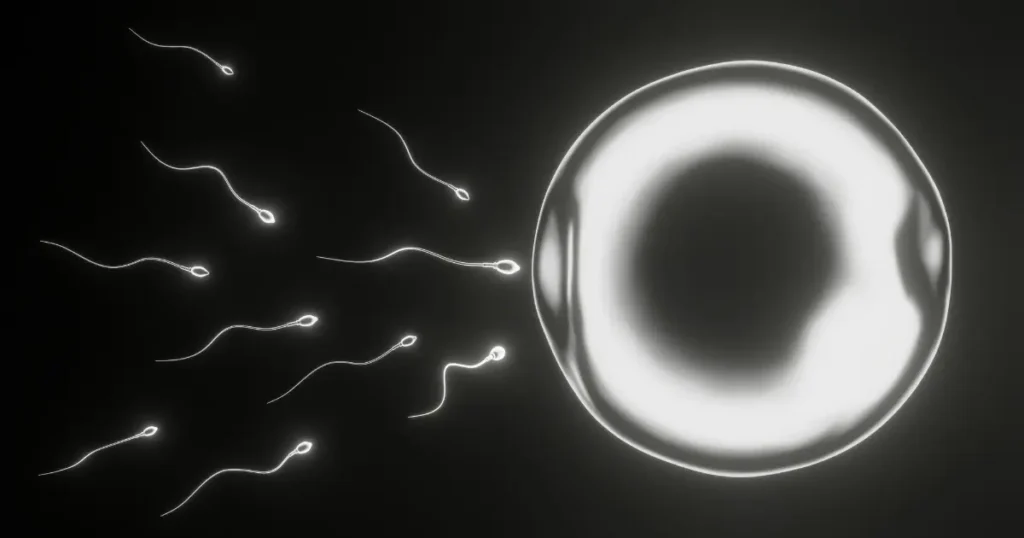
Every morning after pill I looked at works mainly by delaying ovulation. That is the shared idea. So the question becomes whether ovulation can still be delayed when you take the pill.
If the egg is not ready yet, there is room to buy time. If the egg is already on its way, there is nothing left to delay. This is the core logic behind every answer in this article.
The LH surge, in plain words
Your brain sends a burst of luteinizing hormone, called the LH surge, to trigger ovulation. The egg usually releases about a day or two later. Levonorgestrel appears to work only if you take it before that burst begins.
Ulipristal acts a bit differently. A clinical guideline I read says it can delay ovulation even after the surge has started. But it is not expected to work after ovulation has already happened.
What studies say near ovulation
A 2011 study in the journal Contraception, by Noé and colleagues, tracked ovulation closely. Among 103 women who took levonorgestrel before ovulation, about 16 pregnancies were expected and none occurred. Among 45 women who took it on ovulation day or later, about 8.7 were expected and 8 occurred.
Those numbers come from abstracts I read, and the study was small. Please verify them against the original paper. They fit a pattern that clinical guidance repeats, which is that timing matters most.
Levonorgestrel Pills: Plan B, Take Action, and Generic Versions
Levonorgestrel is the pill most people mean when they say “morning after pill.” In the US, it is sold over the counter, and sources I read say it is available without ID or age limits. Rules differ by country, so check what applies where you live.
It comes as a single 1.5 mg tablet in most products. It works best when taken as soon as possible. The label window is 72 hours.
Are brand names really different?
Not in the way people fear. Plan B One-Step and many generics contain the same active ingredient at the same dose. The main difference is usually price and packaging.
So do not delay because the brand you know is out of stock. A pharmacist can point you to an equivalent. Delay costs more than a brand name saves.
Who may get less benefit
Levonorgestrel may work less well for some people. Body weight is the one I see mentioned most. One source I read cites research suggesting reduced effectiveness above about 165 pounds or a body mass index over 25. I’m not certain how big the effect is, so ask a pharmacist.
Certain medicines can also reduce its effect. Some seizure medicines, rifampin, and St. John’s wort are often listed. Always tell the pharmacist what you take.
Ella (Ulipristal): The Pill That Handles Late Timing Better
Ella contains ulipristal acetate. It is a different kind of drug, called a selective progesterone receptor modulator. That is a fancy way of saying it blocks progesterone’s action.
Its main advantages are a longer window and better performance near ovulation. It can be taken up to five days after unprotected sex. One clinical guideline I read gives its overall pregnancy rate as roughly 1% to 2%.
Getting ella quickly
In the US, ulipristal needs a prescription. Some telehealth services say they can prescribe it within hours. In some other countries, it is sold at pharmacies without a prescription. Rules change, so check locally.
Ella and regular birth control
If you plan to start hormonal birth control after ella, guidance I read says to wait about five days. Hormonal methods may interfere with how ella works. A clinician can tell you the right plan for your method.
| Feature | Levonorgestrel | Ulipristal (ella) |
|---|---|---|
| Time window | Labeled for 72 hours | Up to 120 hours |
| US access | Over the counter | Prescription |
| After the LH surge starts | Not expected to help | May still delay ovulation |
| Higher body weight | May be less effective | May do better, but verify |
Are Morning After Pills the Same as Abortion Pills?
No, and this confusion causes real worry. Several medical sources I read say clearly that morning after pills do not end an implanted pregnancy. They work mainly by delaying or preventing ovulation.
The abortion pill is a different medicine, usually mifepristone, taken to end an established early pregnancy. If you are already pregnant when you take a morning after pill, the sources I read say it does not work and does not end the pregnancy.
Myths worth clearing up
The mix-up with abortion pills is only one myth. Here are a few I see often, with what the evidence says.
| Myth | Reality |
|---|---|
| Morning after pills are abortion pills | They prevent pregnancy and do not end an implanted one |
| They are 100% effective | No emergency method is perfect |
| They work the same at any point in the cycle | Timing near ovulation changes how well they work |
| You must take one the very next morning | They can be used for several days, but sooner is better |
| One dose ruins future fertility | I found no strong evidence of that |
What to Do If You Think You Are Ovulating Right Now
When you are in the middle of ovulation, speed and choice both matter. A simple plan helps you act instead of freeze. Here is the order I would follow.
- Note how many hours it has been since sex.
- Check for signs of ovulation, such as a positive ovulation test or clear, stretchy mucus.
- Call a pharmacy or clinic and describe those details.
- Ask about ella and the copper IUD, not only about levonorgestrel.
- Plan your backup protection for the rest of the cycle.
Why the copper IUD deserves a mention
Clinical guidance I read describes the copper IUD as the most effective emergency option. It is also described as the only one that still works after ovulation. A clinician must insert it, and it is generally used within five days of unprotected sex. It is not right for everyone, so a clinician checks first.
| Scenario | What to ask about |
|---|---|
| Positive ovulation test or peak mucus | Ella or a copper IUD |
| More than 72 hours since sex | Ella or a copper IUD |
| No sign of ovulation, and it has been under 24 hours | Levonorgestrel can be reasonable, taken right away |
| Higher body weight | Ella or a copper IUD, and ask a clinician |
| You also want ongoing contraception | A copper IUD or another regular method |
Do You Need a Morning After Pill At All?
This sounds like a strange question, but it is a fair one. Not every slip needs emergency contraception. The answer depends on your method, your timing, and what happened.
I’m not a doctor, so I cannot judge your case. But understanding the logic helps you ask better questions. A pharmacist or clinician can fill in the rest.
Situations where the answer is less clear
If you use a reliable method and it failed in an obvious way, such as a broken condom, emergency contraception is commonly considered. If you missed a few pills in a row, the details of the pack matter. Packaging instructions and clinicians use specific rules for that.
If you are sure you ovulated several days ago, the pill is not expected to help, and the risk from new sex is already low. But “sure” is a big word. Most people cannot confirm ovulation without tests, so many clinicians lean toward caution.
The cost of asking is small
A short call to a pharmacy costs nothing. A pill costs a modest amount, and a copper IUD costs more but lasts for years. Compare that with the stress of an unplanned pregnancy you did not want.
So when you are unsure, ask. You can always decide not to buy anything after you hear the options.
Side Effects and Cycle Changes After a Morning After Pill
Most people feel fine after a morning after pill. Some notice mild side effects. Common ones include nausea, headache, tiredness, dizziness, breast tenderness, and cramps.
Your next period may also change. It can come earlier or later, and the flow may be lighter or heavier. Most sources say it usually arrives within about a week of when you expect it.
| What you notice | What it usually means |
|---|---|
| Light spotting in the first days | A short hormone reaction, often temporary |
| Period a few days early or late | Ovulation timing shifted |
| Heavier or lighter flow | A common one-time change |
| Nausea or headache | A temporary side effect, which usually fades |
| Vomiting soon after the pill | The dose may not have absorbed, so call a provider |
When to take a pregnancy test
Most guidance agrees on two timing rules. Test about three weeks after unprotected sex, or when your period is more than a week late. Testing earlier can give a false negative.
If the first test is negative and your period still does not come, test again after a few days. A clinic can run a blood test if you want certainty.
Warning signs that need care
Please seek care quickly for severe lower belly pain, one-sided pain, dizziness, or fainting. These can point to an ectopic pregnancy, which is rare but serious. Very heavy bleeding also needs urgent help.
What a Pharmacist Will Ask You, and Why
Many people skip the pharmacist because they feel embarrassed. I understand that. But a pharmacist can quickly tell you which pill fits your situation, and they hear these questions every day.
Expect a few direct questions. They are not judging you. Each answer changes the advice.
The questions that matter most
They may ask how many hours have passed since sex. That decides whether levonorgestrel is still within its labeled window. They may also ask where you are in your cycle, since ovulation timing changes which pill makes sense.
They may ask about your medicines and your weight too. Both can affect how well levonorgestrel works. If you have a copper IUD or hormonal method already in place, mention that. It helps them judge whether you need emergency contraception at all.
How to prepare in one minute
Write down the date and time of sex, the first day of your last period, and the medicines you take. If you can, note any ovulation test result. That small note saves time and gives you a better answer.
Buying Morning After Pills Safely
Speed matters, but so does safety. A few simple checks protect you from wasted money and bad products. I would not skip them, even when you are stressed.
First, buy from a licensed pharmacy or a trusted store. Check the expiry date on the box before you pay. Look for sealed packaging, and read the label for the active ingredient and dose.
Online orders and unverified sellers
Ordering online can feel private and easy. But delivery takes time, and an unverified seller may sell fake or expired products. I would be careful with any site that does not clearly show a pharmacy license.
If you want ella, a telehealth service may be the faster legitimate route in places where it needs a prescription. Check that the service is real and that a licensed clinician reviews your case.
Storage matters a little
Keep the pill at normal room temperature, away from heat and moisture. A box that sat in a hot car for weeks may not be reliable. When in doubt, ask the pharmacist.
How Morning After Pills Differ From Regular Birth Control
It helps to know what an emergency pill is not. It is not a daily pill, and it does not protect you for the rest of your cycle. It also does nothing against sexually transmitted infections.
Regular methods work before sex and keep working afterward. Emergency pills only act after one unprotected moment. That is why they are less effective than methods like the pill, the ring, or an IUD.
Why this matters during ovulation
Near ovulation, the gap between “works well” and “works poorly” gets wide. A regular method that is already in place avoids that gamble. This is one reason clinicians suggest moving to an ongoing method soon after emergency contraception.
If your cycle is unpredictable, the case for regular contraception gets even stronger. You cannot time what you cannot see. A clinician can help you pick a method that matches your life.
Mistakes That Lower Your Chances
I noticed the same slip-ups in how people talk about emergency contraception. Most come from stress, not carelessness. A few simple fixes make a real difference.
| Mistake | Better approach |
|---|---|
| Waiting a day or two to decide | Act as soon as possible |
| Assuming all pills work the same near ovulation | Ask whether ella or a copper IUD fits better |
| Skipping backup protection afterward | Use condoms until your next period |
| Testing within a few days | Test about three weeks after sex |
| Starting hormonal birth control with no plan | Ask a clinician about timing and backup |
Can You Use Morning After Pills More Than Once?
Many people worry about this, especially after a second slip. The pills are meant for occasional use, not as a regular method. They are less effective than regular birth control.
I did not find strong evidence that an occasional repeat dose is dangerous for most healthy people. But repeated use can make your cycle hard to predict. It is also a costly and unreliable way to prevent pregnancy.
Why a regular method is a better fit
If you find yourself reaching for emergency pills often, a regular method is safer and more reliable. A clinician can talk through options such as the pill, a patch, a ring, an injection, or an IUD. The best choice depends on your health and your goals.
Quick Answers About Morning After Pills and Ovulation
These short answers are written for fast reading on a phone. They match the longer sections above.
Do morning after pills work during ovulation?
Sometimes, but not reliably. Levonorgestrel is not expected to help once the LH surge starts. Ella may still help in the middle stage, and a copper IUD may work even after ovulation.
Do morning after pills work if I already ovulated?
Pills are not expected to work in that case. They act mainly by delaying ovulation. A copper IUD is described as the only emergency option that still works after ovulation.
Is ella better than Plan B near ovulation?
Based on guidance I read, ella tends to do better close to ovulation. It can delay ovulation after the LH surge starts. Ask a clinician which fits you, since access and weight can matter.
Will a morning after pill hurt an existing pregnancy?
Sources I read say it does not end an existing pregnancy. It is not the same as the abortion pill. If you are unsure whether you are pregnant, a test and a clinician can help.
How soon should I take it?
As soon as you can. Each day narrows your options. Call a pharmacy or clinic today if you are unsure which pill to choose.
Final Thoughts
So, do morning after pills work during ovulation? Sometimes, if you take one early and before the LH surge. Once ovulation is close or has passed, levonorgestrel becomes much less reliable. Ella can help in the middle stage, and a copper IUD stands out as the strongest choice.
My honest advice is to act fast and ask about every option, not only the pill on the shelf. Use backup protection afterward, test at the right time, and see a clinician if anything feels wrong. Please verify any figure here against a current primary source, because guidance can change.