Few questions cause more stress than this one: how many days does Plan B push back ovulation? You took emergency contraception, and now you want a clear number. Three days? Five? A full week? I wish I could give you one tidy answer. The honest answer is more layered, and that is why so many people end up confused.
When I first dug into the research, I assumed the delay was a fixed number of days. It is not. It depends on where you were in your cycle when you took the pill. In this guide, I will walk you through what studies show, how the delay connects to your next period, which mistakes to avoid, and when to take a pregnancy test. This is general education, not personal medical advice. Please check details with a pharmacist or clinician.
How Many Days Does Plan B Push Back Ovulation? The Short Answer
Here is the short version. In studies, a “successful” delay is usually defined as holding off egg release for at least five days. That is a research benchmark. It is not a promise for your body.
I’m not certain of an exact average delay, and I have not found a single figure I would trust. If you see a site claiming “exactly seven days,” be careful. Verify that claim against a primary source.
Why there is no single number
Plan B does not set a timer. It works on a moving target, which is your hormone signal for ovulation. That signal changes from cycle to cycle, even in the same person.
Stress, travel, illness, and sleep can all shift when you ovulate. So two people can take the same pill on the same cycle day and get different results. This table shows the general pattern.
| Where you were in your cycle | Likely effect on ovulation |
|---|---|
| Early cycle, well before ovulation | May slow follicle growth, so ovulation can come later |
| Days before ovulation, before the LH surge starts | Can delay egg release by about five days or more in some cycles, not all |
| After the LH surge has started | Little to no effect on ovulation |
| After ovulation already happened | No effect on that egg |
How Plan B Delays Ovulation Behind the Scenes
Plan B contains levonorgestrel. This is a synthetic progestin. It changes the hormone messages between your brain and your ovaries.
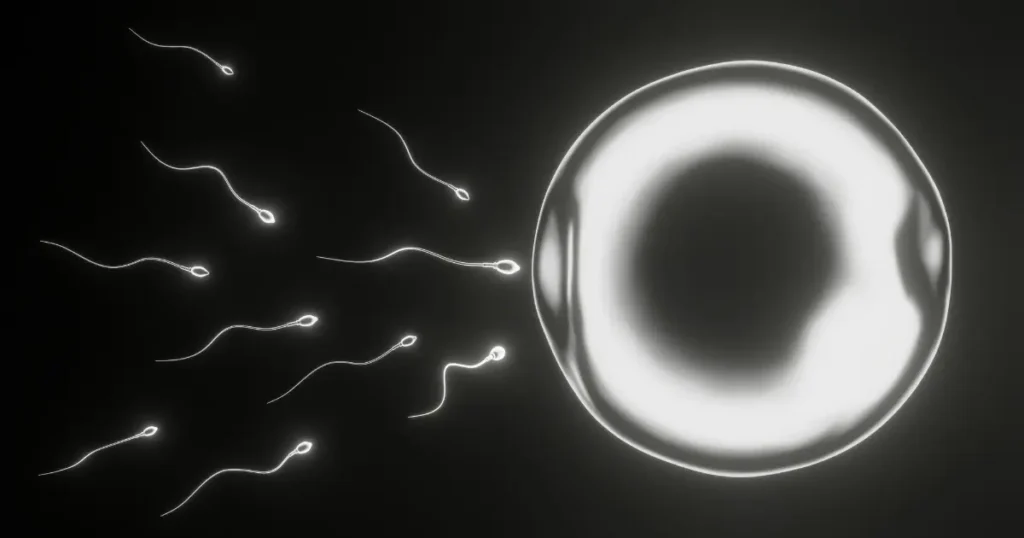
Each cycle, a follicle grows in the ovary. When it is mature, your brain sends a burst of luteinizing hormone, called the LH surge. That burst tells the follicle to release the egg. Plan B works best when it interrupts this chain early.
The LH surge is the deadline
Think of the LH surge like a starting gun. Once it fires, the race is on. Ovulation usually follows in about one to two days.
If you take Plan B before the surge begins, it may stop the gun from firing on time. If you take it after, it usually cannot stop the race. This is the single biggest reason timing matters so much.
What the research suggests
A 2013 pooled analysis by Brache and colleagues compared levonorgestrel with ulipristal (the pill sold as ella). As I understand it, levonorgestrel given after the LH surge had started delayed ovulation in only about 14% of cycles. Placebo did about 10%. That is a small gap.
A separate randomized study looked at people with obesity who took the standard 1.5 mg dose. About half had no follicle rupture for at least five days. Doubling the dose to 3 mg did not clearly improve results. These numbers come from small trials, so verify them against the original papers before you rely on them.
Why Plan B is not a guarantee
Emergency contraception lowers the chance of pregnancy. It does not erase it. Plan B is also less effective than regular birth control.
I think this is the part people miss. A delayed ovulation can still land inside the window when sperm are alive. Sperm can survive up to five days. Keep that fact in mind for the rest of this article.
What Happens If You Already Ovulated Before Taking Plan B
Plan B cannot pull back an egg that is already released. If you ovulated before you took the pill, the delay never applies. The egg is gone, and the pill has nothing to postpone.
This is not a reason to panic. It is a reason to understand timing. Plan B does not end an existing pregnancy either.
Why timing mattered more than the brand
People often blame the pill when pregnancy happens anyway. In many cases, the real issue was cycle timing. Sex close to ovulation is the highest-risk situation, and it is also when Plan B has the least room to work.
If you had sex in your fertile window, treat the pill as a partial safety net. Then follow up with a test at the right time. I will explain that timing below.
Plan B vs Ella vs Copper IUD: Which Delays Ovulation Better?
Plan B is not the only option. If you are within five days of unprotected sex, you may have better choices. This table compares the three main ones.
| Option | Time window | Main way it works |
|---|---|---|
| Plan B (levonorgestrel) | As soon as possible, labeled for up to 72 hours | Delays ovulation if taken before the LH surge |
| Ella (ulipristal) | Up to 120 hours | Delays ovulation, even closer to the LH surge |
| Copper IUD | Within five days | Mainly works against sperm, not by delaying ovulation |
Ulipristal appears to delay ovulation more reliably than levonorgestrel. One review I read reported ovulation delay in about 79% of cycles even after the LH surge began. I’m not fully certain of that figure, so please verify it.
Ella may need a prescription depending on where you live. Rules change, so check with a local pharmacist. The copper IUD is widely described as the most effective emergency option, but it needs a clinic visit.
Does Plan B Push Back Your Period Too?
Yes, it can. Many people notice their next period comes earlier or later than expected. Most sources say the shift is usually within about one week either way.
I want to be clear about one thing. A late period after Plan B does not automatically mean you are pregnant. It also does not mean the pill failed.
Why a delayed ovulation can mean a late period
Your period usually arrives about 12 to 14 days after ovulation. That second half of the cycle tends to stay fairly steady. So if ovulation moves back by four days, your period often moves back by about the same.
Plan B can also cause bleeding that looks like an early period. The hormone dose is large for a short time. When it drops, some people bleed. I’m not certain exactly why this happens in each person, so I will leave it as a common observation.
Spotting after Plan B
Light spotting in the days after the pill is common. It can be easy to mistake for your real period. This matters because people then skip the pregnancy test.
If the spotting is light and short, it may not be your true period. Wait for a full flow before you decide your cycle is back on track. Use this table to read the signs.
| What you notice | What it usually means |
|---|---|
| Light spotting within a few days | A short hormone reaction, often temporary |
| Period a few days early | Your cycle timing shifted |
| Period a few days late | Ovulation was likely pushed back |
| Heavier or lighter flow | A common one-time change that often settles |
| More than a week late | Time to take a pregnancy test |
Can You Still Get Pregnant After Plan B If Ovulation Is Delayed?
Yes. This is the question that worries people most, and it is fair. A delay in ovulation can protect you from the sperm already present. But it can also move the egg release into a later window.
Here is the trap. Plan B only covers the unprotected sex that happened before you took it. It does not act like ongoing birth control. If you have unprotected sex again the next day, the pill may not protect you.
How a delay can backfire
Say you took Plan B and your ovulation shifted by five days. If you then have unprotected sex during those new fertile days, pregnancy is possible. The pill may have delayed ovulation straight into your next encounter.
That is why “I already took Plan B” is not a safe plan for the rest of the cycle. Use a condom or another barrier method until your next period. This also protects against infections, which Plan B does not.
Starting regular birth control after Plan B
Many people ask when to start the pill or another method. If you took levonorgestrel, you can generally start hormonal birth control right away, with backup protection for the first seven days. If you took ulipristal, guidance I have read says to wait about five days before starting hormonal methods. Confirm this with a clinician, because the details depend on the method.
Here are a few common beliefs I want to clear up.
| Myth | Reality |
|---|---|
| Plan B always pushes ovulation back a full week | The delay varies, and it does not happen if the LH surge already started |
| If my period is late, I must be pregnant | Plan B can shift your period without pregnancy |
| Taking Plan B once ruins my fertility | There is no strong evidence that a single dose harms future fertility |
| I am safe for the rest of the cycle | Plan B is not ongoing contraception |
Mistakes People Make After Taking Plan B
I want to be fair here. These mistakes are easy to make, because the information online is scattered and often contradicts itself. Most of them come from guessing instead of checking.
The biggest one is trusting a calendar. Period apps predict ovulation from past cycles. After Plan B, your past cycles are no longer a good guide for a while.
The testing mistakes
Another common mistake is testing too early. A home pregnancy test cannot detect pregnancy until enough hCG builds up. Testing a few days after sex often gives a negative that means nothing.
Some people also panic when spotting appears and assume it is a period. Then they stop watching for the real one. Here is a quick fix list.
| Mistake | Better approach |
|---|---|
| Testing within days of sex | Test about three weeks after sex, or when your period is over a week late |
| Trusting an app’s ovulation prediction | Use ovulation tests or body signs for the next cycle |
| Treating spotting as a period | Wait for a full flow before counting it |
| Skipping backup contraception | Use condoms until your next period |
| Taking it late and hoping | Take it as soon as possible, or ask about ella or an IUD |
What Can Make Plan B Less Reliable
Plan B is not equally effective for everyone. A few factors can change how well it works. I’m not certain how big each effect is, so treat this as a list of things to ask a pharmacist about.
Body weight is one. Some guidance suggests levonorgestrel may work less well at higher body weights, and that ulipristal or a copper IUD may be better choices. Verify this with a clinician, because recommendations have shifted over time.
Medications and vomiting
Certain medicines can lower how well levonorgestrel works. Some seizure medicines, some antibiotics such as rifampin, and the herbal product St. John’s wort are commonly mentioned. Tell the pharmacist about everything you take.
Vomiting soon after the pill can also matter. The product label I am aware of advises checking with a healthcare provider if you vomit within about two hours. Please confirm this on the box you have.
Taking it later than you should
Time is the one factor you control. The sooner you take Plan B, the better the chance it acts before the LH surge. Waiting a day “to think about it” can shrink your window.
If you are past 72 hours, do not assume it is too late. Ella or a copper IUD may still work. Call a pharmacy or clinic and ask.
What Happens If You Take Plan B More Than Once in a Cycle
This situation is more common than people admit. A condom breaks twice, or a missed pill happens again. So readers ask whether a second dose pushes ovulation back even further.
I’m not aware of strong evidence that stacking doses gives a longer or safer delay. Plan B is designed for occasional use. Repeated doses can make your cycle harder to predict, and they do not replace a regular method.
Why repeated use is a weak strategy
Each dose gives you the same limited window of effect. If the LH surge has already started, the second pill has no more power than the first. You also face more spotting and more cycle confusion each time.
There is no strong sign that occasional repeated use is dangerous for most healthy people. But it is an expensive and unreliable way to prevent pregnancy. If you find yourself reaching for emergency contraception often, a regular method is a better fit. A clinician can talk through options such as the pill, a patch, an injection, or an IUD.
A quick real-world scenario
Picture someone with a 28-day cycle who has sex on day 11 and takes Plan B the next morning. They have not started their LH surge yet, so the pill may hold ovulation back several days. Their period might then arrive a few days late.
Now picture someone who has sex on day 13 and waits two days to take the pill. They may already be past the surge. In that case, the pill likely did little to ovulation, and the period may arrive on time. The same pill gave two very different outcomes, which is the whole point of this article.
How to Track Ovulation After Plan B
After Plan B, your usual cycle map is unreliable. You need real-time signals instead of predictions. This is where fertility tracking helps most.
Your next cycle may look normal again. But for the cycle right after the pill, I would not trust the usual day counts.
Why calendars and apps fall short
Apps guess your fertile window from average cycle length. Plan B can stretch that length by days. So the app may say you ovulate on day 14 while your body does it on day 19.
If you must use an app, treat its prediction as a rough hint. Pair it with body signs. Your cervical mucus, ovulation test results, and basal body temperature will tell you more.
Tools that work better
Each tracking method has strengths and limits. Here is how they compare after emergency contraception.
| Method | What it tells you | Limit after Plan B |
|---|---|---|
| Ovulation predictor kits (LH tests) | Shows when your LH surge starts | Hormone changes may confuse the first few days |
| Cervical mucus | Egg-white mucus signals a fertile window | Spotting and hormone shifts can make it hard to read |
| Basal body temperature | Confirms ovulation after it happens | Too late to prevent pregnancy, only useful for confirming |
When to Take a Pregnancy Test After Plan B
This is the part where I want to be as practical as possible. Most guidance agrees on two timing rules. Test about three weeks after the unprotected sex, or test when your period is more than a week late.
If your first test is negative and your period still has not arrived a week later, test again. Home tests are reliable when you use them at the right time. If you are unsure, a clinic can run a blood test.
Signs you should call a clinician
Please do not wait if you have severe lower abdominal pain, especially a few weeks after taking Plan B. Pain on one side, dizziness, or fainting can point to an ectopic pregnancy. This is rare, but it is an emergency.
Also call if bleeding is very heavy, such as soaking through a pad every hour. And call if your period has not returned within three weeks, even after negative tests. Other causes, such as thyroid problems or PCOS, may need a check.
Quick Answers About Plan B and Ovulation
Below are short answers to questions I see asked again and again. They are written for fast reading on your phone. Details above give the full picture.
Does Plan B delay ovulation by a week?
Sometimes, but not reliably. Studies measure a delay of at least five days in a share of cycles. The exact length varies from person to person.
Can I ovulate right after taking Plan B?
Yes, if you took it after your LH surge started. The pill has little effect at that point. You may ovulate on your normal schedule.
How long does it take for ovulation to return to normal?
For most people, the next full cycle looks closer to normal. I’m not certain of an exact timeline. Some people see one irregular cycle, and then things settle.
Can I get pregnant if I have sex after Plan B?
Yes. Plan B is not ongoing birth control. Use condoms or another reliable method until you have your next period.
Does Plan B work if I have already ovulated?
It is not expected to work in that situation. Plan B acts mainly by delaying ovulation, so it cannot stop an egg already released. This is why timing and a follow-up test matter.
Final Thoughts
So, how many days does Plan B push back ovulation? The best honest answer is “it depends, and sometimes not at all.” When it works as a delay, studies often look for five days or more. But the effect depends on whether you took it before the LH surge.
My advice is simple. Take emergency contraception as early as you can. Use backup protection afterward. Test at the right time. And do not trust an app’s predictions for the next cycle. If something feels off, a pharmacist or doctor can help you sort it out. Please verify any figure in this article against a current, primary source, because guidance can change.