I used to think emergency contraception worked like a simple off switch. You take the pill, and the egg is gone. Then I started reading the research. The real story is more interesting than that. It is also a little more stressful, because timing matters far more than most people realize.
So, does Plan B stop ovulation or delay it? In this guide, I walk through what the evidence says, why your cycle timing changes everything, and what it means for your fertile window afterward. I also point out where the science is still unclear. I would rather tell you “we don’t know” than hand you a tidy answer that isn’t true.
Does Plan B Stop Ovulation or Delay It? The Short Answer
Plan B mainly delays ovulation. It does not seem to cancel it for good. When it works, it pushes the release of the egg back by some time.
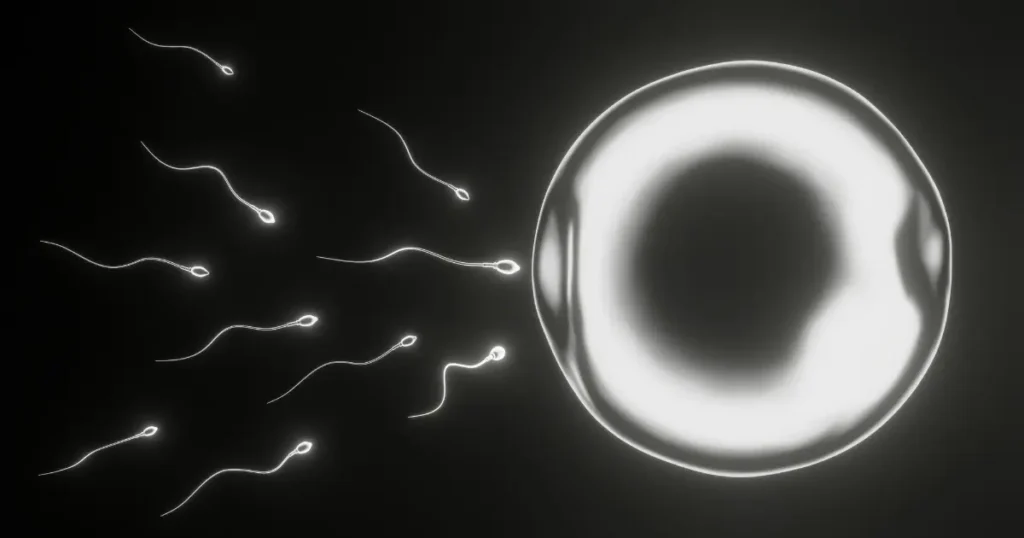
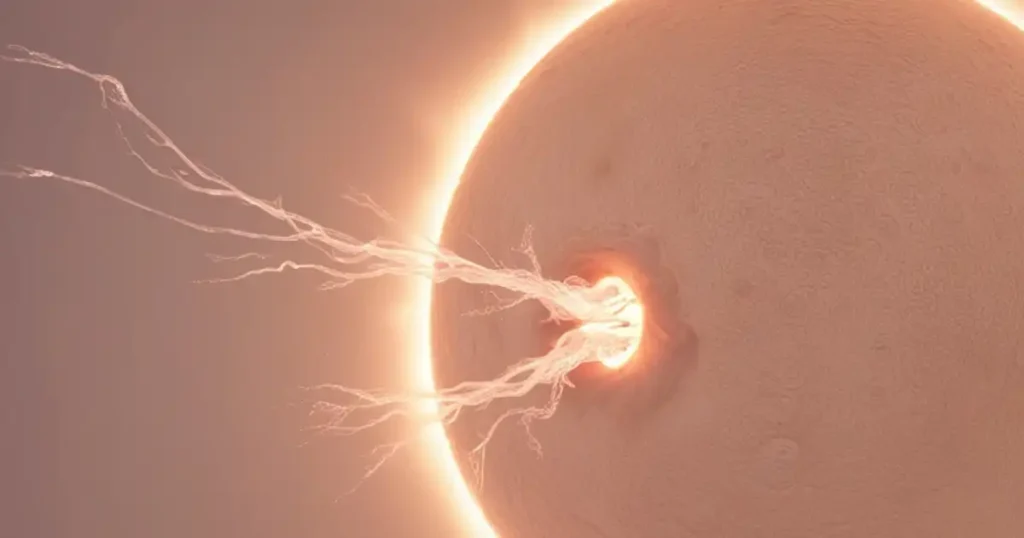
That delay matters because sperm can survive for up to about five days inside the body. If the egg is released later, the sperm may be gone by then. No egg and no sperm at the same time means no pregnancy.
Here is the catch. The pill only seems to do this if you take it early enough in your cycle. Take it too late, and it may not affect ovulation at all.
Major health groups describe emergency contraception like Plan B as working mainly by preventing or delaying ovulation. That is the best-supported explanation I know of. The finer details are still being studied, so treat any “exact mechanism” claim with some caution.
Why “Stop” and “Delay” Get Mixed Up
Labels and articles often say Plan B “prevents ovulation.” That phrase sounds permanent. It makes you picture an egg that never shows up.
In real life, ovulation is usually pushed back, not erased. Your body is still on its own schedule. The egg just comes later than it would have.
This table shows how the wording can mislead:
| Phrase You See | What It Sounds Like | Closer to the Evidence |
|---|---|---|
| “Plan B stops ovulation” | The egg never gets released | Ovulation is usually postponed, not cancelled |
| “Plan B delays ovulation” | The egg comes out later | Best match, if taken before the LH surge starts |
| “Plan B blocks a released egg” | It works at any point | Not well supported by current evidence |
What Plan B Actually Is
Plan B One-Step contains levonorgestrel. That is a progestin, a lab-made form of the hormone progesterone. Many daily birth control pills contain it too. Plan B just uses one larger dose, 1.5 mg, in a single pill.
Plenty of store-brand and generic versions exist. They typically contain the same ingredient and dose. In the US, you can buy it without a prescription and without an age limit. Rules differ by country, so check what applies where you live.
Plan B Is Not the Abortion Pill
This was the first thing I wanted to get straight, because the two get confused all the time. They are different medicines. They do different jobs.
| Comparison Point | Plan B (Emergency Contraception) | Medication Abortion |
|---|---|---|
| What it targets | Ovulation, before pregnancy begins | An existing pregnancy |
| Effect on an existing pregnancy | No evidence it harms one | It ends the pregnancy |
| When you take it | As soon as possible after unprotected sex | After a pregnancy is confirmed |
If you are already pregnant when you take Plan B, current evidence does not show it harms the pregnancy. It just would not have worked.
How Plan B Works Inside Your Cycle
To understand the “stop or delay” question, you need a quick look at what your body does before ovulation. I promise to keep it simple. This part explains everything else in the article.
The Hormone Surge That Sets the Clock
Each cycle, a follicle in your ovary grows. It holds an egg. As it matures, your body releases a big burst of luteinizing hormone, or LH. This is the “LH surge.”
This is the same surge that ovulation predictor kits detect. Ovulation usually follows within about one to two days after the surge begins. That timing varies from person to person, and it can even vary from cycle to cycle.
Once the LH surge is underway, the process is rolling. That is the key point for Plan B.
Why Timing Matters More Than the Pill
Research suggests levonorgestrel works best when you take it before the LH surge starts. At that stage, it can interfere with the signals that lead to ovulation. That buys you time.
After the surge has started, the evidence gets weaker. The pill may not stop the egg from being released. After ovulation, it should not be expected to prevent pregnancy.
| Where You Are in Your Cycle | What Plan B Likely Does | How Well Supported? |
|---|---|---|
| Before the LH surge starts | Likely delays ovulation | Best-supported scenario |
| After the surge has started | May not stop ovulation | Mixed or weaker evidence |
| After the egg is released | Not expected to prevent pregnancy | Weak to no evidence of benefit |
The problem is obvious. Most people do not know where they are in their cycle after unprotected sex. Even people who track carefully can be off by a day or two.
What the Research Seems to Show
The studies I have read about used ultrasound and hormone testing to watch what happened in the ovary. The general pattern is consistent. When levonorgestrel was given earlier in the follicle’s growth, ovulation was often delayed. When it was given later, with LH already rising, ovulation often still happened.
I am describing the overall pattern here. I am not quoting one specific study, and I cannot give you reliable exact percentages from memory. If you want the details, the sources listed near the end of this article are a good place to start.
How Well Does Plan B Work Overall?
Plan B does not prevent every pregnancy. Estimates of how much it lowers your risk differ between studies. I have seen figures ranging from roughly 75% to about 89%.
I am not fully certain of that range, so please treat it as rough. Verify it against a current medical source. The takeaway is simple. It helps a lot, but it is not a guarantee.
Does Plan B Stop Ovulation or Delay It for Everyone?
No. And this is one of the parts that surprised me most. The same pill can act differently depending on your body and your timing.
That does not mean it is unreliable. It means you should know what can shift the odds.
How Long Does the Delay Last?
This is a question I tried hard to answer with a firm number. I could not find a figure I trust enough to give you. The length of the delay seems to vary from person to person.
The goal is for the delay to outlast the time sperm can survive. That window is about five days. Whether the pill achieves that depends largely on when you took it.
Body Weight and Effectiveness
Some studies suggest levonorgestrel may work less well in people with a higher body mass index. The evidence is mixed. Not every study agrees, and researchers are still debating what it means.
If this applies to you, it is not a reason to skip Plan B when it is all you can get. It is a reason to ask a pharmacist or clinician about other options. Ulipristal (sold as ella) and the copper IUD are often discussed as alternatives in this situation.
Irregular Cycles Make Guessing Harder
If your cycles are irregular, you cannot easily guess when you ovulate. A cycle that runs 26 days one month and 38 the next makes any “I’m probably safe” math shaky.
I made this mistake in my own thinking early on. I assumed a calendar app could tell me where I was in my cycle. Apps estimate. They do not measure.
The Implantation Myth and What Changed
For years, many sources said Plan B might work by stopping a fertilized egg from attaching to the uterus. You may still see that claim on older websites. The evidence for it was never strong.
In late 2022, I believe the FDA updated the Plan B labeling to reflect that the evidence does not support this. Please verify the current wording on the official FDA label. Labels can change, and I may be remembering the details imperfectly.
| Myth | What the Evidence Suggests |
|---|---|
| Plan B ends a pregnancy | It does not appear to harm an existing pregnancy |
| Plan B stops a fertilized egg from implanting | Evidence does not support this as a main way it works |
| Plan B is the abortion pill | They are different drugs with different purposes |
| Plan B hurts future fertility | No evidence of long-term harm to fertility |
Why does this matter for the focus question? Because the answer to “does Plan B stop ovulation or delay it” is really the whole story. The main action happens before the egg is released.
What Plan B Means for Your Fertile Window
This is the part I wish more articles covered. Everyone talks about the pill. Few people talk about what happens in the days after. If you track ovulation, this section is for you.
Your Cycle May Shift
Plan B can change the timing of your cycle. You might get your next period early. You might get it late. Some people notice spotting or a different flow.
| What You Might Notice | What It Usually Means |
|---|---|
| Period a few days early or late | A common hormonal shift after the pill |
| Light spotting before your period | Often a short-term effect of the dose |
| Nausea, cramps, headache, tender breasts | Possible side effects, usually brief |
| Period more than a week late | Take a pregnancy test |
Most of this settles down on its own. Your next full cycle often looks more normal.
Plan B Does Not Protect You for the Rest of the Cycle
This one is easy to miss. Plan B is not ongoing protection. It is a one-time rescue for one episode of unprotected sex.
Think about what it does. If it delays your ovulation, your fertile window may move later than you expected. Sex a few days after you take it could actually carry a real risk of pregnancy. Your fertile days have been pushed back, not removed.
So if you have sex again in the same cycle, use a condom or another reliable method. This is one of the most practical lessons in the whole topic.
Using Ovulation Tests After Plan B
I looked for strong evidence that levonorgestrel makes LH test strips unreliable. I could not find clear proof of that. But the cycle shift makes timing hard to predict.
If ovulation moves, the surge may come later than you expect. You might test on the wrong days and miss it. If you use ovulation tests, test more often and give your body time to settle. Treat the first cycle after Plan B as less predictable.
Starting or Restarting Regular Birth Control
If you want to begin a regular method after emergency contraception, the rules depend on which pill you took. With ulipristal, guidance generally says to wait before starting hormonal birth control, then use backup. With levonorgestrel, you can often start sooner, but you still need backup protection for a period.
The exact number of days depends on the method. I do not want to guess here. Ask your pharmacist or clinician for the schedule that fits your situation.
When Plan B Is Less Likely to Work
Plan B is useful, but it has limits. Knowing them helps you make a better choice in the moment.
Taking It Too Late
Sooner is better. Plan B is most effective when taken as soon as possible after unprotected sex. Many sources say to take it within 72 hours. Some say it can still be used up to about 120 hours, though it may work less well later.
Every hour counts because ovulation can come at any time in your fertile window. Waiting “to see how I feel” is a bad plan. I have seen this mistake described again and again.
Vomiting and Medication Interactions
If you vomit within about two hours of taking the pill, ask a pharmacist or doctor whether you need another dose. The pill may not have been absorbed.
Some medicines may also lower its effectiveness. These can include certain seizure medicines and the herbal supplement St. John’s wort. I am fairly, but not completely, sure about the full list. Always tell the pharmacist what you take.
Better Options in Some Situations
Plan B is not the only emergency method. Depending on timing, weight, and access, another option may fit better.
| Option | Typical Window | Key Notes |
|---|---|---|
| Plan B (levonorgestrel) | Best within 72 hours, may work to 120 hours | Easy to find without a prescription in the US |
| Ella (ulipristal) | Up to 120 hours | Prescription needed in the US; may work later in the cycle |
| Copper IUD | Up to 120 hours | Most effective option; needs a clinic visit |
Research suggests ulipristal may still delay ovulation later into the LH rise than levonorgestrel can. I hold that loosely, since it is a specialized point. A clinician can tell you which option fits your timeline.
Checking for Pregnancy After Plan B
The waiting is the hardest part. You have taken the pill. Now you want to know if it worked. I get why people test too early and then panic.
When to Take a Test
The label advice, as I understand it, is to test if your period is more than a week late. Many sources also say a test taken about three weeks after unprotected sex is reliable. Verify this timing with a current source.
Testing too early can give a false negative. Plan B can also shift your period, so “late” is harder to judge. When in doubt, wait and test again.
Warning Signs That Need Medical Care
Pregnancy after Plan B is uncommon, but it can happen. In rare cases, a pregnancy can develop outside the uterus. That is called an ectopic pregnancy.
Seek urgent care if you have severe lower belly pain, especially a few weeks after taking the pill. Do not wait it out.
Mistakes I’d Avoid With Plan B
A few patterns come up over and over. None of them are about being careless. They come from not being told the full story.
- Waiting too long to take it.
- Assuming it protects you for the rest of the cycle.
- Using it as a regular birth control method, since it is less effective than regular methods and not meant for routine use.
- Ignoring body weight or medication questions.
- Skipping the pregnancy test when the period is late.
Quick Answers to Common Questions
These answers are short on purpose. Each one links back to the main question.
Can Plan B Work After Ovulation?
It is not expected to. Plan B acts before the egg is released. After ovulation, it should not be relied on to prevent pregnancy.
Does Plan B Stop Ovulation or Delay It if the LH Surge Has Started?
It may not do either. Evidence suggests the pill is much less likely to delay ovulation once the LH surge is underway. That is why taking it quickly matters.
Can I Get Pregnant After Taking Plan B?
Yes, it is possible. Plan B lowers your risk but does not remove it. Having unprotected sex again later in the same cycle can also lead to pregnancy.
Does Plan B Affect Future Fertility?
Current evidence does not show long-term harm to fertility. Your cycle may change for a month or so. It generally returns to its usual pattern.
Is It Safe to Take Plan B More Than Once?
It is not meant for regular use, and it works less well than ongoing methods. Repeated use can make cycles unpredictable. If you need it often, talk to a clinician about a method that fits your life better.
Where to Double-Check This Information
I want you to be able to verify what I have written. I am not giving you web addresses, because links change and I would rather not guess. Instead, here are the types of sources to look for.
- The current FDA prescribing and patient labeling for Plan B One-Step
- The American College of Obstetricians and Gynecologists (ACOG) patient information on emergency contraception
- The World Health Organization fact sheet on emergency contraception
Research and labeling change over time. Anything I have said about numbers, label wording, or timing windows should be confirmed against a current source. This article is for education. It is not medical advice, and it does not replace a pharmacist or doctor.
Final Thoughts
So, does Plan B stop ovulation or delay it? Based on what I have read, it mostly delays it, and only when taken before the LH surge begins. It is not a magic eraser. It is a timing tool, and timing is the whole game.
My honest takeaway is to act fast, protect yourself for the rest of the cycle, and test if your period is late. If you track ovulation, expect a less predictable cycle for a while. And if you have questions about weight, medications, or other options, ask a pharmacist or clinician. They can help with your specific situation in a way no article can.