Here’s the question that sends a lot of people searching late at night: can you get pregnant outside of ovulation? The strict answer is no. Pregnancy needs an egg, and an egg only comes from ovulation. But when I looked into this, I realized the strict answer hides the real problem. You can’t see ovulation happen, so “outside of ovulation” is often a guess.
That guess is where surprises come from. In this guide, I’ll explain why sex that seems outside your fertile days can still lead to pregnancy. You’ll see what happens during your period, right after it, and right before the next one. I’ll also cover why apps get it wrong, what to do if you’re trying to conceive, and what to do if you’re worried. This is general education, not personal medical advice.
The Short Answer: Pregnancy Needs Ovulation, But Timing Is Tricky
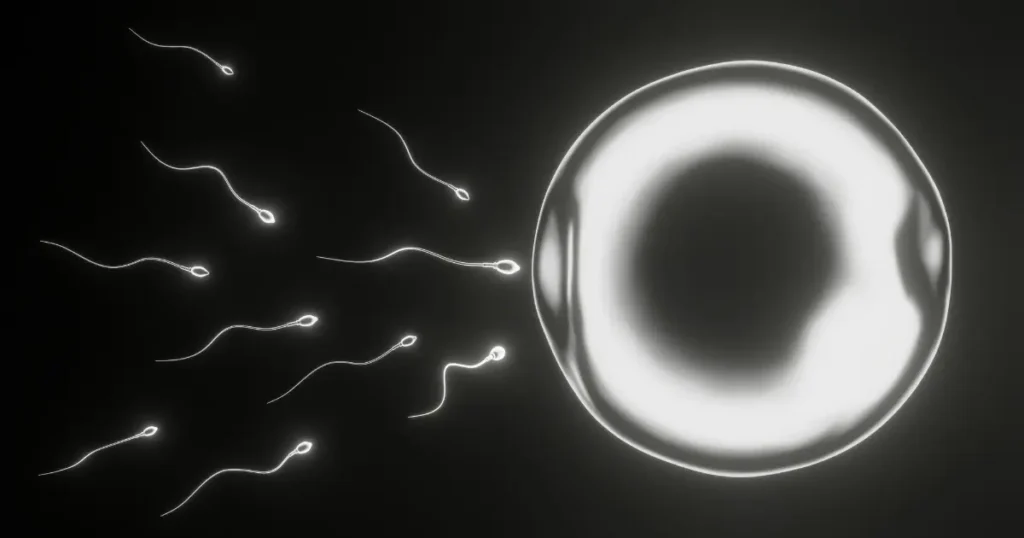
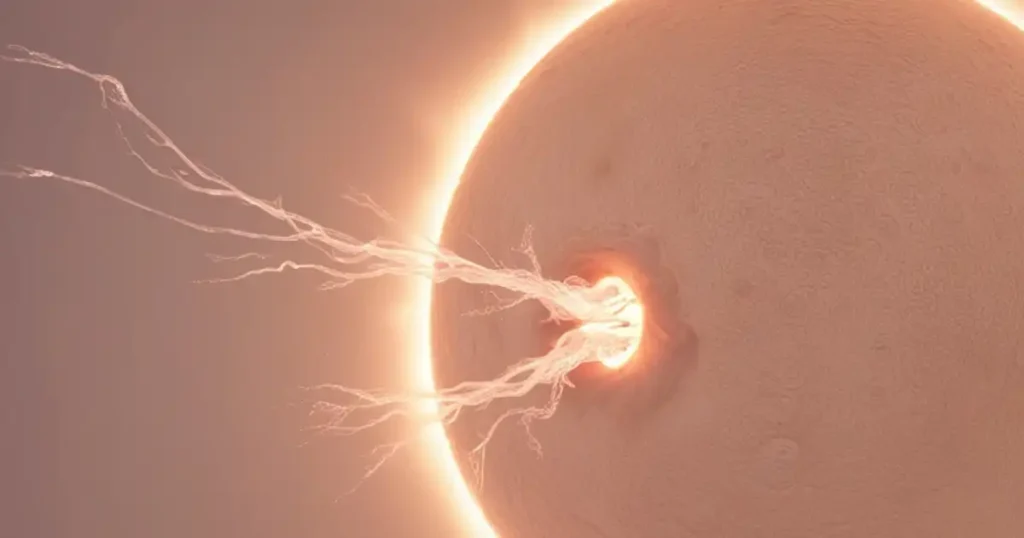
Without an egg, there’s nothing for sperm to fertilize. That part is simple. The tricky part is that the egg and the sperm don’t have to meet on the same day.
Let’s break down what that means in real life.
An egg has to exist for pregnancy to happen
An ovary releases one egg, usually once per cycle. The egg survives for about 12 to 24 hours. If sperm reach it during that time, pregnancy can happen.
So in a cycle where you don’t ovulate, you can’t get pregnant. But most people can’t confirm whether they ovulated until after the fact. That’s why this answer doesn’t give much comfort in daily life.
Why “outside of ovulation” often isn’t what it seems
Sperm can survive in the reproductive tract for up to about five days. That means sex before ovulation can still lead to pregnancy. The sperm wait, and the egg shows up later.
So when someone says, “I had sex four days before ovulation,” that’s not really outside the fertile window. It’s inside it. The window includes the days before the egg is released.
The fertile window at a glance
The fertile window is usually described as about six days. It includes the five days before ovulation and the day of ovulation. These facts explain why timing is so slippery.
| Cycle Fact | What It Means |
|---|---|
| Sperm can live up to about 5 days | Sex before ovulation can cause pregnancy |
| The egg lives about 12 to 24 hours | The window closes fast after ovulation |
| Fertile window is about 6 days | You can be fertile on days you didn’t expect |
| Ovulation can shift cycle to cycle | A fixed “safe day” plan can fail |
| Ovulation can’t be seen directly | Most people only guess when it happens |
Can You Get Pregnant Outside of Ovulation Around Your Period?
People often ask this about three points: during their period, right after it, and right before the next one. The risk differs at each point. But it’s rarely zero, and it depends on your cycle.
Here’s how each one works.
During your period
Pregnancy from sex during your period is less likely. But it’s possible. The key factors are cycle length and how long you bleed.
Imagine a short cycle with a long period. Ovulation can come early. If you have sex on the last days of bleeding, sperm may still be around when the egg is released. This isn’t common, but it happens.
Right after your period
This is where many people get caught off guard. If you ovulate soon after your period ends, your fertile window can start almost right away. Sperm from sex on day six or seven may still be alive on day ten or eleven.
It’s more likely with shorter cycles, around 21 to 24 days. But even people with 28-day cycles can ovulate earlier than expected. So “right after my period” isn’t a reliable safe zone.
Right before your period
In a regular cycle, the days just before your period are usually low risk. By then, the egg is long gone. That’s why many people feel safe in this phase.
But there’s a catch. If your ovulation came late this cycle, you may not be as close to your period as you think. And light bleeding can look like a period when it isn’t. So low risk doesn’t mean no risk.
How risk shifts across your cycle
This table gives a rough picture. Real risk depends on your cycle length and when you actually ovulate.
| Cycle Point | Risk Level | Main Reason |
|---|---|---|
| During period | Low, but possible | Short cycle plus long bleeding can overlap with the window |
| Right after period | Low to moderate | Early ovulation plus sperm waiting |
| Days before ovulation | Moderate to high | Sperm survive until the egg arrives |
| Ovulation day | High | The egg is available |
| After ovulation, before period | Very low | Egg is gone unless ovulation was late |
Why Ovulation Timing Surprises So Many People
If ovulation always happened on day 14, this topic would be easy. But real bodies don’t follow a script. Your cycle can change from month to month.
Here are the main things that move the date.
Stress, illness, and travel
Your brain controls the signals that trigger ovulation. Big stress, a fever, a long trip, or a sudden change in sleep can delay it. Sometimes it moves earlier.
That’s why two months with the same period date can have different ovulation dates. Your period tells you when the cycle started. It doesn’t tell you when you ovulated.
Irregular cycles and PCOS
If your cycles vary a lot, ovulation timing is harder to predict. People with polycystic ovary syndrome (PCOS) may ovulate late, irregularly, or not at all in some cycles. They can also ovulate unexpectedly.
That mix makes calendar math unreliable. If you have irregular cycles, “days since my last period” gives you a weak clue at best.
After birth, after the pill, and in perimenopause
Some life stages make ovulation especially hard to predict. After giving birth, ovulation can return before your first period. After stopping hormonal birth control, cycles may take time to settle. In perimenopause, cycles drift and ovulation becomes less regular.
If you’re in one of these stages and want to avoid pregnancy, don’t assume you’re safe just because you haven’t had a period. Ovulation comes first, and the period follows.
Situations where timing gets harder
This table shows common situations and why they cause problems.
| Situation | Why Timing Is Hard to Predict |
|---|---|
| Postpartum | Ovulation can return before the first period |
| After stopping birth control | Cycles may be irregular for a while |
| PCOS | Ovulation may be late, irregular, or skipped |
| Perimenopause | Cycle length and ovulation shift unpredictably |
| Teens and recent first periods | Cycles are often still settling |
Bleeding that isn’t a real period
Some people get light bleeding around ovulation. Others have breakthrough bleeding from hormone changes or birth control. It’s easy to mistake this for a period.
When that happens, you may count your cycle from the wrong day. That throws off every estimate that follows. If your bleeding looks different from usual, note it and mention it to a clinician.
Can you release two eggs in one cycle?
Sometimes the ovary releases more than one egg during the same ovulation. This happens within about a day and is one way fraternal twins occur. It doesn’t extend the fertile window much.
You may also see claims about a second ovulation days later in the same cycle. That idea is debated, and I’m not aware of solid proof that it’s common. I wouldn’t plan around it either way.
Why Apps and Calendars Get It Wrong
Period apps feel precise. They show a bright green “fertile window” and a clear “ovulation day.” That makes the prediction look like a fact.
But under the hood, most apps do simple math. They look at your past cycles and guess.
Averages versus your actual body
An app can’t see your ovary. It uses your past dates to predict the next ones. If this cycle runs long because of stress, the app’s estimate becomes wrong.
I’d treat an app like a weather forecast. It can be useful. It can also miss. You wouldn’t bet on it for a high-stakes decision.
What ovulation tests and temperature charts can and can’t do
Ovulation predictor kits (OPKs) catch the LH surge that comes before ovulation. Basal body temperature (BBT) shows a rise after ovulation. Each tool helps, and each has a gap.
| Tool | What It Shows | What It Can Miss |
|---|---|---|
| Calendar app | Estimated window from past cycles | This month’s real ovulation date |
| OPK | LH surge before ovulation | Whether the egg actually released |
| BBT chart | Temperature rise after ovulation | The fertile days before it, since it confirms late |
| Cervical mucus | Fertile-type mucus is present | Exact timing, and it varies by person |
Myths About Getting Pregnant Outside of Ovulation
A lot of advice sounds confident and logical. Some of it can lead to a surprise pregnancy. Some of it can lead to months of needless worry.
Here are the myths I’d clear up first.
| Myth | Reality |
|---|---|
| “You can only get pregnant on ovulation day.” | Sperm can wait several days for the egg. |
| “You can’t get pregnant on your period.” | It’s unlikely but possible, especially with short cycles. |
| “Day 14 is always ovulation.” | Ovulation timing varies between people and cycles. |
| “Pregnancy without ovulation can happen.” | Ovulation must occur for pregnancy to begin. |
| “A negative OPK means no fertility.” | Fertile days can come before a positive result. |
| “Safe days exist for everyone.” | No reliable safe-day count works for all cycles. |
If You’re Trying to Conceive: What This Means for You
If you want to get pregnant, this information works in your favor. A wider window means more chances. You don’t have to nail one perfect day.
Here’s how I’d think about it in practice.
Don’t wait for a positive ovulation test
Some people wait for a positive OPK before having sex. By then, the best days may already be underway. Pregnancy is most likely in the couple of days before ovulation and on ovulation day itself.
If you wait too long, you may miss part of the window. Starting a bit earlier gives sperm time to be in place.
Cover the whole window
Many fertility resources suggest having sex every one to two days during the fertile window. If you’re not sure when it is, every two to three days throughout the cycle can work too.
This approach takes pressure off. You don’t need perfect timing. You need steady timing. And it keeps things more relaxed, which matters for a lot of couples.
When to ask for help
If you’re under 35 and have been trying for 12 months, it’s reasonable to see a doctor. If you’re 35 or older, many doctors suggest seeking help after six months. Sooner is fine if your cycles are very irregular or absent.
If you suspect you’re not ovulating, an ovulation workup can give answers. Blood tests and ultrasound can show whether and when you ovulate.
If You’re Trying to Avoid Pregnancy: What This Means for You
The same facts that help people who want to conceive can surprise people who don’t. If you’re avoiding pregnancy, the wide fertile window is the main thing to respect.
This is where I’d shift away from counting days.
Why “safe days” are a weak plan
Because ovulation timing moves and sperm survive for days, counting days works poorly for most people. Fertility awareness methods can work when learned well and followed closely. But casual calendar counting has a high failure rate.
A method that doesn’t depend on timing, like an IUD, implant, pills, or condoms used correctly, is more dependable. A clinician can help you choose one. Condoms also protect against many sexually transmitted infections.
What to do after unprotected sex
If you want to avoid pregnancy and had unprotected sex, emergency contraception can lower the chance of pregnancy. It works best the sooner you take it, and some options can be used up to five days afterward. A copper IUD placed by a clinician within five days is another option.
Rules and availability differ by country and by product. A pharmacist or clinic can tell you what applies where you live. Emergency contraception works mainly by delaying ovulation, so it may be less effective if ovulation has already happened.
When to take a pregnancy test
If your period is late, a home pregnancy test is a good next step. Many tests work best from the day of a missed period. Testing too early can give a false negative.
Emergency contraception can change the timing of your next period. If your period is more than about a week late, test, and see a clinician if you’re unsure.
What to do in common situations
This table gives simple next steps for common worries.
| Situation | Practical Next Step |
|---|---|
| Unprotected sex and you want to avoid pregnancy | Look into emergency contraception as soon as you can |
| Your period is late | Take a home pregnancy test |
| You’re unsure when you ovulated | Track mucus, temperature, and OPKs for a few cycles |
| Your cycles are very irregular | Ask a doctor about an ovulation workup |
| You want ongoing protection | Talk to a clinician about reliable methods |
When to Talk to a Doctor
You don’t need an emergency to ask for help. A short visit can clear up a lot of worry. Doctors and nurses hear these questions every day.
Consider booking a visit if any of these apply.
- You’ve missed your period and a pregnancy test is positive or unclear.
- Your cycles are shorter than 21 days or longer than 35 days.
- You’ve missed several periods in a row and you’re not pregnant.
- You’ve been trying to conceive for 12 months (under 35) or 6 months (35 or older).
- You want a reliable birth control method.
- You had unprotected sex and need emergency contraception.
- You have pain, heavy bleeding, or bleeding that looks very different from your usual pattern.
If you have severe one-sided pain, dizziness, or very heavy bleeding along with a positive test, seek urgent care. Those can be signs of a problem that needs quick attention.
Quick Answers About Getting Pregnant Outside of Ovulation
People like short, direct answers. Here are the ones I see most.
For personal advice, a clinician can look at your history and goals.
Can you get pregnant if you don’t ovulate?
No. Pregnancy needs an egg, which comes from ovulation. If you truly don’t ovulate in a cycle, pregnancy can’t happen in that cycle.
Can you get pregnant a few days before ovulation?
Yes. Sperm can survive up to about five days. So sex in the days before ovulation can lead to pregnancy.
Can you get pregnant right after your period ends?
Yes, it’s possible. It’s more likely with short cycles, since ovulation can come soon after bleeding stops. Sperm from sex just after your period can still be there when the egg is released.
Can you get pregnant the day after ovulation?
It’s less likely, because the egg only survives about a day. But the exact ovulation time is hard to know. So the day after isn’t a guaranteed safe day.
Can you get pregnant on your period?
It’s unlikely but possible. It’s more likely if your cycle is short, your period is long, or your cycles are irregular.
How long after ovulation can you still get pregnant?
The egg survives about 12 to 24 hours. After that, pregnancy is no longer possible until the next ovulation.
Final Thoughts
The biggest lesson is that “outside of ovulation” depends on when you actually ovulated, and you can’t see that. So can you get pregnant outside of ovulation? Not without an egg. But sperm can wait for days, and ovulation moves around. That makes many “safe” days less safe than they look.
Set realistic expectations. If you want to conceive, cover the whole fertile window and don’t stress about perfect timing. If you want to avoid pregnancy, choose a method that works every day, not just on days you think you’re infertile. Whichever side you’re on, a quick chat with a clinician can turn guesses into a clear plan.