If you typed how to trigger ovulation into a search bar, you’re probably tired of waiting. Maybe your cycles are all over the place. Maybe you’ve been trying for months and nothing seems to happen. That waiting game is exhausting.
I spent a lot of time digging into the research, the medical guidelines, and the real stories behind this topic. Here’s the biggest lesson: you can’t force an egg out with a trick or a tea. But you can find out why ovulation is stalling, fix what is fixable, and use proven medical help when you need it. This guide walks through all of it in plain words.
How to Trigger Ovulation Starts With Knowing What Triggers It
Before you can learn how to trigger ovulation, it helps to know what your body does on its own. The process is a hormone chain, and every link matters.
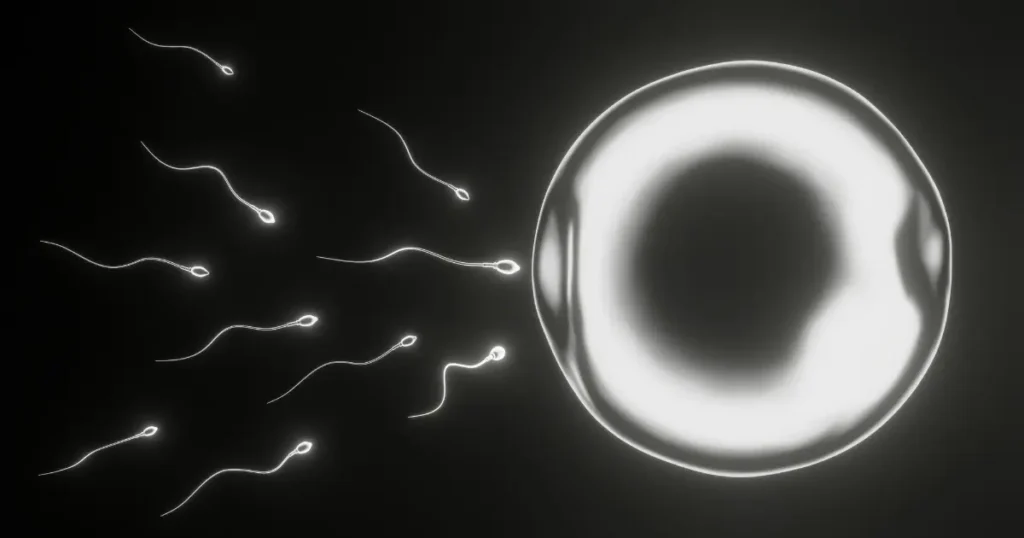
Here is the short version. Your brain signals your ovaries. A group of follicles starts to grow. One usually takes the lead. As it grows, it releases more estrogen. Then your brain sends out a big burst of luteinizing hormone, or LH. That burst is the real trigger.
The LH Surge Is the Actual Trigger
The LH surge tells the lead follicle to release its egg. This often happens about one to one and a half days after the surge starts. The timing varies from person to person, so treat that as a rough guide.
That is why “triggering ovulation” is a bit of a misleading phrase. Nobody can press a button. What you can do is help the follicle grow, or give a medical signal that acts like LH.
Ovulation Is Not Always on Day 14
I used to believe everyone ovulates on day 14. That is only true for a textbook 28-day cycle, and many people don’t have one. Stress, travel, illness, and sleep can all shift ovulation later in the same person.
The egg lives for about 12 to 24 hours after release. Sperm can survive for up to five days. So your fertile window is about six days long, and it ends on the day of ovulation.
Do You Even Need to Learn How to Trigger Ovulation?
Sometimes the answer is no. If you already ovulate on most cycles, you don’t need to trigger anything. You may only need better timing.
A common mistake is to jump straight to fixing a problem that may not exist. Start by asking whether ovulation is happening at all. These clues can help.
| Sign | What It May Suggest |
|---|---|
| Cycles of 21 to 35 days that are fairly steady | Ovulation is probably happening |
| Clear, stretchy mucus mid-cycle | Estrogen is rising and ovulation may be near |
| Cycles longer than 35 days | Ovulation may be late or skipped |
| No period for three months or more | Ovulation may not be happening, see a doctor |
| Very unpredictable cycles | Ovulation may be irregular |
This table is a starting point, not a diagnosis. A regular cycle doesn’t guarantee ovulation, and an irregular one doesn’t always mean a problem. If you’re unsure, a doctor can check with blood tests or an ultrasound.
Why Your Body May Not Ovulate Without a Push
Missing ovulation has a medical name: anovulation. It has many possible causes. Treating the cause usually works better than chasing a quick fix.
Understanding your cause also tells you which path to take. The right answer for one person can be the wrong answer for another.
PCOS Is the Most Common Reason
Polycystic ovary syndrome, or PCOS, is a leading cause of irregular or missing ovulation. It affects roughly one in ten people of reproductive age, though the exact figure depends on the study. Higher androgen levels and insulin resistance can keep follicles from fully maturing.
Common signs include irregular periods, acne, and extra hair growth. But PCOS looks different in different people. Please don’t self-diagnose. It needs a proper workup.
Low Weight, High Stress, and Low Energy
Your brain can switch ovulation off when it senses that your body is under strain. Doctors call this functional hypothalamic amenorrhea. Common triggers are low body weight, heavy training, not eating enough, and long periods of stress.
This one surprised me. People often assume stress only matters when it feels dramatic. In reality, a steady mix of under-eating and over-exercising can be enough. If food or exercise feels stressful or out of your control, please talk to a healthcare professional. You deserve support, not just a cycle fix.
Thyroid and Prolactin Problems
An underactive or overactive thyroid can disrupt your cycle. So can high prolactin, a hormone that rises with certain medicines, pituitary issues, and breastfeeding. Both are checked with simple blood tests.
These causes matter because they are fixable. Treating the thyroid or prolactin problem can bring ovulation back without any fertility drugs.
Age, Birth Control, and Life Stages
Cycles naturally become less predictable as you approach perimenopause. After stopping hormonal birth control, ovulation often returns within a few weeks, but some people wait longer. Certain injectable methods can delay the return for months.
After a baby, ovulation can come back before your first period. That catches many people off guard. Breastfeeding can delay it, but it isn’t a reliable plan either way.
| Possible Cause | Common Clues |
|---|---|
| PCOS | Irregular cycles, acne, extra hair growth |
| Low energy or high stress | Missed periods, heavy training, low intake |
| Thyroid problems | Fatigue, weight changes, temperature sensitivity |
| High prolactin | Missed periods, sometimes milky nipple discharge |
| Perimenopause or low ovarian reserve | Changing cycle length, hot flashes, age factors |
How to Trigger Ovulation Naturally: What Has Real Support
Let’s be clear about “naturally.” There is no herb or food that reliably releases an egg. What does have support is fixing the conditions that let your own hormones do their job.
Some of this advice sounds boring. But boring and proven beats exciting and unproven.
How to Trigger Ovulation With PCOS Lifestyle Changes
For people with PCOS who are also overweight, modest weight loss can bring ovulation back. Many clinicians mention a 5% to 10% loss as a rough goal, but please verify the right target with your own doctor. Guidelines do not recommend weight loss as a fertility treatment for people with PCOS who are at a typical weight.
Eating regular, balanced meals and moving most days helps insulin work better. That, in turn, can calm the hormone signals that block ovulation. Small, steady changes tend to beat extreme plans.
How to Trigger Ovulation When Low Energy Is the Cause
If your ovulation stopped because of low energy or heavy training, the fix runs the opposite way. Eating more, easing off intense exercise, and sleeping better can help your cycle return. This can take months, not weeks.
A doctor or dietitian who understands this issue can guide you. Going it alone can be frustrating and slow.
Sleep, Stress, and Gentle Exercise
I used to roll my eyes at “reduce stress.” It sounded useless. But the point isn’t to become zen. It’s to lower the load on your body where you can: regular sleep, enough food, and exercise that doesn’t leave you wrecked.
Moderate exercise tends to support cycle health. Extreme training can do the opposite. Think steady, not punishing.
Treat the Root Cause
If tests show a thyroid or prolactin problem, treating it is the most direct path. This is one of the clearest examples of how to trigger ovulation without fertility drugs. You’re not forcing anything. You’re removing the block.
Supplements and Herbs: Be Careful Here
This is the area with the most hype. Some supplements have early or mixed evidence, and none is a proven way to release an egg. Take a daily folic acid supplement if you’re trying to conceive. The usual advice is 400 micrograms, and your doctor can confirm what suits you.
Myo-inositol is popular for PCOS. Studies are mixed, and as I understand it, guidelines still treat it as experimental. Chasteberry, also called vitex, has limited evidence and can interact with hormones and medicines. Always ask a doctor or pharmacist before starting anything.
| Approach | Strength of Evidence | My Honest Take |
|---|---|---|
| Weight loss with PCOS and overweight | Fairly strong | Worth trying, with medical guidance |
| Restoring energy intake | Strong for low-energy cases | Often the main fix, but slow |
| Treating thyroid or prolactin issues | Strong | Direct and effective when relevant |
| Folic acid | Strong for pregnancy health | Not an ovulation trigger, but start it early |
| Myo-inositol | Mixed | Ask your doctor first |
| Acupuncture | Unclear | Fine for relaxation, don’t count on it |
| Vitex or herbal blends | Limited | Be cautious, can interact with medicines |
Myths About How to Trigger Ovulation Fast
The internet loves a shortcut. Search for how to trigger ovulation fast and you’ll find pineapple cores, special teas, and secret poses. Most of it has no solid proof behind it.
I’m not saying nothing helps. I’m saying you should know the difference between a hopeful rumor and a tested method.
| Myth | Reality |
|---|---|
| Everyone ovulates on day 14 | Timing varies a lot between people and cycles |
| Sex or orgasm triggers ovulation | No good evidence this works in humans |
| Pineapple core or special teas release an egg | No reliable proof |
| A regular period means you ovulated | Not always, some cycles happen without ovulation |
| Apps know exactly when you ovulate | Apps estimate, they don’t confirm |
| Fertility drugs always cause twins | Risk goes up with some drugs, but most cycles are single pregnancies |
The app myth deserves extra attention. A predicted fertile window is only a guess based on past cycle dates. If your cycles vary, that guess can be wrong by days.
Medical Ways to Trigger Ovulation
When lifestyle changes aren’t enough, or when the cause isn’t something you can change at home, medical treatment is the evidence-backed route. This is where “how to trigger ovulation” gets a real answer.
Everything in this section requires a prescription and monitoring. Please don’t buy these medicines online or use leftover ones. The risks are real.
Letrozole
Letrozole is a pill that was first made for breast cancer. In fertility care it is typically prescribed off-label, which is common and accepted. It is taken for a few days early in the cycle. It lowers estrogen briefly, which prompts your brain to push harder on the ovaries.
For people with PCOS who have trouble ovulating, major guidelines now name letrozole as a first choice. In one large trial of 750 women with PCOS, published in 2014 by Legro and colleagues, live birth rates were higher with letrozole than with clomiphene. The reported numbers were 27.5% versus 19.1%. Verify the details in the original paper before quoting them.
Clomiphene Citrate
Clomiphene has been used for decades. It makes your brain think estrogen is low, so it releases more of the hormones that grow follicles. Many people ovulate on it.
It can bring hot flashes, mood swings, and headaches. It can also thin the uterine lining or make cervical mucus less friendly to sperm in some people. The chance of twins is higher than with natural cycles.
Metformin
Metformin helps the body respond better to insulin. On its own it is generally less effective for ovulation than letrozole or clomiphene. In some cases, doctors combine it with clomiphene for people with insulin resistance.
It often causes stomach upset at first. Taking it with food and building up slowly can help, but your prescriber will guide that.
Injectable Gonadotropins
These are hormone injections that directly stimulate follicle growth. They are stronger than pills, so they need frequent ultrasounds and blood tests. They are usually used when pills haven’t worked, though some guidelines allow them earlier.
The main risks are multiple pregnancy and ovarian hyperstimulation syndrome, or OHSS. Watch for severe belly pain, fast-worsening bloating, or trouble breathing. Call your care team right away if those appear.
How to Trigger Ovulation With a Trigger Shot
A trigger shot is different from the pills above. The pills help follicles grow. The trigger shot tells a mature follicle to release its egg at a planned time.
Most trigger shots contain hCG, a hormone that acts much like LH. Ovulation usually follows about 36 to 40 hours later, though some sources give a wider range of roughly 24 to 48 hours. Clinics usually give the shot when ultrasound shows a follicle of the right size, often somewhere in the high teens to low twenties in millimeters. Your clinic decides this, not you.
Two practical tips I found useful to know. First, an ovulation predictor kit will not help after a trigger shot, because the shot is not your own LH surge. Second, hCG can show up as a faint positive on a pregnancy test for about ten to fourteen days. Ask your clinic when to test.
Surgery and IVF
If pills and injections don’t work, a surgery called laparoscopic ovarian drilling is one option for some people with PCOS. IVF is another. Guidelines tend to place IVF later in the ladder for PCOS, but your own history can change that.
Also remember that ovulation isn’t the only piece. Most clinics will check a partner’s semen and the fallopian tubes before spending many months on ovulation treatment.
| Option | What It Does | Main Watch-Out |
|---|---|---|
| Letrozole | Helps follicles grow by briefly lowering estrogen | Off-label use, needs prescriber guidance |
| Clomiphene | Increases follicle-growing hormones | Side effects, thin lining, twin risk |
| Metformin | Improves insulin response | Stomach upset, weaker alone |
| Gonadotropin injections | Stimulate follicles directly | Needs close monitoring, OHSS and multiples |
| hCG trigger shot | Releases a mature egg at a set time | Timing matters, can affect pregnancy tests |
| Ovarian drilling or IVF | Later-step options | Surgery or procedure risks and cost |
How to Tell Ovulation Actually Happened
Taking a medicine and hoping isn’t a plan. You want proof that an egg was released. Several tools can help, and each has a catch.
When I first started tracking, I trusted one method too much. Using two together gives a more honest picture.
Ovulation Predictor Kits
These urine tests detect the LH surge. A positive result means ovulation is likely in the next day or so. But in PCOS, LH can run high all the time, which can cause confusing or false positives.
Basal Body Temperature
Your temperature rises slightly after ovulation and stays higher until your next period. The rise is small, often a few tenths of a degree Celsius, so you need a sensitive thermometer. It confirms ovulation after it has happened. It cannot predict it.
Cervical Mucus
Around ovulation, mucus becomes clear, slippery, and stretchy, a bit like raw egg white. It’s free and useful. It just takes a few cycles to learn your own pattern.
Blood Tests and Ultrasound
A progesterone blood test about a week after suspected ovulation can show if you released an egg. Many labs treat a value above roughly 3 ng/mL as a sign of ovulation, but ranges vary, so let your doctor interpret it. Ultrasound can track the follicle and even show when it has collapsed.
| Method | What It Tells You | The Catch |
|---|---|---|
| Ovulation predictor kit | LH surge is happening | False positives with PCOS |
| Basal body temperature | Ovulation likely occurred | Only confirms after the fact |
| Cervical mucus | Fertile window is near | Takes practice to read |
| Progesterone blood test | Ovulation likely occurred | Timing must be right |
| Ultrasound monitoring | Follicle growth and release | Needs clinic visits |
Timing Sex Once You Start Trigger Ovulation Treatment
Getting ovulation to happen is half the job. The other half is timing. Because sperm can wait for the egg, you don’t need to hit one exact hour.
Having sex every day or two during your fertile window is a simple, common recommendation. If you’re using a trigger shot, follow your clinic’s schedule, since they plan around the expected release time.
Try not to turn it into a chore. I’ve seen people get so rigid about timing that it drained the fun and added stress. Stress isn’t the villain here, but the pressure is real. A loose plan with a few well-timed days is plenty.
Mistakes I’d Avoid When Learning How to Trigger Ovulation
Some of these mistakes are easy to make because the internet makes everything sound simple. Here are the ones that came up again and again in my reading.
- Trusting an app over your body. An app guess isn’t proof. Pair it with mucus, a test, or a doctor’s scan.
- Skipping the diagnosis. Treating “irregular cycles” without knowing the cause can waste months.
- Using prescription drugs without monitoring. Fertility medicines can cause multiples or ovarian overstimulation when unmonitored.
- Stacking supplements. More isn’t better. Some products interact with each other or with medicines.
- Waiting too long to ask for help. Hoping a cycle sorts itself out is understandable, but time matters, especially after 35.
- Forgetting the rest of the picture. Sperm health and open fallopian tubes matter too.
When to See a Doctor About Ovulation
You don’t have to wait for a crisis. Some signs are worth a call early. See a doctor if you go three months without a period, if your cycles are consistently longer than 35 days, or if you have symptoms like heavy acne, extra hair growth, or milky nipple discharge.
For timing, a common rule of thumb is to seek help after 12 months of trying if you’re under 35, and after six months if you’re 35 or older. If you have known cycle problems, go sooner. Check the current guidance from a source like ACOG or your national health service, since recommendations can change.
Quick Answers About How to Trigger Ovulation
Can I trigger ovulation at home?
Not directly. You can support your own ovulation by treating causes like low energy or thyroid problems, and by tracking your cycle. Medicines that actually trigger or induce ovulation need a prescription.
How long does it take to ovulate after a trigger shot?
Usually about 36 to 40 hours, though the range reported is wider. Your clinic will tell you exactly when to expect it and when to time sex or insemination.
Does letrozole make you ovulate right away?
No. Letrozole is taken for a few days early in the cycle, and ovulation typically comes days later. Your doctor may use ultrasound to check how you respond.
Can you ovulate without a period?
Yes. Ovulation comes before a period, so you can ovulate before your first period after birth or after stopping birth control. But missing periods can also signal that ovulation isn’t happening, so it is worth checking.
Is it safe to try to trigger ovulation naturally?
Gentle steps like eating enough, sleeping well, and treating medical causes are generally safe. Herbs and supplements are less predictable. Ask a professional before using them.
Final Thoughts
If I had to sum up what I learned about how to trigger ovulation, it’s this: find the cause first. A stalled cycle can come from PCOS, low energy, thyroid trouble, or simple life stage changes. Each one has a different fix, and the loudest internet tip is rarely the right one.
My honest opinion is that people deserve a clear diagnosis and a realistic plan. Lifestyle changes help many people, and medical options like letrozole and trigger shots have strong evidence behind them. Expect it to take time. Talk to a doctor early, track with more than one tool, and be kind to yourself along the way.