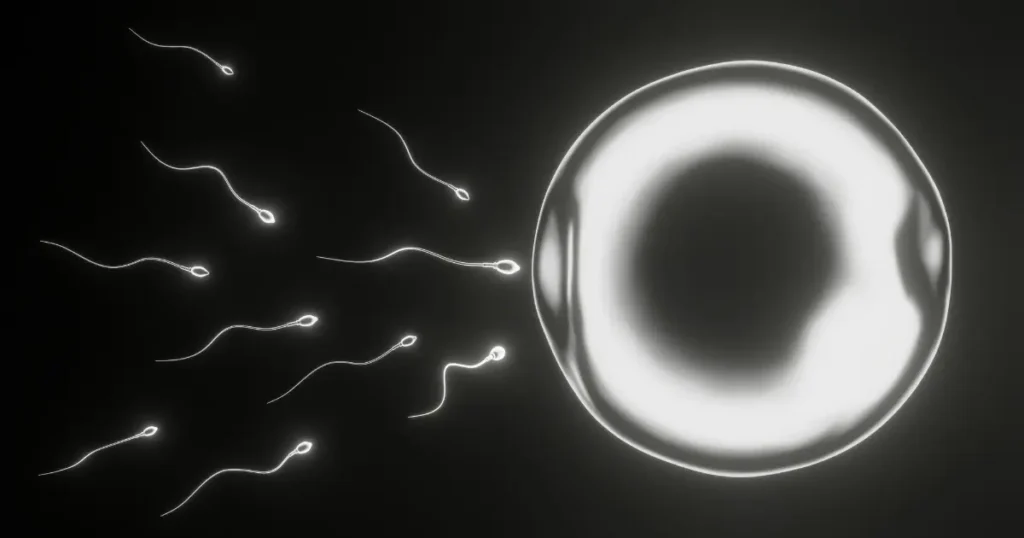
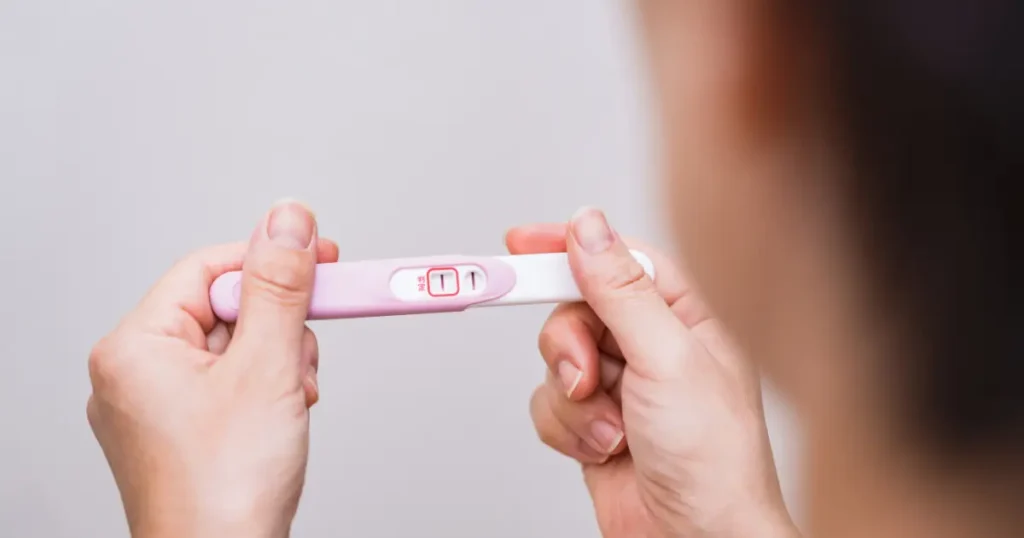
When I first read about how to induce ovulation, I expected a simple list. Drink this tea. Take that pill. Done. The truth was messier. Ovulation is not a switch you flip. It is the last step in a long chain, and the right fix depends on where the chain breaks.
This guide walks you through that chain in plain words. You will learn why ovulation sometimes stalls, which habits may help, and what medicines doctors use. You will also see which home remedies have weak proof, how to tell if a treatment worked, and when to ask for help. This is general info, not medical advice. Please talk to your own doctor before you start any treatment.
How to Induce Ovulation Starts With Finding the Cause
Before you try anything, ask one question. Why is ovulation not happening? A fix that works for one cause may do nothing for another. That was the biggest lesson I took from my own reading.
What “Inducing Ovulation” Really Means
Doctors use the phrase ovulation induction for treatment that helps the ovaries release an egg. It is often used when ovulation is rare or missing. The medical word for missing ovulation is anovulation.
Many people also use the phrase for gentle, at-home steps. Think sleep, food, and stress care. Those habits may support ovulation. They do not force it. Keep that difference in mind as you read.
Common Reasons Ovulation Stalls
Anovulation has many causes. Some are short term, like illness or a very stressful season. Others are ongoing, like PCOS or thyroid disease. Only tests can tell you which one applies to you.
Here is a quick map of the usual causes and the way doctors often approach each one. Treat it as a guide, not a diagnosis.
| Possible Cause | Typical Approach |
|---|---|
| PCOS | Lifestyle changes, then ovulation medicine |
| Low body weight or heavy training | Eat more, train less, restore energy |
| Thyroid disease | Treat the thyroid problem |
| High prolactin | Find the cause, sometimes medicine |
| Perimenopause or low ovarian reserve | Specialist guidance and testing |
Notice how few of these are fixed by a supplement. Most need a proper diagnosis first.
Lifestyle Steps That May Help Induce Ovulation Naturally
If you ask how to induce ovulation naturally, the honest answer is modest. Habits can support your hormones. They will not replace medicine when medicine is needed. Still, they are a smart first step, and they cost little.
Weight, Food, and Movement
Both extremes can disturb ovulation. Very low weight, harsh dieting, or heavy training can lower the signals from your brain. Extra weight can also change hormone levels.
If you have PCOS and carry extra weight, research suggests that losing even a small amount may help. A figure often quoted is 5 to 10 percent of body weight. It may bring back regular ovulation for some people. I would call that a chance, not a promise.
Please skip crash diets. Eating too little can stop ovulation faster than almost anything. Aim for steady meals with protein, fiber, and healthy fats. Many studies link Mediterranean style eating with better fertility, though the proof is not perfect.
Sleep and Stress
I used to roll my eyes at stress advice. Then I saw how a bad month showed up in my tracking. Stress hormones can get in the way of the brain signals that start ovulation. The size of the effect varies a lot from person to person.
Small steps beat big plans. Pick a steady bedtime. Take a short walk after dinner. Keep screens out of the last half hour before bed. These are boring, but you can repeat them.
Quit Smoking and Cut Back on Alcohol
Smoking is linked with lower fertility, so quitting helps. Heavy drinking can hurt fertility too. Caffeine is less clear. Many pregnancy guides suggest staying under about 200 mg a day, which is about one 12 ounce cup of coffee.
| Habit | Why It May Help |
|---|---|
| Eating enough, at steady times | Supports hormone signals from the brain |
| Moderate exercise | Helps insulin and weight balance |
| Regular sleep | Helps stress hormones settle |
| Quitting smoking | Protects egg quality and ovary health |
How to Induce Ovulation With PCOS
PCOS is one of the most common reasons for missing ovulation. If your periods come far apart, or not at all, ask about it. Only a doctor can diagnose it. Please do not self label.
Why PCOS Blocks Ovulation
In PCOS, hormone levels are out of balance. Insulin and certain hormones can stay high. That can stop follicles from ripening fully. So the egg never gets released.
This is why lifestyle steps often come first. Better insulin control can help restore a more regular cycle for some people. Not everyone responds the same way, and that is okay.
When Habits Are Not Enough
Sometimes habits alone do not bring ovulation back. That is not a personal failure. Your body may simply need medical help. Many people with PCOS ovulate well once they get the right treatment.
I want to be clear about one thing. Do not start ovulation medicine on your own. Dose and timing matter, and your doctor needs to check you first.
Home Remedies and Supplements for Ovulation: What Has Evidence
This is where I wasted money. I bought a few bottles because the labels sounded sure. Most did nothing I could measure. Online claims often run far ahead of the research.
Supplements Worth Asking Your Doctor About
Folic acid is the standard one. Many guides suggest 400 micrograms a day when you try to conceive. It lowers the risk of neural tube defects. It does not trigger ovulation, but it is a smart base.
Vitamin D may matter if your level is low. A blood test can show that. Myo-inositol has been studied in PCOS, and some small studies suggest benefit. The proof is still limited, so treat it as worth a chat, not a sure thing.
Remedies to Be Careful With
Be careful with herbs and teas that claim to “balance” hormones. Vitex, also called chasteberry, has mixed research. Some herbs can clash with medicine or shift hormones in odd ways. Always tell your doctor what you take.
Here is my honest scorecard. Please check current research with your clinician, since it keeps changing.
| Remedy | How Solid Is the Evidence |
|---|---|
| Folic acid | Strong for pregnancy prep, not for ovulation |
| Vitamin D | Helpful mainly if you are low |
| Myo-inositol | Limited, mostly small PCOS studies |
| Vitex | Mixed, needs more research |
| Hormone balancing teas | Little reliable proof |
Medical Options to Induce Ovulation
When habits are not enough, doctors have good tools. This section is only a map. Your doctor chooses the right path for you based on tests and history. I am not recommending any of these.
Pills That Help Trigger Ovulation
Letrozole is a pill that lowers estrogen for a short time. That makes the brain send out more FSH, which can help a follicle grow. Recent international guidance suggests it as a first choice for many people with PCOS who want to conceive. I believe its use for this purpose is often off label in the US, which is common and not a warning sign by itself.
Clomiphene works in a similar way. It has been used for decades. Metformin may help some people with insulin resistance, though on its own it is usually not the strongest ovulation tool.
Injections and Other Treatments
If pills do not work, a specialist may suggest injectable hormones called gonadotropins. These need close monitoring with ultrasound and blood tests. A trigger shot may be used to time the egg release.
Some people may be offered a minor surgery called ovarian drilling. Others move on to IVF. The right step depends on your age, cause, and goals.
| Option | How It Works | Key Note |
|---|---|---|
| Letrozole | Lowers estrogen briefly | Often a first pill choice in PCOS |
| Clomiphene | Boosts FSH signals | Long used, widely known |
| Metformin | Improves insulin response | Often an add-on |
| Gonadotropin shots | Directly stimulate follicles | Needs close monitoring |
| Trigger shot | Times the egg release | Used under supervision |
Risks to Know About
Ovulation medicine can raise the chance of twins or more. Some pills can cause hot flashes, mood changes, or headaches. Injectable hormones carry a risk of a condition called OHSS, where the ovaries swell too much. Your clinic should explain these risks and watch you closely.
That is why monitoring matters. It is not extra paperwork. It protects you.
| Risk | What to Know |
|---|---|
| Twins or more | Higher with stronger medicine |
| Hot flashes and mood changes | More common with some pills |
| OHSS | Rare, mainly with injectables |
| Cyst formation | Usually harmless, your doctor will check |
A Realistic Timeline for Trying to Induce Ovulation
People often ask how long this takes. I wish I had a neat answer. What I can offer is a rough picture of how things often go. Your own path may look different.
The First Three Months
Start with habits and tracking. Write down your period dates. Watch cervical mucus. Use test strips if you like. Change one or two things at a time, so you can see what helps.
Give each change a few cycles. Eggs take months to mature, so small changes often need time to show up. Do not judge your plan after one cycle.
If Nothing Changes
If your cycles stay far apart, or you see no signs of ovulation after about three months, book a visit. Do not wait for a perfect moment. Early tests can save months of guessing.
If you already know you have PCOS or another cause, you can book sooner. Your doctor may offer medicine or refer you to a fertility specialist.
What a Doctor Visit Looks Like
Many people feel nervous before a fertility visit. I did too. It helped to know what to expect. The first visit is mostly questions and a few tests, not big procedures.
Questions and Tests You May Face
Your doctor will ask about your cycles, weight changes, and past health. Expect blood tests for hormones, such as thyroid and prolactin. A pelvic ultrasound can show follicles. A progesterone test about a week after suspected ovulation can show if an egg was released.
If you are trying to conceive, your partner may need a basic semen test too. It is fast and simple, and it saves time.
Bring Your Tracking Notes
A short chart helps a lot. Write down the first day of each period, test strip results, and any odd symptoms. Even a few months of notes can guide your doctor on where to look first.
I learned that a simple record beats a good memory every time.
How to Tell If Ovulation Actually Happened
Treatment is only half the story. You also want proof. Do not assume that a pill or habit worked just because you hoped it would. Check.
Signs and Tests to Use
Cervical mucus often turns clear, wet, and stretchy near ovulation. Ovulation test strips look for the LH surge. Basal body temperature, or BBT, can show a rise after ovulation. A blood test for progesterone is the clearest confirmation.
One catch matters here. People with PCOS may see several high LH readings, which can confuse strips. Pair them with other signs, and ask your doctor to confirm.
Timing Sex Around Ovulation
If you want to conceive, aim for the days before ovulation and ovulation day. Sperm can live for up to about five days. An egg lives about 12 to 24 hours. So the best days are often the two or three before ovulation, plus the day itself.
You do not need a strict schedule. Many people find that sex every day or every other day in the fertile window works well and feels less like homework.
When to Ask for Medical Help
Waiting too long is a common mistake. Many people wait out of hope and lose months. Good timing gets you answers sooner.
Timelines Many Doctors Follow
Major guidance often says to see a doctor after 12 months of trying if you are under 35. If you are 35 or older, many doctors suggest checking after six months. Go sooner if your cycles are very irregular or missing.
Go early if you know you have PCOS or endometriosis. If you are over 40, do not wait. These are common guides, so your doctor may suggest something different.
Special Cases That Change How You Induce Ovulation
Some situations do not fit the usual advice. I want to cover a few, because many readers fall into them. Again, these are general notes, not diagnoses.
After Stopping Birth Control
Ovulation can come back in the first cycle after you stop hormonal birth control. For others, it takes a few months. If your cycle is still missing after three to six months, check in with a doctor. The pill may have been hiding a cause that was there before.
When Low Energy Stops Ovulation
Sometimes the brain pauses ovulation because the body is under too much strain. This can happen with low body weight, very hard training, or not eating enough. Doctors call it hypothalamic amenorrhea.
The fix here is not a pill. It is usually more food, less intense training, and more rest. Some people also need support for stress or eating concerns. A doctor can guide you. Ovulation medicine often works poorly when the real issue is low energy.
Age and Ovarian Reserve
Age affects egg number and egg quality. Habits can support your health, but they cannot turn back the clock. If you are over 35, or you have signs of low ovarian reserve, ask for testing sooner. A specialist can explain your options.
Myths About How to Induce Ovulation Fast
The internet is full of quick fixes. I fell for a few. Here are the ones I see most often, and what the facts say.
Myths I Believed
One myth says a certain food or tea will trigger an egg release. No single food does that. Another says that sex or an orgasm can trigger ovulation. In humans, ovulation is generally thought to happen on its own, so I would not count on this. A third says that more supplements mean better odds. More often, they mean more cost and more risk.
I also thought that a regular period always meant regular ovulation. Not always. You can bleed without releasing an egg. If you suspect a problem, tracking and a blood test can tell you more than your calendar can.
What Actually Moves the Needle
Finding the cause moves the needle. So do steady habits and, when needed, monitored treatment. That is less exciting than a magic tea. It is also much more likely to work.
Mistakes People Make When Trying to Induce Ovulation
I made a few of these myself. None of them are a big deal once you spot them. Here is what I would tell my earlier self.
Common Slip-Ups
The biggest one is changing five things at once. Then you cannot tell what worked. Another is buying lots of supplements instead of getting a diagnosis. And some people use leftover medicine from a friend, which is unsafe.
| Mistake | Better Approach |
|---|---|
| Buying many supplements at once | Start with folic acid, ask before adding more |
| Crash dieting for fertility | Eat enough and change things slowly |
| Taking someone else’s medicine | Get a prescription for your own case |
| Waiting too long for help | Follow the age based timelines |
| Skipping tracking | Keep a simple record to share |
Questions to Ask Your Doctor About Ovulation Induction
Going in with a list makes the visit calmer. I keep one on my phone. Here are the kinds of questions that tend to help.
Questions About the Cause and the Plan
Ask what is likely stopping ovulation in your case. Ask which tests you need first. Also, Ask if lifestyle steps should come before medicine, or at the same time. And ask how long you should try one plan before changing it.
Questions About Risks and Monitoring
Ask what side effects to expect. Ask about the chance of twins. Also, Ask how your response will be checked, and how often. Ask when to call the clinic, such as for severe pain or fast weight gain. Clear answers here will give you more confidence.
Common Questions About How to Induce Ovulation
These are the questions I hear most. The answers are short so you can scan them fast.
Can You Induce Ovulation Naturally?
Habits like steady sleep, balanced meals, and stress care can support ovulation. They cannot force it on demand. If ovulation is not happening, you may need medical help.
How Long Does It Take to Induce Ovulation?
It varies. Habit changes often need a few cycles to show an effect. Medicine may work within one or two cycles, but not for everyone. Your doctor will check your response.
What Is the Best Way to Induce Ovulation Fast?
There is no safe shortcut. The fastest path is usually to see a doctor, find the cause, and follow a monitored treatment plan.
Can You Induce Ovulation Without Medication?
Sometimes. For some people with PCOS, lifestyle changes alone can bring back ovulation. For others, medicine is needed. The cause decides.
Is It Safe to Take Ovulation Medicine Without a Doctor?
No. Dose, timing, and monitoring matter. Medicine can also raise the chance of twins and other side effects. Always get a prescription and follow-up.
Final Thoughts
If I could sum up what I learned, it is this. You cannot learn how to induce ovulation without first learning why it stopped. Habits help, but they work best alongside a diagnosis. When habits are not enough, medical help is a normal next step, not a last resort.
My honest take is that nobody can promise a result in one cycle. Start with small, steady changes. Track what you see. Then bring your notes to a doctor if things do not improve. You will walk in with better answers and better questions.