Your period is late. Or maybe you have not had one in months. The test is negative and your cycle looks like a mess. Then a thought hits you. Can a woman get pregnant without ovulating?
I asked the same thing when I first dug into this topic. I mixed up periods and ovulation. Many people do. They are linked, but they are not the same. In this guide, I will share the short answer, the sneaky exceptions, the causes, the tests, and the treatments that can help.
Can a Woman Get Pregnant Without Ovulating? The Short Answer
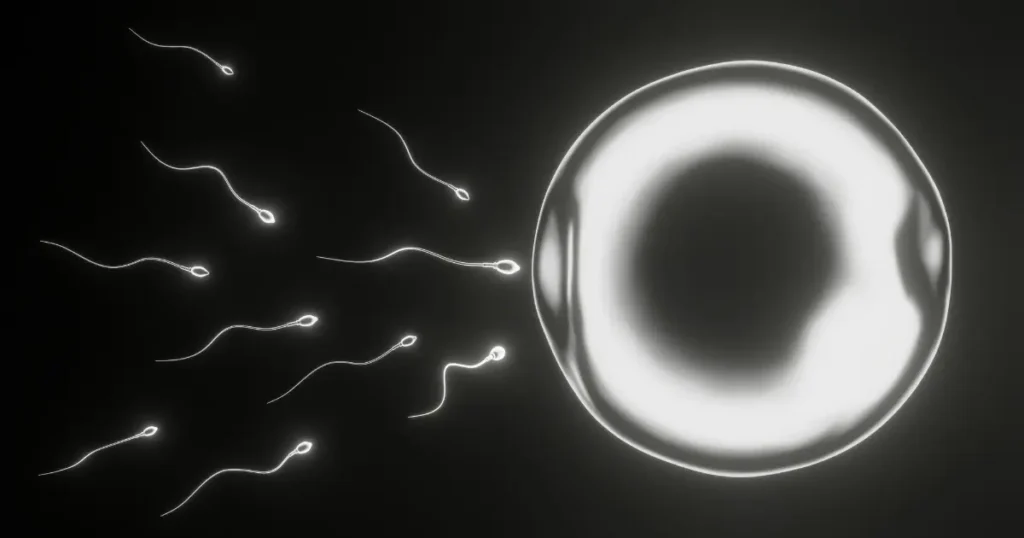
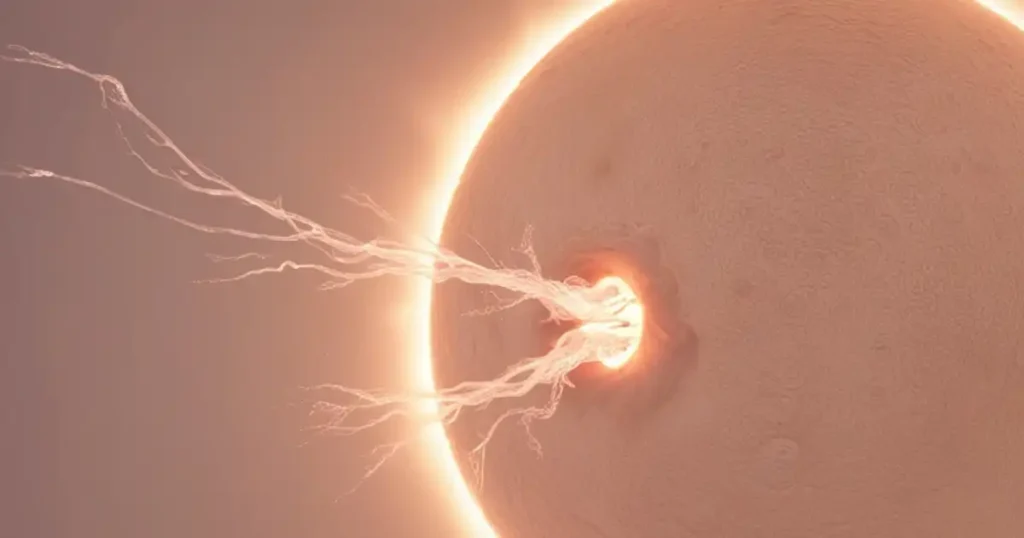
Not naturally. Pregnancy needs an egg. Ovulation is when an ovary releases that egg. No egg means no pregnancy.
But there is a catch. Three things can make it look like pregnancy happened without ovulation. You may have ovulated and missed it. Ovulation may have returned before your first period. Or fertility treatment may have helped you get an egg another way.
One fact explains most of the confusion. Ovulation comes before a period, not after it. Keep that in mind as you read.
How Does Ovulation Work in Simple Words?
Each month, your brain sends a signal to your ovaries. A follicle, which is a small fluid sac, starts to grow. Inside it, an egg gets ready.
When the follicle is ripe, a rush of LH hits. That is the surge that ovulation strips find. About a day later, the follicle opens and the egg comes out.
Then the empty follicle makes progesterone. This hormone readies the womb lining. If no pregnancy starts, progesterone drops and your period begins.
Now the main point. Pregnancy needs that egg. If the signal fails at any step, the egg may stay put. Doctors call that anovulation.
Why No Period Does Not Always Mean No Ovulation
In a typical cycle, ovulation happens about two weeks before your period. So the first egg after a long break arrives before the first bleed. That is how people get pregnant with no period in sight.
Here are the common cases.
| Situation | What Is Really Happening |
|---|---|
| Postpartum | Ovulation can return before the first period |
| Stopping birth control | An egg can release before any bleeding |
| Following a miscarriage | Ovulation can return within a few weeks |
| Very long cycles | Ovulation is late, not absent |
| Before the very first period | The first egg can come before the first bleed |
In each case, ovulation still came first. The egg just came before the bleed. I used to think a missing period was a safe sign. It is not. Never treat a missing period as birth control.
What Is the Difference Between Anovulation and Rare Ovulation?
Anovulation means no egg is released in a cycle. Rare ovulation means eggs are released, but only a few times a year. Doctors call that oligo-ovulation.
The two can look the same on a calendar. Both bring long gaps and odd bleeding. But the odds differ. With rare ovulation, a pregnancy can still happen in the months an egg is released.
Even healthy women can have an off cycle now and then. Stress, illness, or travel can cause it. One odd cycle is not a problem. A pattern of odd cycles is worth a chat with your doctor.
How Can You Tell If You Are Not Ovulating?
No single sign proves it. But a few clues add up. Look at them together, not alone.
| Sign | Ovulating Cycle | Possible No Ovulation |
|---|---|---|
| Cycle length | Steady, 21 to 35 days | Very long, very short, or missing |
| Cervical mucus | Clear and stretchy mid cycle | Dry or sticky all month |
| Ovulation strips | One clear surge | No surge, or confusing results |
| Basal temperature | Rises and stays up | Stays flat |
Clues That Point to Ovulation
Some people notice a one sided ache in the middle of the cycle. Others see slippery, clear mucus. A few feel mild breast soreness. These are hints, not proof.
Why a Bleed Can Fool You
Bleeding is not proof of ovulation. Without ovulation, the womb lining can still build up and shed. Doctors call this anovulatory bleeding. It can be light, heavy, or random.
I trusted bleeding as proof for far too long. A calendar app made it worse. Apps only guess from past dates. They cannot see your ovaries.
Can an Ovulation Test Turn Positive Without Ovulation?
Yes, it can. A strip finds LH, not an egg. LH can rise when no egg is released. That is why a dark line is a hint and not proof.
PCOS is a common reason, since LH often runs high. Perimenopause can do the same. Some fertility drugs and trigger shots can also cause a positive result. So can an early pregnancy, because the hormone hCG can cross react on some strips.
When strips look odd, step back. Look at your mucus and your temperature. If the lines stay dark for days, tell your doctor. Do not guess your way through it.
Can You Get Pregnant Without Ovulating While Breastfeeding?
Breastfeeding can delay ovulation. It works best when the baby feeds only on breast milk, often, day and night. Doctors call this the lactational amenorrhea method. It is most reliable in the first six months. Even then, it is not perfect.
The tricky part is the lack of warning. Ovulation can return before your first period after birth. You get no signal. A pregnancy can start while you think you are safe.
If you want to avoid pregnancy, ask your doctor about birth control that fits breastfeeding. If you want to conceive, know that ovulation may return sooner than you think.
Can You Get Pregnant Right After Stopping Birth Control?
Yes, you can. Most birth control pills stop ovulation while you take them. A missed pill can let ovulation slip through. After you stop, ovulation can return in the first cycle.
For others, it takes longer. Some people wait several months for steady cycles. The shot, known as Depo-Provera, can delay ovulation for many months after the last dose.
What About Implants, IUDs, and the Shot?
Methods work in different ways. An implant stops ovulation for most people. A hormonal IUD mainly works at the womb and cervix, so many people still ovulate. A copper IUD does not stop ovulation at all.
Fertility often returns soon after an implant or IUD comes out. The shot is the slow one. Ask your doctor what to expect with your method.
Do not panic if your first few cycles are odd. Your body may need time. But if you have no period for three months after stopping, call your doctor. Tell them which method you used.
Can a Woman Get Pregnant Without Ovulating if She Has PCOS?
Still no. PCOS does not change the rule. But PCOS does not mean you cannot ovulate. It means ovulation can be rare or hard to predict. Many people with PCOS do get pregnant, because an egg is released at times.
Common clues include uneven periods, acne, and extra hair growth. A doctor must confirm PCOS. Do not self diagnose.
Ovulation strips can mislead here. High LH levels can make strips look positive when no egg is coming. That confuses a lot of people. A temperature chart or blood test gives a better answer.
Treatment often starts with lifestyle steps and a pill like letrozole. Many guides now favor it for PCOS. Your doctor will choose what fits you.
What Causes Ovulation to Stop?
A few common causes cover most cases. Many people have more than one.
| Cause | Why It Blocks Ovulation |
|---|---|
| PCOS | Hormone imbalance keeps eggs from maturing |
| Low body weight or heavy training | The brain slows the signal that triggers ovulation |
| Higher body weight | Extra insulin and hormone shifts can disrupt cycles |
| Thyroid problems | Too much or too little hormone shifts cycles |
| High prolactin | This hormone can switch ovulation off |
| Early ovarian failure | The ovaries run low on working eggs before 40 |
| Perimenopause | Ovulation turns uneven as egg supply drops |
Spot the pattern. In most cases, the brain or ovaries are not sending the right signal. Many causes can be treated. It is not always your fault.
Can Stress, Illness, or Travel Stop Ovulation?
Yes, they can delay it. Your brain controls ovulation. Strong stress, a bad flu, or a big time change can shift the signal. Ovulation then comes late or skips a month.
That is why one long cycle after a rough month is common. It does not mean something is broken. It does mean your fertile window moved.
I learned this when I used last month’s dates to guess this month’s window. They did not match. Cycles are not clocks.
If stress is long and heavy, or your cycles stay off, talk to your doctor. Sleep, steady meals, and short walks can ease the load. They will not fix every case.
Does Age Change the Answer?
The rule stays the same at every age. You need an egg. But what ovulation looks like changes over time.
In the first few years after a first period, cycles can be uneven. Some months may pass with no egg. Still, pregnancy is possible, so birth control matters if sex is on the table.
In your 20s and early 30s, cycles are often steady. After 35, egg numbers fall, and cycles can turn short or odd. In the 40s, perimenopause often begins.
If you are 35 or older and trying, ask for tests after six months. Do not wait longer.
Can You Get Pregnant in Perimenopause or With Early Ovarian Failure?
Perimenopause is the shift before menopause. Ovulation becomes uneven, but it does not stop right away. A pregnancy is still possible until menopause. Doctors call it menopause after 12 months with no period.
So keep birth control going if you do not want a baby. A late period at 45 may still be a pregnancy.
Premature ovarian insufficiency, or POI, means the ovaries slow down before age 40. Some people still ovulate now and then. A small share conceive without help. Reported numbers vary, and I cannot confirm an exact figure. Ask a fertility specialist about your own odds. Donor eggs are another path.
Can You Get Pregnant From Sex During Your Period?
It is rare, but yes. Sperm can live up to five days. If you have a short cycle, ovulation can come soon after your period ends. Then sperm from sex during the period may still be waiting.
This matters most for people with cycles under about 24 days. It also matters when bleeding is not a true period. Anovulatory bleeding can look like one.
So do not count on “safe days.” They are guesses. If you want to avoid pregnancy, use a method that works every day of the month.
Which Tests Show Whether You Ovulate?
Doctors can check this with simple tests. Here is what each one tells you.
| Test | What It Checks |
|---|---|
| Mid-luteal progesterone | A high level suggests an egg was released |
| Ultrasound tracking | Follicle growth and release |
| TSH | Thyroid function |
| Prolactin | A hormone that can block ovulation |
| FSH and AMH | Hints about egg supply |
| LH and testosterone | Patterns linked to PCOS |
Timing matters for the progesterone test. It is often drawn about a week before your next period. With irregular cycles, one test can miss the right day. Ask your doctor how to time it.
What to Expect at Your First Doctor Visit
Your doctor will ask about your cycles. Bring your log. Say when your last period began and how long cycles run. Share any birth control, drugs, and past pregnancies.
A physical exam may follow. Blood tests often come next. An ultrasound can look at your ovaries and womb.
Before you leave, ask a few questions. Do I ovulate? What is the likely cause? What are my next steps? How long should we try before we change the plan?
Write the answers down. Visits go by fast, and details slip away.
Can a Woman Get Pregnant Without Ovulating With Fertility Treatment?
Strictly, an egg is still needed. Treatment just gets the egg another way. Natural ovulation may not happen. But doctors can create it or work around it.
| Option | How It Helps |
|---|---|
| Letrozole | A pill that prompts the ovary to release an egg |
| Clomiphene | Another pill that triggers ovulation |
| Injectable hormones | Shots that grow follicles under close watch |
| IVF | Eggs are collected before release and fertilized in a lab |
| Donor eggs | Another person’s egg is used |
Letrozole and clomiphene bring on ovulation. IVF works around it. A doctor must guide each step. Do not buy fertility drugs online. They can raise the odds of twins or cause painful ovarian swelling.
How Long Does It Take Once Ovulation Returns?
Once an egg is released, your odds look like anyone else’s. For healthy couples, the chance is about 15 to 25 percent per cycle. That is a common estimate, not a promise.
So even when treatment works, it may take a few cycles. Doctors often review the plan after several treated cycles. If you are not pregnant by then, they may change the drug or the method.
Do not forget your partner. A semen test is part of the full picture. Patience is hard, but a clear plan makes the wait easier.
Myths About Getting Pregnant Without Ovulating
Many ideas float around online. Some sound smart but are wrong. Here is how they compare with the facts.
| Myth | Reality |
|---|---|
| No period means no risk of pregnancy | Ovulation can return before the first bleed |
| Bleeding means I ovulated | Bleeding can happen with no egg released |
| Pregnancy can happen with no egg | Natural pregnancy needs an egg |
| Breastfeeding always blocks ovulation | It lowers the odds but is not a guarantee |
| My app knows when I ovulate | Apps estimate, they do not confirm |
If a post sounds too sure, check it. A good source will name its evidence.
Habits That Can Help Ovulation Return
Some causes respond to lifestyle changes. Always check with your doctor first. They know your history.
For people with PCOS and a higher weight, even a modest weight loss can help some. For people who eat too little or train too hard, the fix goes the other way. Eating enough and easing training can bring cycles back. A dietitian can help.
I used to think more exercise was always healthier. For cycles, too much can backfire. Sleep and stress matter too. Quit smoking, and ask about folic acid. Many guides suggest 400 micrograms a day before pregnancy.
Avoid crash diets. They can make cycles worse.
How to Track Irregular Cycles Without Losing Your Mind
Tracking is hard when cycles jump around. Start simple. Log three things: period dates, mucus, and ovulation test results. Add temperature if you can.
What a Flat Temperature Chart Tells You
Your temperature rises a little after ovulation and stays up until your period. A chart that stays flat for the whole cycle may mean no ovulation. One chart is not proof, so look at three.
Do not rely on strips alone. Use them to time sex. Use temperature or a blood test to confirm. Take your log to your visit. Doctors love real data.
Tracking Mistakes I Made Along the Way
Here are the slips I made so you can skip them. I assumed ovulation always lands on day 14. I tested at random times of day and missed the surge. I read each dark line as a released egg.
I also stopped tracking after one flat chart. And I waited far too long to ask for help. Each slip cost me time and calm.
What fixed it was simple. Use more than one sign. Track for three cycles. Write things down. Ask early when something feels off.
One more lesson. Do not compare your chart to a perfect chart online. Real cycles are messy. A messy chart is useful data, not a failure.
Signs You Should See a Doctor
Some signs call for a visit soon. Do not wait for a full year in these cases.
- No period for three months, and you are not pregnant
- Cycles shorter than 21 days or longer than 35 days
- Very heavy bleeding or bleeding between periods
- Hot flashes or night sweats before age 40
- Milky fluid from the nipples when you are not nursing
- Trying for 12 months if under 35, or 6 months if 35 or older
If none of these fit you but you are still worried, book a visit anyway. Peace of mind counts.
How to Cope While You Wait for Ovulation to Return
Waiting is hard. You may feel stuck, tired, or angry at your body. That is normal. It does not mean you are failing.
Talk to your partner about how you feel. Pick one person you trust and tell them the truth. Skip the posts that make you feel behind. Take breaks from tracking when it starts to run your day.
If sadness lingers or stops you from daily life, reach out to your doctor or a counselor. Help is not a sign of weakness. It is part of the plan.
Quick Answers About Pregnancy Without Ovulating
Here are short answers to the questions people ask most.
Can a woman get pregnant without ovulating naturally?
No. A natural pregnancy needs an egg. If you think it happened without ovulation, ovulation likely happened and went unnoticed.
Can you get pregnant without having a period?
Yes. Ovulation can come before your first period after birth, a miscarriage, or stopping birth control.
Can you have a period without ovulating?
It can. Anovulatory bleeding can look like a period. It may be lighter, heavier, or off schedule.
Can you ovulate without a period?
Yes. Some hormonal IUDs stop periods, but many people still ovulate while using one.
Can you ovulate twice in one cycle?
Two eggs can release within the same day. That is how fraternal twins happen. Some research hints that eggs may release at other times of the cycle, but experts still debate it.
Can you get pregnant if you ovulate only a few times a year?
Yes, but the odds are low in any given month. Ask a doctor about tracking and treatment.
Final Thoughts
The biggest lesson I learned is simple. No egg, no pregnancy. But a missing period does not mean no egg. Ovulation can return before the bleed. It can also happen quietly when your cycles are odd. That is why I stopped trusting calendars and started trusting tests.
If you still wonder, can a woman get pregnant without ovulating, the honest answer is no, not naturally. Treatment can get an egg another way. If your cycles are irregular, track for three months and book a visit. Most causes can be found with simple tests. I cannot promise a quick fix, but clear steps beat guessing. Take it one cycle at a time.