Ovulation sounds like a big event. In reality, it is a short one. The egg is only around for a day at most. Yet pregnancy can follow sex from days earlier. That mismatch confuses almost everyone who starts tracking their cycle.
I read through health articles, a landmark New England Journal of Medicine study, and clinic guides to answer one simple question. How long does a woman ovulate, and what does that mean for timing? The answer has two layers. In this guide, you will learn how long the egg lives, how long you are fertile, and how to use that to plan.
How Long Does a Woman Ovulate? The Short Answer
Ovulation happens once per cycle, and the egg survives about 12 to 24 hours after release. Several health sources agree on this range, including Healthline and a medically reviewed Yahoo Lifestyle article. That is the short answer.
The Egg Lives 12 to 24 Hours
Once an ovary releases an egg, it moves into the fallopian tube. It can be fertilized only while it is still viable. After that, it breaks down.
If the egg is not fertilized, it dissolves. Healthline says the lining and egg shed with your period about two weeks later. Most of the time, only one egg is released. Healthline also notes that some women may release more than one egg within 24 hours of each other.
Why One Day Is Only Half the Story
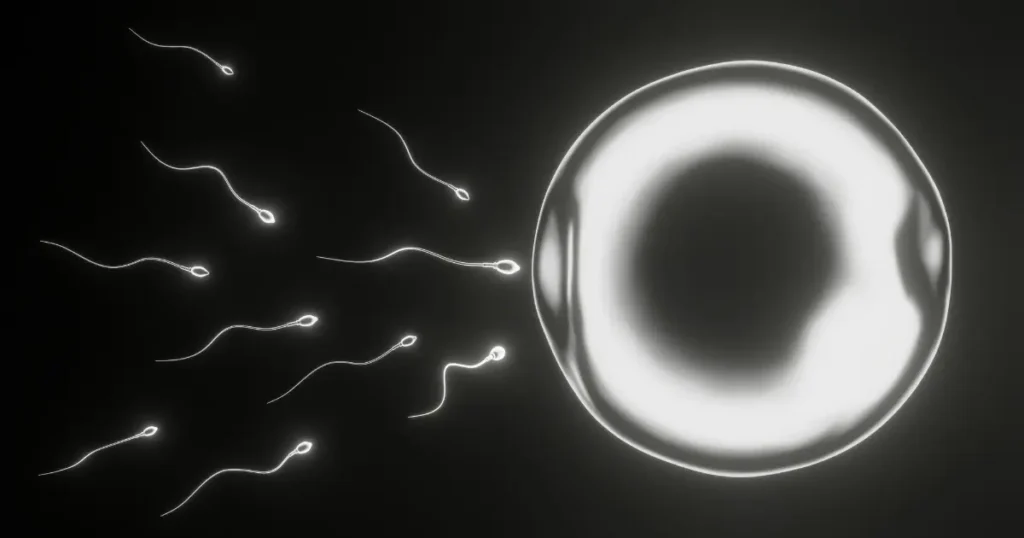
Here is the part that surprised me. You can get pregnant from sex that happens before ovulation. Sperm can live in the reproductive tract for up to about five days, according to several health sources.
So the fertile window is longer than the egg’s life. Sources describe it as about six days. That includes the five days before ovulation and the day of ovulation itself.
| Event | How Long It Lasts |
|---|---|
| Egg survival after release | About 12 to 24 hours |
| Sperm survival in the body | Up to about 5 days |
| Fertile window | About 6 days |
| LH surge to ovulation | Roughly 24 to 36 hours |
What Happens During Ovulation, Step by Step
Ovulation is not one moment. It is the end of a short chain of events. Seeing the chain helps explain why the timing feels so slippery.
Follicles Grow and Estrogen Rises
Early in the cycle, follicles on the ovary start to grow. One usually becomes dominant. As it grows, estrogen rises and peaks before ovulation.
This phase is called the follicular phase. It runs from your period until the egg is released. Its length is the main reason cycles differ from person to person.
The LH Surge Triggers Release
Next comes a surge in luteinizing hormone, or LH. That surge triggers the dominant follicle to rupture and release the egg. This is the signal that ovulation tests look for.
The surge is commonly cited as coming roughly 24 to 36 hours before ovulation. Your own timing may differ. A 2017 study in Frontiers in Public Health, by Leiva and colleagues, described the LH rise as more of a wave than a sharp peak.
The Egg Travels and Then Fades
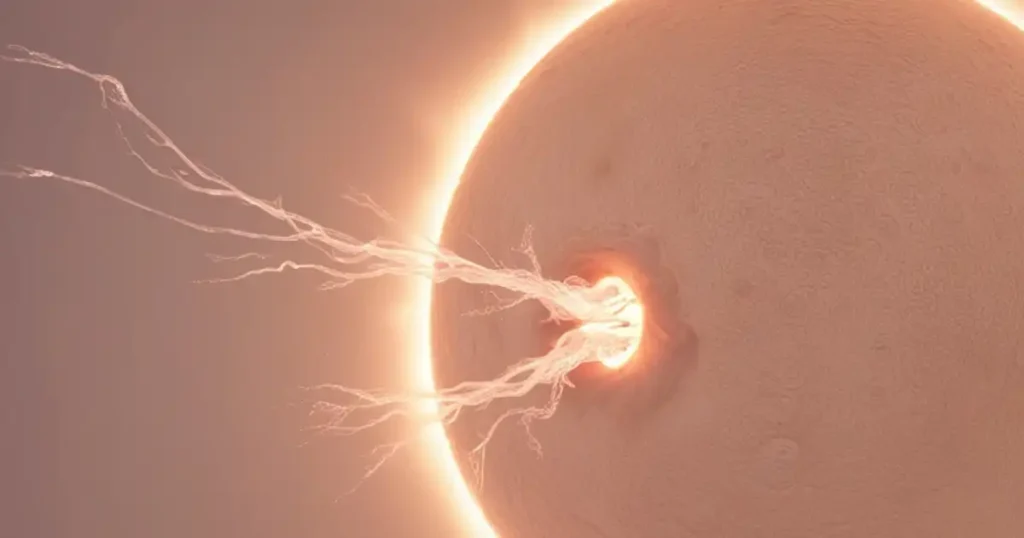
After release, the egg enters the fallopian tube. If sperm are already waiting, fertilization can happen quickly. If not, the egg fades within 12 to 24 hours.
After that, the empty follicle changes and starts making progesterone. That begins the luteal phase, which ends with your next period.
| Stage | What Happens | Rough Timing |
|---|---|---|
| Follicular phase | Follicles grow, estrogen rises | Period until ovulation |
| LH surge | Hormone spike triggers release | About 24 to 36 hours before |
| Ovulation | Egg is released | Once per cycle |
| Luteal phase | Progesterone rises | Until next period |
Your Fertile Window: Why It Is Six Days Long
The six-day figure is not a guess. It comes from careful research. The best-known study is from 1995, and it still shapes advice today.
What the Landmark Study Found
Researchers Wilcox, Weinberg, and Baird recruited 221 healthy women who were planning to get pregnant. The women collected daily urine samples and recorded when they had sex. The team used urine hormone measurements to estimate ovulation day.
The study found that conception occurred only when intercourse took place during a six-day period that ended on the estimated day of ovulation. That result was published in the New England Journal of Medicine in 1995. Later studies have supported the six-day window, according to a CDC-hosted paper I found.
How Chances Change Day by Day
The same study reported that the probability of conception ranged from about 0.10 when sex occurred five days before ovulation to about 0.33 on the day of ovulation. So the odds rise as you get closer to ovulation.
I did not find a full day-by-day breakdown in the sources I could open, so I am only quoting those two end points. The study also included only healthy women, and it estimated ovulation from urine hormones. So treat the numbers as a guide, not a promise.
| Timing of Sex | What the 1995 Study Found |
|---|---|
| Five days before ovulation | About a 10% chance |
| Day of ovulation | About a 33% chance |
| Outside the six-day window | Conception did not occur |
Does Ovulation Always Happen on Day 14?
Many of us learned that ovulation happens on day 14. That is true for a textbook 28-day cycle. For many people, it is not true at all.
What Research Says About Timing Variation
A follow-up analysis of the same group of women, summarized by American Family Physician in 2001, found that ovulation occurred as early as day 8 and as late as day 60. More than half of the women were in the fertile window on days 12 and 13, but about 17 percent were already in it by day 7.
The same summary says that even women with regular cycles had up to a 6 percent chance of being in the fertile window on the day their period was expected. It concluded that standard guidelines were valid for only about 30 percent of healthy women. That is from one summary of one study, so keep that in mind.
What This Means for Your Own Cycle
Day 14 is a rough midpoint, not a rule. A simple trick is to count back from your next period. Ovulation commonly happens about 14 days before it starts, though the gap can vary.
The table below shows the math for several cycle lengths. These are estimates. They work best if your cycles are regular, and even then they may be off.
| Cycle Length | Estimated Ovulation Day | Estimated Fertile Window |
|---|---|---|
| 24 days | Day 10 | Days 5 to 10 |
| 28 days | Day 14 | Days 9 to 14 |
| 30 days | Day 16 | Days 11 to 16 |
| 35 days | Day 21 | Days 16 to 21 |
What Changes How Long and When You Ovulate
The egg’s lifespan stays about the same. What changes is when ovulation happens in your cycle. Several things can shift it.
Cycle Length and Irregular Cycles
If your cycles are short or long, ovulation moves with them. If your cycles vary from month to month, ovulation day will vary too. That makes day-counting less useful.
For irregular cycles, tracking signs like cervical mucus and ovulation tests becomes more important than calendar math.
PCOS and Hormone Conditions
Polycystic ovary syndrome, or PCOS, can cause irregular or missing ovulation in some people. Thyroid problems and other hormone conditions can also affect cycles. If your periods are very irregular, a doctor can help sort out why.
I do not want to oversimplify here. Each condition works differently. A doctor can look at your own history and tests.
Perimenopause
In the years before menopause, ovulation can become less regular. One eight-week observational study of perimenopausal women with depressive symptoms found that only about half had progesterone levels consistent with ovulation. That was a small, specific group, so I would not stretch it too far. Still, it shows why the fertile window gets harder to predict.
If you are in your forties and your cycles have changed, calendar methods may not be reliable. Ask your doctor about options.
Stress, Illness, and Other Life Factors
Many health sites say stress, illness, and big changes in routine can shift when you ovulate. I did not find a strong study to cite here, so I would treat it as common advice, not a proven rule.
What I take from it is simple. One odd month does not always mean a problem. A pattern over several months matters more.
Signs That Ovulation Is Happening
Your body gives clues. None of them are perfect alone. Together, they paint a clearer picture of where you are.
| Sign | What You Notice | What It Suggests |
|---|---|---|
| Cervical mucus | Clear, slippery, stretchy | Fertile days are near |
| Positive ovulation test | LH surge detected | Ovulation likely within a day or two |
| Mild one-sided pain | Twinge in lower belly | Ovulation may be happening |
| Temperature rise | Small, steady increase | Ovulation likely already happened |
Cervical Mucus
UPMC says cervical mucus becomes thinner, clearer, and more slippery just before ovulation. It helps sperm reach the egg. Many people compare it to raw egg white.
This sign is free, and it can show up days before ovulation. That makes it useful for catching the early part of the fertile window.
Ovulation Tests
Ovulation tests detect the LH surge. A positive result usually means ovulation is likely within about 36 hours, according to a WebMD description. The test does not guarantee an egg is released, so treat it as a timing clue.
If you use tests, start a few days before you expect to ovulate. Follow the instructions for your brand.
Pain and Temperature
Some people feel a twinge on one side of the lower belly around ovulation. That is called mittelschmerz. Mayo Clinic describes it as happening about 14 days before your next period, though not everyone feels it.
Basal body temperature rises slightly after ovulation. That means it confirms ovulation after the fact. It cannot help you time the days before.
How to Time Sex Around the Fertile Window
Now for the practical part. If the fertile window is about six days, you do not need to hit one exact day. You need to cover the window.
Aim for the Days Before Ovulation
UPMC advises having sex frequently during the fertile window. The 1995 findings also fit this idea. Because chances rise toward ovulation day but sperm can wait in the body, the days before matter a lot.
If you wait for a positive ovulation test and only then begin, you may start later than ideal. Having sex in the days leading up to it gives you more chances.
Frequency Can Matter More Than Perfect Timing
A Johns Hopkins public health article about Wilcox’s work noted that the six fertile days are spread widely across the cycle. It suggested that if you pay no attention to when you are fertile, you may still be close to maximizing your chances. That is a point about regular, frequent sex.
I take that as a relief. Tracking helps, but you do not need to be perfect. Regular sex through the fertile window is a solid plan.
Do Not Wait for After Ovulation
The 1995 study found conception only when sex took place in the six days ending on ovulation day. So sex after the egg is gone is unlikely to help. This is why tracking before ovulation matters more than confirming it afterward.
Myths About How Long a Woman Ovulates
A few ideas float around that do not match the research. Here is a quick check.
| Myth | Reality |
|---|---|
| Ovulation lasts several days | The egg lives about 12 to 24 hours |
| You can only conceive on one day | The fertile window is about six days |
| Everyone ovulates on day 14 | Timing varies a lot between people and cycles |
| Sex after ovulation is best | Conception occurred only before or on ovulation day in the 1995 study |
| Only one egg is ever released | Sometimes more than one is released within 24 hours |
The Biggest Mix-Up
The most common mix-up is blending two numbers. The egg lives about a day. The fertile window lasts about six. Both are true, and they answer different questions.
When someone asks how long ovulation lasts, the honest answer depends on what they mean. If they mean the egg, it is hours. If they mean the chance to get pregnant, it is days.
What Happens in the Days After Ovulation
Once the egg is gone, your body moves into the second half of the cycle. The fertile window closes, but the cycle keeps going. Knowing this phase helps you read your signs correctly.
The Luteal Phase
After release, the empty follicle changes and starts making progesterone. That is the luteal phase. Progesterone is also why your basal body temperature rises slightly after ovulation.
If the egg is not fertilized, hormone levels fall and your period follows. Healthline puts that at about two weeks after ovulation. That fits the idea of counting back from your next period to estimate ovulation day.
Why the Two-Week Wait Feels So Long
If you are trying to conceive, the stretch between ovulation and your next period can feel endless. Symptoms like sore breasts or mood changes can appear in this phase whether or not you are pregnant. So they are hard to read.
A home pregnancy test is the better tool, once your period is due. Early symptoms alone do not tell you much.
How Birth Control Changes Ovulation
Hormonal birth control works mainly by stopping ovulation. A research review I read noted that hormonal contraceptives suppress the LH peak, and therefore ovulation. So no surge and no egg release is the expected pattern while you take them.
Getting Back to Normal After Stopping
UPMC notes that the time it takes to resume ovulation after stopping birth control depends on the method. I do not have a reliable number for each method, so check with your doctor or the method’s information leaflet.
Your first cycles after stopping may be irregular. In that case, mucus and ovulation tests can help more than calendar math. If your cycle does not settle after a few months, ask your doctor.
When to Talk to a Doctor
Tracking is helpful, but it has limits. Some patterns call for a conversation with a doctor.
Signs That Call for a Check-Up
See a doctor if your periods are very irregular or missing. See one if you never see signs of ovulation across several cycles. See one if you have pain that is severe or lasts more than a day or two.
Also reach out if you have PCOS, thyroid problems, or other known hormone conditions. They can affect when and whether you ovulate.
How Long to Try Before Asking for Help
The common guidance I know is to seek help after about 12 months of trying if you are under 35, or about 6 months if you are 35 or older. That guidance can vary by country and health history, so confirm with your doctor.
If you have known risk factors, you may not need to wait that long. Bring your cycle notes to your visit.
Quick Answers About How Long a Woman Ovulates
These are the questions people ask most. Each answer is short so you can scan.
How long does ovulation last in hours?
The egg survives about 12 to 24 hours after release. Several health sources agree on this range. After that, it can no longer be fertilized.
How many days can you get pregnant each cycle?
The fertile window is about six days. That includes the five days before ovulation and the day of ovulation. This comes from the 1995 New England Journal of Medicine study and later work.
Can you ovulate more than once in a cycle?
Healthline says some women release more than one egg within about 24 hours of each other. That is still one ovulation event. It is different from ovulating at two separate times in a cycle.
Can you get pregnant the day after ovulation?
It is unlikely. The egg lives only about 12 to 24 hours. The 1995 study found conception only when sex happened in the six days ending on ovulation day.
How can I tell when ovulation is over?
A rise in basal body temperature that stays up suggests ovulation has happened. Cervical mucus also tends to dry up after ovulation. These signs confirm after the fact, so they are less helpful for timing.
Does ovulation last longer if you have a longer cycle?
No. A longer cycle usually means a longer follicular phase, so ovulation happens later. The egg itself still lives only about 12 to 24 hours. What stretches is the wait, not the egg’s lifespan.
Is the fertile window the same length for everyone?
Research describes the window as about six days in healthy women, based on the 1995 study. Your own window may shift from cycle to cycle because ovulation timing shifts. That is why tracking signs, not just dates, gives you a better read.
Final Thoughts
So, how long does a woman ovulate? The egg lives about 12 to 24 hours, but the fertile window lasts about six days because sperm can wait. Day 14 is only a rough guide, and research shows ovulation timing varies widely, even in regular cycles.
My honest take is to stop chasing one perfect day. Track your signs, cover the days before ovulation, and keep sex regular through the window. If your cycles are irregular or you have been trying for a while, talk to a doctor. You do not have to figure it all out alone.